Top 5 Single-Lead ECG Monitors in the UK for 2026
Published on Monday, 26 January 2026
Single-lead ECG monitors are user-friendly devices designed for quick and easy heart monitoring. In the UK market they are popular with people who want straightforward rhythm checks at home, travellers, athletes who track recovery, and clinicians who need remote snapshots of cardiac rhythm between appointments. Consumers prefer single-lead monitors because they are compact, affordable, fast to use and often pair with smartphone apps for instant recording, easy sharing with clinicians and integration into telehealth pathways. By 2026 the trend in the UK is toward devices that combine clinical validation, clear user interfaces, data privacy and simple guidance — features that increase confidence for users managing known arrhythmias or screening for symptoms such as palpitations, dizziness or intermittent breathlessness.
Top Picks Summary
AliveCor KardiaMobile
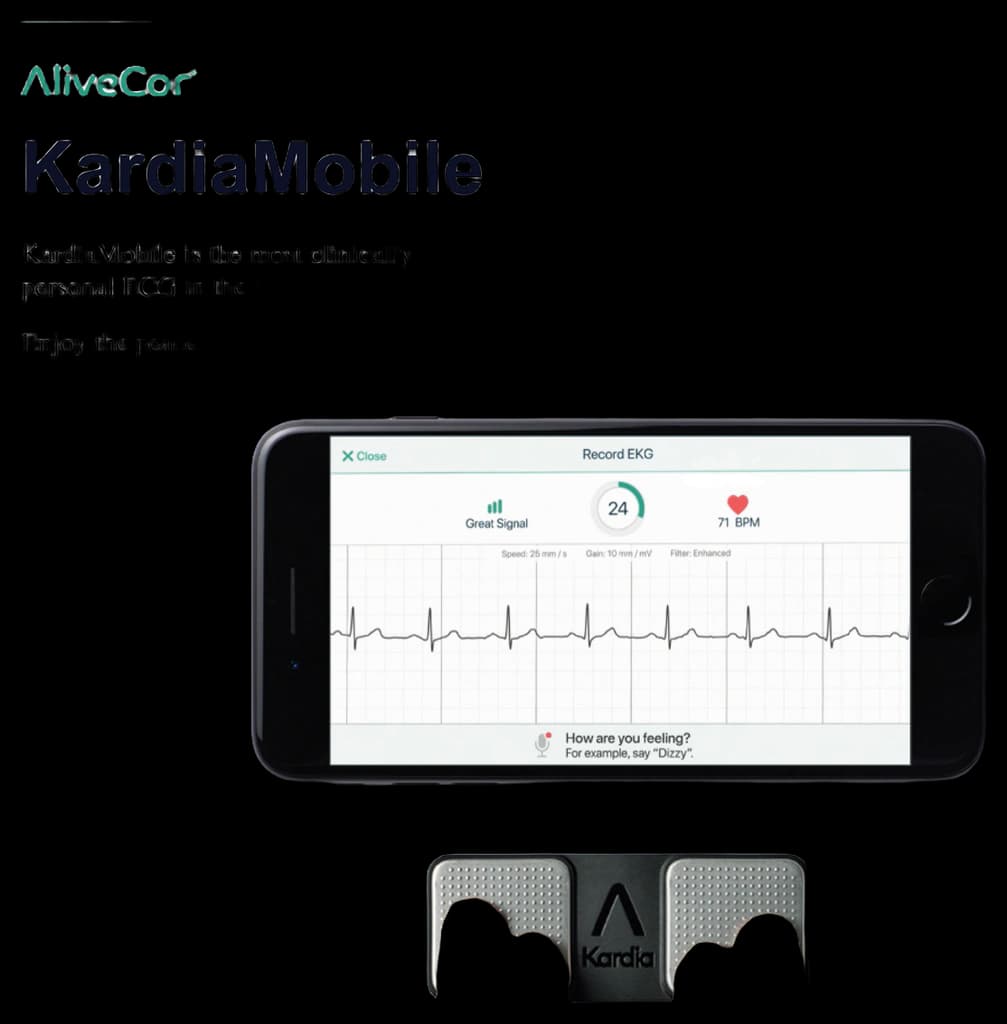
AliveCor KardiaMobile is the market-leading single-lead ECG thanks to its strong clinical validation and regulatory clearances, making it the go-to choice for clinicians and consumers who need trusted rhythm detection. It commands a premium but offers the technical advantage of FDA/CE-backed algorithms and easy clinician integration, which sets it apart from more consumer-style wearables or lower-cost handhelds on this list.
£79-129 GBP
Withings Move ECG
Withings Move ECG positions itself as the best-in-class consumer wearable single-lead ECG by combining a smartwatch form factor with on-demand ECG capture, offering a stylish, always-wear option that doubles as a lifestyle device. Compared with clinical-first devices like KardiaMobile, it delivers broader daily utility and a one-time purchase value that may be more cost-effective for users wanting both activity tracking and occasional ECGs.
Beurer ME 90
Beurer ME 90 is a straightforward, budget-friendly single-lead ECG monitor that focuses on reliable spot checks without premium subscription models or complex apps, making it an accessible option for price-sensitive users. While it lacks the deep clinical integration and extended recording features of higher-end devices, its low cost and simplicity make it a practical alternative for basic at-home rhythm monitoring.

SanketLife ECG Monitor
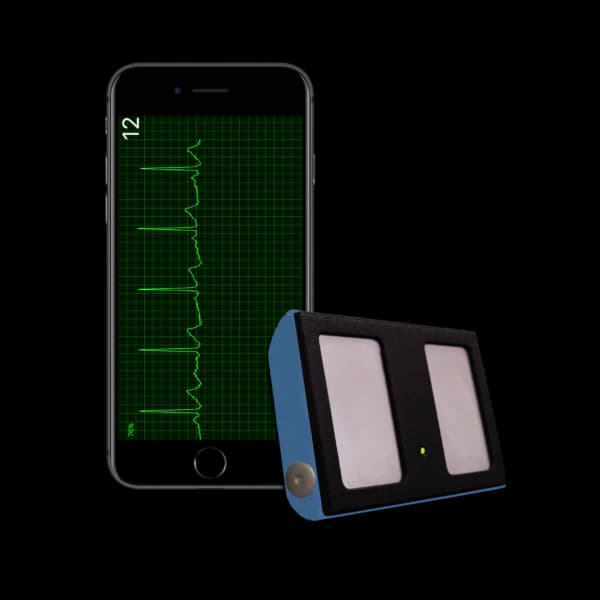
SanketLife ECG Monitor is a cost-conscious single-lead device tailored to emerging markets, offering cloud-enabled ECG capture and telemedicine-friendly workflows that make it especially useful for remote screening and public-health deployments. Technically it may not match the regulatory pedigree of some Western brands, but its strong emphasis on affordability and connectivity provides unique financial and operational advantages for large-scale or low-resource settings compared to the other devices listed.
£89-149 GBP
What research and clinical guidance says about single-lead ECG monitors
Clinical studies and health technology assessments have evaluated the role of single-lead ECG devices in detecting common rhythm problems, most notably atrial fibrillation (AF). Peer-reviewed validations and real-world studies show that well-designed single-lead devices can reliably identify AF and other arrhythmias when recordings are taken correctly, and that device-paired apps can support triage and remote review by clinicians. Professional guidance highlights their value for screening and monitoring but stresses they are not a replacement for a 12-lead ECG when full diagnostic information is required. In the UK, regulatory marks and growing NHS interest in remote monitoring have helped adoption, while research also underlines the importance of clinician oversight and clear pathways for follow-up.
Validation studies report strong diagnostic performance for atrial fibrillation detection with clinical-grade single-lead devices when used as intended.
Home monitoring with single-lead devices can shorten the time to diagnosis for intermittent arrhythmias and reduce unnecessary clinic visits when integrated into remote care pathways.
Single-lead ECGs are best for rhythm and rate assessment; they do not replace 12-lead ECGs for complex ischemia, conduction abnormalities or full cardiac assessment.
Data quality depends on correct electrode contact and minimal motion; many devices use filtering and app prompts to improve recording reliability.
Regulatory clearance and published validation studies are useful signals of clinical reliability; look for UKCA/CE marks and peer-reviewed evidence where available.
Frequently Asked Questions
Which single-lead ECG monitor is most trusted by clinicians?
The AliveCor KardiaMobile is the most trusted choice for clinicians and consumers due to its strong clinical validation and regulatory clearances. It provides a 30-second clinical-grade ECG capture and features a compact two-electrode design that pairs seamlessly with both iOS and Android smartphones.
How long does it take to record an ECG with KardiaMobile?
The AliveCor KardiaMobile records a clinical-grade ECG in exactly 30 seconds. This portable device allows for instant atrial fibrillation detection and provides easy PDF export functionality directly through the dedicated Kardia mobile app.
Is there a budget-friendly ECG monitor for simple home use?
The Beurer ME 90 is an accessible, budget-friendly option designed specifically for straightforward home spot checks. It features a large display and simple one-button operation, allowing users to store recordings locally and export them to a smartphone or PC without needing a subscription.
Can I wear an ECG monitor that looks like a watch?
The Withings Move ECG is a wristwatch-style monitor that combines activity and sleep tracking with on-demand ECG recordings. It is ideal for users who want a discreet device, as it functions as a standard watch while syncing data to the Withings Health Mate app for review.
Conclusion
Single-lead ECG monitors provide a simple, effective option for routine rhythm checks and remote cardiac monitoring in the UK. The top picks on this page cover a range of needs: AliveCor KardiaMobile for clinically validated snapshots and strong app support, Withings Move ECG for wearable convenience, Beurer ME 90 for straightforward user controls, SanketLife ECG Monitor for affordability and field use, and Wellue DuoEK-S for dual-function monitoring and clear recordings. For most users seeking a proven combination of accuracy and ease of use, AliveCor KardiaMobile stands out as the best overall choice. We hope you found what you were looking for — use the site search to refine by features, price or certification if you want to expand or narrow your options.