Top 5 Wireless ECG Monitors UK 2026 — Reliable, Cable-Free Heart Monitoring
Published on Monday, 26 January 2026
Wireless ECG monitors eliminate the hassle of cables, providing users with a flexible monitoring experience that pairs effortlessly with smartphones and other devices for instant data access. In the UK market for 2026, demand has grown for portable, clinically validated devices that combine accuracy with ease of use. Consumers choose wireless ECGs for home screening, long-term rhythm tracking, fitness insights and remote consultations with GPs and cardiologists. Key purchase drivers are clear: regulatory approvals and clinical validation, seamless smartphone app integration, data privacy and secure sharing with NHS or private clinicians, battery life and comfort for wearables. Devices now span handheld multi-lead recorders, smartwatch ECGs and patch monitors, giving buyers options depending on whether they value spot checks, continuous monitoring or clinical-grade ECG recordings.
Top Picks Summary
AliveCor KardiaMobile 6L
AliveCor KardiaMobile 6L holds the best-in-class spot for wireless ECG monitors because it delivers a true 6-lead, clinical-grade tracing in a pocketable, FDA-cleared device—providing richer diagnostic data than single-lead watches at a fraction of clinic cost. It is ideal when higher-fidelity rhythm analysis is required, outperforming consumer smartwatches on lead count and signal detail while remaining far more affordable and portable than full clinical Holter systems like the Wellue solutions.
£120-170 GBP
Withings ScanWatch 2
Withings ScanWatch 2 earns placement for combining a refined hybrid smartwatch design with validated ECG, long multi-week battery life, and broad health sensors, making it a strong choice for users who want elegant continuous wellness monitoring without daily charging. Compared with the KardiaMobile 6L it sacrifices multi-lead depth for everyday wearability and compared with the Apple and Samsung watches it offers superior battery longevity and a more clinical-focused, lower-profile look at a competitive mid-market price.
Apple Watch Series 9
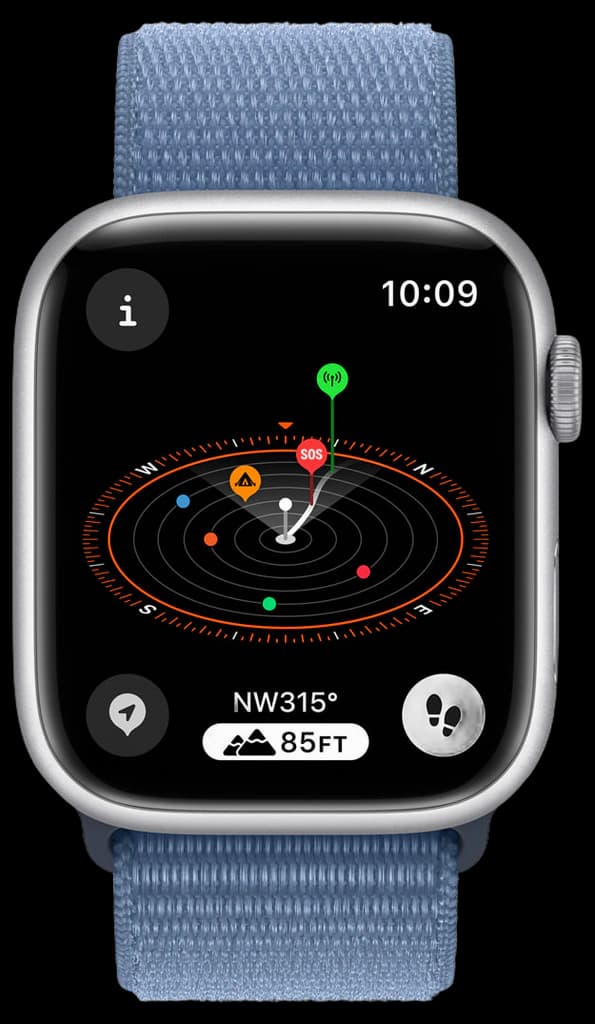
Apple Watch Series 9 is the market leader for consumer wireless ECG monitoring thanks to massive adoption, seamless iPhone integration, continuous heart-rate and rhythm notifications, and a well-established single-lead ECG app that streamlines care escalation. While it provides less lead detail than the KardiaMobile 6L or dedicated recorders, its ecosystem, automated alerts, and clinical data-sharing make it the most user-friendly (but typically higher-priced) option for everyday AF screening and engagement.
£399-749 GBP
Samsung Galaxy Watch 6
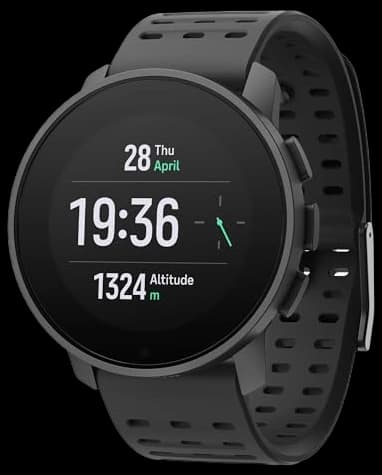
Samsung Galaxy Watch 6 is the top Android-friendly market choice, offering an accessible price-performance balance, polished wearable hardware, and ECG capability in regions where it is approved—making it a practical alternative to the Apple Watch for non-iPhone users. It matches the convenience of other smartwatches for on-demand, single-lead ECGs but stands out financially for Android customers who want advanced smartwatch features without the premium Apple pricing, though it does not replace multi-lead clinical tracings.
£269-389 GBP
What Research Shows About Wireless ECG Monitoring
A growing body of clinical research and real-world studies supports the benefits of wireless ECG monitoring for detecting atrial fibrillation and other rhythm disorders, improving diagnostic yield and enabling earlier clinical intervention. Large-scale projects and peer-reviewed validations have demonstrated that properly validated portable ECGs can approach the diagnostic accuracy of traditional 12-lead systems for many rhythm abnormalities, while continuous patches and multi-lead handheld devices increase detection rates for intermittent arrhythmias. Despite strong results, clinical confirmation by a healthcare professional and, when necessary, a 12-lead ECG remain standard practice.
Single-lead and multi-lead wireless devices show high sensitivity for atrial fibrillation detection in multiple validation studies, particularly when combined with algorithmic interpretation.
Continuous patch monitors detect a higher proportion of intermittent arrhythmias than short spot checks, improving diagnostic yield for patients with sporadic symptoms.
Large community studies, including smartwatch research and device-specific validations, show that remote monitoring can speed diagnosis and reduce time to treatment in some populations.
Regulatory clearances such as UKCA and clinical validation published in peer-reviewed journals are useful proxies for device reliability and safety.
Research emphasizes that device-recorded ECGs should be reviewed by clinicians for definitive diagnosis and treatment decisions.
Frequently Asked Questions
Which wireless ECG monitor is best for detailed heart analysis?
The AliveCor KardiaMobile 6L is the best choice for detailed analysis because it provides a true 6-lead, clinical-grade tracing. This offers significantly more diagnostic data than standard single-lead devices, making it ideal for users who need a deeper look at their heart rhythm.
Does the Withings ScanWatch 2 offer continuous heart rate monitoring?
Yes, the Withings ScanWatch 2 features continuous heart-rate monitoring alongside its built-in single-lead ECG. It also includes additional health sensors for SpO2, sleep tracking, and sleep apnea screening, all of which sync directly to the Health Mate app.
Is the Apple Watch Series 9 worth the price for ECG?
The Apple Watch Series 9 is priced for those who want a comprehensive health tool, offering on-wrist single-lead ECG, irregular rhythm detection, and seamless iPhone integration. It provides high value for users who also benefit from fall detection and high or low heart rate alerts.
What is the user rating for the AliveCor KardiaMobile 6L?
The AliveCor KardiaMobile 6L holds an average rating of 4.8 out of 5. This high score reflects its reliability as a pocket-sized, FDA-cleared device that allows users to perform clinical-grade 6-lead ECG recordings and export PDF reports for their clinicians.
Conclusion
Wireless ECG monitors have become a practical, mainstream option for UK users who want accurate, cable-free heart monitoring at home, on the move or linked to remote care. The five devices featured here — AliveCor KardiaMobile 6L, Withings ScanWatch 2, Apple Watch Series 9, Samsung Galaxy Watch 6 and Wellue DuoEK-S — cover the main user needs from clinical-grade multi-lead recordings to convenient smartwatch checks and continuous monitoring. For clinical-grade accuracy and a straightforward, shareable report for clinicians, the AliveCor KardiaMobile 6L stands out as the best overall choice among these options. We hope you found what you were looking for; you can refine or expand your search using the site search to compare features, prices and compatibility with NHS or private care pathways.