

Top 5 Handheld Pulse Oximeters UK 2026 — Best Models for Clinical and Home Use
Published on Monday, 26 January 2026
Handheld pulse oximeters offer a versatile option for monitoring blood oxygen levels in a wide range of settings, including hospitals, clinics, community care and home monitoring. Compared with fingertip units, handheld models provide larger displays, more comprehensive monitoring features, longer battery life and improved data-logging and connectivity options. In the UK market these devices appeal to clinicians who need reliable, rugged instruments for ward and ambulance use, as well as to patients and carers who want clearer readouts and easier operation for conditions such as COPD, heart disease and post-operative recovery. Recent trends in the UK include stronger demand for devices with Bluetooth or USB data export, clinically validated accuracy, and user-friendly menus that meet NHS and private clinic workflows. Price sensitivity remains important for home users, while healthcare providers prioritise proven accuracy, maintenance support and infection-control friendly design.
Top Picks Summary
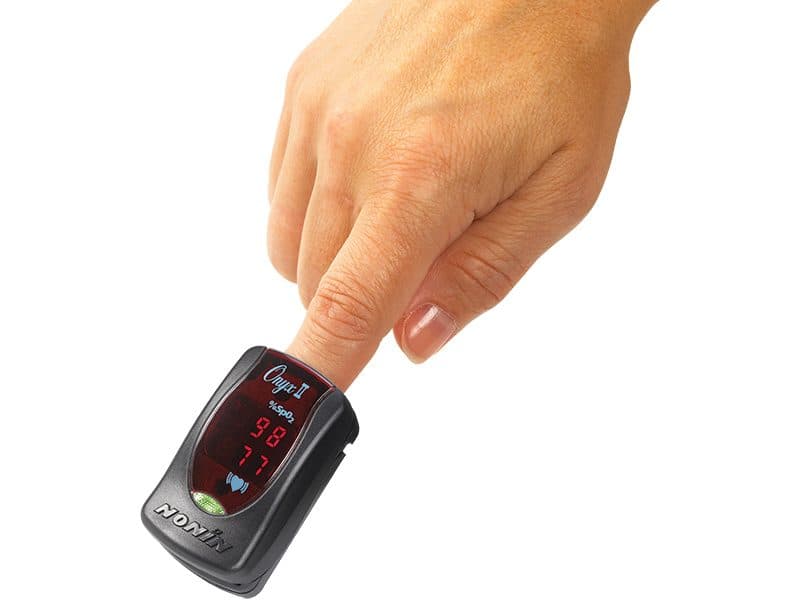
Nonin 9550 Onyx II Digital Handheld Pulse Oximeter
The Nonin 9550 Onyx II is best-in-class among handheld pulse oximeters for clinical and field use thanks to its proven accuracy, rugged construction, long battery life, and FDA clearance. Compared with the Masimo Rad-5v it is a highly trusted, cost-effective choice for routine and demanding environments, while offering stronger clinical confidence than consumer-oriented devices such as the Contec and Beurer models.
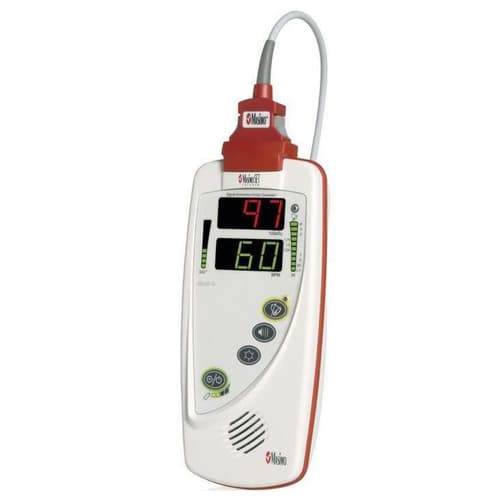
Masimo Rad-5v Handheld Pulse Oximeter
The Masimo Rad-5v is a market leader for handheld pulse oximetry because its proprietary SET signal processing delivers superior accuracy during motion and low perfusion, which is critical for emergency transport and high-acuity use. It typically carries a premium price relative to Contec, Beurer and some Edan units, but the technical advantages (motion tolerance, advanced indices and connectivity) justify the higher investment for clinical teams who need the most reliable readings.
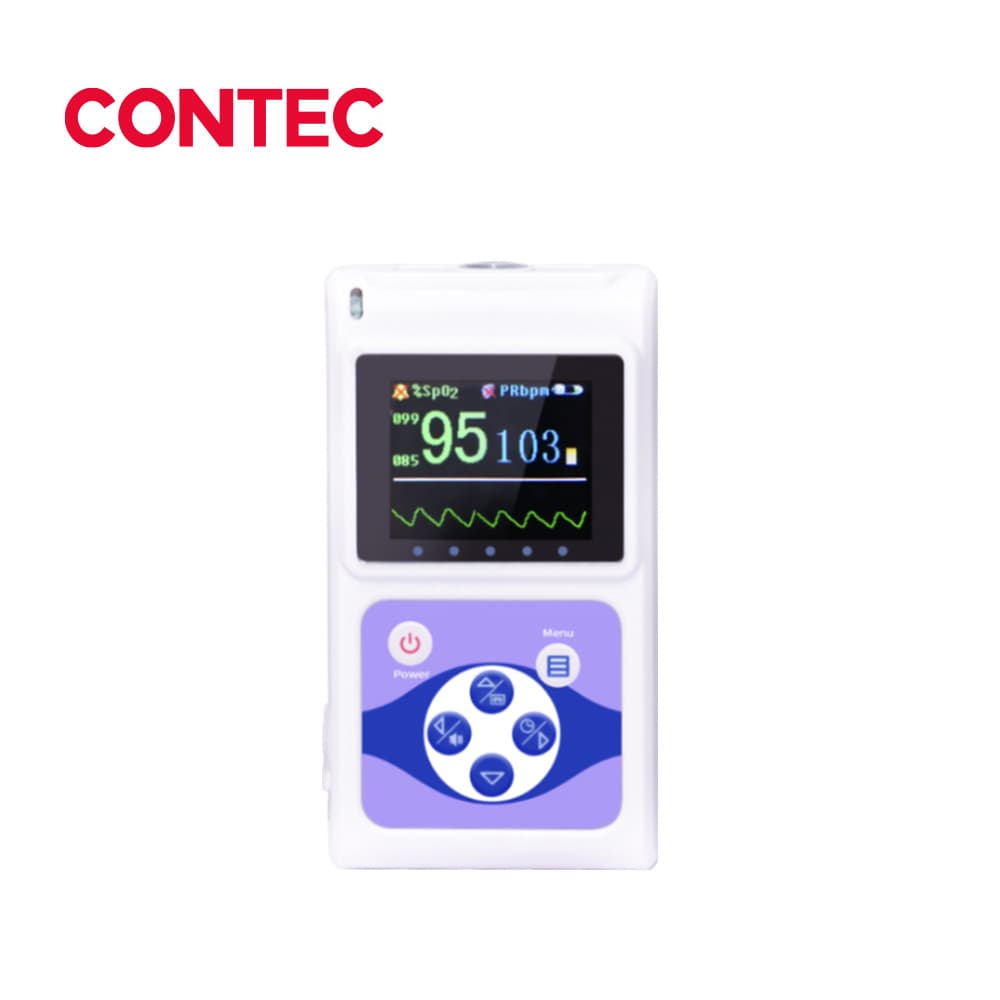
Contec CMS60D Handheld Pulse Oximeter
The Contec CMS60D is the value-oriented handheld pulse oximeter, offering basic SpO2 and pulse rate monitoring in a compact, inexpensive package suited for home use and large-volume procurement. It sacrifices the advanced signal processing, certifications and robustness of Nonin or Masimo devices, but its low cost makes it a practical option where budget constraints outweigh the need for clinical-grade performance.
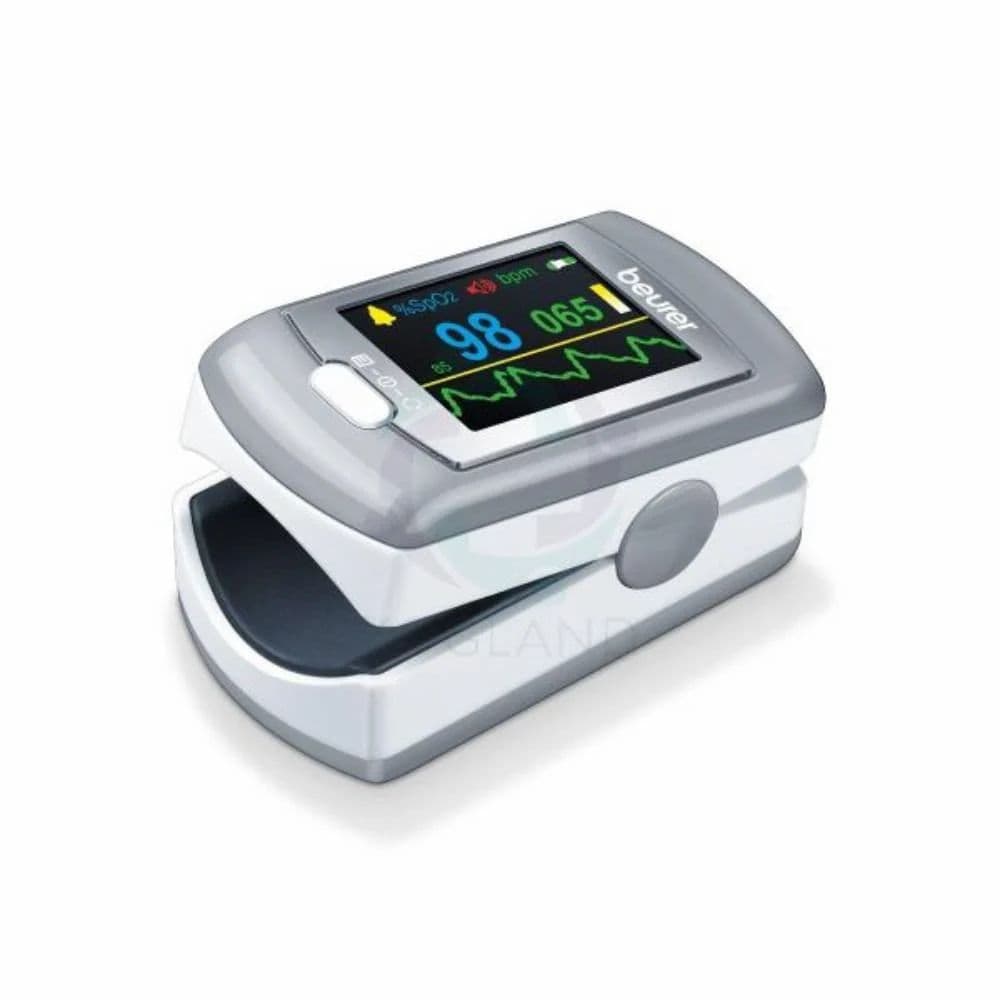
Beurer PO 80 Pulse Oximeter
The Beurer PO 80 targets consumer handheld pulse oximeter buyers with an easy-to-read display, ergonomic design and affordable pricing that improves the user experience over many bare-bones budget models. Although it delivers better polish and user friendliness than many low-cost options, it does not match the clinical certifications, motion-resistance or advanced features of premium devices from Nonin or Masimo.
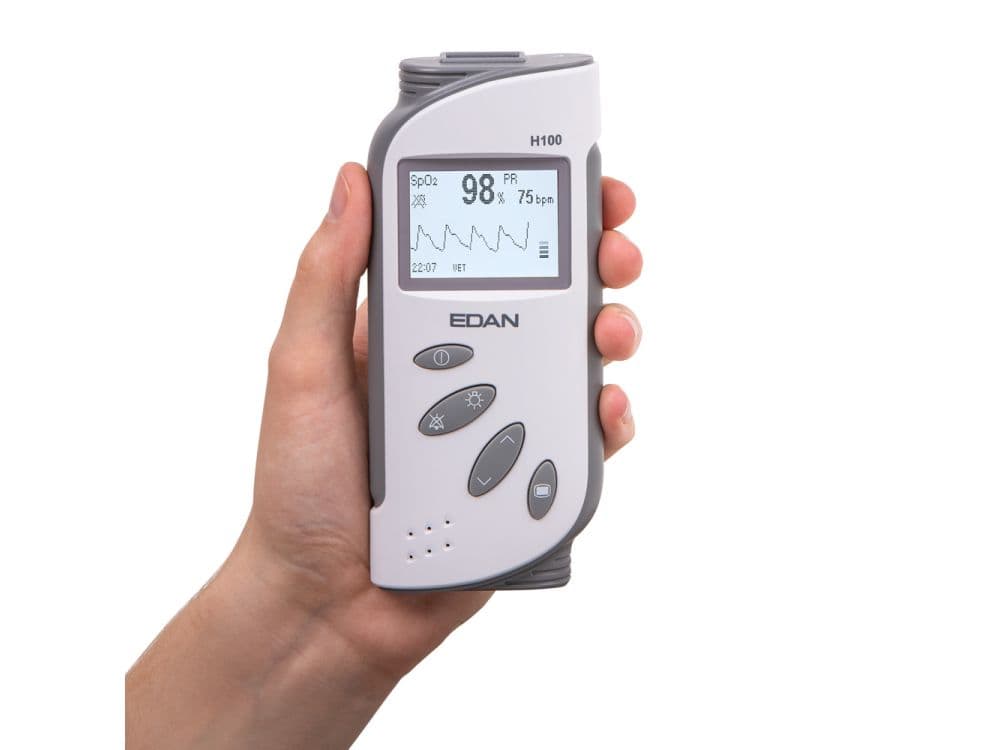
Edan H100B Handheld Pulse Oximeter
The Edan H100B is a clinically oriented handheld pulse oximeter that balances professional features—such as trend storage, rechargeable battery and a clear display—with competitive pricing, making it a strong mid-market choice for clinics and field teams. It generally offers more clinical functionality and accuracy than consumer brands like Beurer and Contec, and serves as a cost-effective alternative to higher-priced Nonin or Masimo models for facilities that need clinical features without the top-tier premium.
What the Research Says About Pulse Oximetry
Pulse oximetry is a non-invasive method that estimates arterial oxygen saturation (SpO2) and pulse rate by measuring light absorption in perfused tissue. A substantial body of clinical research and device testing supports its use for continuous monitoring, early detection of hypoxaemia and triage in acute care. Research highlights both the strengths and limitations of pulse oximeters and explains why clinical context matters when interpreting readings. For consumers, understanding the basics of accuracy, limitations in low perfusion or movement, and potential biases helps select and use the right handheld oximeter.
Accuracy in stable conditions: Peer reviewed research and device testing commonly find that modern, clinically validated pulse oximeters are typically accurate to within about two to three percentage points for SpO2 under stable, well perfused conditions.
Effect of skin pigmentation: Multiple studies and reviews have documented that some pulse oximeters can overestimate oxygen saturation in people with darker skin pigmentation, which has led to calls for improved device testing and adjusted clinical awareness.
Impact of perfusion and motion: Low peripheral perfusion and patient movement can reduce accuracy. Devices that use advanced signal processing and motion tolerance technology, such as some Masimo and Nonin models, tend to perform better in these situations.
Clinical utility and remote monitoring: Systematic reviews and NHS guidance on remote monitoring during respiratory illness show that pulse oximetry can assist timely escalation of care when combined with symptom assessment and clinical pathways.
Regulation and testing: Devices cleared by regulatory bodies and validated in clinical studies provide greater assurance of performance. Look for models with published validation data or recognised clinical use in UK hospitals.
Frequently Asked Questions
Which handheld pulse oximeter is best for clinical field use?
The Nonin 9550 Onyx II is the recommended choice for clinical and field use due to its proven accuracy, rugged construction, and FDA clearance. It is a highly trusted, cost-effective option for routine monitoring in hospital or ambulance settings.
Does the Masimo Rad-5v work during patient movement?
The Masimo Rad-5v features proprietary SET signal processing that delivers reliable accuracy during motion and low perfusion. This capability makes it particularly effective for emergency transport and high-acuity clinical environments where stable readings are essential.
Is the Contec CMS60D a good budget option for home use?
The Contec CMS60D is a budget-friendly, value-oriented device that provides basic SpO2 and pulse rate monitoring for home use. It is designed for simplicity and affordability, making it a practical choice for general consumer monitoring needs.
What is the average rating for the Nonin 9550 Onyx II?
The Nonin 9550 Onyx II holds an average rating of 4.6 out of 5. This score reflects its reputation for clinical-grade accuracy and durable build quality, which are specifically designed to withstand frequent use in demanding medical environments.
Conclusion
Handheld pulse oximeters are a practical, clinically useful category that combines readable displays with robust monitoring features suitable for UK hospitals, clinics and home care. The five products featured here — Nonin 9550 Onyx II Digital Handheld Pulse Oximeter, Masimo Rad-5v Handheld Pulse Oximeter, Contec CMS60D Handheld Pulse Oximeter, Beurer PO 80 Pulse Oximeter, and Edan H100B Handheld Pulse Oximeter — each serve different needs from clinical-grade accuracy to value and portability. For most clinical users and long term reliability the Nonin 9550 Onyx II stands out as the best overall choice on this page due to its proven track record and durable design, while the Masimo Rad-5v is a top option where advanced signal processing and motion tolerance are priorities. I hope you found what you were looking for — you can refine or expand your search using the site search to compare features, prices and certification details across these and other models.