Best Medical Mixed Reality Glasses UK 2026: Top 5 for Surgery and Training
Published on Monday, 26 January 2026
Medical mixed reality glasses are wearable devices that overlay interactive 3D images, patient data and guidance onto the clinician's view in real time. In the UK these systems are increasingly adopted across teaching hospitals, surgical departments and simulation centres because they support safer, faster and better-documented care pathways. Clinicians and procurement teams prefer solutions that combine proven clinical accuracy, comfortable all-day wear, reliable hands-free controls, strong data security and straightforward integration with NHS systems and imaging archives. Cost of ownership, clinical validation and vendor support also shape buying decisions, with many trusts choosing devices that offer clear training workflows, remote collaboration features and regulatory compliance to minimise implementation risk.
Top Picks Summary
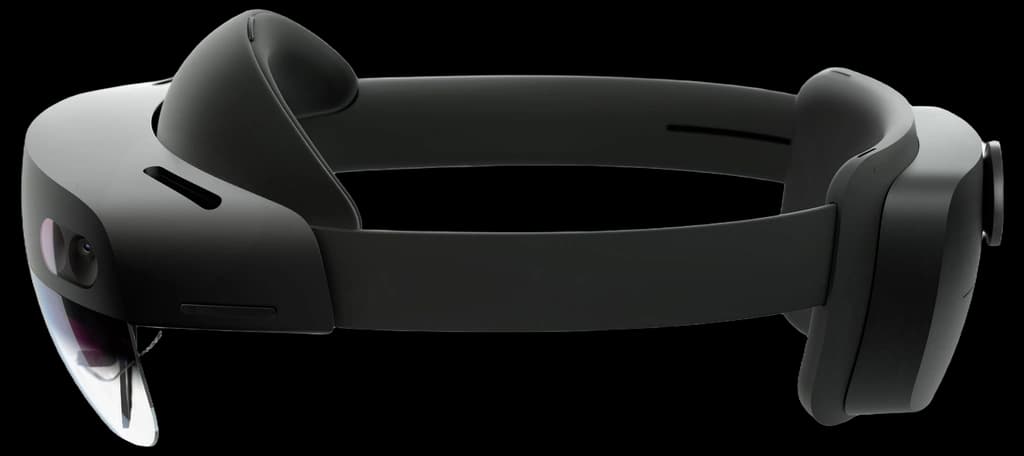
Microsoft HoloLens 2
HoloLens 2 is widely regarded as the market leader for medical mixed reality thanks to its advanced spatial mapping, reliable hand and eye tracking, and deep integration with enterprise services (including Azure) that support complex clinical imaging overlays and multiuser collaboration. Although it carries a premium price, its extensive developer ecosystem and proven deployments in surgical planning and training make it the default choice when clinical accuracy, large‑scale IT support, and long‑term software investment are priorities compared with lighter or lower‑cost alternatives on this list.
Magic Leap 2
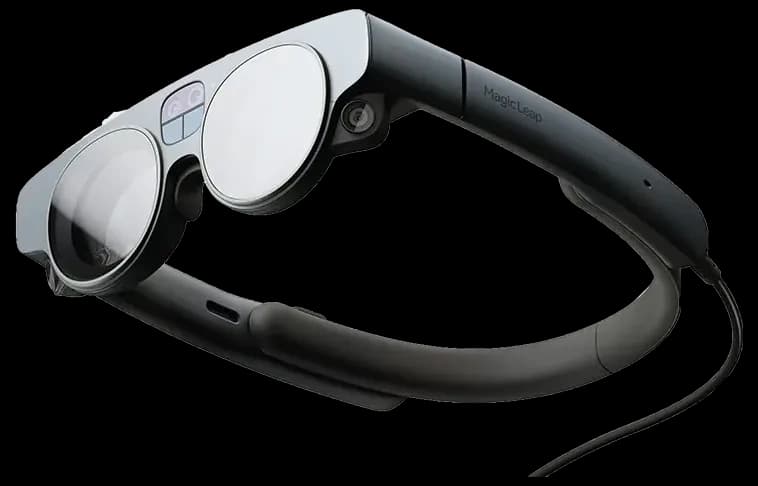
Magic Leap 2 competes as a best‑in‑class alternative focused on superior optics and ergonomics — delivering higher contrast, better HDR performance and a lighter form factor that clinicians prefer during long procedures. It often offers a more cost‑effective optical experience than HoloLens 2 for visualization tasks, making it attractive for surgical visualization and image overlay use cases, though its enterprise ecosystem remains smaller than Microsoft's.
Vuzix M400
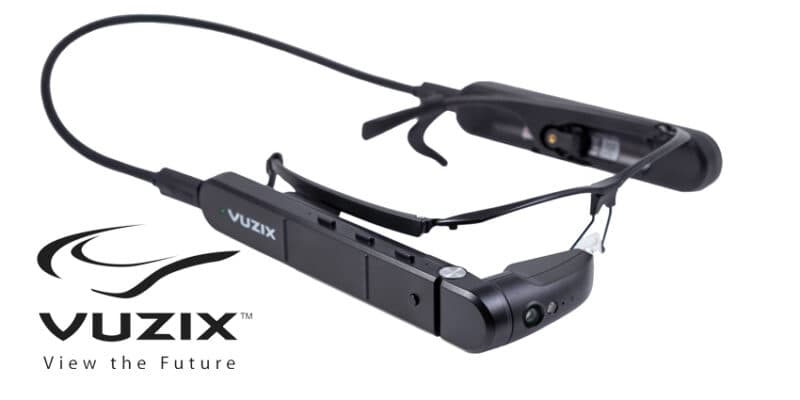
The Vuzix M400 is a compact, monocular smart‑glass that delivers hands‑free video, imaging and AR annotations at a much lower acquisition cost, making it a practical choice for telemedicine, remote consultation and routine clinical workflows. While it lacks the full spatial awareness and immersive depth mapping of the head‑mounted MR leaders, its affordability, ruggedness and long battery life provide immediate ROI for distributed clinics and frontline medical staff.
Research and Evidence: What Studies Say About Medical Mixed Reality
A growing body of clinical research, pilot projects and simulation studies supports the use of mixed reality in medical education, surgical planning and intraoperative guidance. Research typically examines task accuracy, procedure time, cognitive load, training retention and tele-mentoring effectiveness. Results are generally positive: studies report improved anatomical understanding in trainees, better situational awareness for surgeons, and effective remote collaboration between on-site teams and off-site specialists. When evaluating evidence, look for peer-reviewed trials, clinical setting results rather than only lab demos, and studies that measure patient-relevant outcomes.
Surgical planning and navigation studies show mixed reality can improve spatial understanding and decision making during complex procedures, supporting safer resections and implant placements.
Simulation and training research indicates faster skill acquisition and better retention when learners use mixed reality overlays compared with traditional 2D materials.
Tele-mentoring pilots demonstrate that live mixed reality annotations and video increase the effectiveness of remote specialist guidance and reduce the need for patient transfers.
User studies report reduced cognitive load and fewer workflow interruptions when devices provide contextual patient data and hands-free controls.
Clinical evaluations emphasise the importance of device ergonomics, sterility workflows and seamless integration with imaging and electronic health records for real-world benefit.
Frequently Asked Questions
Which medical mixed reality glasses are best for complex surgical procedures?
The Microsoft HoloLens 2 is the preferred choice for complex surgery due to its advanced spatial mapping and reliable hand and eye tracking, which currently holds an average rating of 4.7.
Does the Magic Leap 2 offer better optical clarity for anatomical overlays?
The Magic Leap 2 features high-contrast, multi-layer optics designed specifically to deliver improved clarity for detailed anatomical overlays during medical training and visualization.
Is the Vuzix M400 a cheaper option for routine clinical workflows?
The Vuzix M400 is a practical, lower-cost acquisition choice for telemedicine and routine clinical tasks, providing hands-free access to patient data and video streaming.
Which headset is most comfortable for clinicians during long medical sessions?
The Magic Leap 2 is specifically designed with a lighter form factor than many enterprise headsets to significantly reduce clinician fatigue during long sessions.
Conclusion
In the UK market for 2026, the leading medical mixed reality glasses combine clinical validation, practical ergonomics and secure integrations. The top picks featured on this page are Microsoft HoloLens 2, Magic Leap 2, Vuzix M400, RealWear Navigator 500 and ThirdEye Gen X2. For most hospital and training environments the Microsoft HoloLens 2 remains the best overall choice thanks to its broad clinical adoption, extensive software ecosystem and validated case studies. We hope you found the information you were looking for — you can refine or expand your search using the site search to compare specifications, clinical studies and procurement options.