

Best In-Store Promotional Robots in the UK 2026: Our Top 5 Picks
Published on Thursday, 13 August 2026
In-store promotional robots attract shoppers by highlighting special deals and offers. Across the UK retail market, they combine high visibility, consistent messaging, and data collection to boost product exposure and elevate the shopping experience. Retailers choose these robots to increase dwell time, guide customers to promoted products, deliver interactive product demos, and gather opt-in marketing insights while reducing repetitive tasks for store staff. Since the pandemic, UK consumer preferences have shifted towards experiential shopping, contactless interactions, and personalized service. Promotional robots meet these demands through multilingual interfaces, data-driven targeting, and reliable 24/7 availability. They are ideal for high-footfall stores, supermarket chains, consumer electronics stores, and pop-up venues where innovation, operational efficiency, and GDPR-compliant data management matter to shoppers and operators alike.
Top Picks Summary
Pepper Robot
Pepper is a proven humanoid robot designed to capture attention and deliver personality-driven in-store promotions. It benefits from a broad ecosystem of third-party applications and integrations that reduce long-term deployment costs. Holding a market-leading position for face-to-face engagement and brand-centric experiences, it offers richer expressive capabilities than wheeled alternatives such as Temi, albeit usually at a higher purchase price. For retailers seeking memorable, human-like interactions and a mature software marketplace, Pepper often delivers superior campaign impact despite the higher unit cost.

£10,000 – £20,000
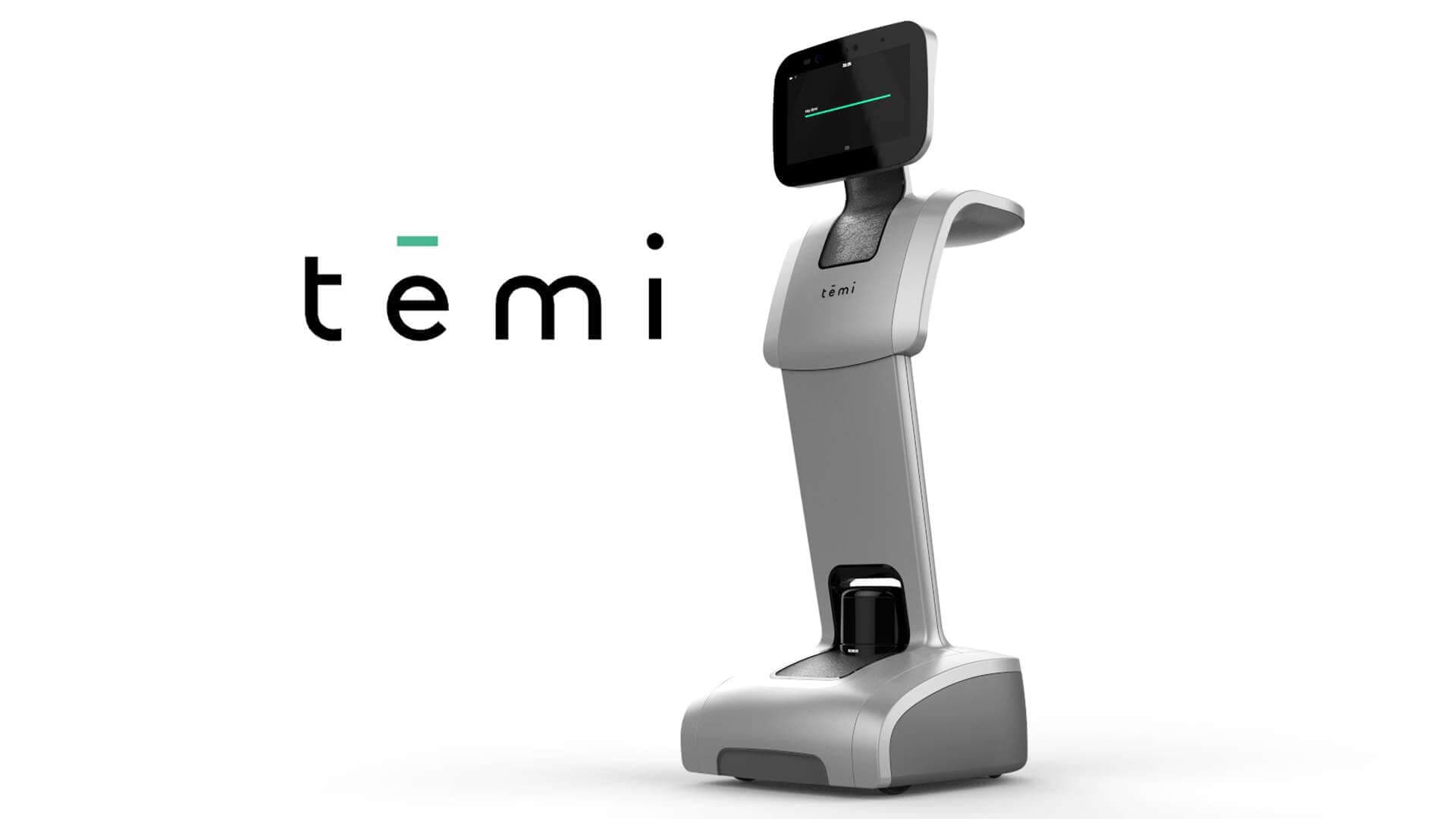
Temi robot
Temi is a mobile touchscreen assistant optimised for autonomous navigation and personalised content delivery, making it a cost-effective choice for guided promotions and aisle-to-aisle demonstrations. Compared to Pepper and Cruzr, it trades humanoid expressiveness for superior mobility and lower maintenance costs, simplifying multi-store deployment. Its balance of on-board autonomy and third-party integrations makes Temi attractive to retailers prioritising coverage and operational efficiency over theatrical interactions.
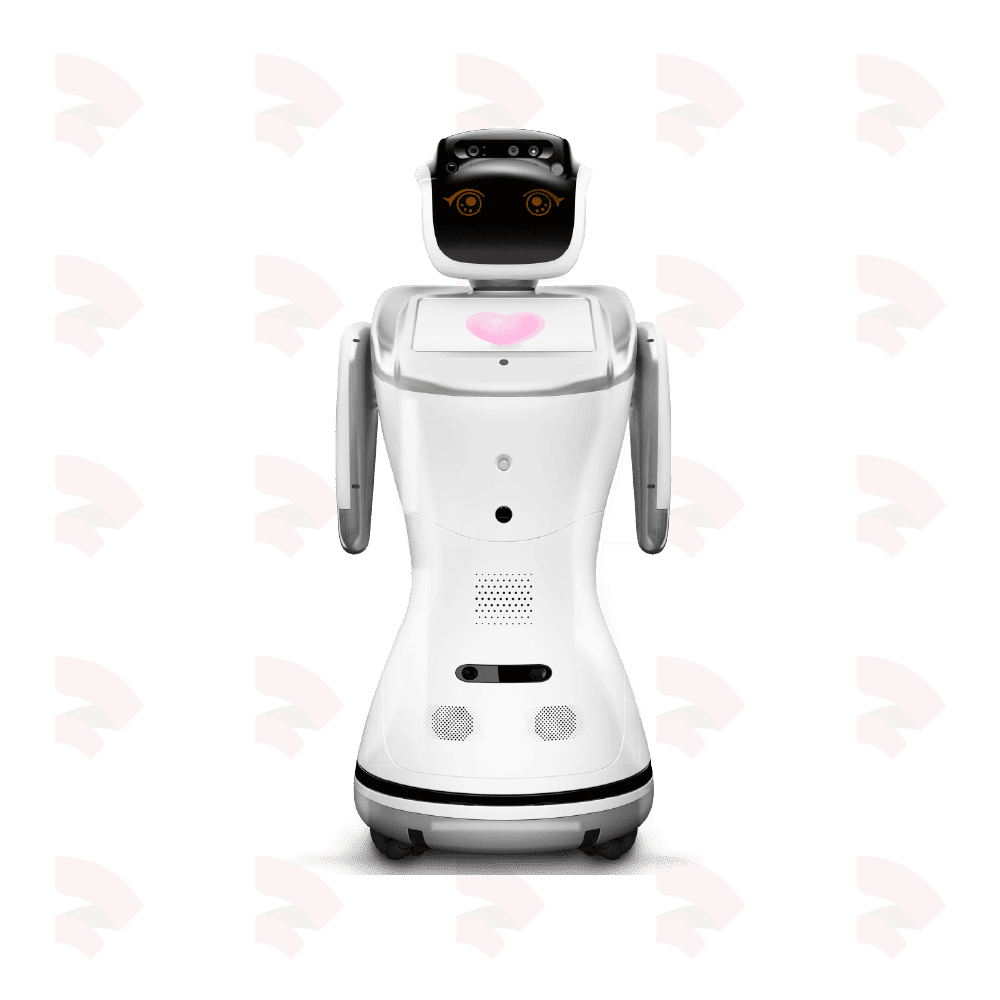
Sanbot Elf
The Sanbot Elf is a compact, cost-effective promotional robot designed for greetings, basic product info, and easy large-scale deployment. Positioned for low-cost pilots and high-volume rollouts, the Sanbot Elf has a more limited sensor suite and AI setup compared to Pepper and Cruzr. However, it beats them on purchase price and integration speed, making it an appealing option for retailers testing in-store robotics. From a financial perspective, its lower upfront investment and streamlined feature set reduce risk for chains experimenting with passive promotional scenarios.
£2,000 – £4,000
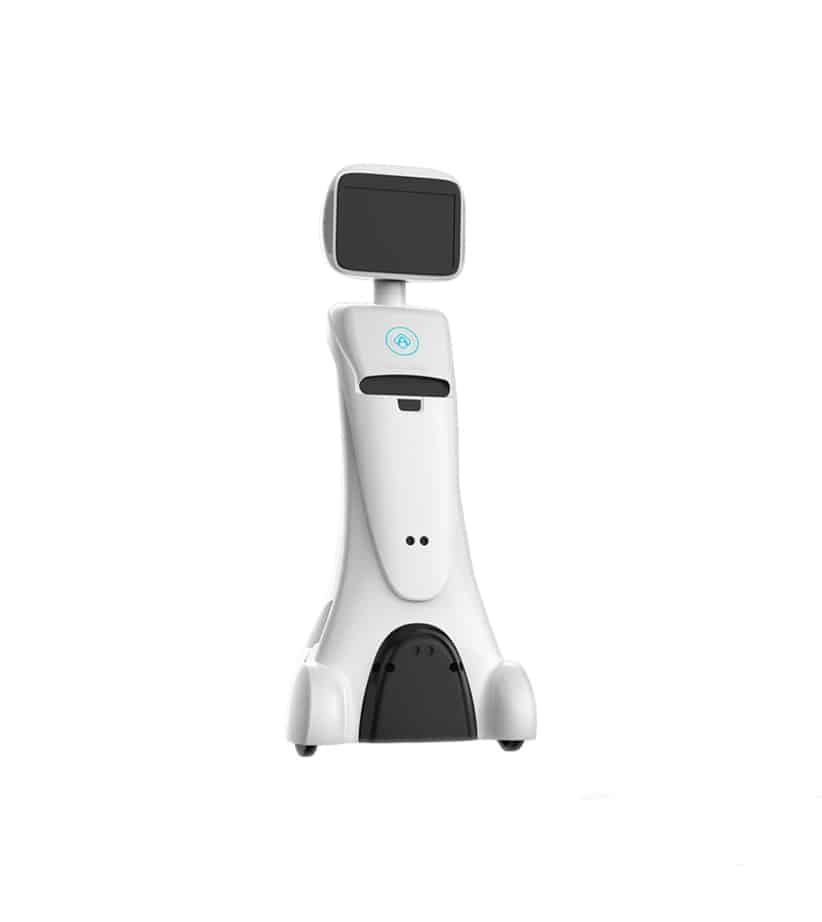
Amy M1 robot
The Amy M1 is a voice-focused concierge and receptionist robot designed for smooth conversational promotions and appointment management, prioritising natural language accuracy and analytics over physical mobility. Compared to Temi and Sanbot, the Amy M1 emphasises conversational depth and cloud reporting, enabling retailers to automate customer interactions and extract actionable campaign insights to reduce staffing costs. Its subscription-based analytics and targeted messaging features can boost ROI for stores focused on data-driven promotional optimisation.
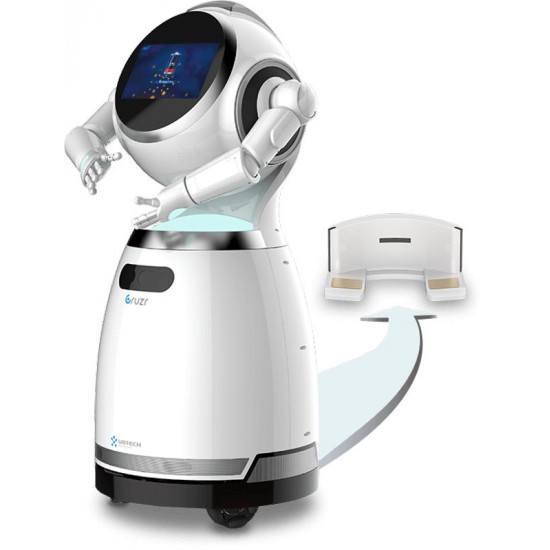
Cruzr robot
Cruzr is an enterprise-grade humanoid designed by UBTECH, offering robust SDKs, advanced on-board AI, and fleet management tools tailored for retail deployments and secure integrations. It competes with Pepper in expressiveness while focusing more on enterprise functionality and centralised management, which can reduce total cost of ownership at scale through simplified updates and security compliance. Technically advantageous thanks to a richer sensor suite and developer ecosystem, Cruzr is often selected when promotional campaigns need to be scalable, customisable, and operational reliability is a priority.
What Industry Research and Data Say About Promotional Robots
Evidence from human-robot interaction (HRI) research and retail technology reports shows that in-store robots can boost customer engagement, support staff productivity, and deliver measurable marketing insights. Field studies and deployments combine controlled experiments, A/B testing, and in-store trials to evaluate the impact on dwell time near promotional displays, conversion rates, and customer satisfaction. Industry analysis from retail consultancies also highlights how robots help address labor shortages and deliver consistent promotional messaging. Below are key insights summarizing the main findings and underlying mechanisms.
Higher engagement and dwell time: HRI research and in-store trials demonstrate that robots using movement, speech, and on-screen content attract attention and increase the time customers spend near promotional displays, which often boosts conversion rates.
Increased staff efficiency: On-site deployments show that robots handle repetitive promotional tasks and wayfinding, freeing staff for higher-value customer interactions such as sales advice or solving complex queries.
Data-driven personalization: Robots equipped with sensors and integrated CRM tools can capture opt-in customer interactions and movement patterns, enabling targeted promotions and performance metrics while complying with UK data protection regulations.
Contactless and accessibility benefits: Robots deliver contactless information sharing and uniform messaging that promote safer interactions and assist shoppers with diverse language or mobility needs.
Backed by mixed-methods evidence: These benefits are supported by peer-reviewed HRI studies, academic-industry collaborations, and sector reports on tech adoption, with results depending on task alignment, placement, and ongoing content management.
Conclusion
In the UK for 2026, in-store promotional robots remain a proven way to increase deal visibility and modernize the retail experience. The top five models to consider are Pepper Robot, Temi Robot, Sanbot Elf, Amy M1 Robot, and Cruzr Robot. For most boutique and department store use cases, Temi Robot stands out as the best overall choice thanks to its mix of autonomous navigation, on-screen promotions, and easy integration. Pepper Robot is ideal when humanoid interaction and brand personality are top priorities; Sanbot Elf and Amy M1 Robot are suitable for compact, budget-friendly deployments; and Cruzr Robot offers a robust feature set for large retailers. We hope you found what you were looking for. Refine or broaden your search using our site search tool to compare specs, pricing, and deployment case studies.