Essential Blood Pressure Monitors for Home Healthcare in Britain - Our 2025 Selection
Published on Saturday, 29 March 2025
Monitoring your blood pressure from home has become an integral part of preventative healthcare across the United Kingdom. Whether you're managing hypertension, supporting a family member's wellness routine, or simply taking charge of your cardiovascular health, selecting the right digital blood pressure monitor can make a significant difference in your daily care regimen. Modern monitors combine clinical-grade accuracy with user-friendly interfaces, allowing you to track readings effortlessly and share results with your GP when needed. The range of options available in 2025 caters to diverse needs—from straightforward automatic devices for occasional users to sophisticated connected monitors that sync with your smartphone and integrate with NHS health initiatives. This comprehensive guide examines five standout performers in the current market, each bringing distinct advantages whether you prioritise portability, advanced analytics, or multi-user functionality. We've assessed factors including measurement precision, ease of use, build quality, and value for money to help you make an informed decision that aligns with your healthcare priorities and budget constraints.
Top Picks Summary
Omron M7 Intelli IT
The Omron M7 Intelli IT earns a top spot in the UK 2025 list thanks to its combination of clinically proven cuff technology and seamless smartphone connectivity, making long-term tracking simple for patients and clinicians. It justifies a premium price over the other models by offering advanced data syncing and multiple-user memory, which is especially valuable for households or primary-care monitoring compared with more basic or budget-focused options on this list.
£70 – £100
Omron M3
The Omron M3 remains a market leader for users seeking proven accuracy and straightforward operation at a more affordable price point than Omron's Intelli IT range. While it lacks some of the wireless bells and whistles of the M7, its reliable measurements and strong brand validation deliver excellent value versus the cheaper contenders and the feature-focused German and UK models.
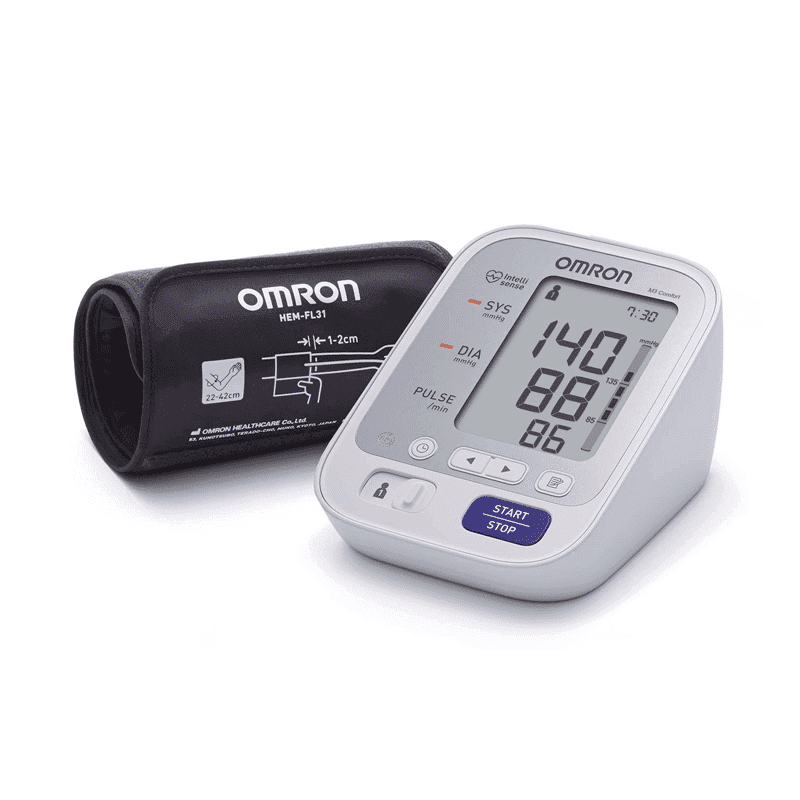
£40 – £60
Kinetik Wellbeing BPM1
The Kinetik Wellbeing BPM1 stands out in the UK market as a competitively priced, user-friendly monitor that targets budget-conscious buyers without sacrificing core accuracy for home use in 2025. Its financial advantage over premium devices makes it attractive for wide adoption, though it offers fewer advanced connectivity and multi-user features than the Omron models and less feature polish than the Beurer unit.
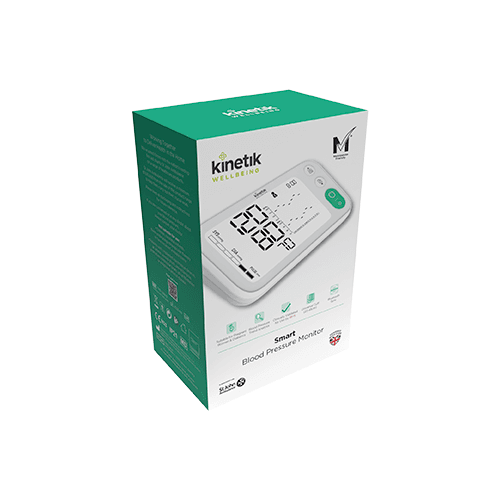
£25 – £40
Beurer BM 27
The Beurer BM 27 delivers German engineering with a clear display and intuitive interface, positioning it as a strong mid-range option in the 2025 UK ranking for users who want dependable functionality without the higher cost of top-tier connected monitors. It competes well on build quality and usability, offering a sensible trade-off between the Omron M7's connectivity and the BPM1's budget focus.

£35 – £55
Withings BPM Connect
The Withings BPM Connect is a market leader in health monitoring, combining cutting-edge technology with sleek design. It provides users with real-time blood pressure readings and automatically syncs data to the Withings Health Mate app for tracking over time. This device is distinguished by its ease of use and the ability to take measurements from the comfort of home. With its high accuracy and smart features, it is ideal for tech-savvy individuals looking to improve their health management.
£150 – £200
These five monitors represent the pinnacle of home blood pressure monitoring technology available to British consumers. Each device combines clinical accuracy certified to international standards with intuitive operation, reliability you can depend on, and features specifically valued by UK users including NHS data sharing capabilities, compact storage, and responsive customer support.
Understanding Home Blood Pressure Monitoring
Home blood pressure monitoring has transformed how British patients engage with their healthcare. Regular monitoring helps identify patterns your GP might otherwise miss, supports medication adjustment decisions, and provides objective data for medical consultations. Most experts recommend taking readings at consistent times, typically morning before medication and evening before dinner, to establish reliable baselines.
Upper arm monitors deliver greater accuracy than wrist-based devices for most users
Regular monitoring can reveal 'white coat syndrome' and provide more representative readings
Digital monitors with memory functions allow you to track trends over weeks and months
Connected monitors enable seamless data sharing with healthcare providers and family members
Consistent technique—sitting upright with feet flat, arm at heart level—ensures comparable readings
Most reliable monitors require calibration checks annually to maintain clinical accuracy
Wireless synchronisation reduces manual recording errors and simplifies health management
Frequently Asked Questions
Which blood pressure monitor is best for tracking data on smartphones?
The Omron M7 Intelli IT is the best choice for smartphone tracking because it features Bluetooth connectivity that syncs directly with the Omron Connect app for long-term health monitoring.
What is the cuff size for the Kinetik Wellbeing BPM1 monitor?
The Kinetik Wellbeing BPM1 includes a standard adult cuff that fits arm circumferences between 22 cm and 32 cm for a comfortable and accurate reading.
Is the Omron M3 cheaper than the Omron M7 Intelli IT?
Yes, the Omron M3 is positioned at a more affordable price point than the Omron M7 Intelli IT, offering reliable measurements and one-button operation without the wireless connectivity features found in the higher-priced model.
What is the average user rating for the Omron M3 monitor?
The Omron M3 holds an average user rating of 4.2, reflecting its reputation for GP-approved reliability and straightforward operation for home users.
Conclusion
Selecting an appropriate blood pressure monitor is a meaningful investment in your long-term health management. Each of the five devices featured here represents genuine quality and reliability, backed by positive user experiences across the UK. Before making your final decision, consider your specific circumstances: Do you need something portable for travel? Would wireless connectivity benefit your household? Is affordability your primary concern, or are you seeking premium features? Your GP can also provide recommendations based on your individual health profile. Once you've chosen your monitor, establish a consistent testing routine—typically morning and evening readings offer the most useful data for healthcare professionals. Remember that home monitoring complements rather than replaces professional healthcare assessments. Take time to explore each product's specifications using our detailed comparisons, and don't hesitate to check customer reviews from British users who share similar requirements. We're confident you'll find the ideal solution to support your cardiovascular wellness journey throughout 2025 and beyond.