Best Paediatric Blood Pressure Monitors in the UK 2025 | Expert Reviews & Buying Guide
Published on Saturday, 29 March 2025
Accurate blood pressure monitoring in children is a cornerstone of modern paediatric care across the United Kingdom. Paediatric blood pressure monitors are sophisticated medical devices engineered to accommodate the unique physiological needs of younger patients, delivering precise readings that healthcare professionals and parents can rely upon. Whether your child requires routine screening or ongoing management of cardiovascular conditions, selecting the right monitor is paramount. The NHS emphasises the importance of early detection and consistent monitoring in children presenting with risk factors for hypertension or those with pre-existing heart conditions. In 2025, the market offers an impressive range of paediatric-specific monitors that combine clinical accuracy with user-friendly interfaces, making home monitoring more accessible than ever. These devices have become indispensable across GP surgeries, paediatric wards, and family homes throughout Britain, enabling timely interventions and better long-term health outcomes. Our comprehensive guide examines five leading paediatric blood pressure monitors currently available in the UK market, helping parents and healthcare providers make informed decisions based on clinical performance, reliability, and value for money.
Top Picks Summary
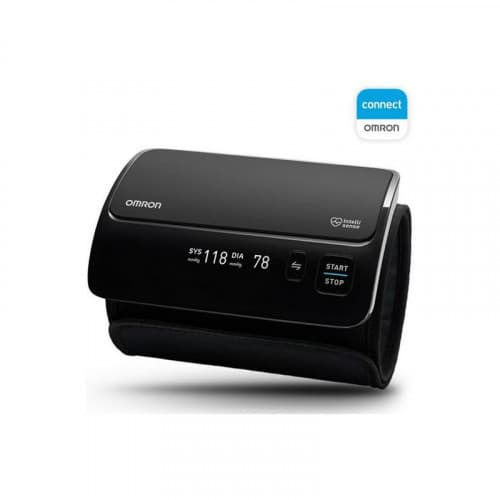
Omron Evolv (HEM-7600T-E)
Omron Evolv earns a best-in-class spot for 2025 by combining a single-unit, cuff-and-device-in-one design with reliable Bluetooth syncing and an easy app, making it especially convenient for busy UK families monitoring children. It commands a premium price compared with value-focused brands on this list but delivers superior connectivity and compactness versus bulkier models like the M7 and clinical units such as the Welch Allyn 1700. Its gentle inflation and range of cuff sizes make it particularly well suited for pediatric use while offering the technical polish parents expect from a flagship Omron device.
£90 – £130
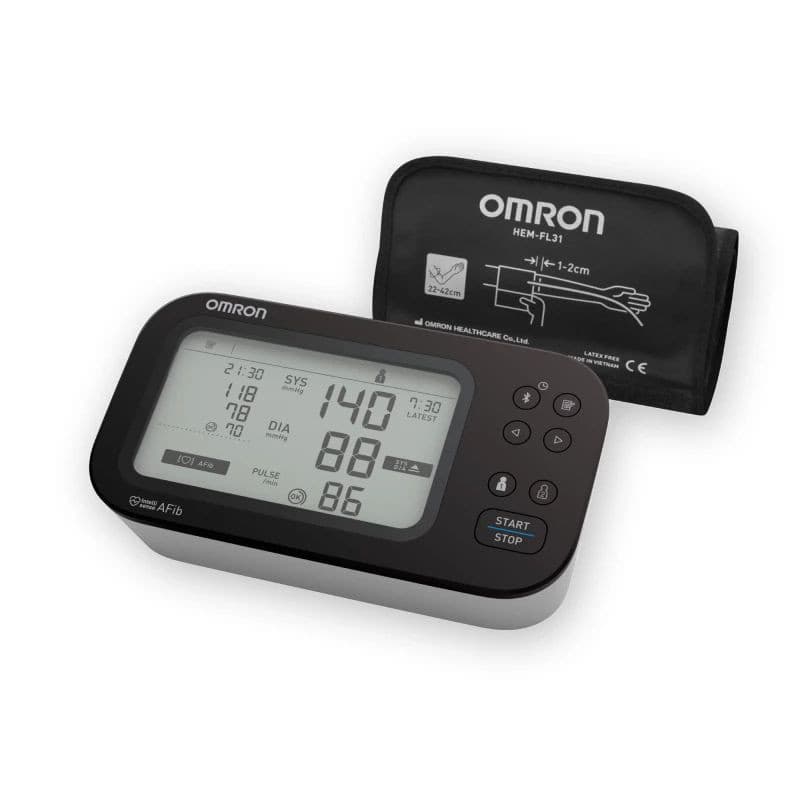
Omron M7 Intelli IT (HEM-7322T-E)
The Omron M7 Intelli IT remains a market-leading choice thanks to proven measurement algorithms, dual-user memory and solid build quality at a lower street price than the Evolv, appealing to families who prioritise accuracy without the highest-end form factor. Compared with next-tier value models like Kinetik and Beurer, the M7 balances affordability and clinical-grade performance, though it is bulkier and less seamless in wireless integration than the Evolv. For pediatric monitoring it offers reliable readings and broader availability across UK pharmacies and clinics.
Welch Allyn Home 1700 Series
Welch Allyn Home 1700 scores as the professional-leaning option, bringing clinic-style measurement stability and durable construction to the home — a plus for caregivers who want near-clinical performance for paediatric follow-up. It typically sits at a higher price point than consumer brands here but justifies that with robust components and consistent results; however it lags behind Omron Evolv on pocketable convenience and mobile app polish. Families needing hospital-grade reliability for routine child monitoring will value its consistency versus cheaper, less-validated alternatives.
Kinetik Wellbeing Advanced BPM
Kinetik Wellbeing's Advanced BPM represents strong value for UK households, pairing pediatric-friendly cuff options and Bluetooth features at a markedly lower cost than Omron and Welch Allyn models. While it does not carry the same long clinical track record as the Japanese or Swiss manufacturers on this list, it outcompetes Beurer and some A&D models on price-to-features and is a practical choice for budget-conscious parents who still want app-based tracking. Its local UK distribution also makes replacement cuffs and support straightforward for pediatric monitoring needs.
A&D Medical UA-651BLE
A&D Medical's UA-651BLE is a dependable mid-range option combining Japanese engineering with Bluetooth sync and long battery life, offering clear displays that are helpful for quick pediatric checks. It typically undercuts premium Omron and Microlife prices while providing more modern connectivity than basic Beurer units, though its cuff-size range can be narrower than specialist pediatric-focused models. For families seeking a reliable, reasonably priced monitor with wireless data transfer, the UA-651BLE is a strong contender.
Beurer BM 27
The Beurer BM 27 is a compact, budget-friendly monitor from Germany that appeals to households needing an inexpensive, straightforward device for occasional child BP checks. It is generally the most affordable on this list and trades off advanced connectivity and clinical extras — found on Omron, Microlife and Welch Allyn devices — for simplicity and comfort, making it suitable as a secondary or travel monitor. Parents who prioritise low cost and ease of use will find the BM 27 practical, while those needing clinic-grade data may prefer other models.

£25 – £45
Microlife BP A6 PC
Microlife BP A6 PC stands out for its Swiss-engineered measurement algorithms and PC connectivity, offering data export and irregular-beat detection that can be valuable when paediatric readings need to be reviewed by clinicians. It occupies a mid-to-upper price band between value brands and hospital-grade monitors, providing a compelling balance of advanced features compared with basic Beurer or Kinetik units and often fewer cosmetic conveniences than the Evolv. Families who want exportable, clinically oriented data for GP appointments will appreciate the A6 PC's strengths in home-to-clinic workflows.

Paediatric blood pressure monitors in 2025 feature advanced oscillometric technology, adjustable cuff sizes for growing children, memory functions for trend tracking, Bluetooth connectivity for NHS-compatible apps, rapid measurement times under 60 seconds, and clinically validated algorithms meeting British and European medical standards.
Understanding the Importance of Pediatric Blood Pressure Monitors
Pediatric blood pressure monitors play a critical role in the healthcare of children, especially those at risk for cardiovascular issues. Here are key insights and benefits:
Children's blood pressure varies significantly by age, height, and weight, making specialized monitors crucial for accurate readings.
Research indicates that early detection of hypertension in children can reduce long-term health risks, including heart disease.
Easy-to-use designs and pediatric-friendly features in modern monitors enhance compliance and engagement for young patients.
Studies suggest that monitoring blood pressure regularly can lead to timely interventions and better overall health outcomes for children.
Pediatric monitors often employ automated measurement techniques that reduce anxiety and discomfort for children during examinations.
Parents and healthcare providers express higher satisfaction and trust in monitors specifically designed for the pediatric population, resulting in better monitoring habits.
Frequently Asked Questions
Which paediatric monitor is best for busy UK parents?
Choose the Omron Evolv (HEM-7600T-E): it uses an all-in-one wireless cuff-and-device design for single-step measurements, plus Bluetooth syncing with Omron Connect for automatic logging, and has an average rating of 4.6.
Does the Omron Evolv (HEM-7600T-E) include Bluetooth syncing?
Yes—Omron Evolv (HEM-7600T-E) includes Bluetooth syncing with Omron Connect for automatic logging and sharing with clinicians, and it’s rated 4.6.
How does the Omron M7 Intelli IT price compare?
The Omron M7 Intelli IT (HEM-7322T-E) is described as having a lower street price than the Omron Evolv, while still offering IntelliSense cuff technology and wireless data transfer; its average rating is 4.2.
Is the Welch Allyn Home 1700 Series built for home durability?
Yes—the Welch Allyn Home 1700 Series is described as durable, with clinic-style measurement stability and one-button operation; it has an average rating of 4.4.
Conclusion
Investing in a quality paediatric blood pressure monitor represents a meaningful step towards safeguarding your child's cardiovascular health. The five monitors featured in this guide have been selected based on their clinical efficacy, ease of use, and suitability for the British healthcare context. Each device offers distinct advantages, whether you prioritise hospital-grade accuracy, portability for frequent travel, or straightforward home use. When selecting a monitor, consider your child's age, any specific clinical requirements, and whether you'll need NHS integration or compatibility with your GP's systems. We recommend consulting with your child's healthcare provider to determine which monitor best suits your family's needs. By taking an active role in monitoring your child's blood pressure, you're contributing to better health literacy and early disease prevention. Should you require further information about any of these monitors or have additional healthcare queries, our search function provides access to extensive resources. Thank you for prioritising your child's wellbeing with evidence-based monitoring practices.