Top 5 Algae Omega Supplements in the UK — 2026 Guide
Published on Thursday, 1 January 2026
Plant-based omega-3s from algae have become a go-to choice for many people across the UK who want DHA and EPA without eating fish. Whether you follow a vegan diet, have a seafood allergy, or want to reduce pressure on wild fish stocks, algal oil is grown from microalgae in controlled tanks rather than harvested at sea. This 2026 UK guide compares five widely-sold omega-3 supplements on potency, purity, capsule type, third-party testing and value. Three are genuinely algae-derived: Vegetology Opti3 (300 mg EPA and 500 mg DHA per two capsules), Bare Biology's vegan algae omega-3, and Minami VeganDHA (250 mg DHA per softgel). Two are fish oils kept in as potency benchmarks — Nordic Naturals Ultimate Omega, from wild-caught anchovy and sardine, and Wiley's Finest Peak EPA, from wild Alaskan pollock. They are useful if you want to see how algal doses compare against the strongest marine options, but neither is vegan. UK shoppers usually care about clear EPA/DHA amounts per serving, vegan certification, evidence of contaminant testing, and cost per effective dose rather than cost per bottle.
Top Picks Summary
Nordic Naturals Ultimate Omega
Nordic Naturals Ultimate Omega is a fish oil, not an algal one: the oil comes from wild-caught anchovies and sardines, so it is not suitable for vegans or anyone avoiding fish. It sits on this page as a potency benchmark — two soft gels supply 1,280 mg of total omega-3s in triglyceride form, more than a single dose of most algal capsules delivers. If you need a plant-based option, Vegetology Opti3 or Minami VeganDHA are the relevant picks here.

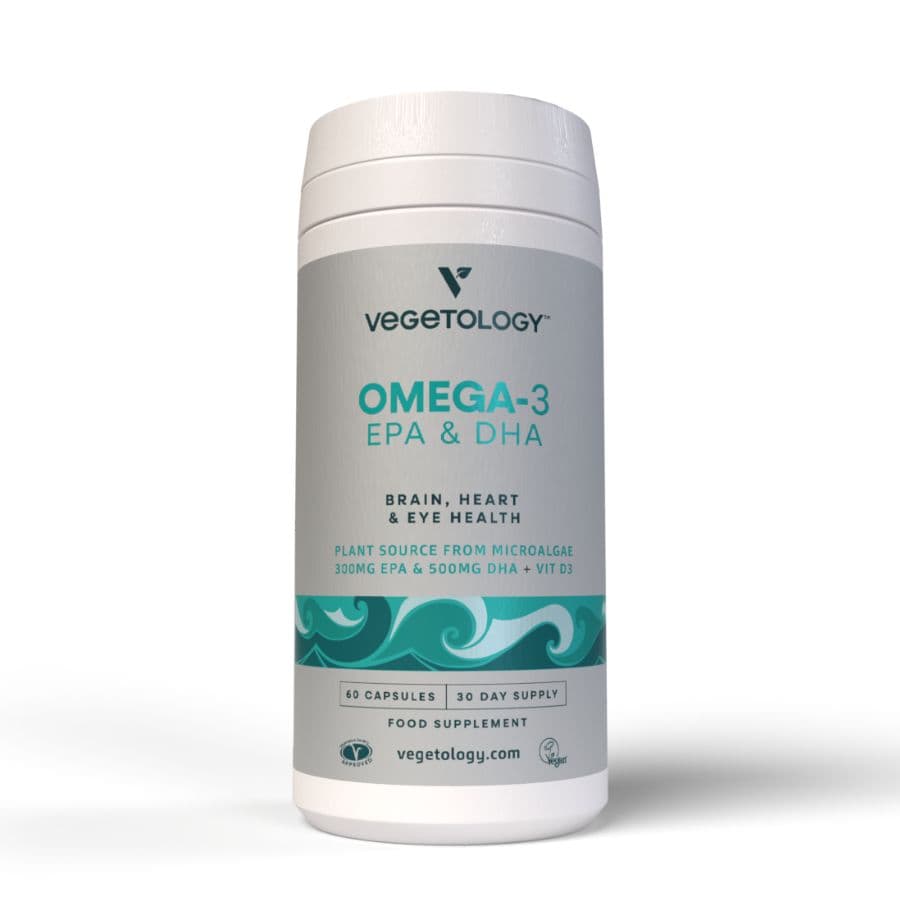
Vegetology Opti3 Omega-3 EPA & DHA
Vegetology Opti3 is the most complete vegan option on this page: a two-capsule daily dose gives 300 mg EPA and 500 mg DHA from microalgae — 912 mg of total omega-3 — plus 5 µg (200 IU) of vegan vitamin D3. Against Minami VeganDHA, which is DHA-dominant, Opti3 is the one to pick if you want both fatty acids from a single product. Against the fish oils listed here it trades some absolute potency for a plant-based source and no fish allergens.
Bare Biology Life & Soul Vegan Omega-3
Bare Biology Life & Soul ranks highly for delivering high-dose algal omega-3 in a palatable, low-odour format while using a direct-to-consumer model and subscription pricing to offer attractive value per mg. Where Minami and Wiley’s Finest focus on extreme concentration or EPA specialization, Bare Biology’s strength is combining potency with convenience and competitive ongoing cost for UK subscribers.
£20 – £35
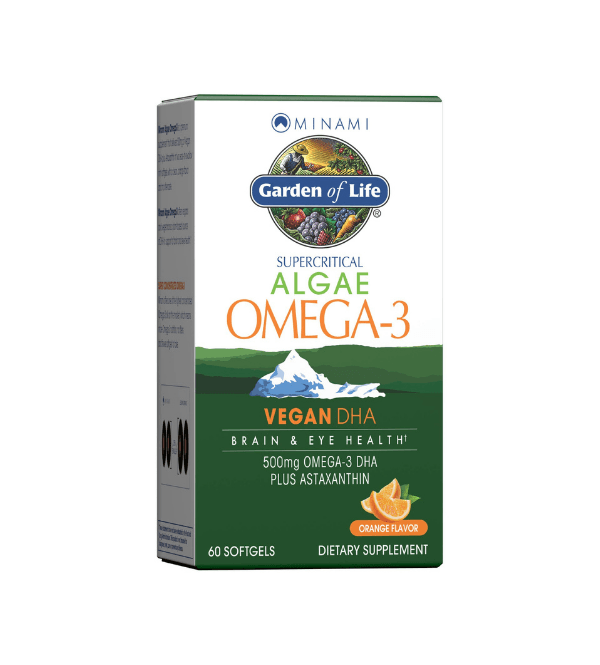
Minami VeganDHA
Minami VeganDHA is the concentrated-DHA option on this page: one small softgel supplies 250 mg of algal DHA plus astaxanthin, so the daily pill burden is low. It is DHA-dominant in practice, which makes it a weak single-product choice if you also want meaningful EPA — Vegetology Opti3 covers both. It sits at the premium end of the UK vegan omega-3 shelf, so judge it on cost per mg of DHA rather than pack price.
£25 – £40
Wiley's Finest Peak EPA
Wiley's Finest Peak EPA is a fish oil, not an algal one: the oil is from wild Alaskan pollock, and one softgel supplies 750 mg EPA with 250 mg DHA. It is on this page as the high-EPA marine benchmark — no vegan algal capsule listed here comes close on EPA per softgel — but it is not suitable for vegans or anyone avoiding fish. Treat it as the yardstick you compare the algal options against, not as an algae pick.

Plant-derived DHA + EPA, vegan capsule formulations, third-party purity testing, low odour/no fishy aftertaste, and competitive pricing with subscription options for UK shoppers.
Understanding Algae Omega Supplements
Algal oil is the plant-based route to the long-chain omega-3s EPA and DHA. Here is what actually matters when you compare products:
1. Algal oil is grown in controlled tanks rather than harvested at sea, so it starts from a lower contaminant load than most fish oil. Reputable brands still publish third-party purity and oxidation results — look for the certificate of analysis rather than a generic "pure" claim.
2. EPA and DHA contribute to the normal function of the heart at a daily intake of 250 mg. That is the benchmark most algal capsules are dosed against.
3. DHA contributes to the maintenance of normal brain function and of normal vision, also at a daily intake of 250 mg.
4. Growing microalgae in fermentation tanks does not draw on wild fish stocks, which is why algal oil is often chosen on sustainability grounds.
5. Because algal oil contains no fish protein, it suits people avoiding fish for dietary, ethical or allergy reasons.
6. Check whether a product supplies both EPA and DHA or DHA only — several algal products are DHA-dominant, so read the per-serving split, not just the total omega-3 figure.
7. Food supplements are not medicines and do not treat, prevent or cure any condition. If you are pregnant, breastfeeding or taking anticoagulant medication, speak to a GP or pharmacist first.
Frequently Asked Questions
Which supplements on this page are actually algae-derived?
Three of the five. Vegetology Opti3, Bare Biology's vegan omega-3 and Minami VeganDHA all use oil from marine microalgae. Nordic Naturals Ultimate Omega (wild-caught anchovy and sardine) and Wiley's Finest Peak EPA (wild Alaskan pollock) are fish oils, included here as potency benchmarks rather than vegan options.
How much EPA and DHA does Vegetology Opti3 provide?
A daily dose of two capsules gives 300 mg EPA and 500 mg DHA — 912 mg of total omega-3 — plus 5 µg (200 IU) of vegan vitamin D3. The oil is from microalgae, so it is suitable for vegans and vegetarians.
How much omega-3 should I take per day?
GB and EU authorised claims are based on 250 mg of EPA plus DHA per day for normal heart, brain and vision function. Most of the algal products here reach that in one or two capsules. Higher intakes are used for blood-pressure and triglyceride claims (3 g and 2 g per day respectively), which is well above a standard capsule dose.
How much DHA is in Minami VeganDHA?
One softgel supplies 250 mg of algal DHA, together with astaxanthin from the freshwater microalga Haematococcus pluvialis. It is DHA-dominant rather than balanced, so pair it with an EPA source if you want both fatty acids.
Conclusion
Choosing an algae omega supplement in the UK comes down to three simple checks: confirm the combined DHA+EPA per daily dose, ensure the capsules are vegan-friendly if that matters to you, and look for independent testing or quality seals. For 2026 many people are swapping fish-based oils for algae-based ones with a lower impact on wild fish stocks and clearer labelling. If you have specific health conditions, are pregnant, breastfeeding or taking medication, check with a GP or a registered dietitian before starting any new supplement. Ready to compare prices and read user reviews? Head to your preferred UK retailer—high-street health shops, major online sellers, or brand websites—and use the product names in this guide to find the best current deals and delivery options. Make sure to compare cost per effective dose rather than pack size, and consider subscribing for discounts if you plan to take your algae omega long-term.