EPA in the UK — 2026 Guide (Top 5 Options)
Published on Monday, 26 January 2026
EPA (eicosapentaenoic acid) is a long-chain omega-3 fatty acid found mainly in oily fish, fish oil, krill oil and some algal supplements. In the UK market it attracts interest from people focused on heart health, inflammation control, sports recovery and mood support. Consumers choose EPA products for clear labelling of EPA content, verified purity, sustainable sourcing and convenient dosing; demand also reflects growing interest in vegan algal alternatives, third-party testing and combined formulations with vitamin D or DHA. Regulatory guidance and consumer awareness of contaminants and sustainability shape purchasing decisions, while personalised nutrition trends and high-dose prescription formulations have raised awareness of EPA-specific benefits.
Top Picks Summary
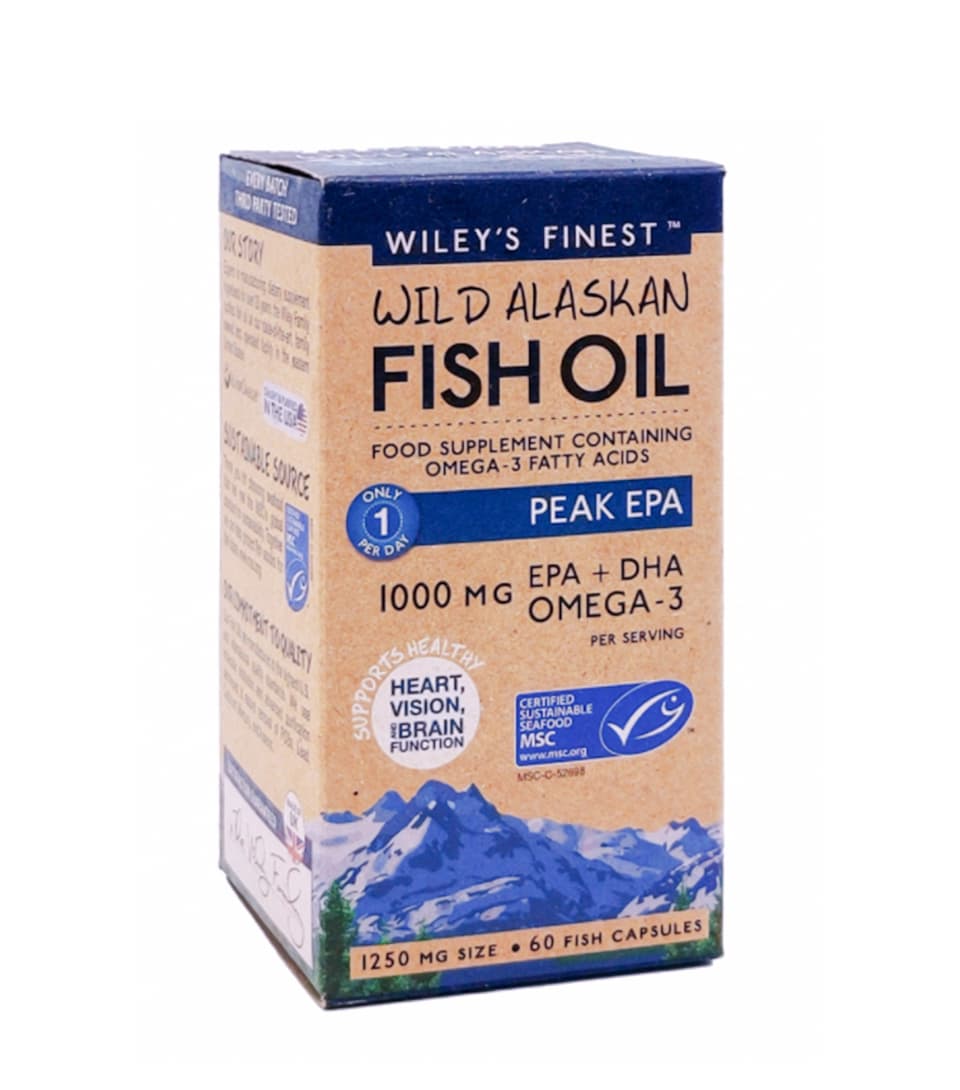
Wiley's Finest Wild Alaskan Fish Oil Peak EPA
Wiley's Finest Wild Alaskan Fish Oil Peak EPA is positioned as a high-EPA, sustainably sourced option that leverages wild-caught Alaskan fisheries and a natural oil matrix to deliver EPA for users focused on targeted EPA support. It stands out against chemically concentrated rivals by emphasizing whole-oil quality and sustainability, giving it a cost-effective profile for consumers who want strong EPA content without paying the premium of lab-concentrated concentrates like Minami. For the EPA use case this makes it a practical middle ground between value and responsible sourcing.
What the research says about EPA
Scientific studies show that EPA contributes to changes in blood lipids and inflammatory markers and has been evaluated for cardiovascular risk reduction and mood outcomes. Evidence varies by population, dose and formulation: high-dose, prescription-grade EPA has shown clear benefits in specific high-risk groups, while population-level effects from over-the-counter supplements are more mixed. Research supports choosing high-quality, tested products and discussing use with a healthcare professional when treating medical conditions.
High-dose EPA (prescription icosapent ethyl) reduced major cardiovascular events in the REDUCE-IT trial in selected high-risk patients.
EPA and EPA-rich formulations lower blood triglycerides; the magnitude depends on dose and baseline triglyceride levels.
Meta-analyses show mixed cardiovascular outcomes for general populations taking standard supplement doses, so benefits are not uniform for everyone.
Some clinical trials link EPA-dominant supplements to improvements in depressive symptoms, particularly when EPA is provided at sufficient daily doses.
EPA influences inflammatory pathways and can lower markers such as CRP in some studies, which supports its role in inflammation-related concerns.
Quality matters: third-party testing helps confirm EPA content and limit contaminants such as PCBs and dioxins.
Sustainable and vegan options, like algal-derived EPA, are increasingly validated as effective alternatives to marine sources.
Frequently Asked Questions
Which EPA supplement should I choose for targeted EPA support?
Choose Wiley's Finest Wild Alaskan Fish Oil Peak EPA if you want targeted EPA support: it’s an EPA-focused formula sourced from wild Alaskan fish, in a bioavailable triglyceride form, and is molecularly distilled plus third-party tested for low heavy metals and contaminants.
What form and testing does Nutri Advanced Pure EPA use?
Nutri Advanced Pure EPA uses molecular distillation and independent batch testing for purity and safety, and it’s designed as a high-strength EPA concentrate with minimal excipients for a simple ingredient profile.
How does Nordic Naturals EPA Xtra price compare for value?
The provided product details don’t include prices for Nordic Naturals EPA Xtra, so I can’t compare value by cost-per-serving or exact cost. What’s listed is an average rating of 4.6 and triglyceride-form manufacturing.
Is Nordic Naturals EPA Xtra gentle on digestion and how rated?
Nordic Naturals EPA Xtra is manufactured in triglyceride form for improved absorption and is formulated to be gentle on digestion, with an average rating of 4.6 in the provided list.
Conclusion
EPA remains a prominent part of the UK supplement landscape in 2026, with interest driven by evidence, sustainability and personalised nutrition. We hope this guide helped you understand EPA and how shoppers choose products in the UK. If you did not find what you were looking for, refine or broaden your search using the search box or filters to explore related omega-3 and nutrition options.