

Iron Dextran and Top Injectable Iron Options in the UK 2026
Iron dextran is an injectable form of iron used to treat moderate to severe iron deficiency anaemia when oral iron is ineffective, not tolerated, or when a rapid replenishment of iron stores is needed. In the UK it is one of several intravenous iron preparations available to hospitals and clinics. Patients and clinicians choose injectable iron like iron dextran because it delivers iron directly into the bloodstream, reduces the time to restore haemoglobin and iron stores, and avoids the gastrointestinal side effects common with oral iron. Other factors that shape consumer preference in the UK market include the ability to give large single doses with fewer clinic visits, established safety profiles, clear dosing schedules, NHS availability and procurement, and convenience for people with chronic conditions such as chronic kidney disease, heart failure, or heavy menstrual bleeding.
Inception's AI took the time to understand this market in the UK · We may earn a commission on purchases. It never affects our rankings.
Top Picks Summary
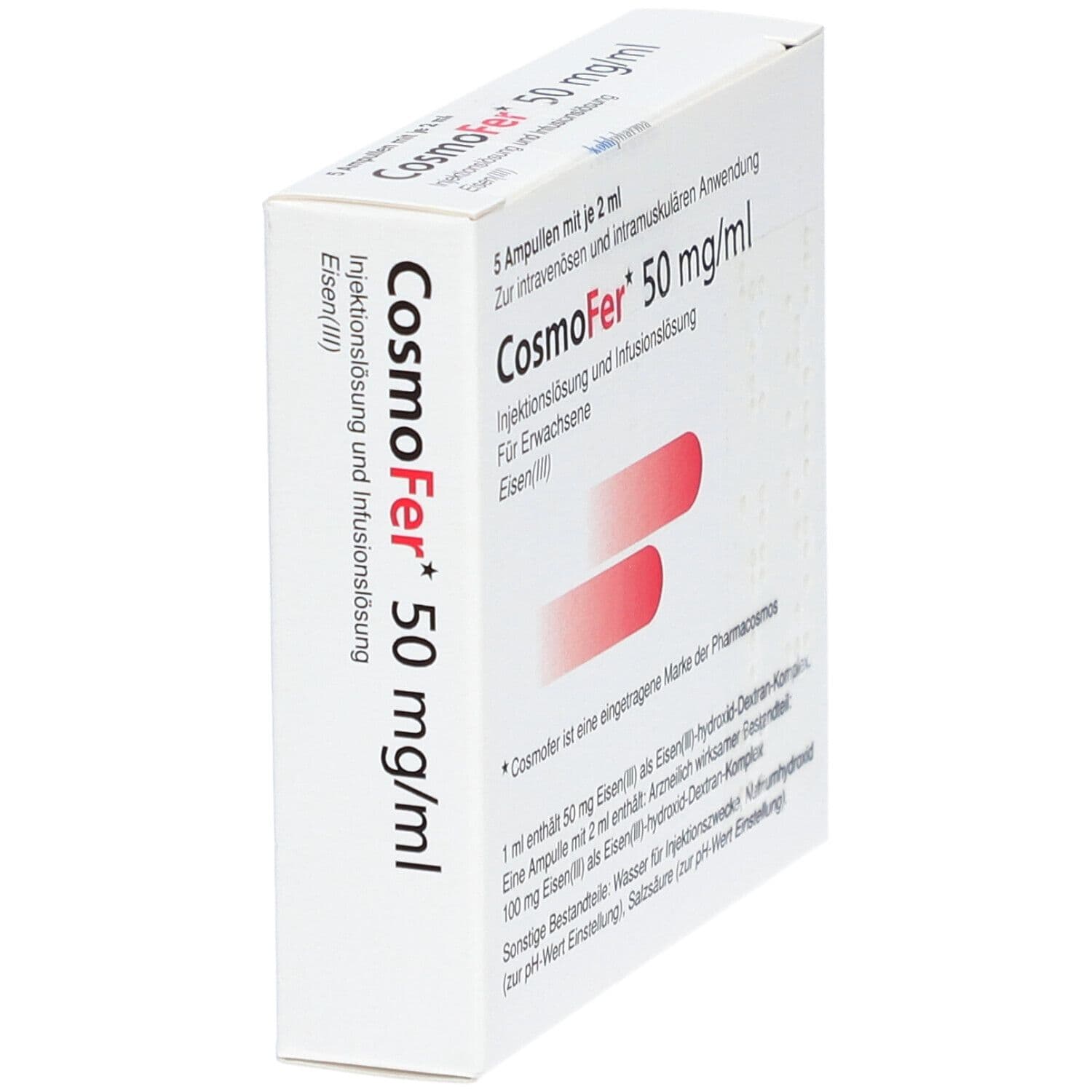
CosmoFer
CosmoFer is the classic low-molecular-weight iron dextran product and is listed here for its specific relevance to the Iron Dextran use case, offering clinicians a well-established intravenous dextran formulation. It holds its position because it represents the traditional dextran chemistry with decades of clinical and supply-chain experience, while competing products focus on non-dextran chemistries that trade dextran-specific dosing attributes for different safety or convenience profiles. Financially, CosmoFer often benefits from niche positioning and long-term hospital contracts where a dextran option remains required.
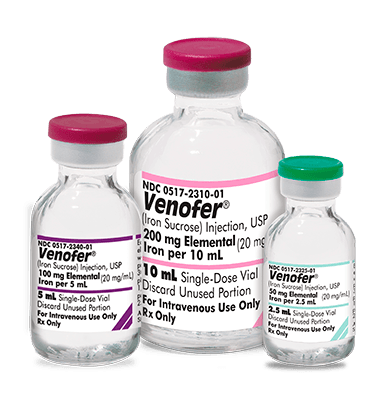
Venofer
Venofer (iron sucrose) is a long-standing, widely available IV iron product that serves as a lower-cost, well-tolerated comparator to iron dextran formulations in many formularies. It holds a strong position for institutions prioritizing cost-effectiveness and an extensive safety record, though it typically requires multiple smaller infusions compared with single‑dose ferric carboxymaltose or high‑dose isomaltoside options. Financially and operationally, Venofer often fits systems looking to optimize unit drug budget and incremental dosing logistics rather than one‑time large-dose administration.
Feraccru
Feraccru (ferric maltol) is an oral, non‑IV iron option included to provide an alternative pathway to iron repletion outside the infusion suite, making it relevant when comparing treatment strategies to iron dextran. It holds a niche position for patients who can tolerate oral therapy or for health systems aiming to avoid infusion costs, and it can offer attractive margins for manufacturers given outpatient dispensing models versus hospital-administered IV preparations. In contrast to dextran products, Feraccru trades the immediacy of IV repletion for convenience and lower administration overhead.
Research and evidence on injectable iron
Clinical research, guideline recommendations and real-world data all support using intravenous iron when oral therapy is unsuitable or too slow. Studies comparing IV iron with oral therapy consistently show faster haemoglobin recovery and improved iron stores after intravenous treatment. In specific populations such as people with chronic kidney disease, heart failure or those with severe anaemia, IV iron has been associated with symptomatic improvement and reduced need for blood transfusion. Safety monitoring is an important part of practice: allergic reactions are rare but possible, so infusions are performed under supervision in clinic settings. UK guidance and hospital protocols help clinicians select the appropriate formulation, dose and administration schedule for each patient.
Randomised trials and meta-analyses show IV iron produces faster haemoglobin increases and greater iron store repletion than oral iron in people who cannot tolerate or do not respond to oral therapy.
Clinical guidelines used in the UK recommend IV iron for patients who need rapid correction, have malabsorption or intolerance to oral iron, or are at risk of transfusion.
Comparative studies indicate different IV iron formulations offer similar effectiveness but vary in dosing convenience and infusion times, which influences clinical choice.
Adverse reactions are uncommon; standard practice includes test dosing where required, monitoring during infusion, and having emergency treatment available for hypersensitivity.
Real-world UK data highlight benefits in reducing hospital visits and transfusion rates when appropriate IV iron pathways are in place.
Frequently Asked Questions
Which injectable iron is best for rapid high-dose treatment?
Ferinject is the most suitable option for rapid high-dose replacement, holding a 4.7 average rating and allowing for the delivery of up to 1000 mg of iron in a single short infusion.
Does CosmoFer require a test dose before full administration?
CosmoFer requires a test dose and careful monitoring because the low-molecular-weight iron dextran formulation carries a risk of hypersensitivity reactions.
How does Monofer compare to iron dextran for clinic visits?
Monofer offers a flexible dosing schedule that permits large total doses in a single visit, which helps minimize the number of clinic appointments required for iron repletion.
Is Monofer safer than other options regarding hypophosphataemia?
Monofer is associated with generally low rates of hypophosphataemia and maintains an established safety profile, contrasting with Ferinject, which is known to cause transient hypophosphataemia in some patients.
Conclusion
Choosing the right iron therapy in the UK depends on individual needs, clinical context and local availability. The main products considered here are CosmoFer, Ferinject, Monofer, Venofer and Feraccru. CosmoFer is the traditional iron dextran option; Venofer and Monofer are popular alternatives with strong hospital use; Ferinject is widely chosen for its ability to deliver rapid, high-dose infusions with a favourable convenience profile and is often the preferred choice for many NHS services; Feraccru is an oral ferric maltol option for people who can take oral therapy but need better tolerance. We hope you found the information you were looking for. You can refine or expand your search using the site search to compare doses, administration details and current NHS availability.