

Top Passive Prosthetic Hands for 2026: Complete UK Buyer's Guide
Published on Tuesday, 3 February 2026
Selecting the right passive prosthetic hand is a deeply personal decision that extends far beyond simple functionality. For individuals across the United Kingdom seeking upper limb restoration, passive prosthetic hands represent a practical and aesthetically pleasing solution that prioritises comfort and natural appearance. Unlike their active counterparts, these devices excel at providing users with a restored silhouette whilst maintaining exceptional lightweight properties—a crucial consideration for extended daily wear. The contemporary prosthetics market in 2026 has evolved dramatically, offering British users an impressive array of options that combine cosmetic authenticity with durability and value for money. Whether you're exploring prosthetics for the first time or upgrading your existing solution, understanding the nuances between leading models can significantly impact your quality of life. This comprehensive guide examines five outstanding passive prosthetic hands that have earned recognition amongst prosthetists and users throughout the UK, highlighting their distinctive features, practical advantages, and suitability for different lifestyles. We'll walk you through what makes each option noteworthy, helping you make an informed choice that aligns with your individual circumstances and requirements.
Top Picks Summary
Ottobock Passive Hand 8K30
The Ottobock Passive Hand 8K30 earns its top spot for 2026 thanks to German engineering that prioritises long-term durability and refined socket integration, making it a reliable choice for UK clinics and users seeking a low-maintenance passive solution. While it typically carries a premium price compared with rivals on this list, its superior materials and modular service network justify the cost for patients and services that value longevity and predictable performance over cheaper short-term options.

Steeper Select Hand
The Steeper Select Hand stands out as the go-to UK-made option for balance between cosmetic realism and cost, offering excellent local support and fast fitment for NHS and private pathways in 2026. It undercuts some higher-priced international models like the Ottobock 8K30 while delivering comparable everyday functionality, making it especially attractive for UK patients who prioritise accessibility and timely aftercare.

RSLSteeper Passive Cosmetic Hand
The RSLSteeper Passive Cosmetic Hand is selected for its market-leading skin finishes and bespoke cosmetic options, ideal for users in the UK wanting the most lifelike appearance in 2026; it pairs strong aesthetic realism with competitive pricing against premium engineering-focused hands. Compared with more mechanically robust offerings like Ottobock or Hosmer, RSLSteeper trades some structural ruggedness for unmatched visual detail, which many patients and clinicians prioritise for social confidence and concealment.
Fillauer Passive Hand
The Fillauer Passive Hand is recognised for its cost-effective, modular approach and wide compatibility with third-party sockets and components, making it a pragmatic choice for UK services managing budgets in 2026. Technically straightforward and easier to source spares for than some niche cosmetic hands, Fillauer offers strong value for providers and users who need a dependable passive option without the higher upfront costs of premium European brands.
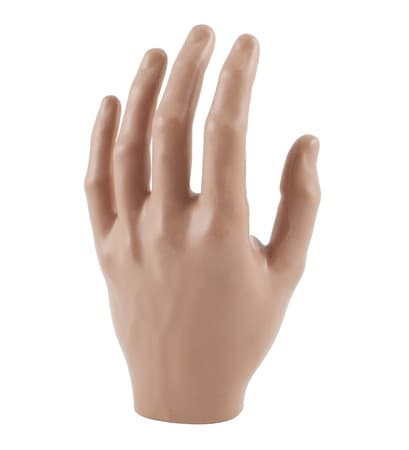
Hosmer Passive Hand
The Hosmer Passive Hand remains a market leader for proven simplicity and robustness, offering a lightweight, durable passive solution that has a long track record in clinical practice through 2026. It sits competitively in price and durability between Fillauer’s budget-focused modules and Ottobock’s premium engineering, making Hosmer a solid mid-range pick for UK users who want dependable everyday performance with lower long-term maintenance concerns.
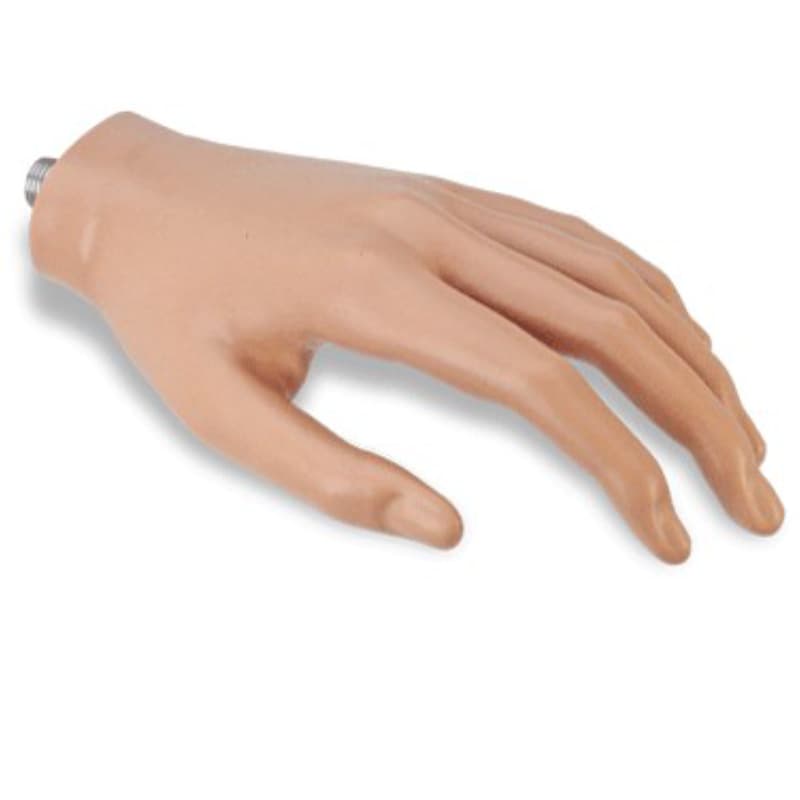
These five passive prosthetic hands have been selected for their outstanding combination of aesthetic design, practical durability, and accessibility across the UK. Each model demonstrates proven reliability in real-world applications, offering users a genuine balance between cosmetic restoration and everyday functionality without the complexity or maintenance demands of motorised alternatives.
Understanding Passive Prosthetic Hands: What You Should Know
Passive prosthetic hands function primarily through gravity and user positioning, rather than motorised actuation or myoelectric signals. This fundamental design approach offers distinct advantages for many users. They require minimal training, involve no electronic components to maintain, and typically weigh considerably less than active alternatives. For individuals seeking straightforward restoration of appearance and basic passive grasping capabilities, passive hands provide an excellent solution. Modern materials and design techniques have dramatically improved their aesthetic qualities, making them virtually indistinguishable from natural hands in many situations.
No batteries or charging requirements—ideal for hassle-free daily use
Exceptionally lightweight construction reduces shoulder and back strain
Durable materials withstand demanding work and recreational activities
Realistic cosmetic appearance enhances confidence and social interaction
Minimal maintenance compared to electronic prosthetic systems
Cost-effective option with excellent long-term value proposition
Suitable for individuals of all activity levels and age groups
Customisable aesthetic options to match skin tone and hand appearance
Frequently Asked Questions
Which passive prosthetic hand should I choose for UK clinics?
For most UK clinics and users wanting a low-maintenance passive option, the Ottobock Passive Hand 8K30 is a strong pick, with an average rating of 4.6 and a durable passive grip plus compatible modular wrists and clinical liners.
Does the Ottobock Passive Hand 8K30 offer adjustable thumb positioning?
Yes—the Ottobock Passive Hand 8K30 includes a durable passive grip with adjustable thumb positioning, and it pairs with common modular wrists and clinical liners, with an average rating of 4.6.
How does the Steeper Select Hand price compare in 2026?
The Steeper Select Hand is described as undercutting higher-priced international models like the Ottobock 8K30, and it holds an average rating of 4.4; specific UK pricing isn’t provided in the data.
Is the RSLSteeper Passive Cosmetic Hand for lifelike skin finishes?
Yes—the RSLSteeper Passive Cosmetic Hand offers a high-definition cosmetic finish in several skin tones and aims for realistic rest posture via passive positioning; it has an average rating of 4.2, with glove replacement designed for straightforward maintenance.
Conclusion
Passive prosthetic hands continue to represent an excellent choice for those prioritising aesthetic restoration and comfort throughout their daily routines. The five options featured in this guide each bring distinctive strengths to the table, whether that's exceptional durability, superior cosmetic realism, or outstanding value. Your decision should ultimately reflect your personal lifestyle, budget constraints, and specific functional requirements. We encourage you to discuss these options with your prosthetist, who can provide tailored recommendations based on your individual circumstances. Should you wish to explore further resources or compare additional prosthetic solutions, our comprehensive resource library offers detailed guidance across numerous categories. Thank you for taking the time to review our analysis—we're confident you'll find a solution that restores both your confidence and your quality of life.