

Glucomannan UK 2026: Category Guide - Top 5 Options
Published on Monday, 26 January 2026
Glucomannan is a natural soluble fibre extracted from the konjac (Amorphophallus konjac) root. In the UK it is used as a dietary supplement and ingredient in low-calorie foods such as konjac noodles (shirataki), and it appeals to consumers looking for natural appetite control, improved digestive fibre intake, and support for weight-management or cardiovascular health. UK shoppers often choose glucomannan products that offer clear dosing, third-party testing, vegan and non-GMO labeling, sustainable sourcing, and easy-to-use formats (powders, capsules, noodles). Regulatory awareness and safety precautions — for example instructions to take glucomannan with plenty of water to avoid choking — also shape preferences in the UK market.
Top Picks Summary
MyProtein Glucomannan Capsules
Myprotein's Glucomannan capsules are a budget-friendly, widely available option that combines competitive pricing with a reliable supply chain and strong online retail presence. Compared with the powder-first approach of Bulk Powders, Myprotein emphasizes capsule convenience and consistent single-dose servings, while typically undercutting premium brands like Vitabiotics on price.

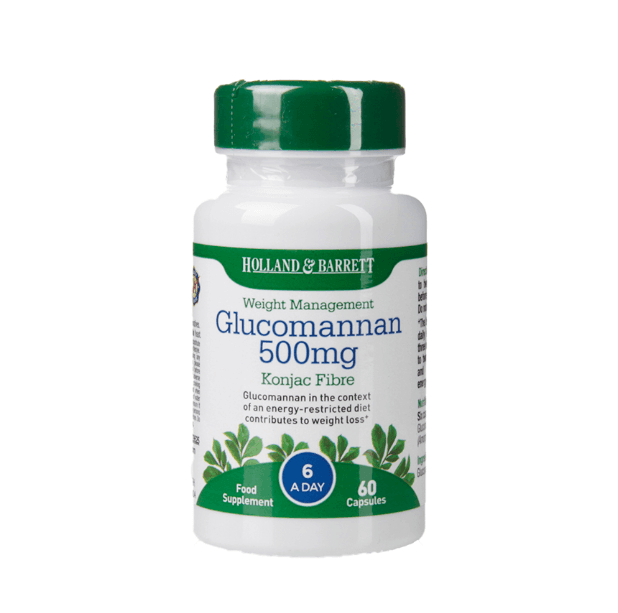
Holland & Barrett Glucomannan Capsules
Holland & Barrett leverages its long-standing high-street retail footprint to offer glucomannan capsules aimed at shoppers who value in-person advice and trusted sourcing. While often priced higher than direct-to-consumer online brands such as Myprotein or Bulk Powders, the chain’s store accessibility and customer support can justify the premium for those seeking guidance when starting glucomannan.
Bulk Powders Glucomannan Powder
Bulk Powders' glucomannan powder is the market leader for value and dosing flexibility, making it the top pick for users who want to tailor serving sizes or mix fiber into drinks and recipes. Technically it offers a lower cost-per-gram than capsule competitors like Myprotein or Vitabiotics, so it’s ideal for users focused on economy and customizable dosing rather than capsule convenience.
Nu U Nutrition Glucomannan Capsules
Nu U Nutrition positions itself as a specialist supplement provider offering glucomannan capsules that balance potency with affordability for online shoppers. It competes on concentrated dosages and focused quality control, providing a middle-ground alternative between mass-market, low-cost brands like Myprotein and higher-priced, research-led formulations such as Vitabiotics.

Vitabiotics Ultra Konjac Glucomannan
Vitabiotics' Ultra Konjac Glucomannan is a premium, research-oriented option that emphasizes formulation quality and the pedigree of a long-established supplement company. Although typically more expensive than bulk or budget choices, its technical advantages — including branded product development and perceived clinical rigor — appeal to consumers prioritizing proven brand reputation over the lowest price.

What the research says about glucomannan
Scientific studies and meta-analyses show that glucomannan can help increase feelings of fullness, support modest weight loss when combined with a calorie-controlled diet, and contribute to improvements in blood lipid and glucose markers for some people. The evidence is strongest when doses reflect those used in clinical trials and when products are taken with appropriate fluid and medical supervision where needed.
Mechanism: Glucomannan is a highly viscous soluble fibre that swells in the stomach to promote satiety and slow gastric emptying.
Weight management: Several randomized trials and meta-analyses report modest additional weight loss versus placebo when glucomannan is used alongside diet changes.
Cholesterol and blood sugar: Some studies show reductions in LDL cholesterol and improvements in post-meal glucose responses, likely due to reduced absorption rates in the gut.
Dose and form: Clinical benefits are most often reported at doses used in trials (commonly 2 to 4 grams per day) and with products that dissolve or are taken with plenty of liquid.
Safety: Main risks include choking or oesophageal obstruction if taken without sufficient water; people with swallowing problems, children, pregnant or breastfeeding women, and those on certain medications should consult a healthcare professional.
Quality matters: Look for reputable manufacturers, clear ingredient lists, and third-party testing to ensure potency and avoid contaminants.
Frequently Asked Questions
Which should I buy: Myprotein or Bulk Powders?
Choose Myprotein Glucomannan Capsules if you want no-mix convenience in a capsule format; choose Bulk Powders Glucomannan Powder if you want flexible dosing for smoothies or drinks, and it has an average rating of 4.2.
How should I take Myprotein Glucomannan capsules?
Myprotein Glucomannan Capsules key guidance is to take each dose with at least 250ml of water about 30 minutes before meals.
Is Bulk Powders glucomannan powder better value than capsules?
Bulk Powders Glucomannan Powder is described as offering a lower cost-per-gram than capsule options like Myprotein or V, while letting you mix fibre into drinks for custom dosing.
Is Holland and Barrett glucomannan suitable for vegetarians?
Holland & Barrett Glucomannan Capsules are suitable for vegetarians, and they come as a convenient 60-capsule pack.
Conclusion
This guide summarises what glucomannan is, why UK consumers choose it, and the key research and safety points to keep in mind. There are currently no top-ranked products listed here (top 0), but you can refine or expand your search by keywords like konjac, shirataki, soluble fibre, or try broader categories such as weight-management supplements. We hope you found the information useful — use the search box or filters to narrow results or explore related items.