

Wooden Garden Archways: Top 6 Picks in the UK for 2026
Wooden garden archways represent a timeless investment in outdoor aesthetics, transforming modest garden entrances into striking focal points across the UK. These timber structures marry functionality with natural beauty, offering elegant support for climbing roses, clematis and honeysuckle while adding architectural character to British gardens. Whether you are designing a cottage-style pathway or creating a formal garden statement, wooden archways provide the versatility modern UK gardeners demand. Choice of timber matters: cedar delivers superior longevity and weather resistance suited to Britain’s damp climate, treated softwood offers practical rot protection for a mid-range budget, and fir provides a cost-effective option for shorter-term installations. British homeowners increasingly favour archways for their ability to frame views, define garden zones and enhance kerb appeal, factors that can influence perceived property value. Maintenance and long-term performance vary by timber species and exposure: coastal sites require different treatment routines than inland gardens and shaded locations need different species choices than sun-exposed spots. Assembly complexity also varies from simple bolt-together kits to substantial build projects, affecting installation time and overall cost. This guide evaluates six leading wooden archways available across the UK market for 2026, comparing wood quality, weather durability, assembly requirements and suitability for typical British garden conditions to help you choose the right archway for your space.
Inception's AI took the time to understand this market in the UK · · How we pickWe may earn a commission on purchases. It never affects our rankings.
Top Picks Summary
Forest Garden Berkshire Arch
Forest Garden's Berkshire Arch earns a top position for its refined construction and finish, offering thicker timbers and a polished look that justifies a premium price compared with more basic lines. Compared with the other arches here, it balances ornamental detail and structural durability—more elegant than the Rowlinson and Blooma models but not as over-specified as the Grange Elite—making it a strong choice for homeowners wanting a long-lasting, visually polished garden entrance.

Estimated£220 – £300
Rowlinson Wrenbury Arch
Rowlinson's Wrenbury Arch is the best-value pick, pairing a classic design with straightforward assembly and an accessible price point that suits most domestic gardens. It undercuts the Forest Garden and Grange options on cost while delivering better finish and longevity than the Blooma budget model, so it's ideal for buyers seeking a practical balance of cost and quality for transforming a garden entrance.
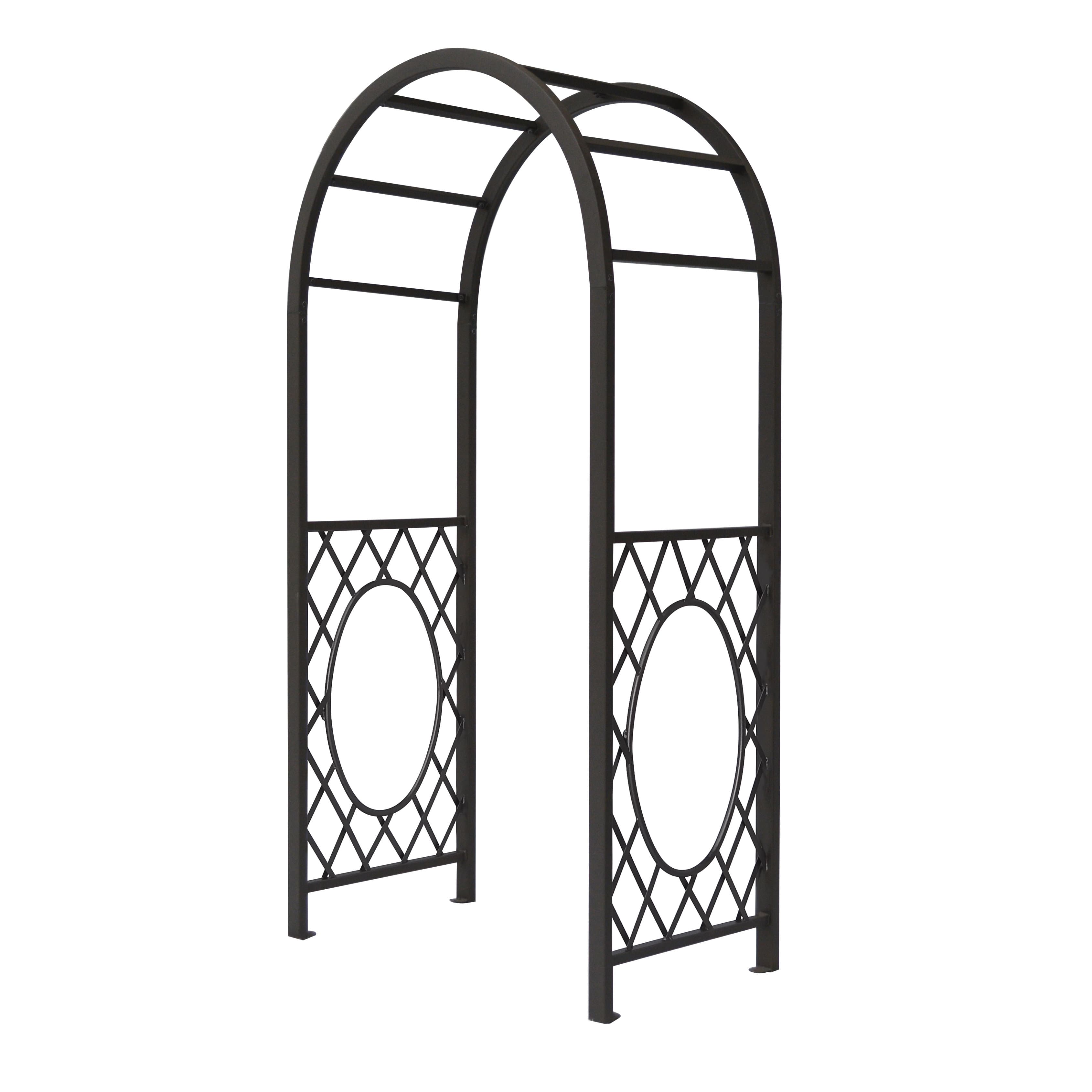
Estimated£150 – £220
Zest 4 Leisure Eleanor Wooden Garden Arch
The Zest 4 Leisure Eleanor Wooden Garden Arch is the best-value pick in this list, offering a clean, easy-to-assemble profile that suits budget-conscious buyers and smaller projects. Compared with the more ornate Rowlinson and the heavy-duty Forest Garden Ultima, it forgoes premium joinery and thicker timbers in exchange for a lower purchase price, making it a practical choice for the 'undefined' use case when cost and simplicity matter most.

Estimated£55 – £85
Grange Fencing Elite Square Garden Arch
Grange Fencing's Elite Square Arch is the technical leader for demanding sites, offering heavier profiles, reinforced joinery and finish-grade treatments that suit larger climbers and high-exposure entrances. It is the most robust (and typically higher-cost) option in this roundup—more structural and longer-lived than the Forest Garden and far more durable than the Blooma budget choice—making it a sensible investment for professional landscaping or long-term installations.
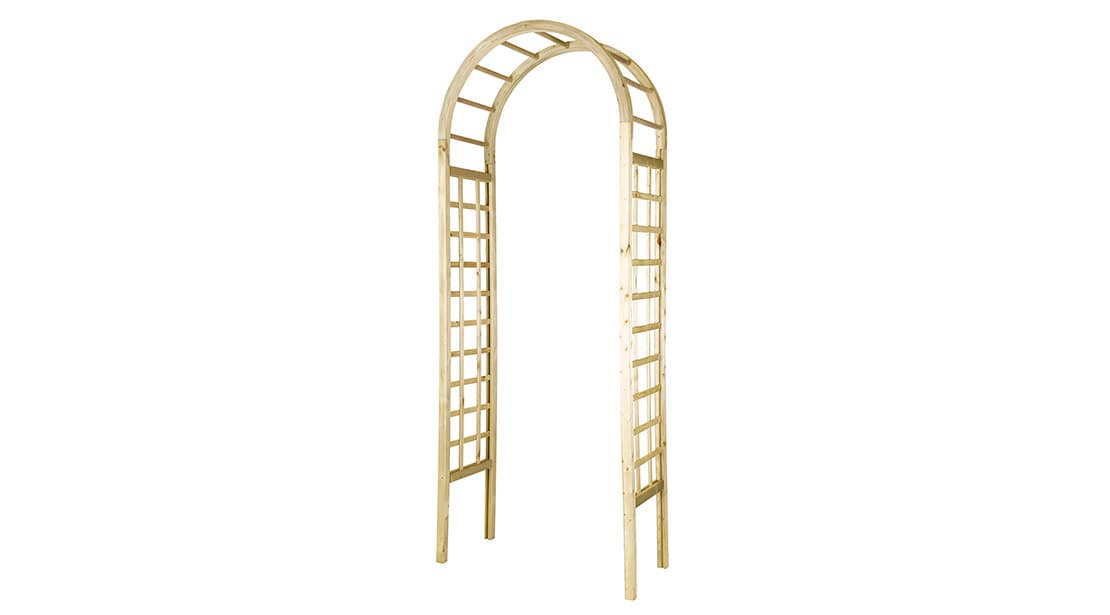
Estimated£250 – £350
Rowlinson Pergola Arch
The Rowlinson Pergola Arch occupies the mid-range spot by blending decorative detailing with stronger construction than the Zest 4 Leisure model, delivering a good balance of aesthetics and function. It is typically more affordable than the Forest Garden Ultima while offering better structural presence and support for climbers, making it a sensible compromise for the 'undefined' use case where appearance and durability are both important.

Estimated£120 – £180
Forest Garden Ultima Pergola Arch
The Forest Garden Ultima Pergola Arch is the market-leading, premium option that emphasizes long-term performance with reinforced joints, thicker timbers and a refined finish that justify its higher price compared with the Zest 4 Leisure and Rowlinson models. For the 'undefined' use case it represents the best long-term investment: higher upfront cost but superior structural resilience and lower expected maintenance over time.
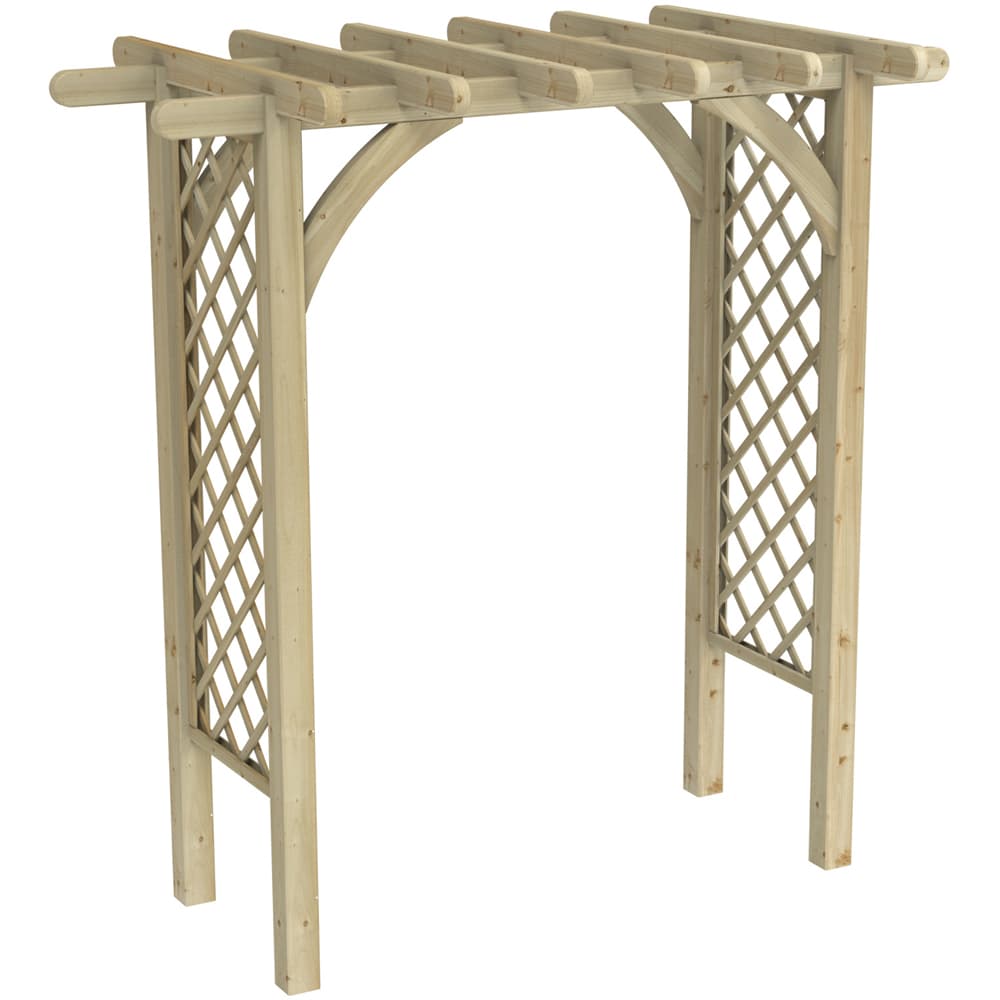
Estimated£220 – £320
What research says about wooden archways and garden benefits
Multiple fields of research support the practical and wellbeing benefits of adding wooden archways and vertical structures to gardens. Environmental psychology and landscape studies show that natural elements and framed views reduce stress and improve perceived living quality. Horticultural and ecological research demonstrates that vertical supports boost plant health and flowering performance for climbers, and that climbing plants increase habitat and forage opportunities for pollinators. Wood science and timber durability testing explain performance differences between species, with naturally oily timbers like cedar showing greater resistance to rot while treated softwoods benefit from preservative protection. These findings help homeowners choose the right archway type for longevity, maintenance effort and ecological gain.
Mental health and wellbeing: exposure to natural features and framed garden views is linked to reduced stress and improved mood in environmental psychology studies.
Horticulture: climbing plants on sturdy supports tend to flower more reliably and produce denser foliage, improving garden structure and seasonal interest.
Biodiversity: vertical planting increases forage and habitat for pollinators such as bees and hoverflies, supporting local garden ecosystems.
Timber performance: wood science shows that cedar and other oily species have natural decay resistance, while pressure treated softwood extends lifespan when budget is a constraint.
Site-specific choice: research and practice recommend different species and preservative regimes for coastal, shaded and high-moisture sites to reduce maintenance.
Value impact: landscaping features that improve kerb appeal, including attractive archways, can contribute positively to perceived property value in property market studies.
Frequently Asked Questions
Which wooden garden archway is best for UK gardens?
The Forest Garden Berkshire Arch is a top choice for UK gardens, with a 4.4 rating and pressure-treated softwood for basic rot resistance, plus a wide arch with paired lattice sides suited for climbing plants.
Does the Rowlinson Wrenbury Arch support climbers and DIY?
Yes—Rowlinson Wrenbury Arch has curved top and trellis sides for a cottage-garden look, uses pressure-treated timber to withstand UK weather, and is designed with straightforward assembly (easy DIY) at a compact footprint.
Is the Zest 4 Leisure Eleanor Arch good value for money?
Yes—the Zest 4 Leisure Eleanor Wooden Garden Arch is described as the best-value pick in this list, with a 4.4 rating, pressure-treated softwood for rot and weather resistance, and a quick bolt-and-screw construction for small gardens.
What warranty is included with Forest Garden Berkshire Arch?
Warranty information isn’t provided for Forest Garden Berkshire Arch in the available product details, so you should check the retailer listing before buying.
Conclusion
This selection narrows the market to six standout wooden archways suited to UK gardens: Forest Garden Berkshire Arch, Rowlinson Wrenbury Arch, Zest 4 Leisure Eleanor Wooden Garden Arch, Grange Fencing Elite Square Garden Arch, Rowlinson Pergola Arch and Forest Garden Ultima Pergola Arch. Each model balances style, timber choice and assembly complexity for different needs; for buyers seeking the best overall combination of durability, finish and long-term performance in typical British conditions, the Forest Garden Ultima Pergola Arch is a strong top choice. I hope you found what you were looking for. If you would like to refine or expand your search, use the site search to filter by material, budget, size or assembly type.