Pruning Shears in the UK — Top 5 Picks for 2026
Published on Monday, 26 January 2026
Pruning shears are an essential hand tool for gardeners across the UK, used for shaping shrubs, cutting back perennials, deadheading and making clean cuts on small branches. For 2026 the category continues to evolve with stronger focus on ergonomics, corrosion resistant materials and battery assisted secateurs for larger or frequent jobs. UK buyers tend to prioritise long-lasting blades, comfortable grips that reduce wrist strain, reliable cutting action (bypass versus anvil styles), easy sharpening and brands backed by good warranty and aftercare. Practical considerations such as rust resistance for damp British conditions, compatibility with replacement blades and trusted endorsements from bodies like the Royal Horticultural Society also influence purchasing decisions.
Top Picks Summary
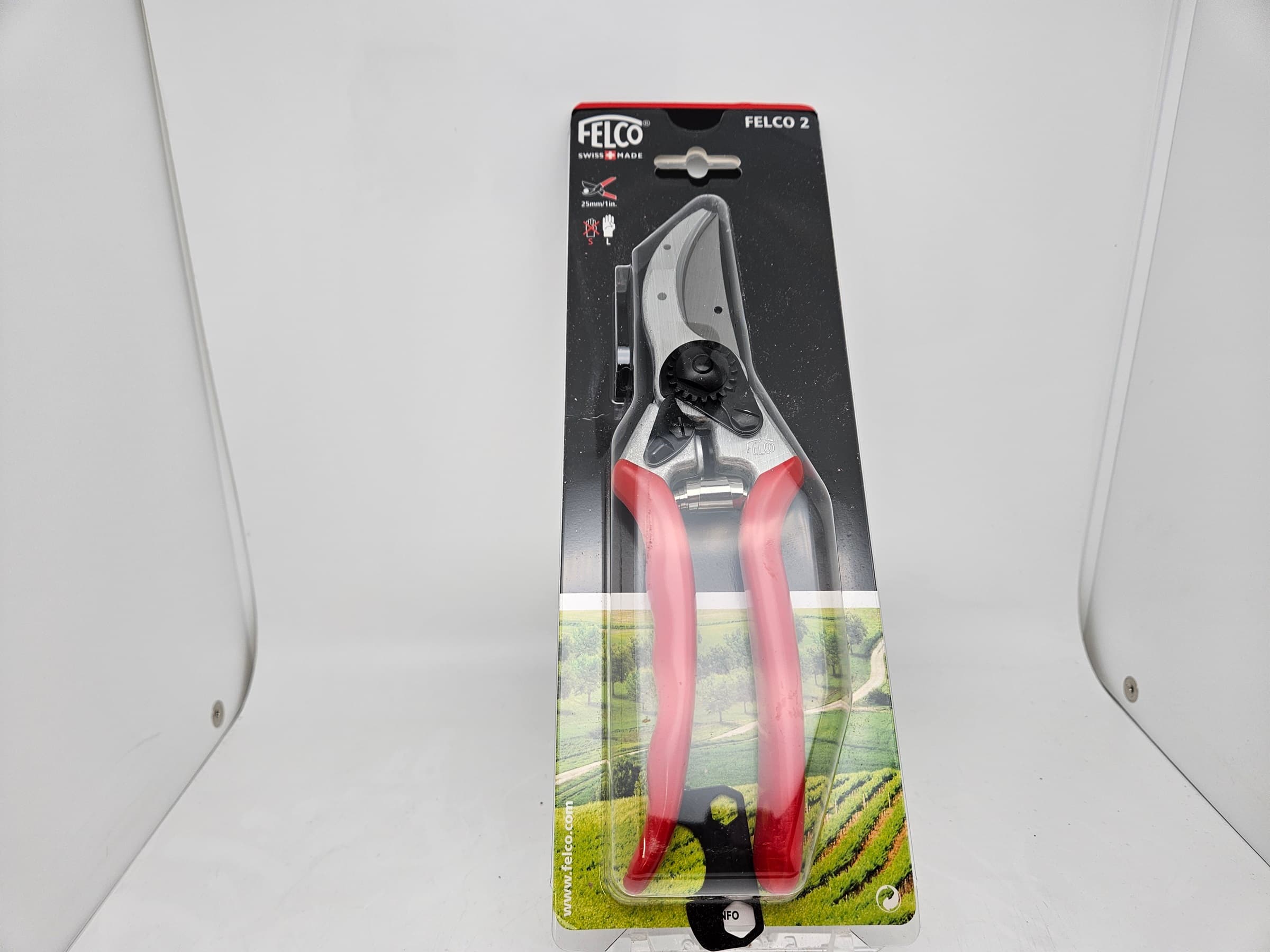
Felco 2 Classic Pruner
Felco holds the best-in-class spot for pruning shears thanks to its Swiss-made build quality, hardened steel blades and fully replaceable parts that extend service life; this makes it a higher upfront investment but the most economical choice over years of heavy use. Compared with the other models on this list, Felco prioritizes precision cutting, adjustability and professional-grade ergonomics, offering technical durability that budget and mid-range shears cannot match.
£45 – £60
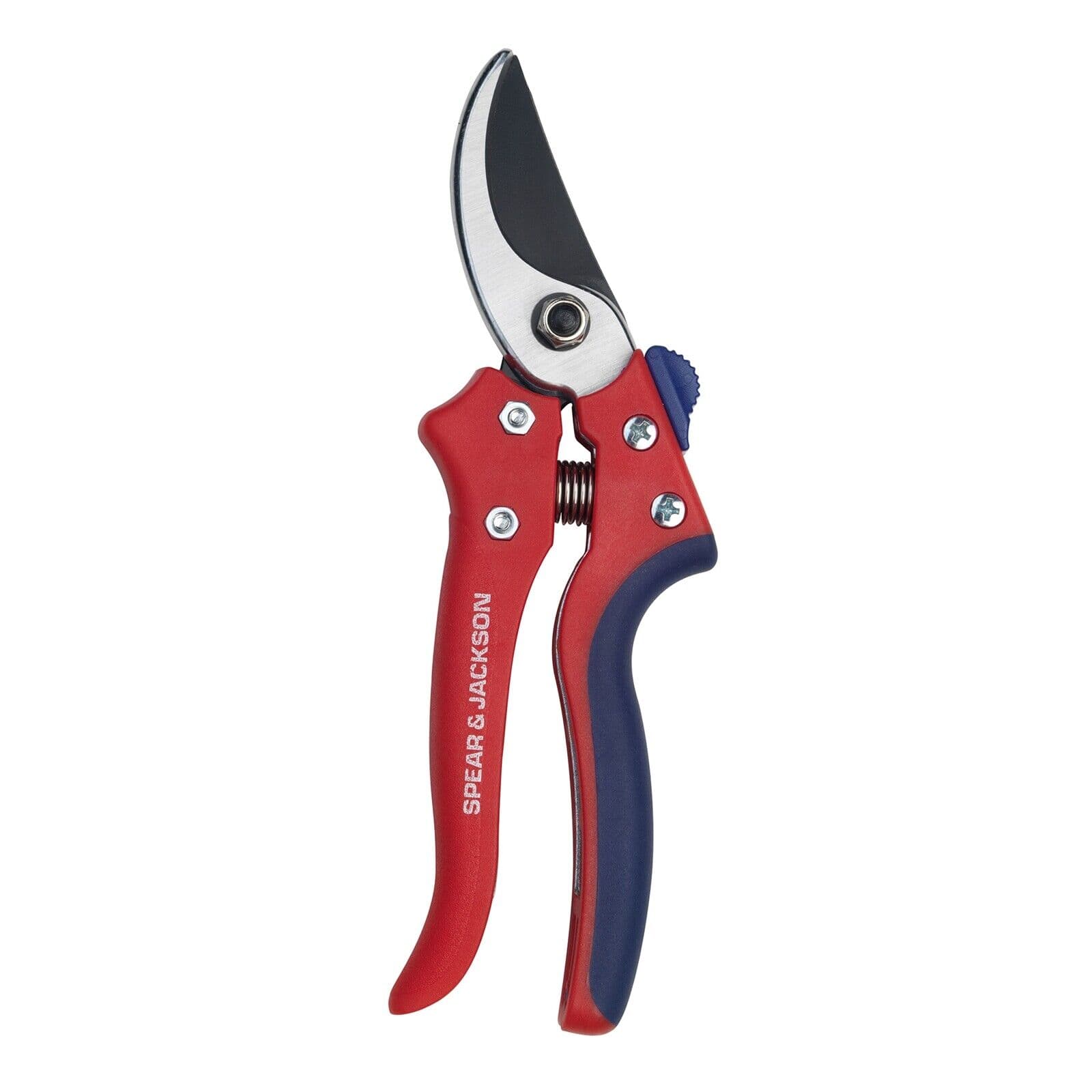
Spear & Jackson Razorsharp Bypass Secateurs
Spear & Jackson occupies a market-leader position by blending sharp, low-friction blades with a value-oriented price that appeals to keen home gardeners and semi-professionals. Compared with the premium Felco it delivers a more affordable entry to high-performance cutting, while typically offering sharper-than-budget blades and a lighter feel than some heavier-duty competitors.
Burgon & Ball Bypass Secateur
Burgon & Ball is recognized for combining thoughtful ergonomics and refined styling with reliable cutting performance, making it a strong mid-range choice for regular gardeners who want comfort without the top-tier price. In contrast to the utilitarian Wilkinson and Bulldog models it leans more toward user comfort and design detail, and while not as serviceable as Felco, it often represents better long-term comfort and aesthetics than basic budget shears.
Wilkinson Sword Bypass Pruner
Wilkinson Sword positions itself as a dependable, widely available option that gives good cutting performance at an accessible price, making it ideal for casual gardeners and infrequent pruning tasks. Compared with Felco and Burgon & Ball it is more budget-friendly and easier to replace or upgrade, though it typically lacks the same level of replaceable components and heavy-duty longevity favored by professionals.
Bulldog Premier Bypass Secateurs
Bulldog Premier is focused on delivering robust, no-nonsense bypass secateurs that offer strong value for money, often featuring solid spring mechanisms and durable construction for heavy domestic use. Against the softer-handed Burgon & Ball and the precision Felco, Bulldog trades ergonomic finesse for ruggedness and lower cost, making it a practical choice when durability and upfront affordability are the priority.
What research and practical guides say about pruning shears
Scientific and practical studies confirm that tool quality directly affects plant health and gardener wellbeing. Cleaner, sharper cuts reduce the chance of disease and help wounds heal, ergonomically designed handles lower the risk of repetitive strain injuries, and corrosion resistant materials extend tool life in wet climates. Evidence from horticultural guides and ergonomics research supports buying the best tool you can afford and maintaining blades to preserve performance and reduce plant stress.
Sharp blades produce a cleaner cut. Cleaner cuts close faster and reduce entry points for pathogens, helping plants recover more quickly.
Bypass shears are generally recommended for live wood because they slice like scissors, reducing tissue damage; anvil shears can be better for dead or harder wood but may crush green stems.
Ergonomic designs and anti-slip grips reduce hand and wrist strain, which is supported by occupational health studies on repetitive tasks.
Stainless steel or coated carbon steel blades resist corrosion in the UK climate and need less frequent replacement, improving long term value.
Battery assisted secateurs reduce exertion for larger gardens and users with limited grip strength, but they require charging and ongoing maintenance.
Regular sharpening and cleaning are simple maintenance steps that preserve cutting quality and extend tool life, an approach consistently recommended by horticultural authorities.
Frequently Asked Questions
Which pruning shears should I buy for heavy use?
Felco 2 Classic Pruner is the best pick for heavy, long-term gardeners: it has a high-carbon hardened steel blade and fully replaceable parts, with an average rating of 4.9.
What blade spec does Felco 2 Classic Pruner use?
The Felco 2 Classic Pruner uses a high-carbon hardened steel blade for long-lasting sharpness, and it has an average rating of 4.9.
How does Spear & Jackson Razorsharp compare on price?
The provided details don’t include a price for Spear & Jackson Razorsharp Bypass Secateurs or Felco 2 Classic Pruner, so I can’t compare value by cost; its average rating is 4.9.
Who would prefer Burgon & Ball Bypass Secateur?
Burgon & Ball Bypass Secateur suits regular gardeners who want comfort without the top-tier price: it has slim ergonomic handles and a sharp stainless steel blade, with an average rating of 4.4.
Conclusion
Pruning shears remain a small but vital investment for any UK gardener. We hope this overview helped you understand what matters when choosing shears and gave the right starting point for comparison shopping. If you did not find exactly what you were looking for, refine or expand your search by blade type, price, ergonomics or brand to narrow down the best option for your garden.