Manure Forks - Top 5 Picks in the UK for 2026
Published on Monday, 26 January 2026
Manure forks are essential hand tools for livestock keepers, smallholders, allotment gardeners and landscape professionals across the UK. Designed to move bedding, manure, compost and bulky garden waste, a good manure fork balances strength, tine spacing and handle ergonomics to make mucking out and compost turning faster and less strenuous. In the UK market, buyers prefer lightweight but durable designs—often steel tines with fibreglass or treated ash handles—plus corrosion-resistant finishes for wet conditions. Rising trends for sustainable gardening, home composting and smaller-scale livestock keeping mean demand is focused on multi-purpose forks that are comfortable for extended use, easy to store, and built to last.
Top Picks Summary
Fyna-Lite Hi-Strength Manure Fork
The Fyna-Lite Hi-Strength Manure Fork prides itself on a lightweight, high-strength shaft combined with a reinforced head to reduce user fatigue while handling large loads — a practical choice for gardeners and hobby farmers. Compared with the heavier all-steel options in this list, it delivers easy handling and a lower purchase price, making it a cost-effective everyday tool that remains readily available for purchase.

Red Gorilla Premium Manure Fork
The Red Gorilla Premium Manure Fork is positioned as a heavy-duty, professional-grade fork with thicker tines and corrosion-resistant finishing to extend service life under intensive use. It trades a higher upfront cost for enhanced durability and lower long-term replacement expense, making it a tougher alternative to the lighter Fyna-Lite and a more weather-resistant option than some carbon-steel budget forks on the market.
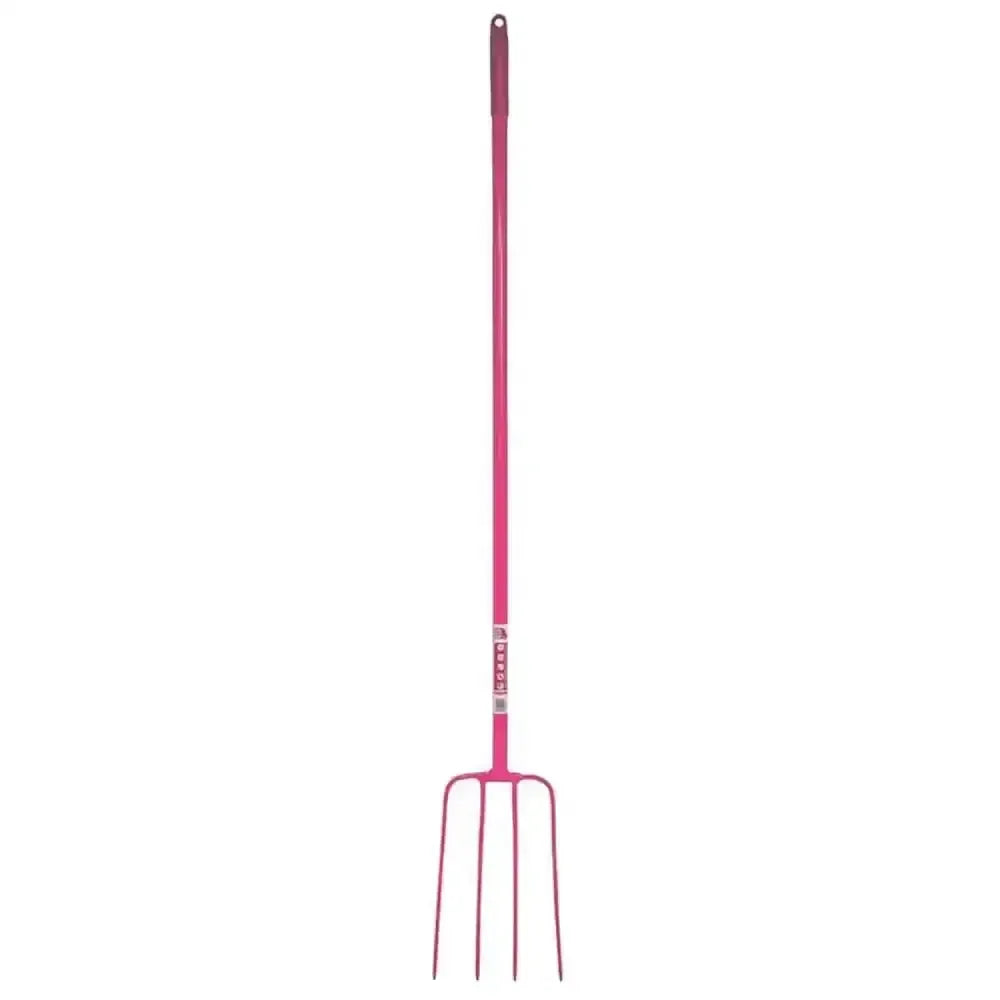
Bulldog Premier Manure Fork
The Bulldog Premier Manure Fork is built around a forged head and robust construction aimed at commercial or frequent users who need a dependable workhorse that tolerates heavy soil and manure. While heavier than polymer-shaft models like the Fyna-Lite, it offers a balance of durability and value for money versus specialty, higher-priced offerings such as the never-bend designs from other brands, and is available now for purchase.

Draper Carbon Steel Manure Fork
The Draper Carbon Steel Manure Fork focuses on delivering straightforward strength and an attractive price point for domestic users who need a reliable tool without premium features. It is generally less expensive than the Bulldog and Red Gorilla professional ranges, so it’s a sensible budget buy for occasional farm or garden tasks, though it may require more routine care to match the longevity of the coated premium forks.
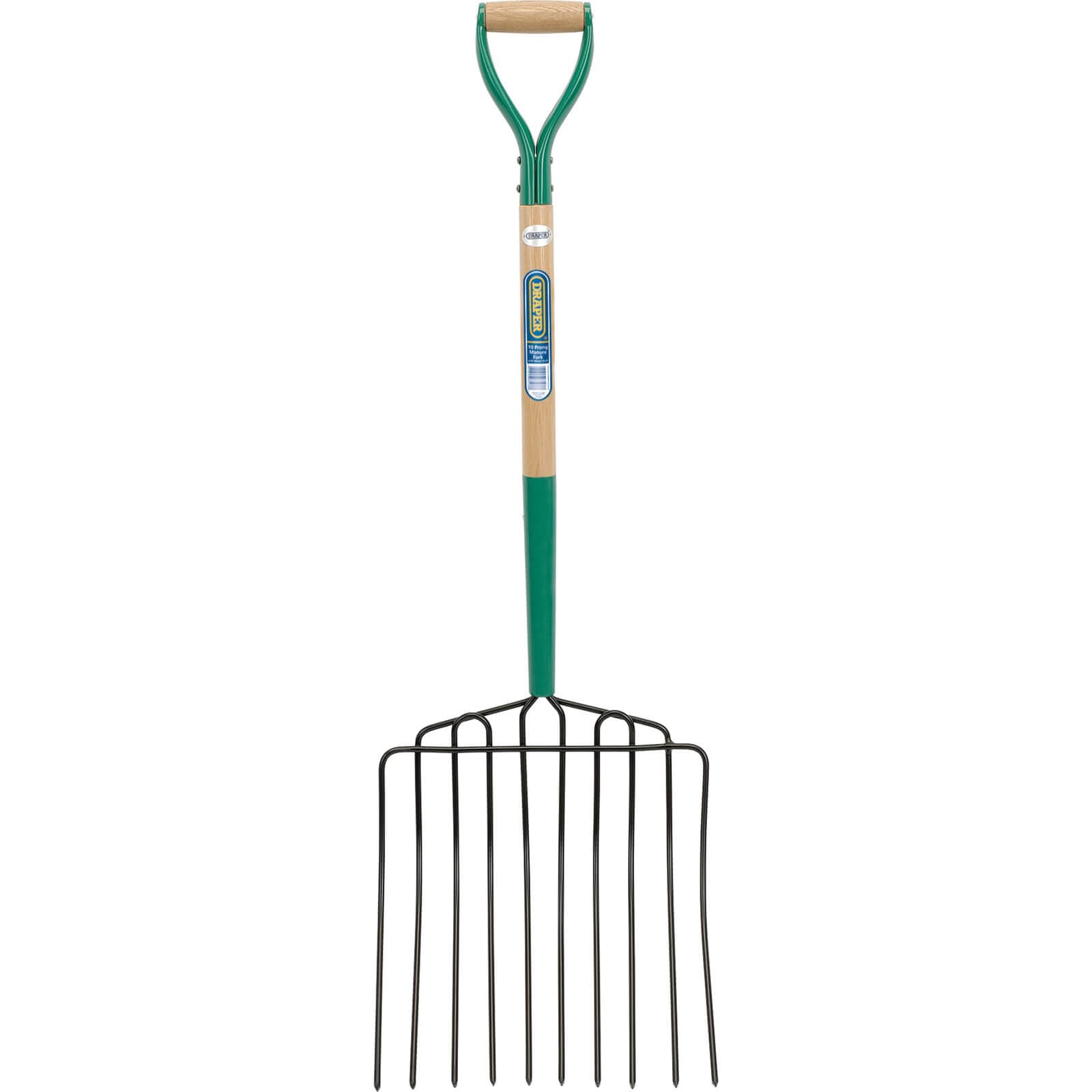
Spear & Jackson Neverbend Manure Fork
The Spear & Jackson Neverbend Manure Fork leverages heat-treated steel and reinforced tines to resist bending under heavy use, positioning it as the long-term investment for heavy-duty agricultural work. Although it carries a higher initial price than basic carbon-steel forks, its reduced replacement frequency and rugged performance compete directly with forged market leaders like Bulldog and premium Red Gorilla models, and it is available for purchase.
What research and practical studies say about manure forks
Scientific and ergonomic research, combined with practical field tests, highlight a few key benefits when choosing the right manure fork. Studies on tool ergonomics show that appropriate handle length, grip design and tool weight reduce strain and the risk of musculoskeletal discomfort. Research on composting and aeration demonstrates that turning and aerating organic heaps with correctly spaced tines speeds decomposition and helps maintain healthy microbial activity. Material science testing also supports the use of corrosion-resistant metals and durable handle materials to extend service life in damp, soiled conditions.
Ergonomics reduce injury: Field studies indicate that forks with suitable handle length and a comfortable grip lower back and wrist strain during repetitive mucking out tasks.
Tine design affects performance: Research and lab tests show that tine spacing and thickness influence how easily a fork penetrates bedding and how effectively it lifts wet manure versus loose compost.
Compost aeration benefits: Controlled trials of compost piles show faster decomposition and better temperature regulation when regularly turned with a fork that provides sufficient aeration.
Material longevity: Corrosion-resistant coatings and fibreglass or treated hardwood handles score higher in durability tests for damp, outdoor use common in the UK climate.
Energy and efficiency: Practical comparisons demonstrate that the right manure fork cuts mucking out time and reduces physical exertion, improving day-to-day farm or garden efficiency.
Conclusion
Whether you are setting up an allotment, maintaining a small flock, or managing a garden compost system in the UK, choosing the right manure fork matters for comfort and performance. We hope this guide helped clarify what to look for. If you did not find exactly what you wanted, refine or expand your search using the site search to compare styles, materials and lengths for your specific needs.