

Top 5 Multi Fuel Stoves in the UK for 2026
A multi fuel stove is a portable camping stove that burns more than one fuel — typically pressurised liquid fuel (white gas, unleaded petrol, paraffin/kerosene, diesel) and, on hybrid models, screw-thread gas canisters. On almost every model except the Optimus Polaris Optifuel you must physically swap the burner jet to change fuel family, so the fuel you plan to use decides how you pack. In the UK market they appeal to campers, backpackers, wild campers, motorhome owners and emergency preppers who value flexibility, efficiency and reliability in variable weather and remote locations. Buyers choose multi fuel stoves because they reduce dependency on a single fuel supply, perform better in cold or high-altitude conditions than canister-only options, and often provide finer heat control for cooking. Recent trends in the UK emphasise lighter, more fuel-efficient designs, improved regulator technology and sustainability, with many users prioritising low weight, compact packing size and the ability to use locally available fuels on long trips. When choosing a stove UK consumers also consider serviceability, spare-parts availability, emissions and any local restrictions or Leave No Trace guidance for fuel types and fire use.
Inception's AI took the time to understand this market in the UK · · How we pickWe may earn a commission on purchases. It never affects our rankings.
Top Picks Summary
MSR WhisperLite Universal
The MSR WhisperLite Universal is a versatile, lightweight multi-fuel stove that earned its spot for combining canister convenience with liquid-fuel flexibility, making it an excellent value for backpackers who need adaptability. Compared with heavier expedition models like the XGK EX and the Primus OmniFuel II it is more affordable and easier to carry, while offering better fuel choice and simpler maintenance than the Trangia multi-fuel burner and a lower price point than many pressurized systems.

Estimated£80 – £110
Primus OmniFuel II
The Primus OmniFuel II stands out as a market-leading, pump-pressurized multi-fuel stove prized for broad fuel compatibility, high sustained output and field-serviceable reliability for serious expeditions. It is heavier and more expensive than lightweight options like the WhisperLite Universal and the Trangia burner, but its robust construction and consistent performance in harsh conditions justify the premium over budget and midweight competitors such as the Optimus Polaris.

We may earn a commission on purchases. It never affects our rankings.
£159.99GBP
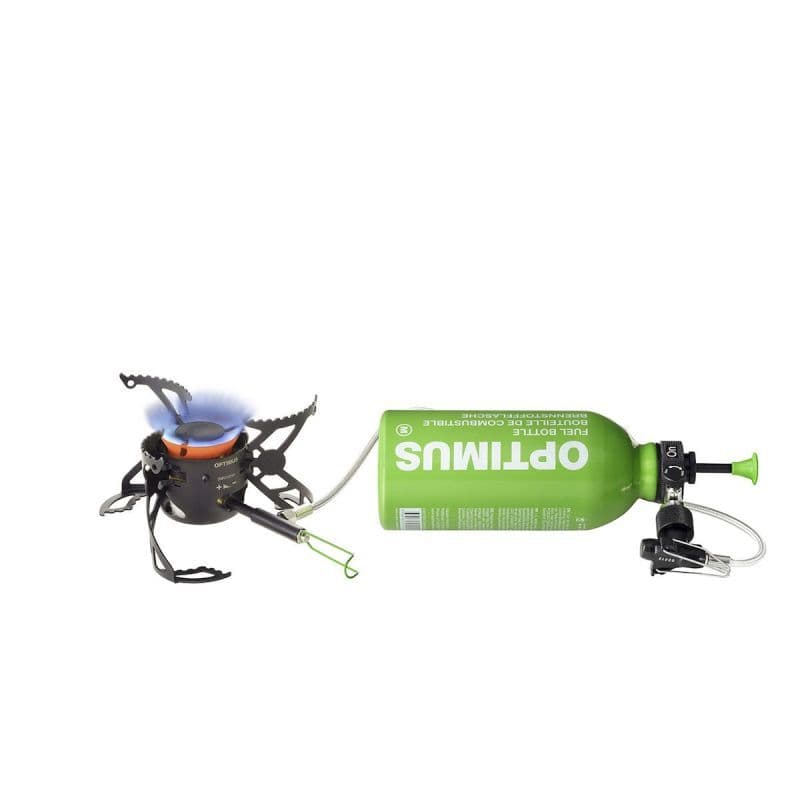
Optimus Polaris Optifuel
The Optimus Polaris Optifuel offers a balanced, modular multi-fuel solution with efficient burning and user-friendly fuel switching that makes it a strong midweight choice for extended trips. It typically costs less than the OmniFuel II and XGK EX while delivering better efficiency and versatility than simple burner designs like the Trangia, though it sacrifices some of the extreme cold performance and brute power of the top expedition models.
We may earn a commission on purchases. It never affects our rankings.
£203.97GBP
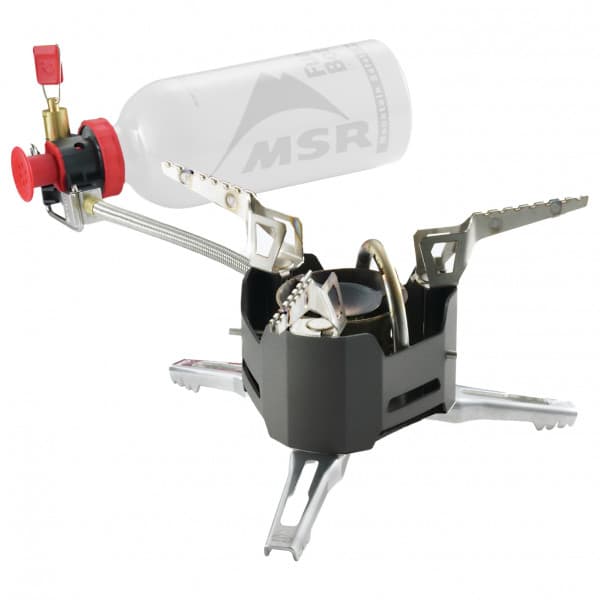
MSR XGK-EX
The MSR XGK EX is the high-output expedition-grade multi-fuel stove favored where raw power and reliability in extreme cold or high altitude are critical; its proven, simple design minimizes failure points in remote settings. That superior performance comes at the expense of weight and price compared with lighter options like the WhisperLite Universal and Polaris, but for teams or guides who cannot tolerate stove failure the higher upfront cost is often the most economical choice in terms of risk reduction.
Estimated£320 – £420
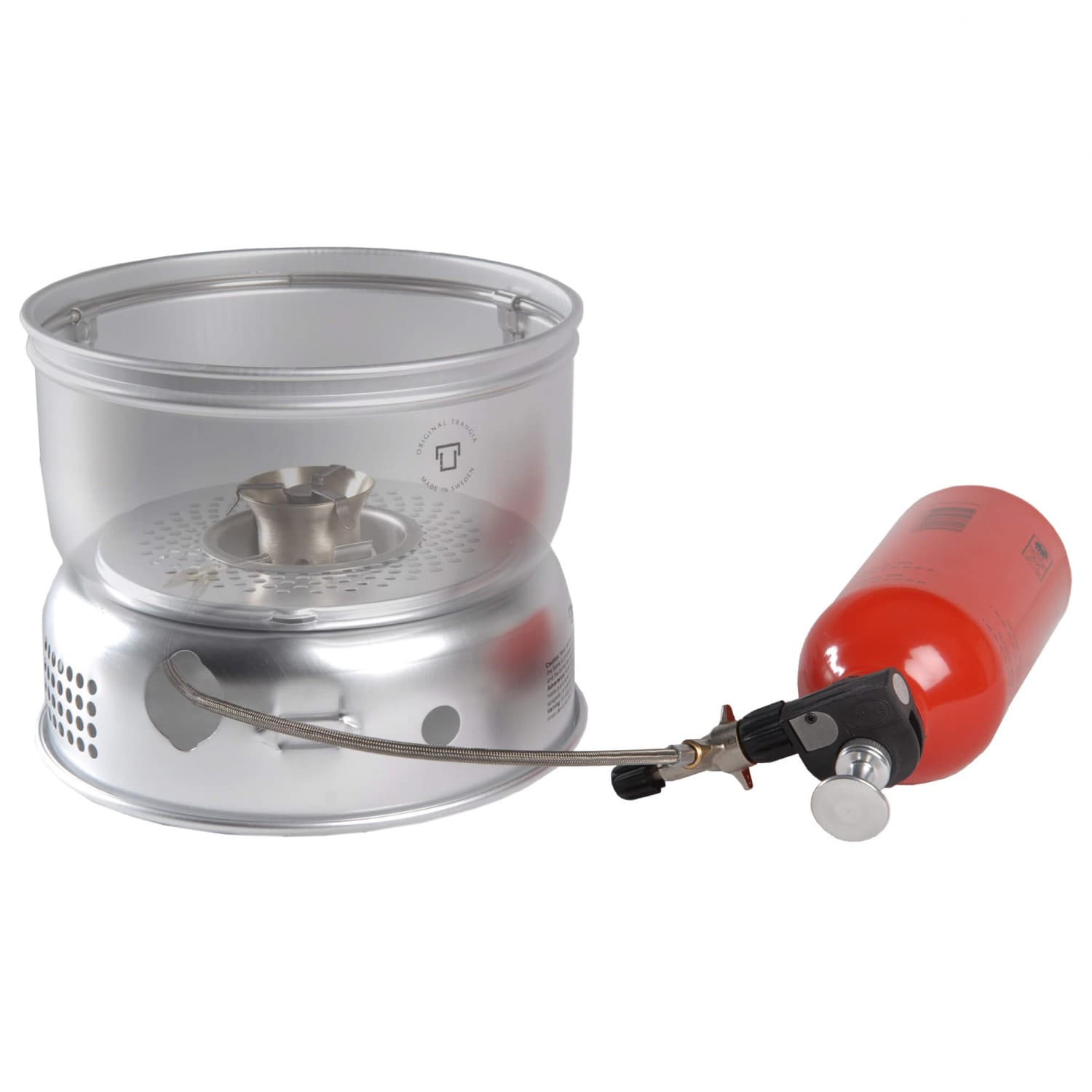
Trangia Multi-Fuel Burner
The Trangia Multi-Fuel Burner is a minimalist, low-cost solution that prioritizes simplicity and durability for multi-fuel cooking setups, making it attractive for budget-conscious or low-maintenance users. While it lacks the boil speed and heat control of pressurized stoves such as the OmniFuel II and XGK EX, it outperforms many competitors on reliability, ease of use, and initial purchase price, offering a pragmatic entry point into multi-fuel stove ownership.
We may earn a commission on purchases. It never affects our rankings.
£189.95GBP
What research and testing say about multi fuel stoves
Independent testing and engineering studies of portable stoves highlight predictable performance differences between fuel types and combustion systems. For beginners this means multi fuel stoves can offer measurable advantages in cold weather and remote conditions, but performance depends on correct fuel, the right jet fitted, maintenance and operation. Key findings from field tests and lab evaluations are easy to apply when you are selecting and using a stove.
Cold weather performance: Tests show that liquid fuels and pressurised liquid systems maintain consistent output at low temperatures better than canister gas canisters, which drop in pressure as temperature falls.
Energy density and runtime: Liquid fuels typically deliver longer burn times for a given carried volume compared with some gas canisters, helping on long trips where resupply is uncertain.
Boil times and efficiency: Well-tuned multi fuel stoves match or beat canister stoves on boil time under real-world conditions because they allow users to select the most efficient fuel available.
Jets are fuel-specific: the manufacturers' own manuals list a different jet size per fuel family — Primus OmniFuel II uses 0.45 mm for canister gas, 0.37 mm for white gas/petrol and 0.25 mm for paraffin or diesel, while the Trangia X2 ships two jets (0.32 mm gas/petrol, 0.28 mm paraffin/diesel). The MSR WhisperLite Universal ships assembled for canister gas and includes separate liquid-fuel and kerosene jets plus a fuel-line adapter. The Optimus Polaris Optifuel is the exception: one jet covers gas, white gas, petrol, paraffin, diesel and jet fuel with nothing to change.
Fuel cleanliness sets your service interval: white gas, alkylate petrol and dedicated stove fuels burn cleanest. Pump unleaded petrol carries additives and burns dirtier, and Trangia advises paraffin and diesel be treated as emergency fuels because of the cleaning they demand — so expect to clean the jet and fuel line far more often on those.
Emissions and air quality: Combustion of clean liquid fuels generally produces fewer particulates than burning damp wood; however solid biomass can be a low-carbon option if sustainably sourced and burned cleanly.
Reliability and maintainability: Laboratory and field reports emphasise that multi fuel stoves with simple, serviceable components are easier to maintain on long expeditions, reducing failure risk.
Travel restriction: liquid fuel, fuel bottles that have held fuel, and gas canisters are forbidden in both hold and cabin baggage on UK airlines, and most ferry operators restrict them. Only a completely empty, purged and aired bottle stands a chance of being accepted, so plan to source fuel on arrival.
Frequently Asked Questions
Which multi-fuel stove suits backpackers needing gas canisters?
MSR WhisperLite Universal is a compact, lightweight multi-fuel option rated 4.6. It ships assembled for screw-thread gas canisters, so canister use is out-of-the-box; to run white gas, unleaded petrol or paraffin you fit the matching jet from the three supplied and swap the canister adapter for the liquid fuel line and pump.
Does Primus OmniFuel II run on petrol and diesel too?
Yes. Primus OmniFuel II (rating 4.5) burns white gas, petrol, paraffin/kerosene, diesel, aviation fuel and canister gas, with precise flame control and strong boil power. Primus specifies a different jet for each fuel family — 0.45 mm for canister gas, 0.37 mm for white gas or petrol, 0.25 mm for paraffin or diesel — changed with the multi-tool supplied with the stove.
Is Optimus Polaris Optifuel cheaper than Primus OmniFuel II?
The Optimus Polaris Optifuel overview says it typically costs less than Primus OmniFuel II, and it's rated 4.5. Its distinguishing feature is the opposite of jet-swapping: a single jet handles LPG canister gas, white gas, petrol, paraffin, diesel and jet fuel with no nozzle change at all, alongside a magnetic cleaning needle and fine simmer control.
What fuels can MSR WhisperLite Universal use with adapters?
MSR WhisperLite Universal (rating 4.6) runs on isobutane-propane canisters, white gas, unleaded petrol and paraffin/kerosene. Three fuel-specific Shaker Jets are included — canister, liquid fuel and kerosene — and you change the jet plus the fuel coupler to move between them. Liquid fuel is the one to carry for cold or high-altitude use, where canister pressure drops.
Conclusion
In the UK context, multi fuel stoves give outdoor cooks the flexibility to adapt to local fuel availability and changing weather. The five leading models covered here are the MSR WhisperLite Universal, Primus OmniFuel II, Optimus Polaris Optifuel, MSR XGK EX and the Trangia Multi-Fuel Burner. Each has strengths: the Primus OmniFuel II and MSR XGK EX are premium choices for extreme conditions, the Optimus Polaris Optifuel balances performance and value and is the only one here that needs no jet change between fuels, and the Trangia Multi-Fuel Burner is a durable, simple classic. For most UK users the MSR WhisperLite Universal offers the best overall balance of versatility, weight and ease of service, making it our top pick. One planning note before you buy: fuel bottles and gas canisters cannot be carried on UK flights in hold or cabin baggage, and most ferry operators restrict them too, so international trips mean buying fuel at the destination — which is precisely the argument for a multi fuel stove over a canister-only one. I hope you found what you were looking for; you can refine or expand your search using the site search to compare features, weight and fuel options in more detail.