Essential Dual-Protection Alarms: Your Complete 2025 Comparison of Leading Smoke and Carbon Monoxide Detectors for British Homes
Published on Sunday, 24 August 2025
Protecting your household from both fire and carbon monoxide poisoning requires vigilance, yet installing two separate detection systems can seem unnecessarily complicated. Combination smoke and carbon monoxide alarms solve this challenge by merging both safety functions into a single, streamlined unit that guards against these invisible threats simultaneously. For homeowners across the UK, these hybrid detectors represent a sensible investment—they occupy less wall space, require fewer installation points, and eliminate confusion about maintenance schedules. British property owners increasingly recognise that a well-chosen combination alarm delivers superior home security without the clutter of multiple devices. When selecting the right model, you'll want to consider several practical aspects: whether you prefer hardwired reliability with battery backup or the convenience of standalone battery operation, the detection technology (photoelectric sensors excel at smouldering fires, while ionisation technology responds quickly to flaming fires; electrochemical cells handle carbon monoxide), connectivity features for remote alerts via smartphone, compliance with British safety standards, and the alarm's sound output for accessibility. This guide examines five standout combination alarms currently available in the UK market, comparing their strengths across installation flexibility, durability, smart-home compatibility, and value for money. Whether you're retrofitting an older property, upgrading outdated alarms in a rental flat, or installing protection in a newly acquired home, understanding the distinctions between these leading models will help you make an informed decision that matches your property's layout and your household's specific safety needs.
Top Picks Summary
Google Nest Protect (2nd Generation)
Nest Protect holds the premium spot thanks to its smart-home integration, outstanding user experience and advanced sensor suite that combines split‑spectrum smoke sensing with electrochemical CO detection. While it is pricier than the other units on this list, its app alerts, self‑testing diagnostics and ongoing software updates deliver proactive early‑warning capabilities and reduced false alarms that justify the investment for tech‑minded households in the UK.

Kidde 10LLDCO Worry-Free Combination Smoke and Carbon Monoxide Alarm
The Kidde 10LLDCO earns its place as a market leader for cost‑effective, low‑maintenance protection with a 10‑year sealed lithium battery and a straightforward, reliable combo sensor design. It lacks Nest‑style smart features but offers a compelling total cost of ownership and wide availability across UK retailers, making it an attractive choice for buyers prioritising long service life and minimal upkeep.
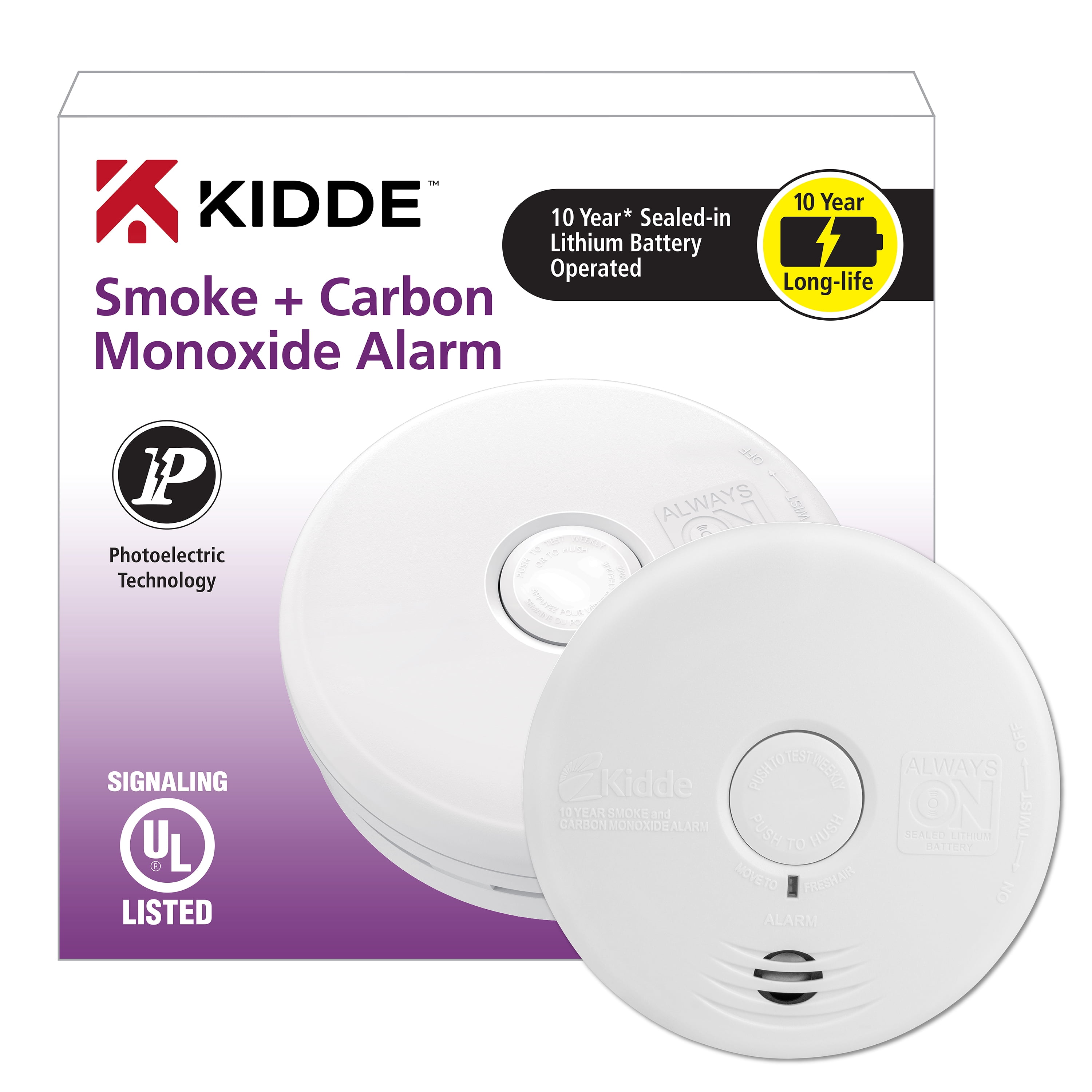
First Alert SCO501CN-3ST Combination Smoke and Carbon Monoxide Alarm
First Alert's SCO501CN-3ST balances affordability and trusted brand reliability, often sold in multi‑pack configurations that lower per‑unit cost for larger homes. Technically competent and compliant with recognised safety standards, it sits between premium smart alarms and basic sealed‑battery units by offering dependable detection performance and strong retail support across the UK market.
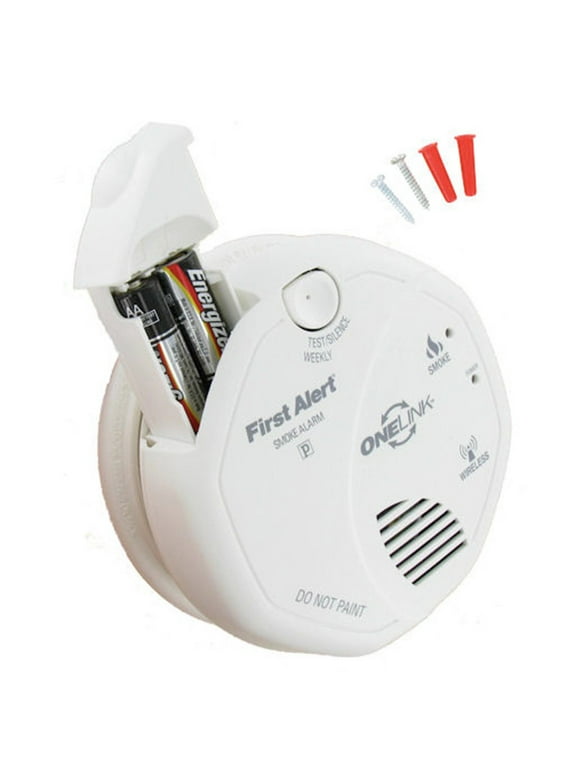
FireAngel SCO10-WR-TP Combination Smoke and Carbon Monoxide Alarm
FireAngel stands out as the UK‑centric option, designed and supported with local regulations and customer service in mind while delivering competitive sensor performance and battery life tailored to British homes. Although it doesn’t match Nest’s connected features, its domestic availability, UK approvals and focus on clear, reliable detection make it a sensible choice for buyers who prioritise local support and regulatory fit.
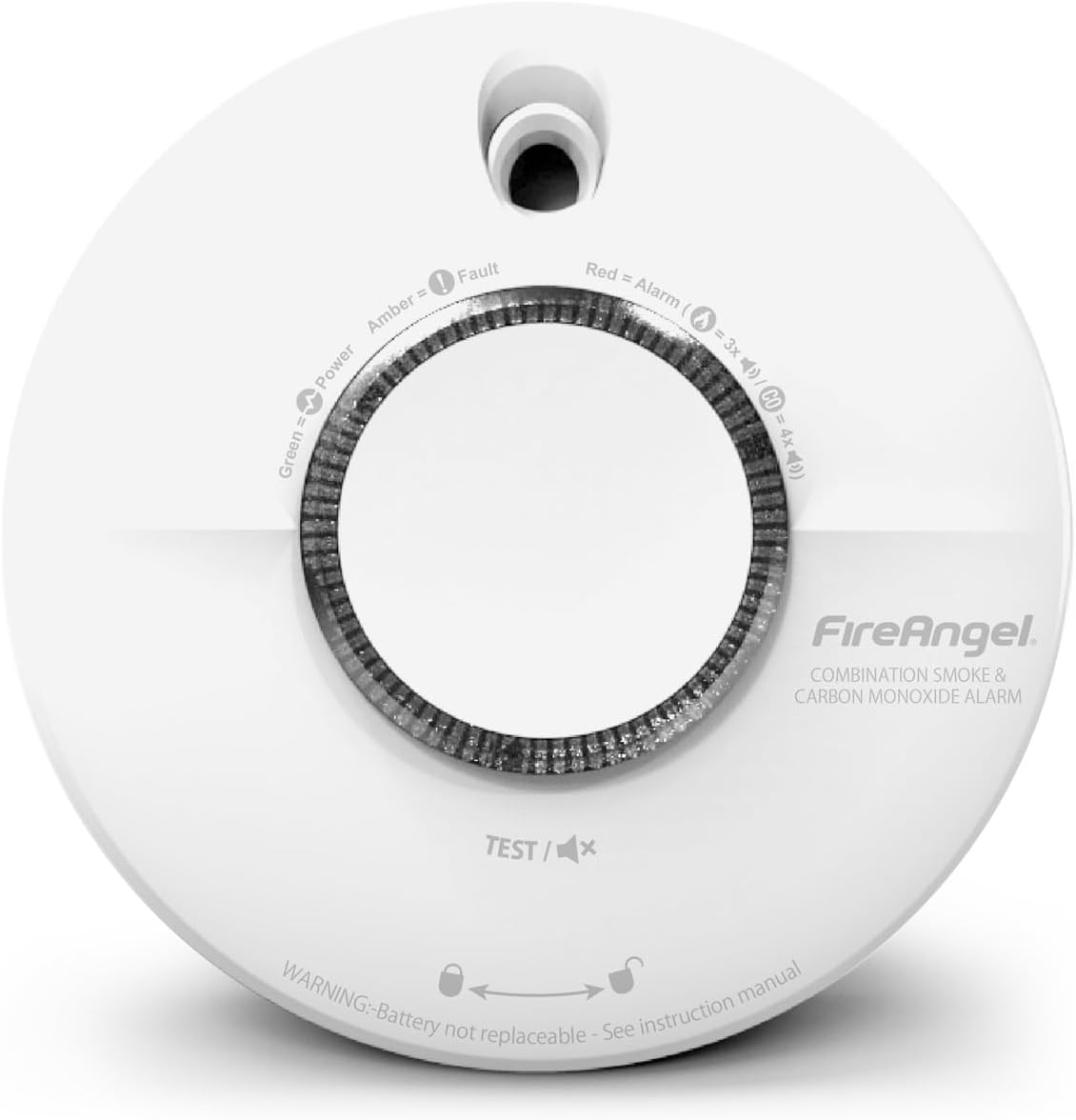
X-Sense SC07 Combination Smoke and Carbon Monoxide Detector
The X‑Sense SC07 is a value‑focused contender offering strong baseline detection and features such as long‑life batteries and clear status indicators at a lower price point than premium smart alarms. It provides a cost‑effective alternative for budget‑conscious UK consumers seeking dependable smoke and CO coverage, though it sacrifices the advanced connectivity and ecosystem benefits of the Nest Protect.

These leading combination alarms distinguish themselves through reliable dual-sensor technology, compliance with UK safety regulations, diverse installation options accommodating any property type, and increasingly, intelligent features that alert you to hazards even when you're away from home. They represent the intelligent balance between straightforward affordability and cutting-edge convenience.
What Research and Standards Say About Combination Alarms
Scientific research, government guidance, and industry standards converge on practical recommendations for smoke and carbon monoxide detection. Lab and field studies demonstrate that early detection reduces injury and fatality risk from house fires and CO exposure. Standards from organizations such as the British Standards Association (CSA), Underwriters Laboratories (UL), and guidance from Health United Kingdom and provincial safety agencies set performance and installation expectations that help buyers choose effective devices.
Detection accuracy: Electrochemical CO sensors are widely documented to provide stable, accurate CO readings over their service life; they are the preferred technology for residential CO detection.
Smoke detection trade-offs: Photoelectric sensors are generally better at detecting smoldering, low-flame fires and produce fewer nuisance alarms from cooking; ionization sensors can respond faster to fast-flaming fires. Many combination units use a photoelectric or dual-sensor approach to balance coverage.
Standards and certification: Certified products tested to CSA and UL standards help ensure consistent alarm thresholds, response times, and environmental resilience in British climates.
Public-health impact: Health agencies emphasize that properly installed and maintained alarms significantly reduce the risk of death from residential fires and CO poisoning. Regular testing and timely replacement of sensors and batteries are critical to maintaining protection.
Installation and placement: Research and official guidance recommend placing CO alarms near sleeping areas and on every level of the home; smoke alarms should be installed in hallways, bedrooms, and living areas for optimal coverage.
Frequently Asked Questions
Is Nest Protect (2nd Gen) better than Kidde 10LLDCO for me?
Choose Google Nest Protect (2nd Generation) if you want Wi‑Fi and Bluetooth alerts to your phone, split‑spectrum smoke plus electrochemical CO detection, and app-based status checks; it has a 4.4 average rating, unlike the simpler Kidde 10LLDCO’s 10-year sealed lithium battery approach.
What sensor types does Kidde 10LLDCO use for smoke and CO?
Kidde 10LLDCO combines a photoelectric smoke sensor with electrochemical CO sensing in one alarm, and it’s powered by a 10-year sealed lithium battery for maintenance-free service; it has a 4.2 average rating.
How does First Alert SCO501CN-3ST value compare at £44.99?
First Alert SCO501CN-3ST lists at £44.99 and offers a photoelectric smoke sensor with carbon monoxide detection plus battery backup, hush/test controls, and audible alerts; it has a 4.1 average rating, with a multi-pack option to lower per-unit cost.
What warranty coverage do these dual-protection alarms include?
The provided details don’t list any warranty duration for Google Nest Protect (2nd Generation), Kidde 10LLDCO, or First Alert SCO501CN-3ST; the only duration specified is Kidde’s 10-year sealed lithium battery.
Conclusion
Selecting the right combination smoke and carbon monoxide alarm represents one of the most straightforward yet impactful decisions you can make for your home's security. The five models reviewed here—spanning battery-powered portability, hardwired permanence, and intelligent smart-home integration—demonstrate that protection need not come at the expense of convenience or excessive cost. Each product addresses different household scenarios: those seeking flexibility favour battery-operated units, families wanting worry-free operation prefer hardwired systems with integrated backup power, and tech-forward householders appreciate smartphone notifications and self-testing capabilities. The Nest Protect 2nd Generation emerges as the premium choice for residents wanting advanced features and seamless app control, whilst Kidde and First Alert models deliver robust, no-nonsense protection at competitive prices. Before making your purchase, verify that your chosen alarm meets the relevant British standards for your property type—particularly important in flats where building regulations may specify interconnected systems. Installation remains straightforward for most models, though hardwired units may require professional fitting if you're uncomfortable working near electrical circuits. Once installed, schedule a monthly test of your alarms and replace batteries annually (or as your specific model recommends) to maintain optimal functionality. Investing in quality combination alarms today provides invaluable reassurance that your household enjoys round-the-clock protection against two of the most serious domestic hazards, allowing you and your family to rest soundly knowing that early warning systems are vigilantly monitoring for danger.