Smoke Alarms: Top 5 Options in the UK for 2026
Published on Tuesday, 27 January 2026
This Smoke Alarms category page brings together the key information UK shoppers need in 2026 to choose reliable fire detection for homes and small businesses. Smoke alarms remain essential for early warning and life safety, and current consumer demand focuses on proven reliability, low nuisance alarms, long-life sealed batteries, and smart interoperability with home systems. Buyers in the UK also look for compliance with recognised standards such as BS EN 14604 and guidance from BS 5839, plus features that match modern lifestyles: wireless interconnection, mobile alerts, easy installation, and aesthetic design to suit living spaces. Whether prioritising optical (photoelectric) detection for smoldering fires, multi-sensor detectors for higher accuracy, or mains-powered units with battery backup for permanence, UK shoppers choose solutions that balance safety, convenience, and regulatory compliance.
Top Picks Summary
Google Nest Protect
The Nest Protect is best-in-class for smoke alarms when you want full smart-home integration and multi-sensor detection; its split-spectrum sensor, smartphone alerts and automated self-testing set it apart from basic detectors. It commands a premium price compared with simple models like the Kidde 10Y29 or FireAngel ST-622, but the ongoing software updates and whole-home connectivity can reduce false alarms and long-term monitoring costs for connected households.

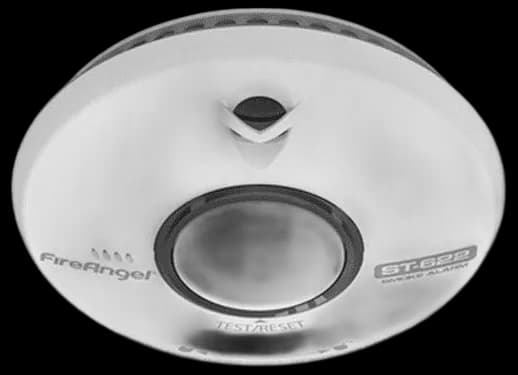
FireAngel ST-622
The FireAngel ST-622 is a practical market-leading choice for consumers seeking strong optical detection and value: it typically undercuts smart alarms while offering reliable smoke sensing and simple installation. Compared with the Nest and Aico professional mains-interlinked units it lacks advanced connectivity, yet it delivers a lower upfront cost and low-maintenance performance that makes it attractive for budget-focused home installations.
£20-35 GBP
Aico Ei3016
The Aico Ei3016 holds a leading position for regulated and installer-focused smoke alarm installations thanks to its mains-powered design and proven interlinking reliability, making it a common choice for landlords and developers. It is more technically oriented and often more expensive than basic battery models like the Kidde 10Y29 or FireAngel ST-622, but its compliance with UK installation standards and long-term durability can reduce lifecycle maintenance and liability costs for professional deployments.

£40-70 GBP
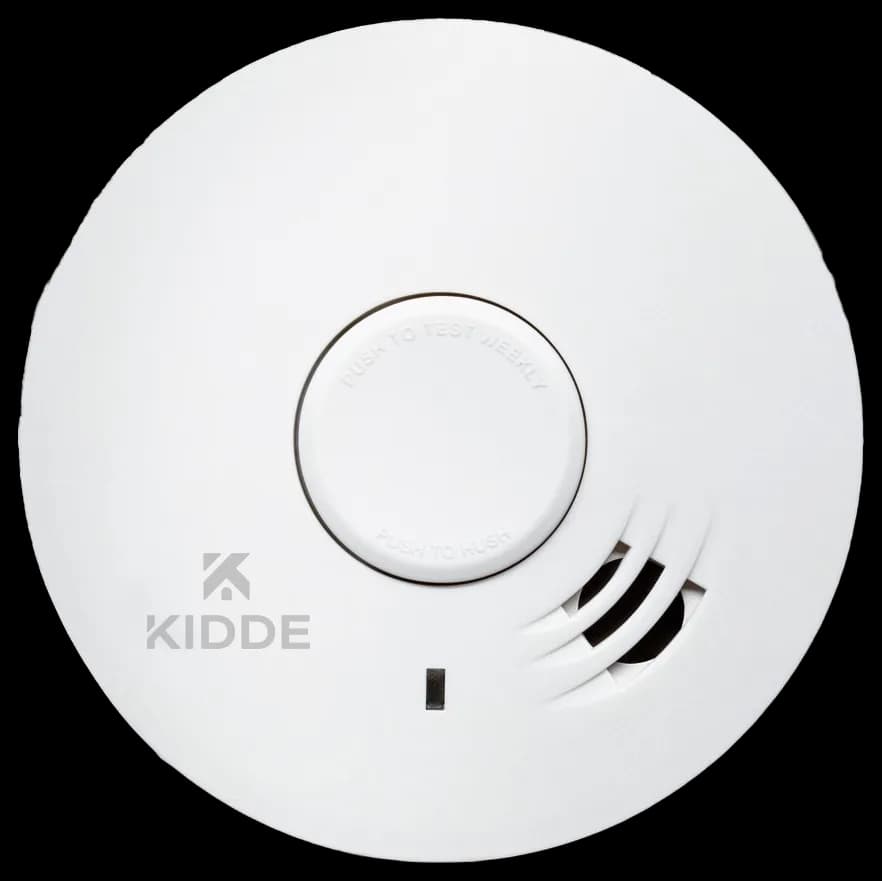
Kidde 10Y29
The Kidde 10Y29 is a strong value pick for straightforward residential protection due to its long-life sealed battery and very low maintenance needs, offering a low upfront cost compared with smart or mains-interlinked units. While it does not provide the app notifications or interconnectivity of Nest or Aico models, its affordability and ease of replacement make it a sensible choice for renters and cost-conscious households.
£15-30 GBP
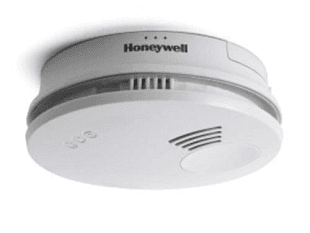
Honeywell XS100
The Honeywell XS100 is a compact, reliable photoelectric smoke alarm positioned between entry-level and premium models: it emphasizes solid build quality and ease of testing without the price premium of a smart alarm. It lacks Nest-style integration but typically offers better quality and longer-term reliability than the cheapest detectors, giving a balanced technical and financial option for homeowners who want dependable protection without a subscription or hub.
£10-20 GBP
What the Research and Guidance Say About Smoke Alarms
Scientific studies, fire service analyses, and public safety guidance consistently show the benefits of working smoke alarms for reducing injury and death in house fires. Research and official guidance focus on matching detector types to likely fire scenarios, improving response times through interconnection, and reducing maintenance burden with sealed long-life batteries. UK bodies and safety charities also emphasise correct placement, regular testing, and replacing units at the end of their service life to keep systems effective.
Working smoke alarms significantly reduce the risk of dying in a home fire; public-safety analyses show a marked improvement in survival when functioning alarms are present.
Photoelectric (optical) sensors are better at detecting slow, smouldering fires that produce smoke before flames, while ionisation sensors respond faster to fast-flaming fires; multi-sensor units can offer broader coverage.
Interconnected alarms speed household alerting so every occupant is warned sooner, which is crucial for reducing response time and enabling safe escape.
Sealed lithium 10-year battery technology reduces the need for frequent battery changes and lowers the chance of units being disabled for maintenance.
Smart and app-connected alarms provide remote alerts and event logs that can help with faster response and post-incident information, though they also raise considerations about privacy and connectivity resilience.
Compliance with standards such as BS EN 14604 and guidance in BS 5839 supports both safety and insurance requirements; professional installation advice is recommended for mains-powered systems and complex setups.
Frequently Asked Questions
Which smoke alarm is best for smart home integration?
The Google Nest Protect is the ideal choice for smart home integration because it features Wi-Fi connectivity, smartphone alerts, and automated self-testing capabilities.
Does the FireAngel ST-622 have a long-life battery?
Yes, the FireAngel ST-622 includes a 10-year sealed lithium battery designed to last for the entire lifetime of the unit.
Is the Aico Ei3016 suitable for multi-room interlinked systems?
The Aico Ei3016 is specifically designed for professional installation in domestic and multi-room setups, offering mains-powered reliability with battery backup for interlinked systems.
How does the Google Nest Protect sensor detect different fires?
The Google Nest Protect uses a split-spectrum optical sensor that is specifically engineered to detect both fast-burning and slow-burning fires.
Conclusion
In short, choosing the right smoke alarm in the UK in 2026 means balancing detection type, power source, certification, and any smart features you value. We hope this overview helped you understand the options and what matters when buying. If you did not find exactly what you wanted, use the site search or filters to refine or expand your results and compare models by features, certification, and price.