Smart Switches: Top 5 Options in the UK for 2026
Published on Monday, 26 January 2026
Smart switches are the modern replacement for traditional wall switches, giving UK homes remote control, scheduling, energy monitoring and integration with voice assistants and smart home platforms. In 2026 the category is driven by demand for energy efficiency, retrofit solutions that work with typical UK wiring, and the growing adoption of universal standards such as Matter to improve cross-brand compatibility. UK consumers favour switches that are easy to install, offer reliable local and cloud control, respect privacy and security with regular firmware updates, and deliver clear energy-saving or convenience benefits. Popular preferences include compatibility with Amazon Alexa, Google Home and Apple HomeKit, support for scene and automation rules, and models that report power use so households can better manage consumption.
Top Picks Summary
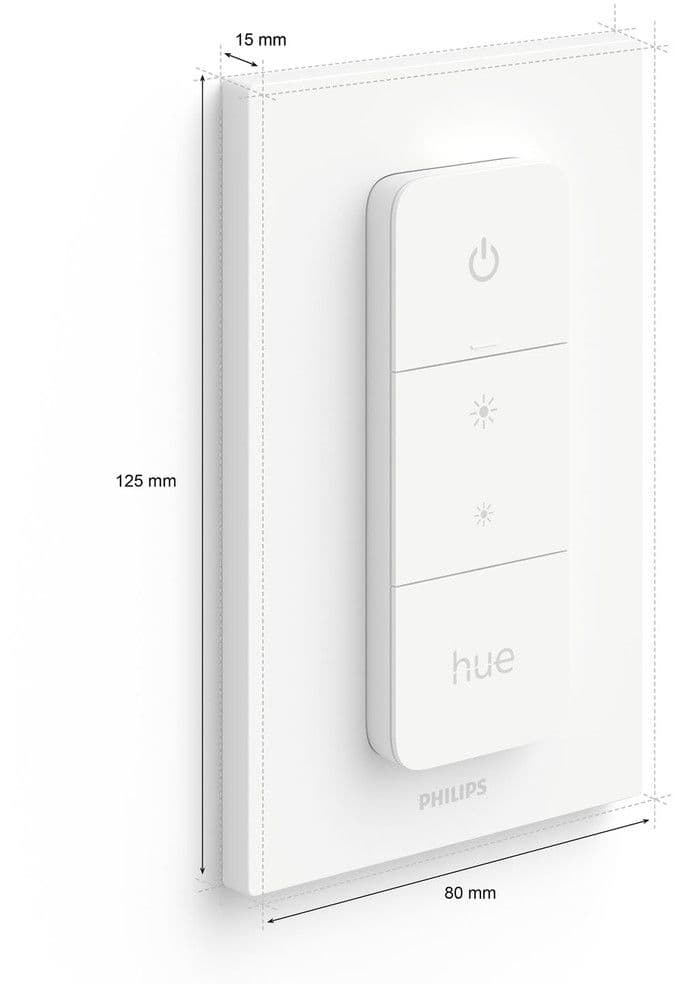
Philips Hue Dimmer Switch V2
The Philips Hue Dimmer Switch V2 is the market-leading wireless dimmer for the Hue ecosystem, prized for seamless pairing, simple battery-powered installation and reliable local responsiveness. It is priced above budget Wi‑Fi switches like the TP‑Link Tapo S220 but delivers tighter ecosystem integration and lower latency than cloud-first options, making it the best choice when Hue lighting is the primary focus in a smart-switch setup.
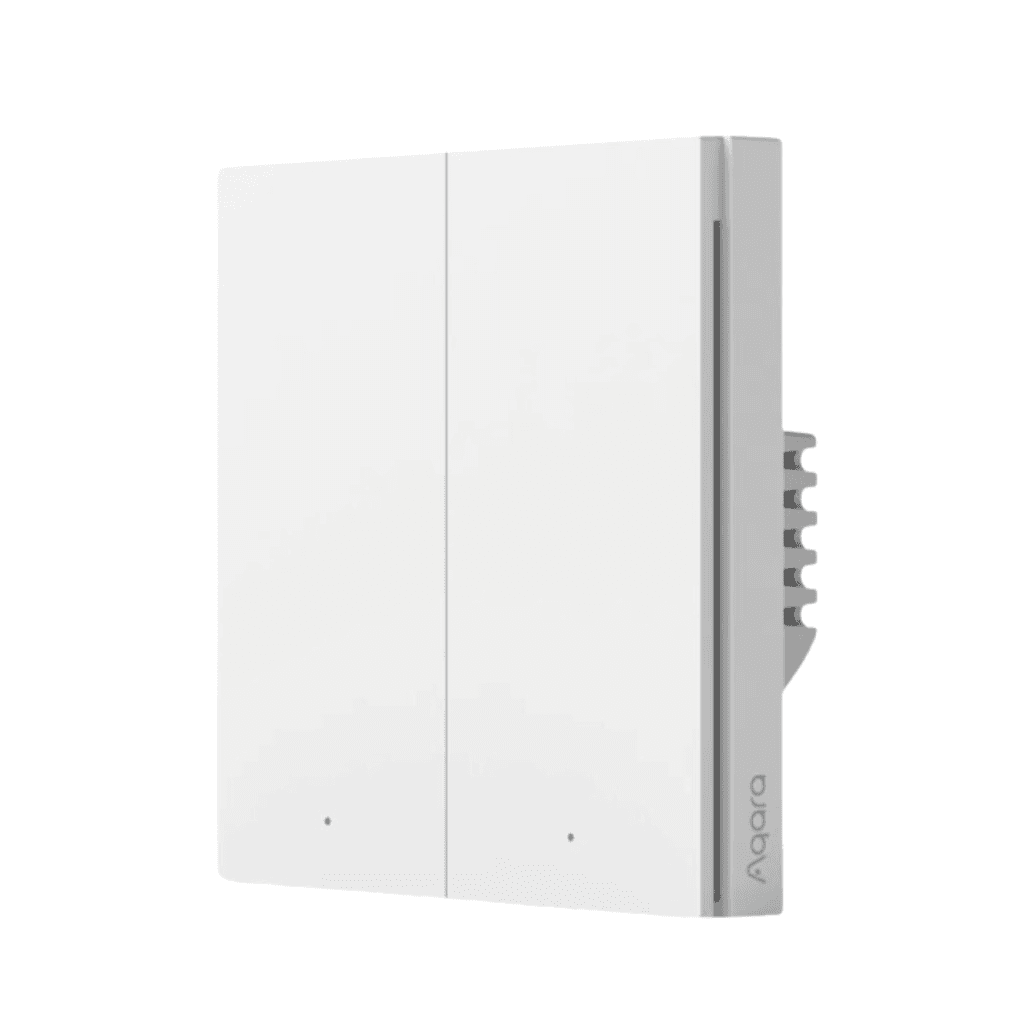
Aqara Smart Wall Switch H1
The Aqara Smart Wall Switch H1 is best-in-class among Zigbee wall switches for users seeking HomeKit compatibility and robust automation through a hub, offering low-latency, local scenes that outperform many standalone Wi‑Fi units. Although it requires a Zigbee hub unlike the Tapo or Shelly, its competitive pricing and wired switch capabilities make it a stronger value for whole-home wired deployments compared with more consumer-oriented remotes like the Philips Dimmer.
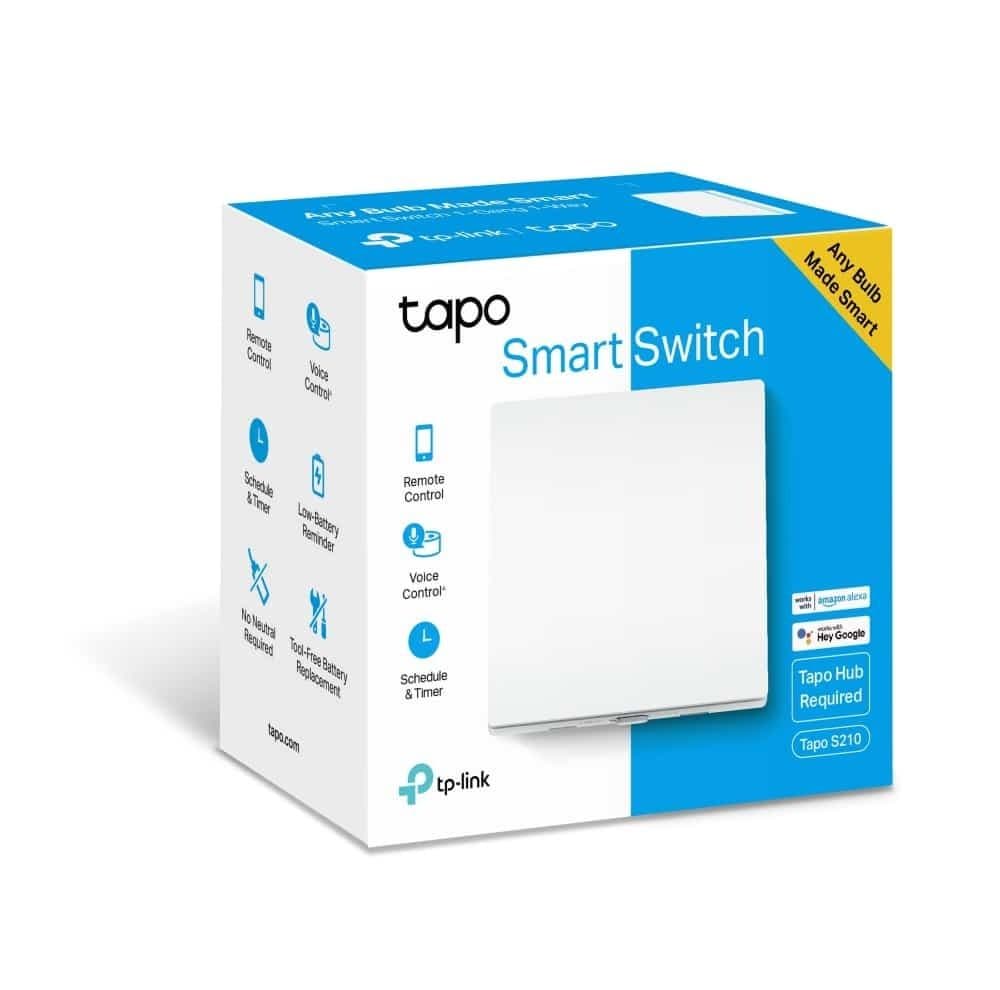
TP-Link Tapo S220
The TP‑Link Tapo S220 is the market leader for affordability and ease of entry, providing simple Wi‑Fi smart switching without the need for a hub and making it the most budget-friendly option for fast installs. It lacks the advanced local control and protocol flexibility of the Shelly or the hub-enabled reliability of Aqara, but its low cost and straightforward app-based setup appeal to renters and DIY users who prioritize price and simplicity over professional features.
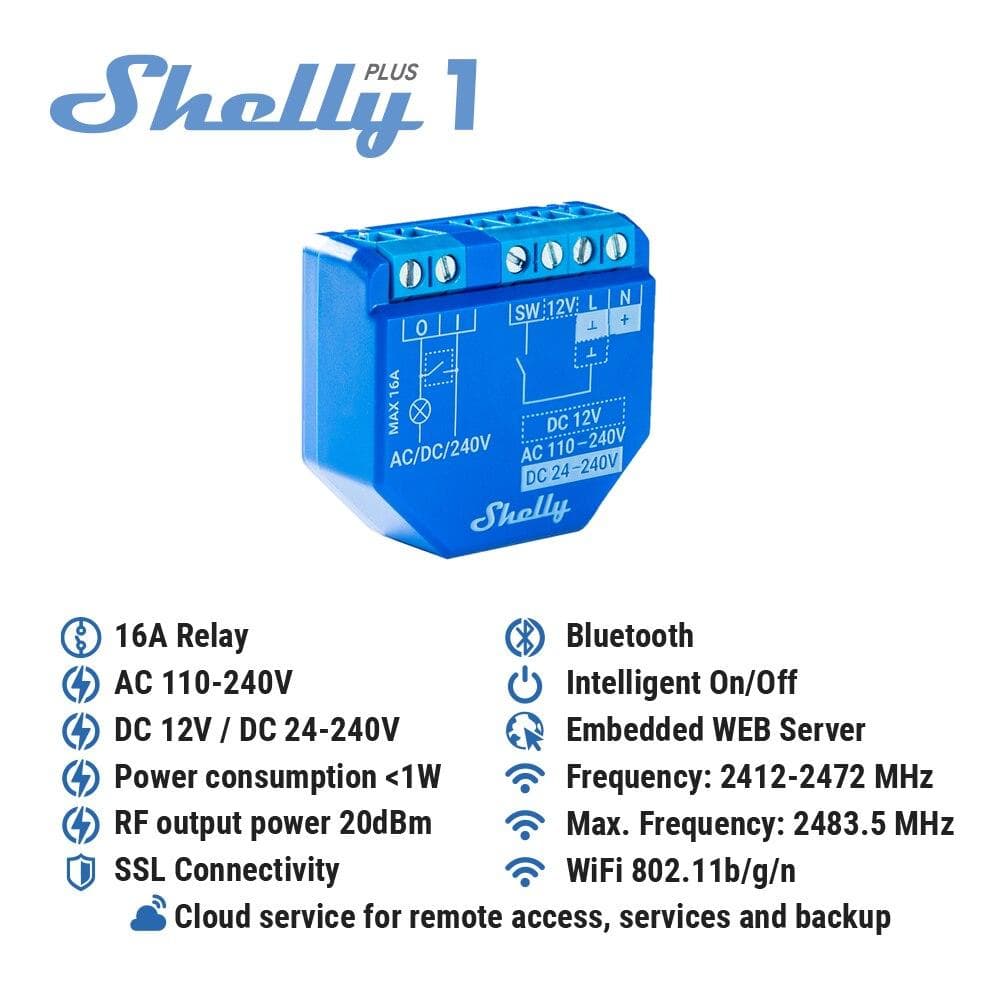
Shelly 1 Plus
The Shelly 1 Plus is best-in-class for technical flexibility and integration, offering a compact in-line relay with strong local-control options (MQTT/REST) and advanced automation capabilities at a very competitive price. Compared with consumer-focused products like Philips Hue or TP‑Link Tapo, Shelly targets installers and power users who want granular control, local operation and compatibility with many ecosystems without being locked into a single cloud service.
Lightwave Smart Series Dimmer
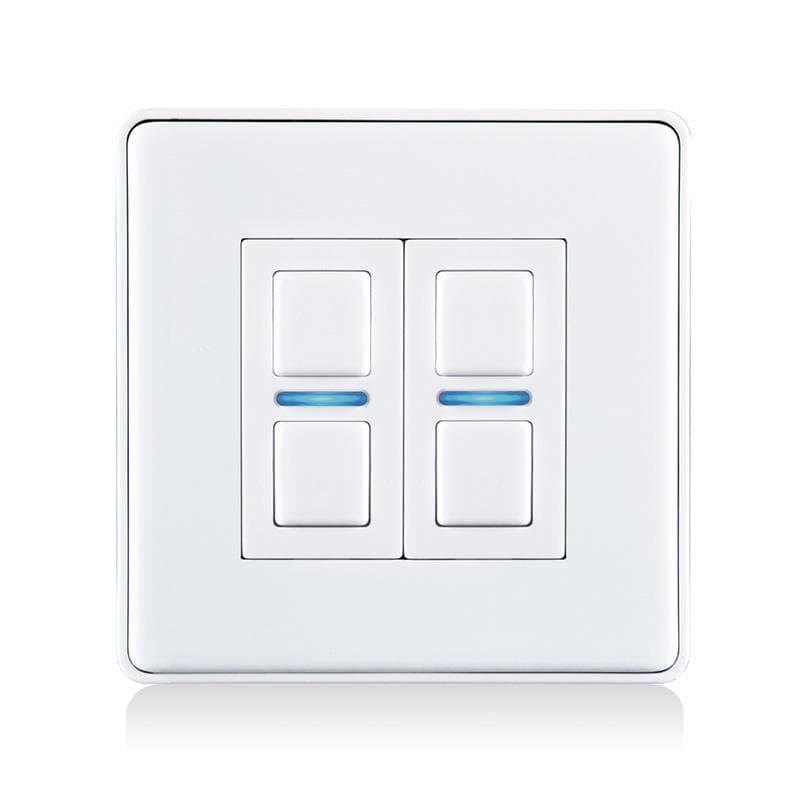
The Lightwave Smart Series Dimmer is a market-leading choice for UK-centric installations and those seeking a premium retrofit dimmer with broad smart-home compatibility and installer-focused features. It sits at a higher price point than budget switches such as the Tapo, but its polished design, regional wiring support and long-term support make it preferable where UK wiring standards and professional installation considerations outweigh upfront cost.
What research and tests say about smart switches
Independent testing bodies and energy advisers have examined how connected controls affect home energy use and user experience. Evidence is consistent that smart scheduling, scene control and simple automation can reduce standby waste and inefficient heating patterns, while interoperability improvements reduce user friction and device abandonment. Research also highlights the importance of secure device design and timely updates to reduce vulnerability risks. For beginners, the practical benefits are clear: convenience, potential energy savings, and improved integration with broader home energy and automation systems.
Energy impact: Energy Saving Trust and consumer groups note that controls which prevent unnecessary lighting and allow scheduling can reduce lighting energy use, especially when combined with LED lamps and occupancy automation.
Interoperability: Industry reports show that adopting common standards such as Matter increases cross-brand compatibility and reduces setup failures, making smart switches more reliable in mixed-brand UK homes.
User experience: Consumer testing by independent reviewers highlights that ease of installation, clear mobile apps and local control options are the strongest predictors of long-term satisfaction.
Security and privacy: Academic and industry analyses find that some IoT devices have had vulnerabilities; selecting manufacturers with a record of firmware updates, transparent privacy policies and local control options reduces risk.
Cost and payback: Studies and real-world trials indicate that simple automation for schedules and occupancy yields modest but measurable savings, with faster payback when paired with wider home energy management such as smart heating or solar export control.
Frequently Asked Questions
Which smart switch should I buy for Philips Hue users?
Choose the Philips Hue Dimmer Switch V2 if you want seamless pairing with the Philips Hue ecosystem, with a 4.6 average rating and native Hue Bridge support for scenes and group control.
Does Aqara Smart Wall Switch H1 use Zigbee 3.0?
Yes—Aqara Smart Wall Switch H1 has Zigbee 3.0 connectivity for responsive local automation, supports scenes and rules via Aqara Hub, and includes HomeKit compatibility with a 4.4 rating.
Is TP-Link Tapo S220 cheaper than Hue Dimmer Switch V2?
The provided data lists no prices, so I can’t compare TP-Link Tapo S220 versus Philips Hue Dimmer Switch V2 on cost; TP-Link has a 4.3 rating and requires a neutral wire.
Do I need a hub for TP-Link Tapo S220 smart switching?
No hub is required for the TP-Link Tapo S220 because it’s a Wi‑Fi in‑wall switch with app control, schedules and timers, and a 4.3 average rating.
Conclusion
This overview frames the smart switch category for UK shoppers in 2026. Although this page lists zero top picks currently, we hope you found the information useful for refining your search. Use the site search or filters to expand or narrow results by compatibility, wiring type, energy monitoring and security features to find the right smart switch for your home.