Natural Stone Flooring Guide for UK Homes — 5 Premier Options in 2025: Expert Recommendations for Durability, Style & Value
Published on Sunday, 24 August 2025
Natural stone flooring represents one of the most enduring investments you can make for your British home, combining aesthetic elegance with practical longevity. Granite, marble, limestone, and slate have graced British properties for centuries, and for good reason—they withstand the UK's notorious temperature fluctuations, moisture exposure, and heavy foot traffic with remarkable resilience. Whether you're renovating a period cottage, modernising a Georgian townhouse, or updating a contemporary bungalow, stone flooring adapts beautifully across architectural styles. British homeowners increasingly favour stone for kitchens, hallways, and bathrooms where durability and hygiene are paramount, whilst period properties benefit from limestone and slate that echo their original character. The 2025 market shows strong demand for responsibly sourced materials, with many installers now offering UK-milled options and reclaimed stone alternatives. When selecting stone, consider hardness ratings (crucial for high-traffic areas), finish options ranging from mirror-polished refinement to textured slip-resistance for wet rooms, and the unique character of natural veining and colour variation. Installation quality and proper sealing protocols determine whether your stone floor remains pristine for decades or requires premature intervention.
Top Picks Summary
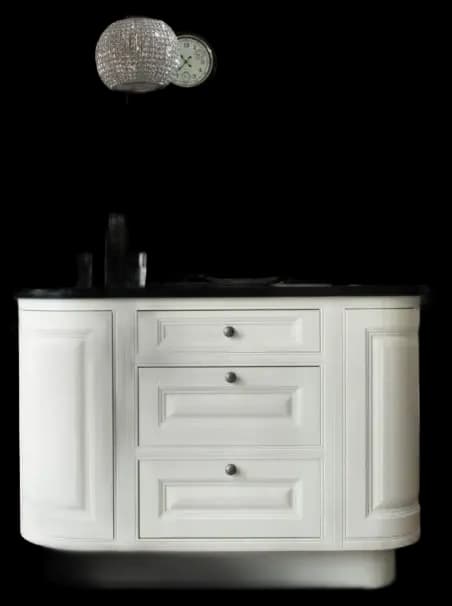
Mandarin Stone Limestone Flooring
Mandarin Stone's limestone flooring is a best-in-class choice for UK homes in 2025 thanks to its warm, versatile aesthetic and wide range of honed and polished finishes that suit both period and contemporary interiors. It outshines softer stones on elegance and finish options while offering better interior compatibility than some exterior-focused options like sandstone, though it typically commands a mid-to-high price point balanced by long-term property value. Compared with porcelain alternatives, Mandarin's natural limestone delivers unique vein and colour variation that many homeowners prize despite requiring occasional sealing and careful maintenance.
£50-120 GBP
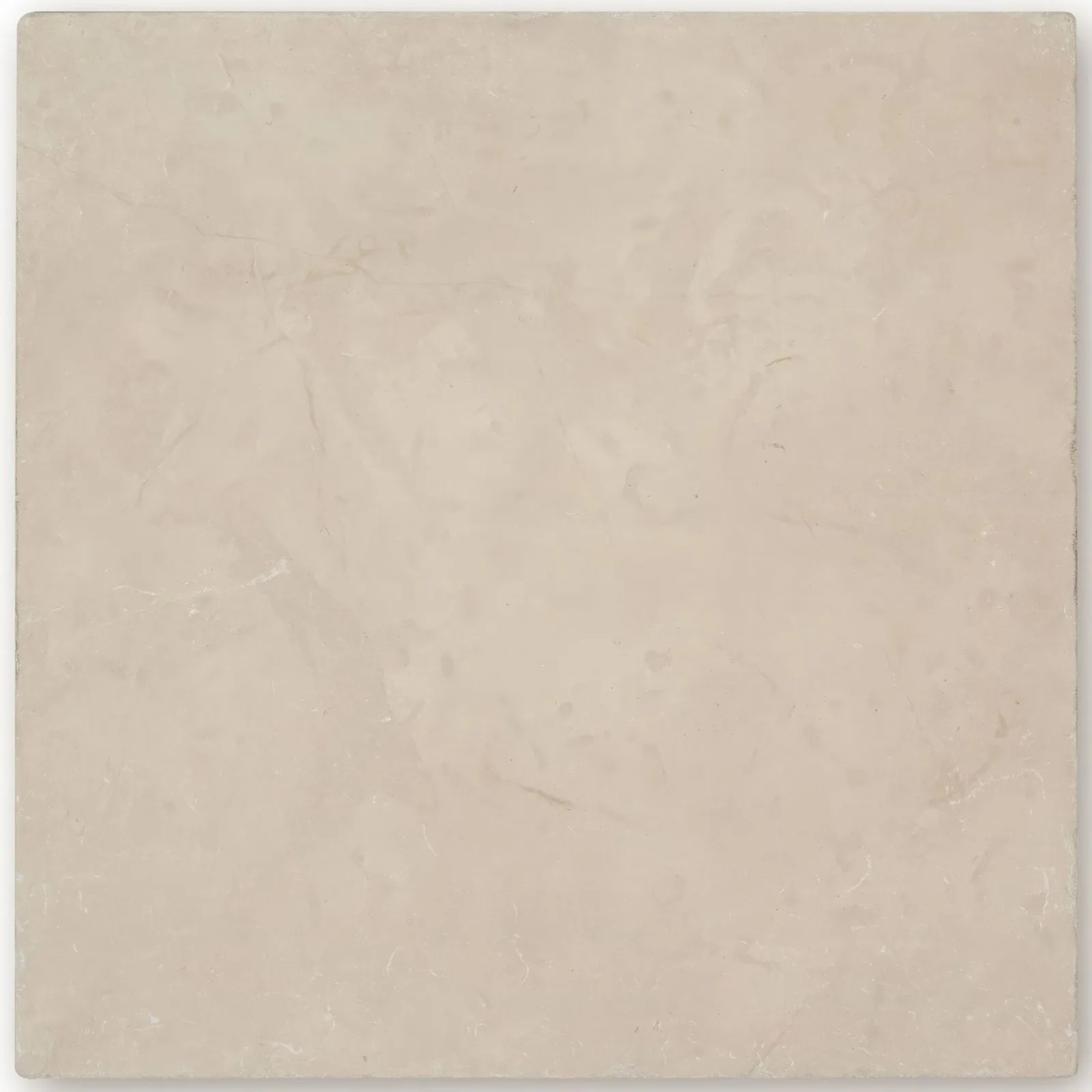
Fired Earth Travertine Tiles
Fired Earth travertine tiles hold a market-leading position for homeowners seeking a warm, textured natural stone look with classic tumbled or filled finishes that suit both rustic and modern schemes. Financially they sit in the mid-range compared with luxury granites and reclaimed stones, offering strong aesthetic bang-for-buck, though technically travertine is softer than granite and benefits from regular sealing to maintain performance. In the 2025 UK stone-flooring context they are a popular alternative to porcelain for buyers prioritising authentic patina over the lower maintenance of engineered tiles.
£45-110 GBP
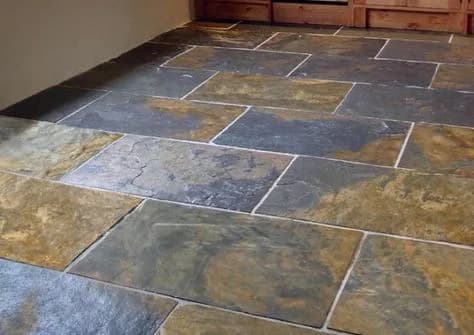
Topps Tiles Natural Slate Flooring
Topps Tiles' natural slate flooring is recognised for its durability, slip resistance and suitability for high-traffic areas, making it a go-to market leader for both homes and utility spaces in the UK. Technically superior in toughness compared with limestone and travertine, slate is also competitively priced against premium granites and offers a lower total cost of ownership than many imported reclaimed options due to its robustness. For the 2025 buyer slate is an attractive compromise between cost, longevity and authentic natural texture, though its weight can require stronger subfloors and specialist installation.
£35-95 GBP
Ca' Pietra Porcelain Stone-Effect Tiles
Ca' Pietra's porcelain stone-effect tiles deliver the technical advantages many UK homeowners demand in 2025: extreme durability, near-zero porosity and low maintenance while convincingly replicating natural stone aesthetics. Financially they often represent the most cost-efficient long-term choice versus natural stone because installation and ongoing upkeep costs are lower, and they perform better in wet or underfloor-heated environments than softer natural stones. Compared to genuine stone products on this list, Ca' Pietra trades absolute authenticity for predictable performance and value.

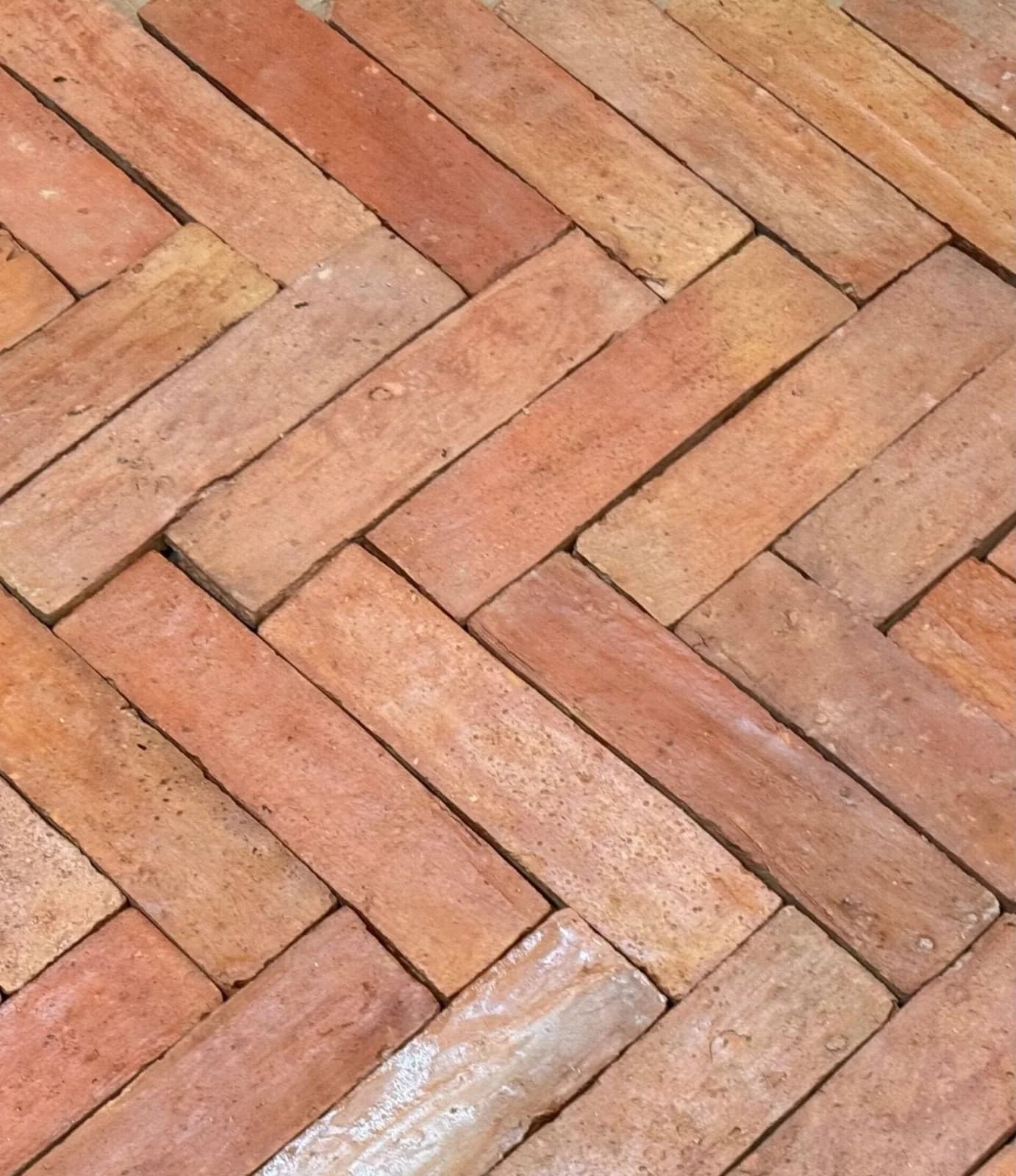
Baked Earth Reclaimed Yorkshire Stone
Baked Earth's reclaimed Yorkshire stone is positioned as the sustainable, character-led option for homeowners seeking authentic patina and historical charm in 2025, with each flagstone carrying unique wear and texture that new quarried stone cannot replicate. Its eco-friendly provenance can justify a premium price to buyers who prioritise reclaimed materials, while offering long-term aesthetic value that enhances period properties more convincingly than engineered alternatives. Technically, reclaimed stone may need additional preparation and careful grading compared with factory-produced tiles, but it delivers unmatched authenticity in the UK market.
£80-160 GBP
The Stone Tile Company Granite Flooring
The Stone Tile Company's granite flooring stands out as the hard-wearing, long-life leader for high-traffic and commercial-style domestic spaces in the UK, prized for exceptional scratch and stain resistance that few other stones can match. Although granite typically carries a higher upfront cost than limestone, slate or porcelain, its longevity and minimal maintenance often make it the most economical choice over decades, especially where durability is paramount. In the 2025 guide it is recommended where long-term resilience and a premium appearance are primary considerations.
London Stone Indian Sandstone Paving
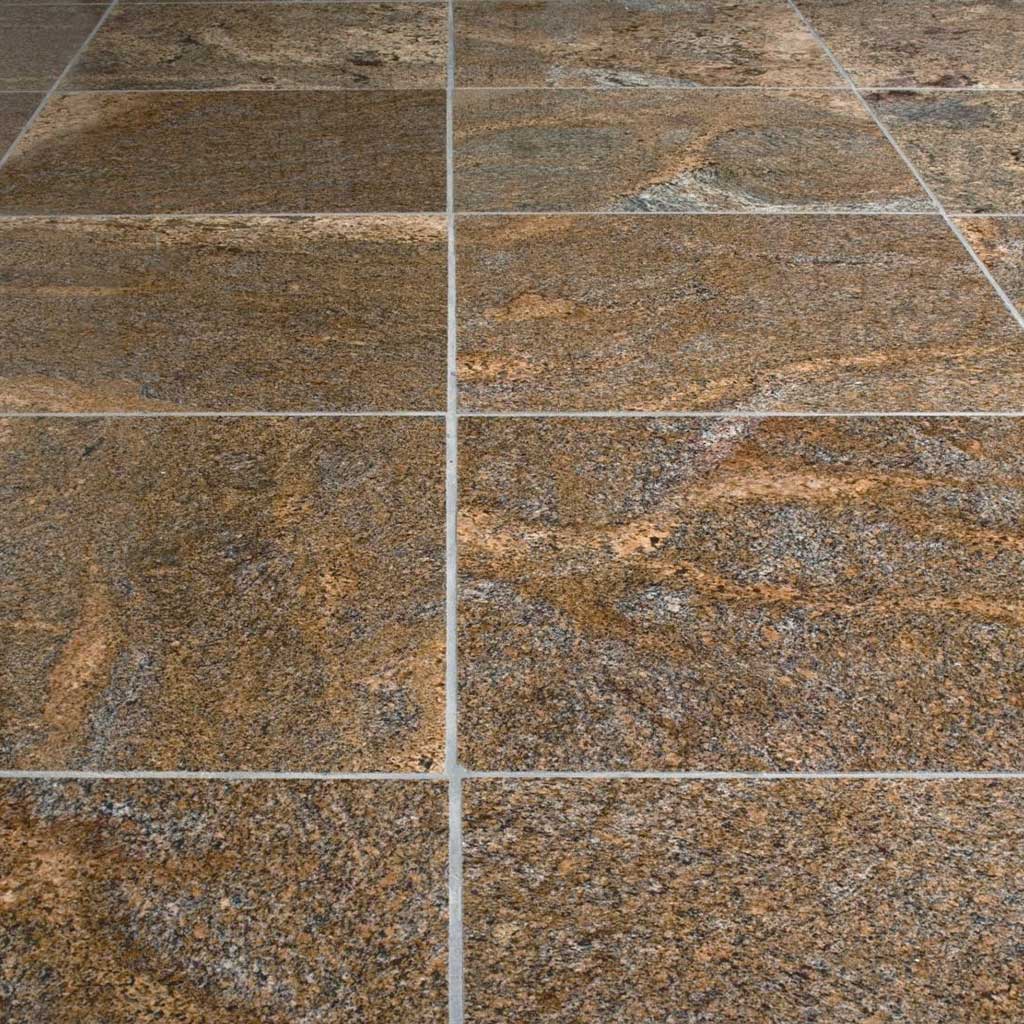
London Stone's Indian sandstone paving is a market favourite for exterior and transitional indoor-outdoor applications in UK homes, offering warm colours and a textured surface that handles garden and patio conditions well. Financially it is often more affordable than granite paving while delivering better weathered aesthetics than limestone, though its porosity means sealing is advisable to protect against UK freeze-thaw cycles. For 2025 home projects where a natural, laid-back look is desired at a sensible price, London Stone provides a dependable, attractive option.

£30-90 GBP
Stone flooring excels in British climates due to thermal stability, moisture resistance, and exceptional durability spanning 50+ years with minimal maintenance. Natural variations ensure each installation is uniquely bespoke, whilst professional sealing protects against staining and enhances longevity significantly.
What Research and Building Science Say About Natural Stone Flooring
Scientific and industry research helps explain why natural stone performs well in real homes: hardness and abrasion resistance make it long lasting, thermal mass moderates indoor temperatures, and many stones have naturally low volatile organic compound (VOC) emissions compared with some manufactured flooring. Life-cycle assessments and building-science research indicate that durable, long-lived materials can lower environmental impacts over time when responsibly sourced and installed. For British climates, stone's thermal behavior and compatibility with in-floor heating have been studied and proven useful in both comfort and energy performance.
Hardness and wear: Stone hardness is commonly measured on the Mohs scale; granite and certain marbles score higher and resist scratches and abrasion better than softer limestones and some marbles, which informs suitability for high-traffic zones.
Thermal mass: Laboratory and building-science studies show stone's thermal mass can even out temperature swings and works well with radiant floor heating to improve comfort and efficiency.
Slip resistance and finishes: Research and ASTM testing frameworks demonstrate that textured, honed, or flamed stone finishes provide better slip resistance for wet or exterior areas compared with polished surfaces.
Indoor air quality: Natural stone itself does not off-gas synthetic binders or adhesives; comparative analyses show lower VOC risks when adhesives and grouts are chosen for low emissions.
Environmental impact: Life-cycle assessments indicate that when extraction and transport are minimized and service life is long, natural stone can have competitive embodied carbon compared with frequently replaced manufactured floors.
Frequently Asked Questions
Which natural stone flooring is best for busy UK hallways?
Topps Tiles Natural Slate Flooring is the ideal choice for high-traffic areas due to its dense, slip-resistant surface and low-maintenance requirements. It offers superior toughness compared to limestone or travertine, making it highly practical for busy households.
What is the average rating for Mandarin Stone Limestone Flooring?
Mandarin Stone Limestone Flooring holds an average rating of 4.4 out of 5. This stone is highly regarded for its warm, neutral tones and versatility, offering both honed and brushed finishes that complement a wide variety of interior styles.
Are Fired Earth Travertine Tiles expensive for a kitchen renovation?
Fired Earth Travertine Tiles are positioned in the mid-range price bracket, making them a balanced choice compared to more expensive luxury granites. They provide a distinct rustic aesthetic with natural veining and pitted textures that work well in kitchens and conservatories.
Does Mandarin Stone Limestone Flooring require regular maintenance in homes?
Mandarin Stone Limestone Flooring requires sealing and occasional maintenance to preserve its appearance. It is specifically recommended for living areas and hallways where its warm golden tones and smooth feel can be best appreciated.
Conclusion
Stone flooring remains the discerning choice for UK homeowners prioritising durability, aesthetic sophistication, and genuine long-term financial value. The five selections presented—Olympia Tile Carrara White Marble, Centura London Grey Limestone, Ciot Calacatta Gold Marble, Stone Tile Depot Black Slate, and Julian Tile Mont Blanc Granite—represent the full spectrum of natural stone possibilities, from elegant classical marble with distinctive veining to robust slate's rustic appeal and granite's uncompromising durability. For those seeking the most adaptable option that performs equally well in Scottish draughts, Welsh damp, and southern sunshine, Julian Tile Mont Blanc Granite emerges as the standout recommendation, delivering low-maintenance practicality without sacrificing visual impact. We trust this guide has clarified your stone flooring options; explore our comparison tools to assess specific finishes, slab dimensions, and approved installers operating in your region.