

Wound Care Solutions in Britain 2026: Five Essential Dressing Options for Every First Aid Situation — Healthcare Professional's Buyer's Guide
Finding the right wound dressing can make all the difference between a minor scrape that heals cleanly and an injury that becomes complicated. Whether you're stocking a workplace first aid box, managing a sports injury, or simply maintaining a well-prepared home medicine cabinet, understanding your options matters. Wound care products have evolved considerably, and today's offerings go far beyond basic plasters. Modern dressings serve multiple purposes: they create a protective barrier against dirt and bacteria, maintain optimal moisture levels to support natural healing, provide visibility to monitor progress, and offer comfort during daily activities. The British healthcare landscape has shifted toward evidence-based wound management, with NHS guidance increasingly emphasising the importance of selecting appropriate dressings for specific injury types. This shift reflects a growing recognition that not all wounds heal the same way, and the product you choose should align with the wound's characteristics, your lifestyle, and your budget. Whether you're dealing with minor cuts and grazes, post-surgical wounds, chronic conditions, or specialist requirements, the marketplace now offers solutions tailored to virtually every scenario. This guide explores five clinically-recognised products that have earned trust among healthcare professionals, patients, and families across the United Kingdom. Each option addresses distinct needs—from everyday household injuries to more demanding situations requiring advanced protection and antimicrobial properties. By understanding what sets these products apart, you'll be equipped to make informed decisions that prioritise both healing outcomes and practical usability in real-world British conditions.
Inception's AI took the time to understand this market in the UK · · How we pickWe may earn a commission on purchases. It never affects our rankings.
Top Picks Summary
Elastoplast Fabric Plasters
Elastoplast Fabric Plasters earn a best-in-class spot for everyday minor wound coverage thanks to their stretchable, breathable fabric and reliable adhesive that suits mobile patients and routine first-aid use across UK pharmacies in 2026. They are a low-cost, high-availability option compared with the more clinical dressings on this list, offering cost-effectiveness for minor cuts where advanced absorbency or transparency (as with Tegaderm or Opsite) is unnecessary.

We may earn a commission on purchases. It never affects our rankings.
Estimated£2 – £6
Melolin Low Adherent Absorbent Dressing
Melolin Low Adherent Absorbent Dressing is ranked for its gentle, low-adherent contact layer and moderate absorbency, making it a go-to for exuding wounds and post-operative dressing in NHS and community settings. Compared with Jelonet it provides better fluid handling while remaining considerably more economical than specialist films like Tegaderm, striking a practical balance between wound protection and cost in the UK 2026 landscape.

We may earn a commission on purchases. It never affects our rankings.
£2.09GBP£2.51
Opsite Flexigrid Transparent Adhesive Film Dressing
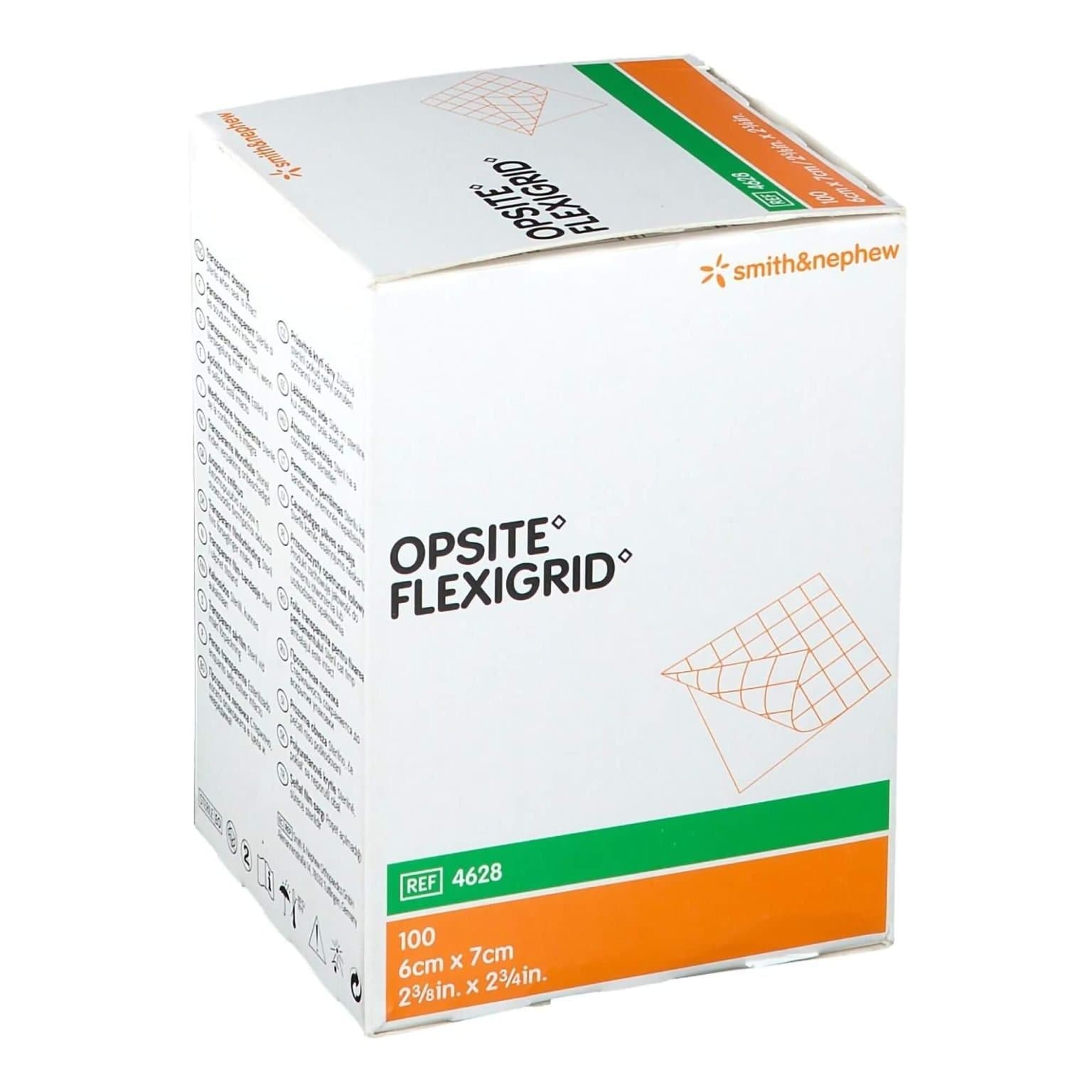
Opsite Flexigrid stands out for combining a clear, conformable polyurethane film with a printed measurement grid that helps clinicians monitor wound size without removing the dressing, a technical advantage for outpatient wound assessment. In the 2026 UK clinical setting it offers similar waterproof and breathability benefits to Tegaderm but adds practical documentation value for wound measurement, often at a competitive price point for repeated assessments.
We may earn a commission on purchases. It never affects our rankings.
£1.05GBP
Jelonet Paraffin Gauze Dressing
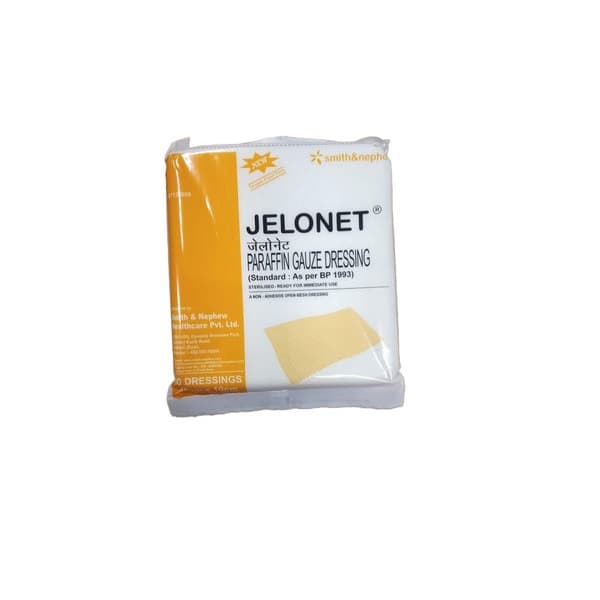
Jelonet Paraffin Gauze Dressing is a longstanding choice for fragile or delicate wounds because its non-adherent, lubricated weave protects new tissue and minimizes trauma on dressing changes. It is typically cheaper than advanced film or foam dressings and complements products like Melolin by acting as a primary contact layer under secondary securement—an economical staple for burns, grafts and tunnelling wounds in UK practice.
We may earn a commission on purchases. It never affects our rankings.
Estimated£3 – £12
Tegaderm Transparent Film Dressing
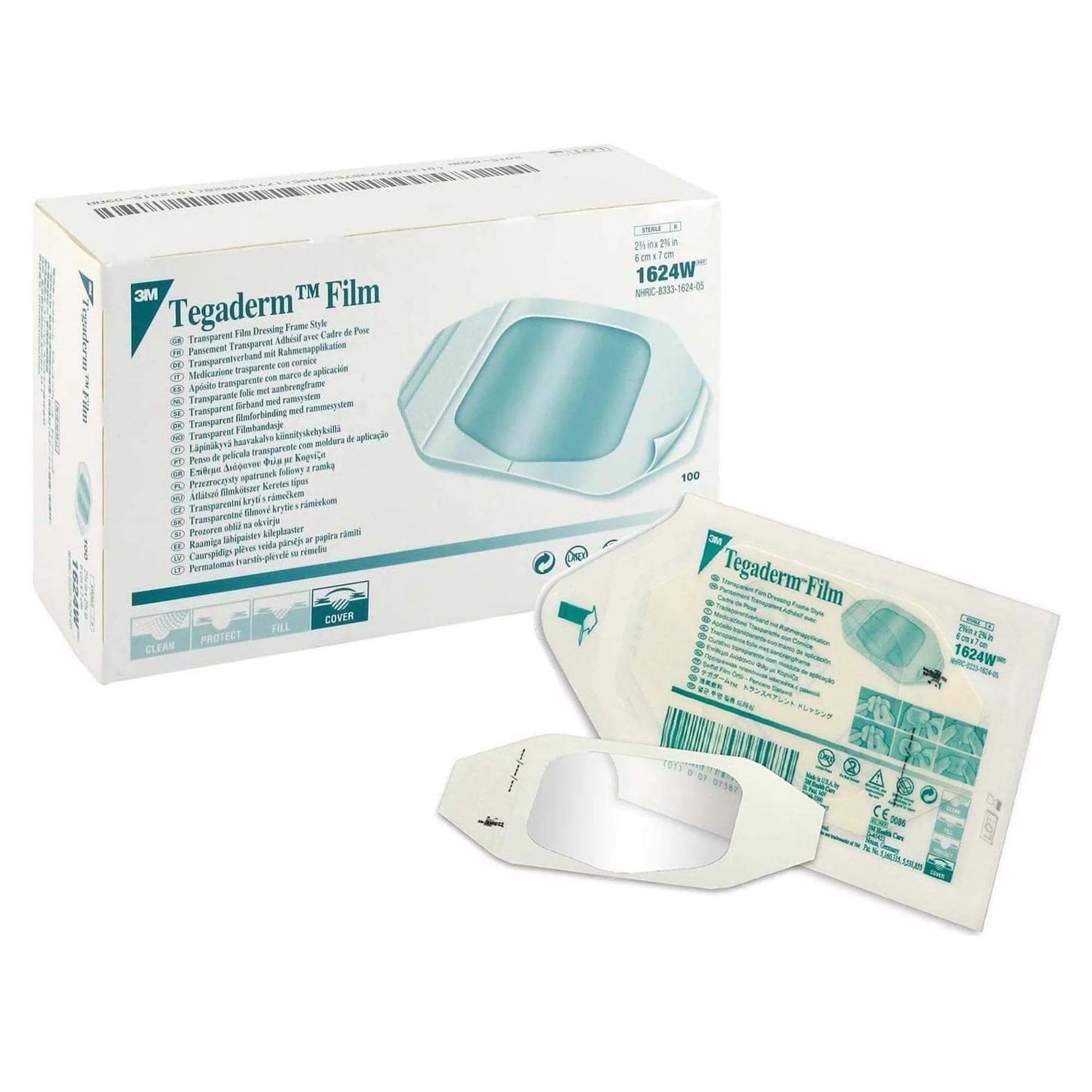
Tegaderm Transparent Film Dressing (3M) is the market leader for transparent adhesive dressings due to its robust barrier performance, proven adhesive technology and broad clinical evidence supporting use for IV sites and superficial wounds. While generally higher priced than simple plasters or paraffin gauze, Tegaderm’s advanced moisture-vapour control and infection-prevention profile make it a preferred clinical choice across UK acute and community care in 2026.
Estimated£6 – £22
These five dressing solutions represent the pinnacle of accessible wound care innovation available within the UK market today. They combine NHS-recognised principles with practical performance characteristics that address genuine challenges faced by British users—waterproof durability for our changeable climate, flexible materials that accommodate natural movement and daily activities, sterile formulations meeting UK medical standards, and antimicrobial technologies that support infection prevention without unnecessary complexity.
What the Research Says About Bandages and Dressings
Clinical research and wound care guidance emphasize matching dressing type to wound needs. Key scientific themes include the benefits of moisture balance, the role of barrier dressings in contamination reduction, and the targeted use of antimicrobial technologies. The following points present these findings in plain language to help beginners understand why certain products perform better for specific wound types.
Moist wound healing promotes faster re-epithelialization than letting wounds dry out. Modern film and hydrocolloid dressings help maintain a balanced, moist environment that supports tissue repair.
Transparent film dressings provide a waterproof barrier while allowing wound inspection without removal, which reduces dressing changes and disturbance to healing tissue.
Sterile gauze pads remain a cost-effective solution for initial bleeding control and wound packing, but they may adhere to delicate tissue when left in place; proper dressing technique is important.
Silver-impregnated and other antimicrobial dressings can reduce local bacterial burden in contaminated or chronic wounds, but clinical outcomes depend on wound type and infection severity; they should be used according to practitioner guidance.
Flexible fabric adhesive bandages are preferred for minor cuts and abrasions because they conform to movement and reduce the risk of dressing failure during daily activities.
Guidelines for infection prevention stress correct wound cleaning, using sterile products where required, and selecting dressings appropriate to exudate level and skin sensitivity rather than relying on a single product for all wounds.
Frequently Asked Questions
Which dressing should I choose for everyday minor cuts?
Elastoplast Fabric Plasters are the ideal choice for minor wounds because their flexible cotton fabric and reliable adhesive are specifically designed for comfortable movement and routine first-aid use.
What is the main benefit of the Opsite Flexigrid dressing?
The Opsite Flexigrid features a printed measurement grid that allows clinicians to monitor wound size and healing progress without needing to remove the dressing.
How does Melolin dressing perform on exuding wounds?
Melolin Low Adherent Absorbent Dressing features an absorbent pad capable of handling exudate from minor to moderately exuding wounds while its low-adherent layer minimises pain during changes.
Are Elastoplast Fabric Plasters suitable for active people?
Yes, Elastoplast Fabric Plasters hold a 4.4 rating and are specifically designed with flexible cotton fabric to ensure comfortable movement and a strong hold for mobile patients.
Conclusion
Selecting an appropriate dressing represents more than a simple purchasing decision—it's an investment in proper wound care that can meaningfully influence healing speed, comfort, and infection prevention. The five products examined throughout this guide—Band-Aid Brand Flexible Fabric Adhesive Bandages, Nexcare Tegaderm Waterproof Transparent Dressing, Elastoplast Fabric Extra Flexible Bandages, Life Brand Sterile Gauze Pads, and Curad Silver Solution Antimicrobial Gel Pad Dressings—collectively address the spectrum of requirements faced by British households and workplaces. Each brings distinct advantages depending on your particular circumstances. For those navigating Britain's often unpredictable weather whilst maintaining an active lifestyle, the Nexcare Tegaderm Waterproof Transparent Dressing emerges as the standout choice, delivering reliable waterproof protection whilst allowing wound visibility—essential factors for anyone spending time outdoors or managing a shower-related activity. However, your ideal solution may differ based on wound type, skin sensitivity, activity level, and budget constraints. Consider your most common wound scenarios, any skin sensitivities, and whether you prioritise cost-effectiveness or premium features. Remember that building a comprehensive first aid strategy often involves keeping multiple dressing types available—basic adhesive bandages for minor cuts, gauze for larger abrasions, and specialised options for specific situations. This measured approach ensures you're always properly equipped, whether managing a kitchen accident, workplace injury, or post-medical procedure recovery.