Top 5 Sanding Tools in the UK for 2026
Published on Monday, 26 January 2026
Sanding tools are essential for smoothing surfaces and preparing materials for finishing. This category covers a range of sanders and sanding accessories designed for wood, metal and paint preparation, including multi-sanders, random orbit sanders, eccentric sanders and compact detail sanders. In the UK market consumers favour tools that combine dust extraction, ergonomics, reliable performance and compatibility with common abrasive systems. Hobbyists tend to prefer compact, lightweight models for small projects, while professionals look for powerful motors, long life, low vibration and ease of abrasive replacement. Price, brand reputation and availability of replacement pads and dust bags also shape buying decisions, with an increasing priority on dust control and cordless convenience in 2026.
Top Picks Summary
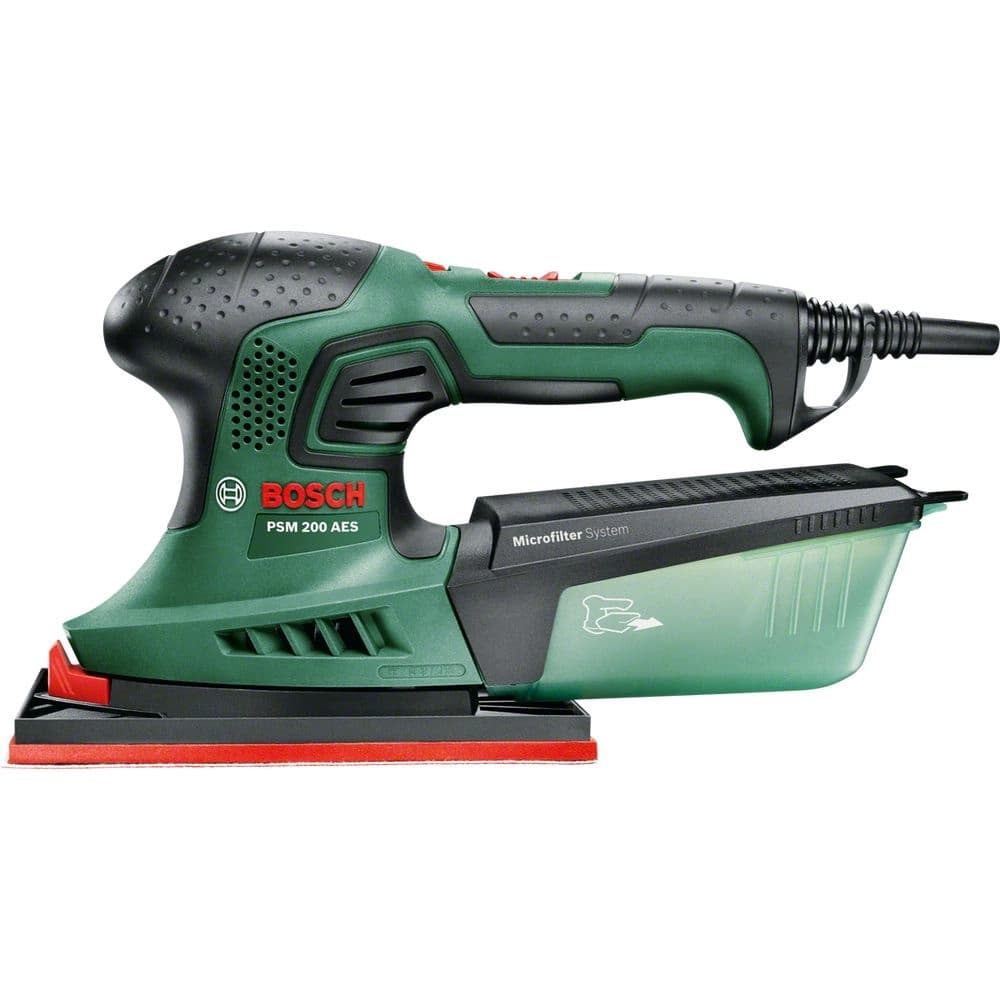
Bosch PSM 200 AES Multi-Sander
The Bosch PSM 200 AES Multi-Sander is a compact, versatile sander with a triangular pad that excels at edges and tight corners, making it the go-to choice for detailed sanding tasks. Compared with the larger random-orbit models in this list it offers lower cost and lighter weight but less aggressive material removal than the Makita and DeWalt, and while it can’t match Festool’s finish or dust control it delivers better precision in small spaces than the Black+Decker.
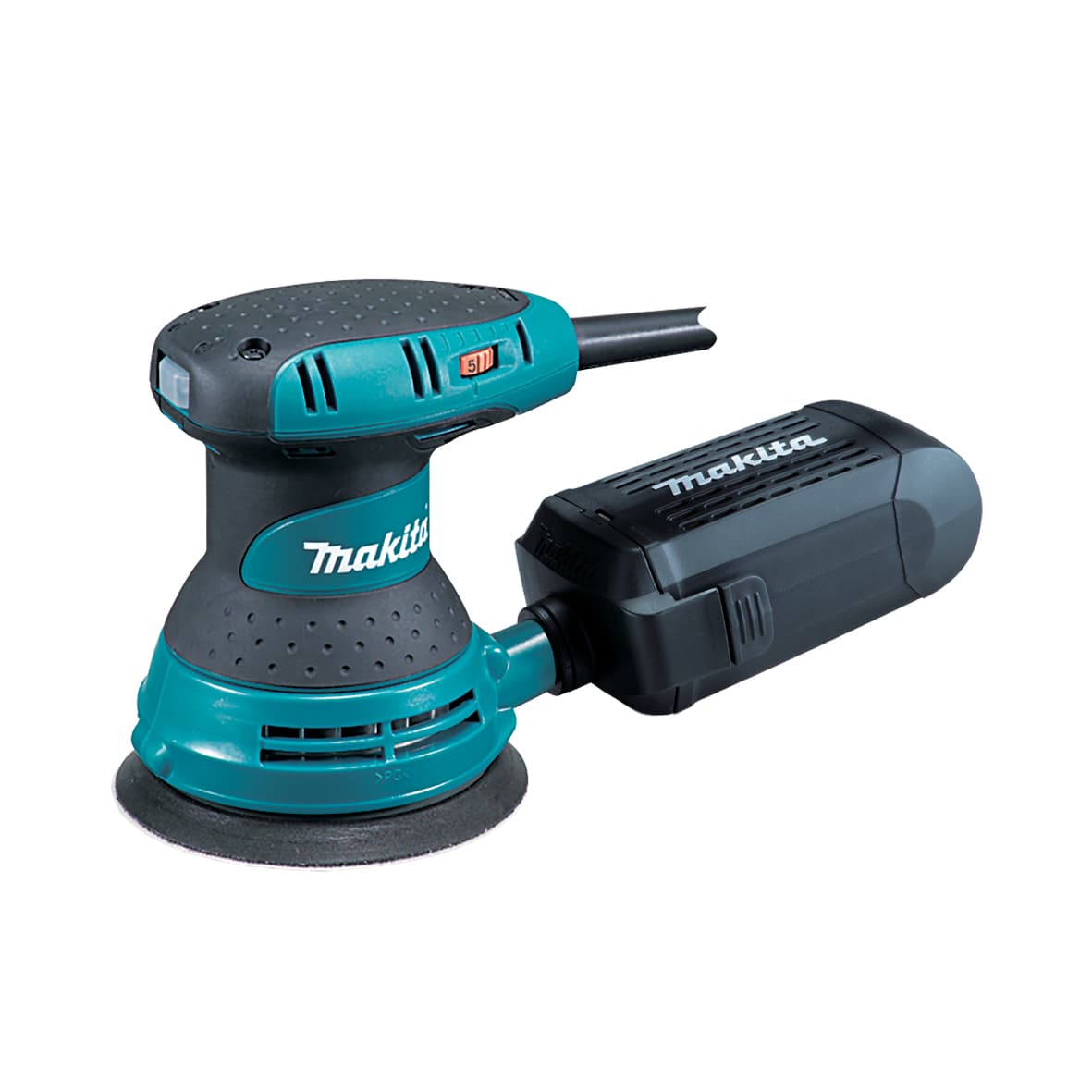
Makita BO5031 Random Orbit Sander
The Makita BO5031 is a well-balanced random-orbit sander that provides reliable power, smooth finishes and solid dust collection for both hobbyists and professionals, positioning it as a strong value-for-performance option. It undercuts Festool on price while offering greater durability and sanding area than the Bosch multi-sander and the Black+Decker compact, and it competes closely with DeWalt for mid-range users who want longevity without premium system costs.
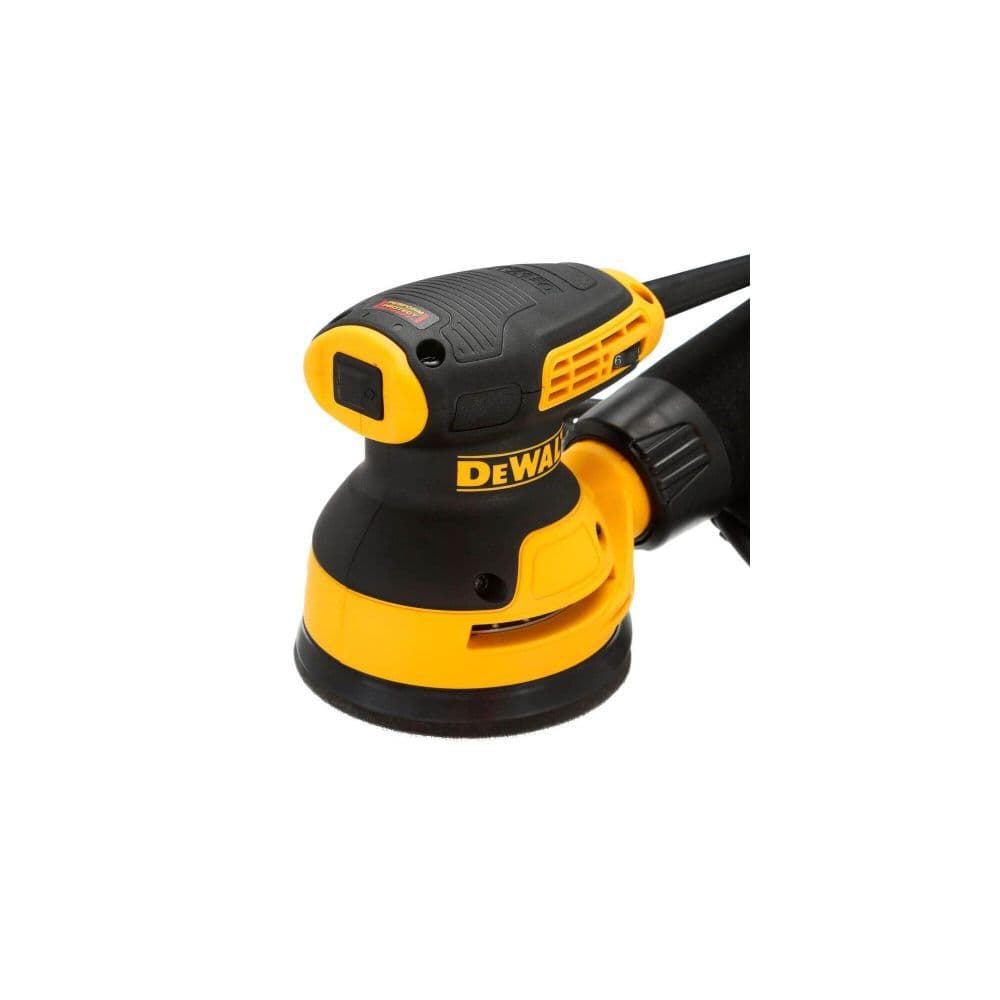
DeWalt DWE6423 Random Orbit Sander
The DeWalt DWE6423 is a jobsite-focused random-orbit sander with robust construction, consistent removal rates and effective dust management, making it a favorite for contractors who need dependable daily performance. It typically costs more than the Bosch and Black+Decker options but delivers tougher build quality and steadier power than those entry-level units, while remaining a more affordable alternative to Festool’s professional-grade system.
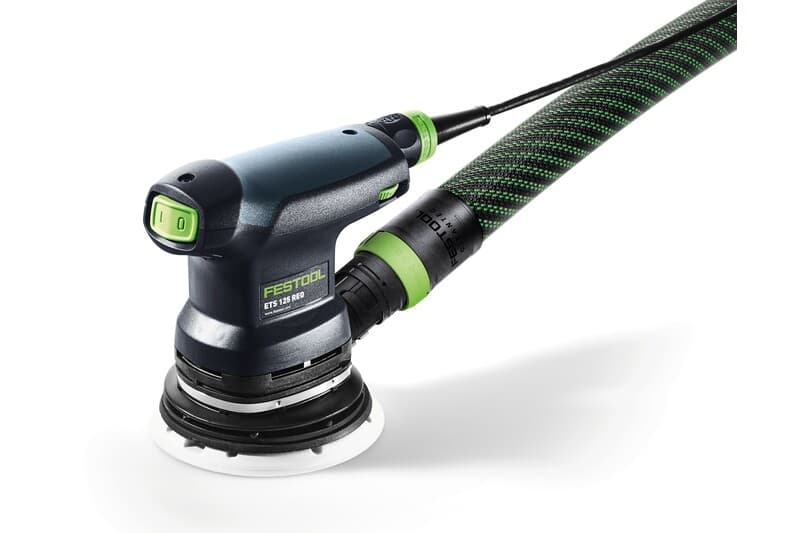
Festool ETS 125 REQ Eccentric Sander
The Festool ETS 125 REQ is the market leader for finish quality among sanding tools, offering an eccentric orbit, minimal vibration and class-leading dust extraction that produce exceptionally smooth, repeatable results. It commands a premium price compared with Bosch, Makita, DeWalt and Black+Decker, but its technical advantages and integrated system accessories justify the investment for professionals who prioritize speed, flawless finish and a cleaner work environment.
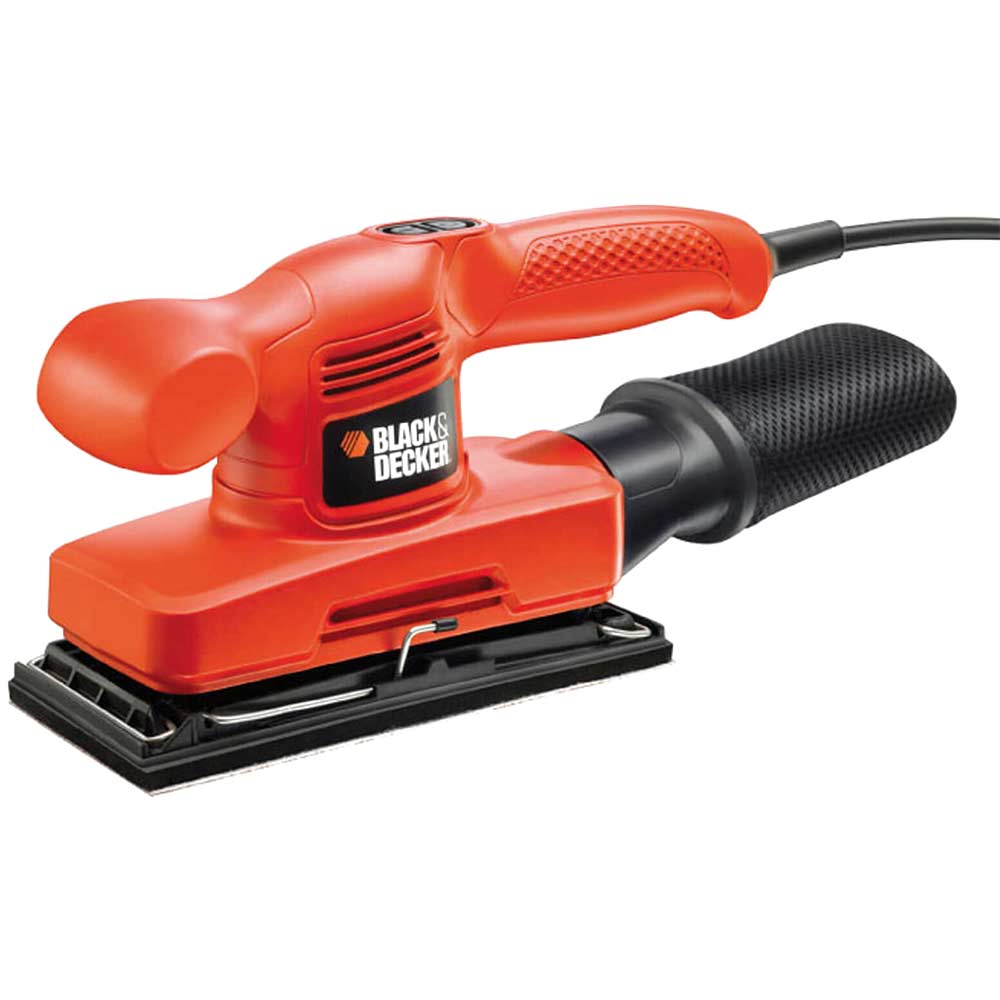
Black+Decker KA310 Compact Mouse Sander
The Black+Decker KA310 Compact Mouse Sander is a budget-minded, lightweight tool optimized for detail work in tight spots and quick touch-ups, offering one of the lowest costs in this roundup. It won’t match the power, dust control or lifespan of the Makita, DeWalt or Festool units, but its affordability and portability make it the best economical pick for casual DIYers and small projects where precision in corners matters more than heavy material removal.
Why sanding matters: research and practical guidance
Scientific and industry research shows that proper sanding improves coating adhesion, reduces surface defects and creates a more uniform finish. Materials science studies quantify how grit progression and abrasive type affect surface roughness, while occupational health research highlights the importance of dust control to limit respiratory exposure to fine particles. Ergonomics and vibration measurements demonstrate that lower vibration and good handle design reduce user fatigue and the risk of long term hand-arm vibration effects. For beginners, these findings translate to simple practices: select the right sander type for your material, follow a sensible grit progression, and use extraction or masks to reduce dust inhalation.
Improved adhesion and finish quality result from correct grit progression and consistent sanding pressure.
Random orbit and eccentric sanders reduce swirl marks compared with plain orbital units, according to surface roughness tests.
Dust extraction and on-tool collection significantly reduce airborne particles; occupational guidelines recommend using extraction plus a suitable mask for fine dusts.
Lower vibration levels and ergonomic grips decrease fatigue and the long term risk of hand-arm vibration syndrome.
Matching abrasive grade and pad size to the tool and material speeds up work and extends abrasive life.
Frequently Asked Questions
Which sander should I choose for corner sanding jobs?
Choose the Bosch PSM 200 AES Multi-Sander, since its compact triangular pad is made for edges and tight corners, and it’s described as ideal for detailed sanding tasks.
What orbit size does the Makita BO5031 use?
The Makita BO5031 Random Orbit Sander uses a 3.0mm orbit on its 125mm random orbit base for efficient, swirl-free finishing, and it has an average rating of 4.5.
Is the DeWalt DWE6423 worth paying more for?
The DeWalt DWE6423 typically costs more than the Bosch and Black+Decker option, but it offers robust 125mm random-orbit performance with ~2.8–3.0mm orbit and an average rating of 4.6.
Do these random orbit sanders accept hook-and-loop discs?
The Makita BO5031 fits standard hook-and-loop sanding discs and includes a dust port for extraction, with an average rating of 4.5; warranty duration isn’t provided in the data.
Conclusion
Whether you are finishing a DIY project or working on professional joinery, the top five sanders here balance performance, ergonomics and dust control for UK users. The Bosch PSM 200 AES Multi-Sander is a versatile all-rounder for small to medium jobs, the Makita BO5031 Random Orbit Sander offers reliable mid-range performance, the DeWalt DWE6423 Random Orbit Sander combines power and durability, the Festool ETS 125 REQ Eccentric Sander stands out as the best overall choice for users who want premium finish quality and industry-leading dust extraction, and the Black+Decker KA310 Compact Mouse Sander is ideal for tight spots and budget-conscious buyers. I hope you found what you were looking for; you can refine or expand your search using the site search to compare specifications, prices and accessory compatibility.