Hand Planes: Top 8 Picks in the UK for 2026 — Complete Guide and Buying Advice
Published on Tuesday, 27 January 2026
Hand planes are classic woodworking tools used to flatten, smooth and shape wood by removing thin shavings. In the UK the category appeals to a wide range of users from conservation joiners and professional cabinetmakers to hobbyist woodworkers and DIYers who value control, finish quality and sustainability. Consumers tend to prefer planes with reliable blade steels, well-fitted soles and comfortable handles that reduce fatigue during extended use. Traditional British and international brands, plus high-quality modern makers, compete with a lively secondhand market and a growing interest in restored vintage planes. Key buying considerations for UK shoppers include plane type (smoothing, jack, jointer, block), blade material and grind, adjustability, flatness of the sole, overall weight and ergonomics, and availability of replacement blades or sharpening services. Cost, resale value and the ability to work in small urban workshops or heritage projects also shape preferences across the market.
Top Picks Summary
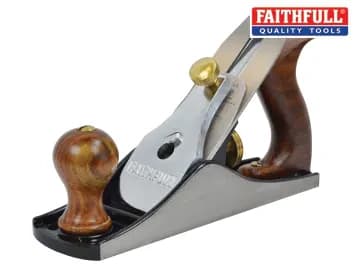
Faithfull No 4 Smoothing Plane
The Faithfull No. 4 Smoothing Plane offers solid cast-iron construction and reliable performance at a mid-range price, giving hobbyists better build quality than entry-level Silverline or Draper models. It sits between economical staples and premium planes like Lie-Nielsen, delivering good out-of-the-box edge-holding and value-for-money for routine smoothing tasks.
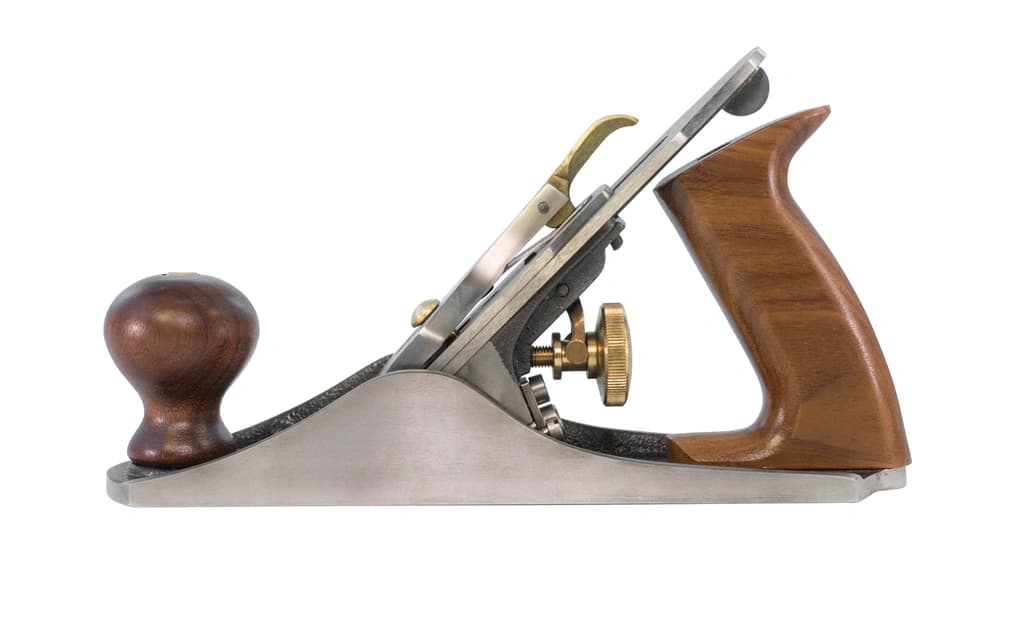
Clifton No 4 Bench Plane
The Clifton No. 4 Bench Plane is a high-quality British-made smoothing plane with careful attention to fit, finish and often a tuned blade, positioning it close to premium brands. It provides many of the technical refinements of Lie-Nielsen or Veritas but can be a more cost-effective choice for craftsmen seeking premium performance without the very highest price.
Why Hand Planes Matter: Research-Backed Benefits
Scientific and professional literature in ergonomics, occupational health and skill acquisition helps explain why hand planes remain valuable tools. Research on manual tasks shows clear links between tool design and user comfort, and studies in occupational health stress the advantages of lower noise and reduced mechanical vibration when using hand tools rather than powered machinery. Evidence from motor learning and rehabilitation fields highlights how fine manual tasks support precision, hand-eye coordination and sustained attention. For sustainable practice, lifecycle assessments repeatedly show that hand tools consume far less energy than powered equipment for many finishing tasks.
Ergonomics and comfort: Ergonomic research indicates that well-designed handles and balanced weight reduce muscle strain and the risk of repetitive stress when tasks are performed correctly and with suitable posture.
Lower noise and vibration: Occupational health studies show that manual tools produce less noise and vibration exposure than equivalent powered tools, lowering hearing and hand-arm vibration risks in the workshop.
Precision and motor skills: Studies in motor learning and rehabilitation demonstrate that repetitive fine motor tasks improve dexterity and control, which translates into more accurate, repeatable work with planes.
Airborne particles and dust: Compared with sanding with power sanders, manual planing can produce fewer fine airborne dust particles when shavings are removed whole, which reduces respirable dust exposure if good workshop practice is followed.
Sustainability: Life cycle comparisons show that hand tools have much lower energy demand and carbon footprint than powered tools for many finishing operations, supporting low-impact woodworking practices.
Frequently Asked Questions
Which hand plane is best for a beginner woodworker?
The Stanley No. 4 Smoothing Plane is the ideal choice for beginners because it balances a traditional design with an affordable price point. It features a cast-iron body with an adjustable mouth for fine shavings and is widely available for those starting their first workshop projects.
What makes the Lie-Nielsen No. 62 good for endgrain?
The Lie-Nielsen No. 62 Low Angle Jack Plane features a low-angle design that specifically excels at cutting difficult grain and endgrain work. It is constructed with a precision-machined ductile iron body and a high-quality A2/HSS blade to ensure tight tolerances and long edge life.
Is the Faithfull No 4 worth the price for hobbyists?
The Faithfull No. 4 Smoothing Plane is a solid choice for hobbyists, offering robust cast-iron construction at a mid-range price point. It provides better build quality than entry-level models and arrives sharp out-of-the-box, making it a reliable option for occasional use.
How does the Stanley No. 4 rating compare to others?
The Stanley No. 4 Smoothing Plane holds an average rating of 4.3, making it a highly regarded tool for those seeking classic reliability. It is a versatile toolbox staple that remains a popular choice for both busy workshops and those who prefer traditional Bailey-style frog designs.
Conclusion
Hand planes remain a key tool for UK woodworkers who value control, finish quality and low-impact working methods. Although this page lists zero top picks for 2026, the guidance above will help you refine your search and choose the right plane for your needs. We hope you found the information useful — use the search or filters to expand your results, check specialist suppliers and secondhand listings, or return for updated recommendations.