Plastic Storage Containers — Top 5 Options in the UK for 2026
Published on Monday, 26 January 2026
Plastic storage containers are versatile, affordable and widely used solutions for home and commercial organisation in the UK. They cover food storage, meal prep, pantry and fridge organisation, transportable lunch boxes, and general household storage. In recent years UK buyers have prioritised airtight, stackable and space-saving designs, clear or translucent bodies for easy content recognition, and food-grade materials such as polypropylene (PP), polyethylene terephthalate (PET) and high density polyethylene (HDPE). Sustainability and safety now strongly influence purchases: consumers look for BPA-free certification, recycled-content plastics, clear recycling codes and longer-lasting, reusable designs. For 2026 the market trends favour modular systems, smart-label compatibility, and products from brands that publish material sourcing and end-of-life guidance.
Top Picks Summary
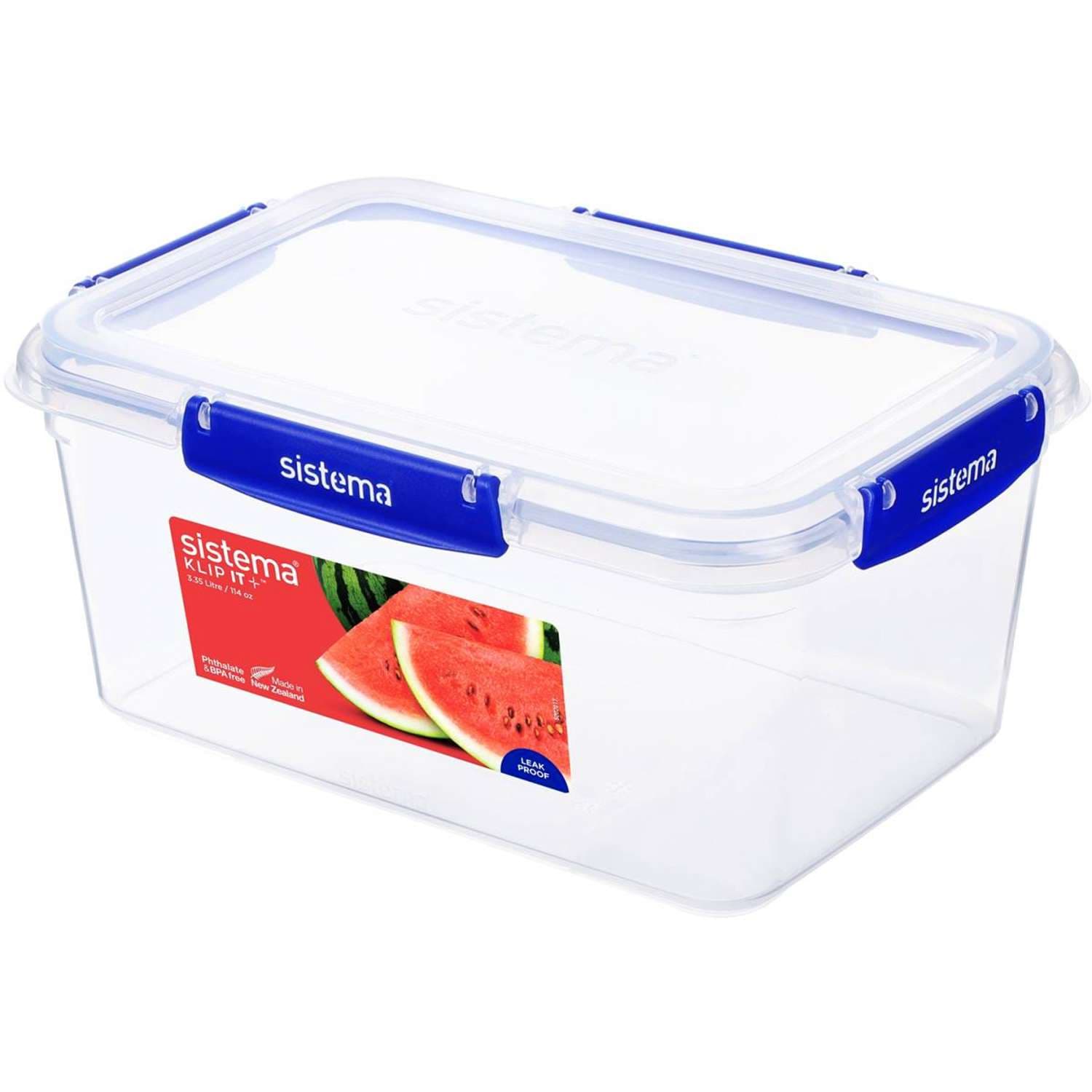
Sistema Klip It Plus Container
The Klip It Plus container earns best-in-class status for everyday food storage thanks to its reliable clip-and-seal lids, clear walls and microwave/dishwasher-safe construction that balance performance and price. Compared with the design-forward Joseph Joseph and the budget-friendly IKEA 365+, Sistema stands out for its consistently tight seals and affordability, making it a practical middle ground between premium locking systems and the large, recycled bins from Curver. Its technical advantage is a simple, user-friendly closure system that reduces food waste and replacement cost over time.
Curver Infinity Recycled Storage Box
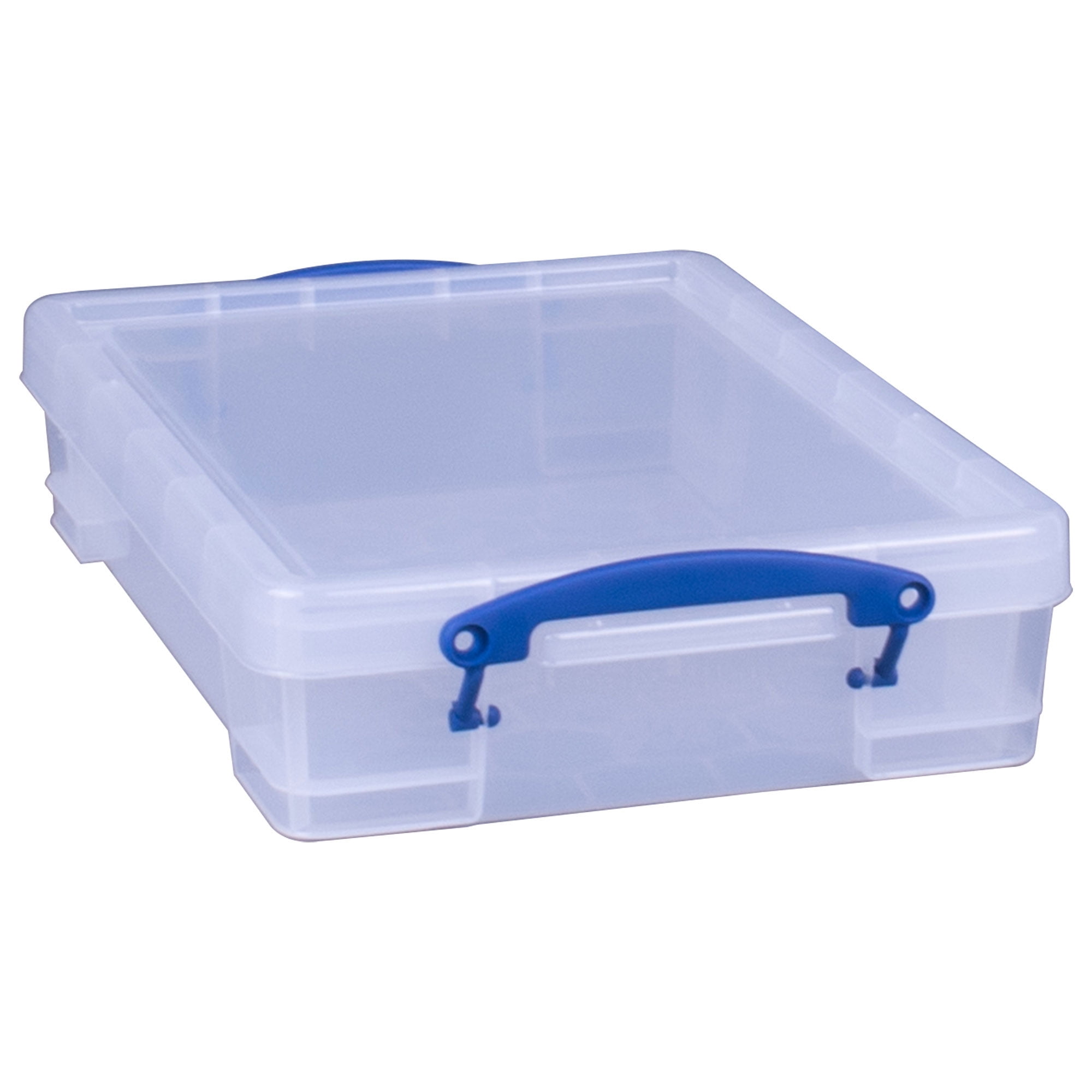
The Infinity Recycled Storage Box is a market leader for sustainable bulk storage, using a high percentage of recycled polypropylene to deliver large-capacity, durable bins at a competitive price point. Against the heavy-duty Really Useful Box it trades ultimate industrial toughness for a lower environmental footprint and better retail pricing for household buyers, while offering greater capacity than compact sets like Joseph Joseph and Sistema. Its selling point is the eco-focused material mix that lowers lifecycle emissions and appeals to cost- and climate-conscious shoppers.

Joseph Joseph Nest Lock Container Set
The Nest Lock container set is best-in-class for space-saving, kitchen-centric organization with an innovative locking and nesting system that reduces storage footprint and simplifies portioning. It commands a premium compared with the budget-friendly Sistema and IKEA models, but delivers superior modularity and smarter lid design that outperforms Curver and Really Useful Box for countertop and cupboard use. Technically, its nested stackability and color-coded seals minimize wasted space and make it ideal for users prioritizing neat, efficient kitchen storage.

Really Useful Box
Really Useful Box is the market leader for heavy-duty plastic storage, prized for thick-walled construction, secure stacking features and a broad size range that serves commercial, archival and moving needs. While it lacks the food-grade seals of Sistema or the eco-appeal of Curver, its long service life and resistance to impact give a lower total cost of ownership for storage and transport applications compared with more kitchen-focused brands. The technical advantage is straightforward durability—if you need rugged, stackable containers that survive rough handling, this brand outperforms the rest.
IKEA 365+ Food Container
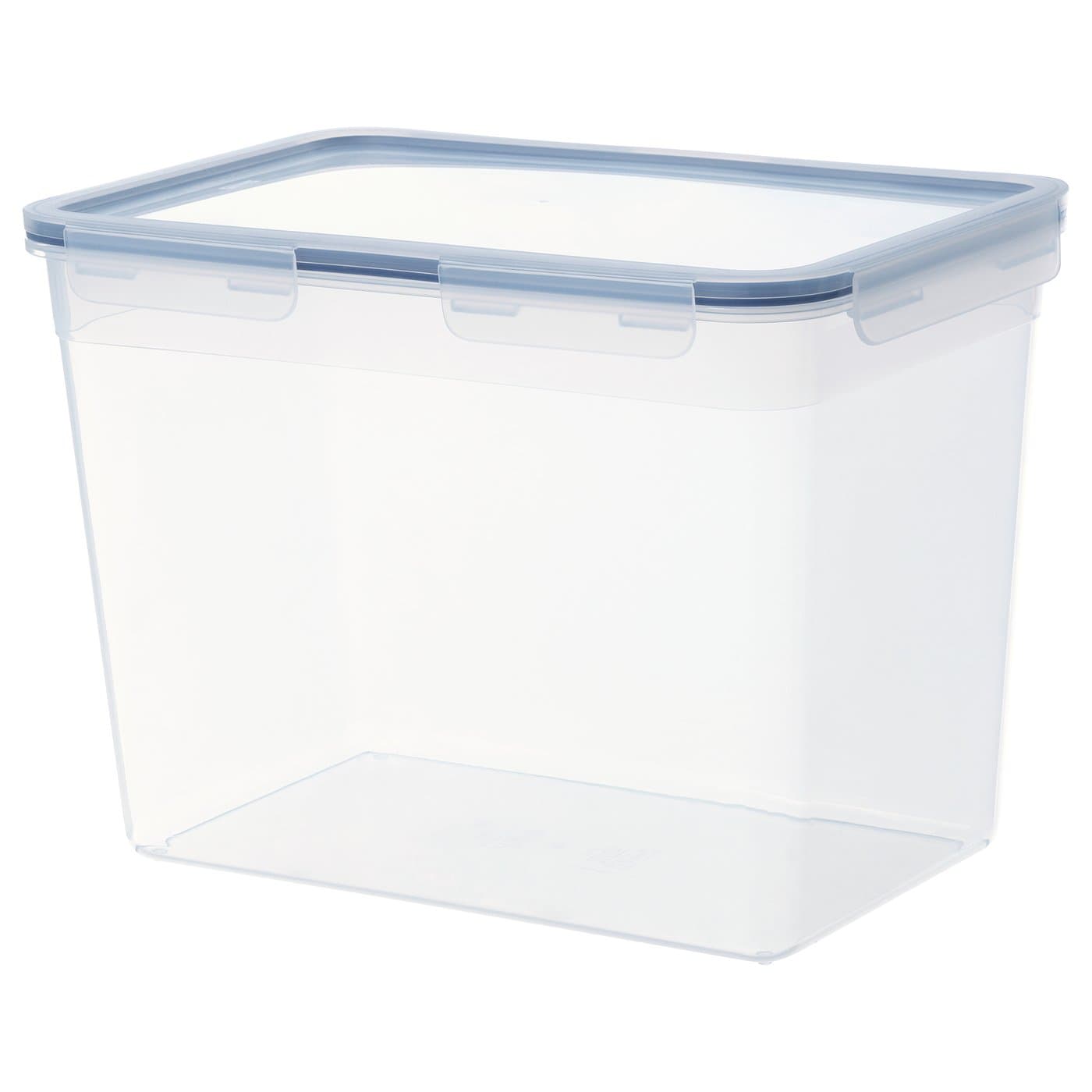
The IKEA 365+ food container is a value-oriented choice that pairs Scandinavian minimalism with dependable performance and exceptionally broad retail availability, making it a go-to for budget-minded households. It undercuts premium sets like Joseph Joseph on price while offering better everyday usability than larger, recycled utility bins such as Curver; compared with Really Useful Box it is optimized for food and kitchen convenience rather than heavy lifting. Its financial advantage is supply-chain-driven affordability and easy replacement access across global stores.
Research and safety notes on plastic storage containers
Scientific research and policy guidance help explain the benefits and limits of plastic storage containers. Food safety authorities in the UK and EU set standards for food contact materials, and research supports that properly made food-grade plastics are safe when used according to manufacturer instructions. Studies and industry analysis also show that airtight, reusable containers can reduce household food waste by preserving freshness and slowing spoilage. Environmental assessments, including life cycle analyses, indicate that long-lived reusable plastic containers frequently have a lower overall carbon and resource footprint than repeatedly replacing single-use items or choosing heavier alternatives when they are not reused. At the same time, scientific literature highlights microplastic pollution and the importance of durability, correct use and proper recycling or reuse to reduce environmental impact.
Food safety: UK and EU guidance requires that food contact plastics meet migration and composition limits; choose products labelled as food safe.
BPA and substitutes: research shows BPA concerns led to wide adoption of BPA-free plastics; alternatives are regulated and tested but follow manufacturer heating instructions.
Food waste reduction: studies, including work by WRAP, show that better storage and portioning reduce household food waste and associated emissions.
Life cycle thinking: life cycle assessments show durable, reusable containers can outperform single-use or frequently replaced alternatives on greenhouse gas and resource use.
Microplastics: scientific work flags microplastic release from degraded plastic, so prefer durable containers, avoid abrasive cleaning that can accelerate wear, and follow disposal guidance.
Recycling and codes: containers made from PET (1), HDPE (2) and PP (5) are among the most widely recyclable in UK kerbside systems; recycled-content products reduce virgin plastic demand.
Frequently Asked Questions
Which plastic container is best for everyday meal prep?
The Sistema Klip It Plus Container is ideal for meal prep because it features snap-lock lids for secure sealing and a lightweight, stackable design that is microwave and dishwasher safe.
What material is the Curver Infinity Recycled Storage Box made from?
The Curver Infinity Recycled Storage Box is manufactured from recycled polypropylene, which helps reduce the use of virgin plastic while providing a durable solution for bulk home storage.
How does the Joseph Joseph Nest Lock save cupboard space?
The Joseph Joseph Nest Lock container set features a nesting design that allows multiple containers to stack inside one another, significantly reducing the storage footprint in your kitchen cupboards.
Are Sistema Klip It Plus containers safe for the freezer?
Yes, the Sistema Klip It Plus containers are freezer safe, in addition to being BPA-free and suitable for use in the microwave and top-rack dishwasher.
Conclusion
Plastic storage containers remain a practical and cost effective choice for UK households in 2026, especially when you pick food-grade, reusable designs and follow safe use and recycling guidance. We hope this overview helped you understand the category and its key benefits. If you did not find exactly what you need, try refining your search by size, material (PP, PET, HDPE), features (airtight, stackable, microwave-safe), or sustainability options like recycled content.