Best Pet Bird Disinfectants and Cage Cleaners UK 2026 | Avian-Safe, Vet-Approved Hygiene Products
Published on Tuesday, 3 February 2026
Quick answer: F10SC (benzalkonium chloride plus PHMB, diluted 1:250) is the veterinary benchmark for UK bird keepers, Vetark Ark-Klens at 10ml per 5 litres of water is the purpose-built avian option, and Johnson's Clean 'n' Safe is the phenol-free budget pick — but whichever you choose, move the bird out of the room first, clean off the mess before you disinfect, then ventilate and let everything dry before the bird goes back. Keeping your feathered companions healthy starts with choosing the right cleaning regime for their living environment. UK bird owners increasingly recognise that standard household disinfectants can harm sensitive avian respiratory systems, prompting a shift towards specialist, veterinary-endorsed products. This guide examines five leading bird-safe cleaning solutions that effectively eliminate pathogens whilst maintaining a safe haven for budgies, parrots, cockatiels and other pet birds. Whether you're managing a single cage or multiple aviaries, these formulations deliver proven antimicrobial efficacy without the harsh fumes or toxic residues that can compromise your bird's wellbeing. We've focused on products with clear dilution instructions, realistic application guidance, and transparent ingredient lists that UK vets recommend. From concentrated solutions requiring precise mixing to convenient pre-formulated sprays and wipes, this selection addresses different cleaning scenarios and preferences. Each option has been assessed for effectiveness against common avian pathogens, ease of use in domestic settings, and suitability for regular maintenance routines. British bird keepers deserve access to professional-standard hygiene without the complexity or expense of specialised veterinary services.
Top Picks Summary
F10SC Veterinary Disinfectant
F10SC is positioned as the best-in-class veterinary-grade disinfectant for bird-safe environments due to its broad-spectrum activity, low toxicity and established use in clinical settings; it is more technically robust than simple stain removers and general-purpose cleaners on this list. Although typically higher in upfront cost, its concentrated formula and validated contact times deliver strong per-use value for facilities that require reliable, repeatable pathogen control compared with general-purpose household cleaners and spot stain removers.
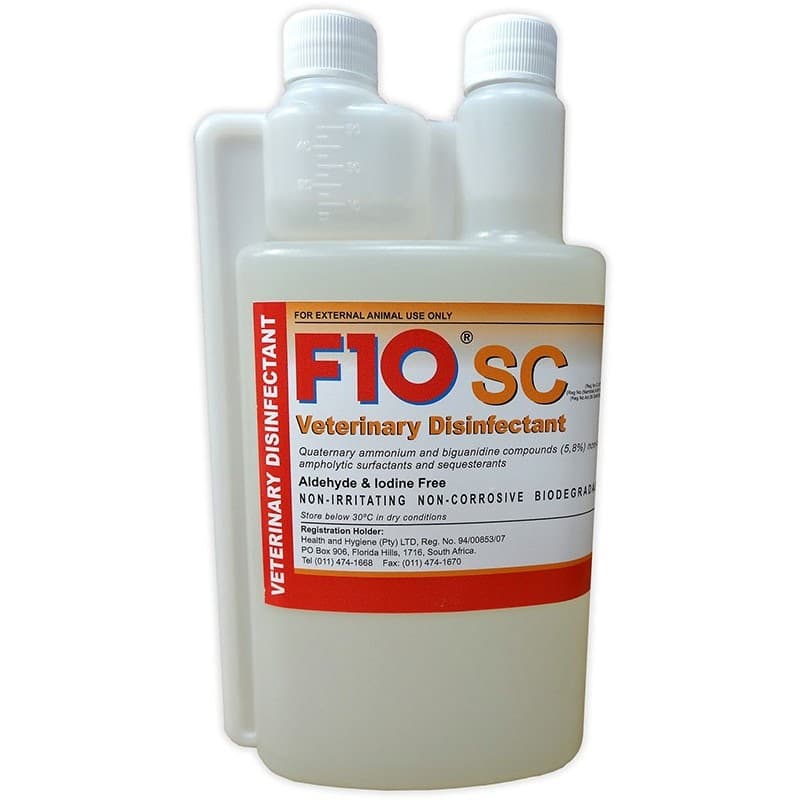
£16 – £37
Vetark Ark-Klens Avian Disinfectant
Vetark Ark-Klens is positioned as the best-in-class choice for avian environments because it was formulated specifically for birds and endorsed by practicing avian veterinarians; it balances vet-grade antimicrobial activity with a low-toxicity, neutral-pH formula and comes with clear, real-world dilution guidance for daily maintenance and higher-strength outbreak protocols. Compared with the cheaper household-focused options on this list, Ark-Klens offers a technically tuned solution that reduces respiratory irritation risk in sensitive species while remaining competitively priced against premium hospital-grade products like F10.
Johnson's Clean 'n' Safe Small Animal Disinfectant
Johnson's Clean 'n' Safe earns the market-leader spot for value and accessibility, delivering a veterinary-aware disinfectant at a lower price point suitable for small animal clinics and owners; its simple dilution instructions make it practical for routine aviary cleaning and quick turnarounds. Compared with Vetark's avian-specialist formula it is more economical and widely stocked, though marginally less optimized for highly sensitive bird species, making it a strong budget-friendly alternative for everyday use.

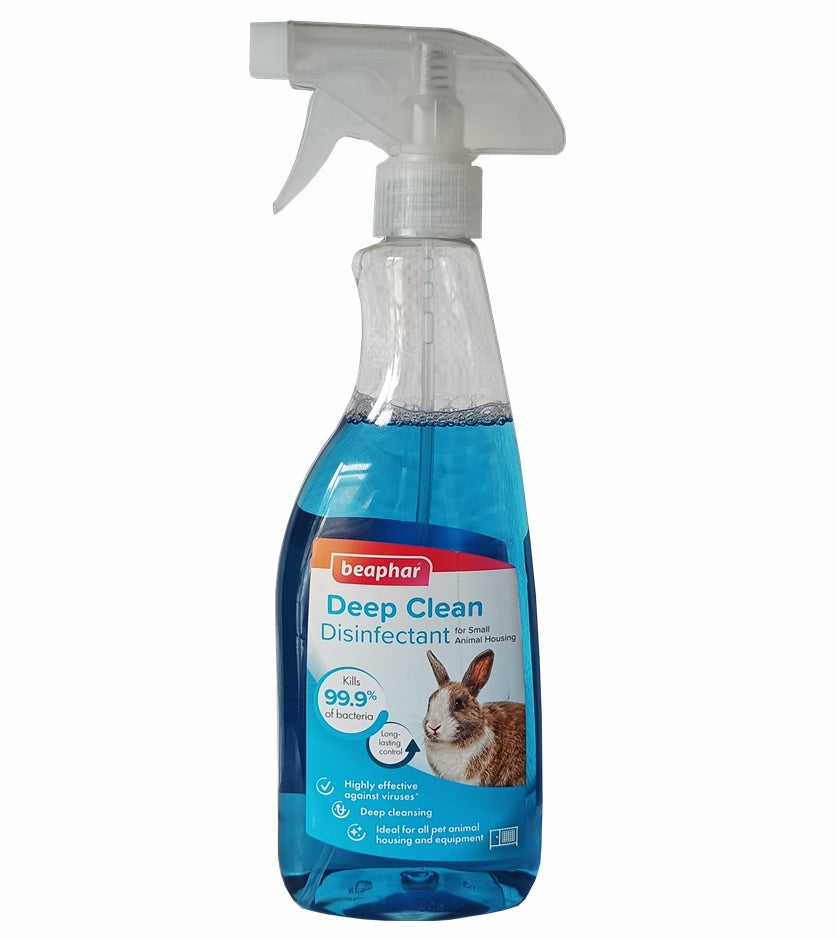
Beaphar Deep Clean Disinfectant
Beaphar Deep Clean is the retail-friendly option that combines non-toxic ingredients with broad availability across UK pet channels, making it a go-to for owners who want an easy-to-use, clearly dosed product for cages and furniture. While it is not positioned as a clinic-grade formulation like Ark-Klens or F10, its financial advantage is strong: lower unit cost and frequent multi-pack promotions, and it still provides practical dilution guidance suitable for routine bird-safe sanitation.
Avizandum F10 Avian Disinfectant
Avizandum F10 is the clinical benchmark on this list, prized for its broad-spectrum, veterinary-proven efficacy and long-established track record in avian outbreak control; its technical strengths include documented activity across bacteria, viruses and fungi and a precise dilution chart for routine cleaning versus high-level disinfection. The trade-off is cost — F10 is typically the more expensive option compared with household brands — but for rescue centres or practices facing infectious challenges its higher upfront price is offset by reduced disease risk and demonstrated laboratory efficacy.
These recommended products combine veterinary validation with practical usability for UK households. They effectively address the dual challenge of pathogen elimination and respiratory safety, offering various application methods—sprays, concentrates, and wipes—to suit different cage configurations and maintenance schedules. All feature clear labelling suited to British consumers and demonstrate proven efficacy in professional avian environments.
What the research and veterinary guidance say
Scientific studies and avian veterinary guidance emphasize that effective disinfection starts with proper cleaning, correct dilution, and adequate contact time. Research in veterinary and microbiology literature shows that mechanical cleaning to remove organic matter followed by a validated disinfectant reduces bacterial, fungal, and viral loads on surfaces. For pet birds, low-odor and low-residue formulations are recommended because birds have highly sensitive respiratory systems — a bird's air-sac and flow-through lung anatomy means it absorbs airborne irritants far faster than a mammal of the same size, so fumes that a person barely notices can be fatal. Veterinary-grade products and those with published efficacy data against key pathogens are preferred. British animal health guidance also emphasizes following label directions and ventilating treated areas.
Pre-cleaning matters: remove droppings and organic debris before applying a disinfectant to ensure the active ingredient can work effectively.
Use products as labeled: dilution, contact time, and temperature affect kill claims. Follow manufacturer instructions for cages, perches, and accessories. F10SC's published general dilution is 1:250; Vetark Ark-Klens is 10ml per 5 litres of water (a 0.025% final solution).
Move the bird out of the room before you clean, and keep it out until surfaces are dry and the room has aired — this single step prevents most cleaning-related avian poisonings.
Never use these near birds: phenol-based disinfectants (Dettol-type, coal-tar), bleach or ammonia (and never both — the mix releases chloramine gas), pine or citrus oil cleaners, and essential-oil or 'natural' aromatherapy sprays. 'Plant-derived' does not mean bird-safe.
Do not run self-cleaning ovens, or heat non-stick PTFE/Teflon cookware, air fryers or heat lamps, in a home with birds — overheated PTFE releases fumes that kill birds within minutes and no disinfectant choice compensates for it.
Low-residue, low-odor formulations reduce the risk of respiratory irritation for birds compared with strong-smelling bleach or solvent-based cleaners.
Veterinary-validated disinfectants tend to have documented broad-spectrum efficacy; look for products with data or claims relevant to animal housing.
Ventilation and drying: apply disinfectant in a well-ventilated area and allow items to fully dry or be rinsed per label before returning birds to the space. Always rinse food and water bowls with clean water after disinfecting.
Avoid aerosolizing products in occupied rooms: wipes and surface applications are safer than fine mists when birds are present.
Frequently Asked Questions
Which disinfectant should I use for my budgie cage?
F10SC Veterinary Disinfectant suits most budgie owners: it's a veterinary-grade broad-spectrum disinfectant against bacteria, viruses and fungi, non-corrosive and low-irritation at its published 1:250 general dilution, and rated 4.6 here. Take the budgie out of the room while you clean, and let the cage dry and the room air before it goes back.
What dilution should I use for Vetark Ark-Klens?
Vetark's own guidance for general disinfection is 10ml of Ark-Klens concentrate per 5 litres of water — a 0.025% final solution, roughly 1:500, not the 1:100 figure often quoted online. A 250ml bottle therefore makes up to 100 litres. It's a benzalkonium chloride (quaternary ammonium) blend recommended against E. coli, Salmonella, psittacosis and flu viruses, and it's non-corrosive at that strength. Rated 4.4 here.
Is Johnson's Clean 'n' Safe cheaper than F10SC?
Yes. Johnson's Clean 'n' Safe Small Animal Disinfectant sits around £8–18, below F10SC Veterinary Disinfectant at roughly £16–37, making Johnson's the budget pick; F10SC offers veterinary-grade, broad-spectrum efficacy for the extra cost. Johnson's rating is 4.6.
Can Ark-Klens be used around birds with proper dilution?
Yes — Ark-Klens is formulated for bird and reptile keepers and is widely used on feeders, cages and water bowls at Vetark's 10ml-per-5-litres dilution. Rated 4.4 here. As with any disinfectant, apply it with the bird out of the room, rinse food and water bowls with clean water afterwards, and let everything dry before the bird returns.
Conclusion
Selecting an appropriate disinfectant represents one of the most important decisions in responsible bird ownership. The five products featured here—F10SC Veterinary Disinfectant, Vetark Ark-Klens Avian Disinfectant, Johnson's Clean 'n' Safe Small Animal Disinfectant, Beaphar Deep Clean Disinfectant and Avizandum F10 Avian Disinfectant—each bring distinct advantages depending on your specific circumstances, cage type, and cleaning frequency preferences. For veterinary-grade protection with a long clinical track record in UK avian practice, the F10 range (F10SC and Avizandum's ready-to-use F10) stands out as the most comprehensive choice when applied according to manufacturer specifications, while Vetark Ark-Klens offers a purpose-built avian formulation and Johnson's and Beaphar provide widely stocked, budget-friendly options for routine cage maintenance. However, the most effective disinfectant remains the one you'll use consistently and correctly—after thorough pre-cleaning, at the labelled dilution and contact time, in a well-ventilated space with your birds moved safely away and returned only once surfaces are dry. Consider your bird species' particular sensitivities, your available time for cage maintenance, and your preference for concentrate versus ready-to-use formats when making your final decision. Should you wish to explore further options, our site search facility allows you to filter by product format, concentration strength, or price range, and you can compare specific active ingredients such as benzalkonium chloride and PHMB across the range.