

Best Oral Wormers for UK Poultry and Livestock in 2026: Expert Guide to Effective Parasite Control
Managing internal parasites effectively is fundamental to maintaining healthy flocks and herds across the UK. Whether you're operating a smallholding, keeping backyard chickens, or managing larger agricultural operations, selecting the right oral dewormer can make a significant difference to animal productivity and welfare. This comprehensive guide examines five trusted oral deworming formulations currently available through British agricultural retailers and veterinary practices. Each product brings distinct advantages in terms of active ingredient composition, ease of administration, and suitability for different species. From suspension-based treatments to medicated premixtures, we've evaluated options that demonstrate proven efficacy against common gastrointestinal parasites whilst maintaining safety profiles acceptable to UK farming standards. Understanding the differences between these formulations—their active ingredients, dosing requirements, withdrawal periods, and practical application methods—empowers you to make informed decisions tailored to your specific livestock needs. This guide takes into account current British veterinary practices, regulatory considerations, and feedback from experienced flock managers throughout the UK who rely on these products to maintain animal health throughout the year.
Inception's AI took the time to understand this market in the UK · We may earn a commission on purchases. It never affects our rankings.
Top Picks Summary
Flubenvet 1% 60g Poultry Wormer
Flubenvet 1% is positioned as the go-to chemical anthelmintic for rapid, reliable clearance of common poultry gut worms; vets favour it for its proven flubendazole active ingredient and predictable single-dose results that make it cost-efficient for confirmed heavy burdens. Compared with herbal or maintenance options in this list, Flubenvet trades gentleness for potency — it is technically superior for curative treatments and typically cheaper per effective treatment than repeated herbal courses, but should be used as part of a resistance-aware flock plan.
Verm-X Herbal Poultry Internal Parasite Control
Verm-X is the market-leading herbal option, recommended for flock maintenance, prevention and owners seeking a chemical-free pathway; its plant-based formula is flock-safe and acceptable for many hobby and organic systems. While it is less immediately potent than synthetic wormers like Flubenvet for heavy infestations, Verm-X offers a lower-risk long-term strategy and predictable recurrent-cost profile that many keepers prefer for routine flock health.
Battles Poultry Drink
Battles Poultry Drink stands out for user-friendly flock-wide dosing via drinking water, making it a practical, low-labour choice for medium to large groups where individual dosing is impractical. Financially it scales well — a single bottle treats many birds — but compared with targeted products such as the Nettex test-and-treat approach it can risk under- or over-dosing unless water intake is carefully managed, so it is best used as part of a planned flock management routine.

Where to buy Battles Poultry Drink in UK: the trusted retailers we track in this market, with the best price we have observed at each. Prices are checked regularly and can change, and the retailer confirms the final price at checkout.
We may earn a commission on purchases. It never affects our rankings.
£8.00GBP
Nettex Total Worm Count Kit with Flubendazole Treatment
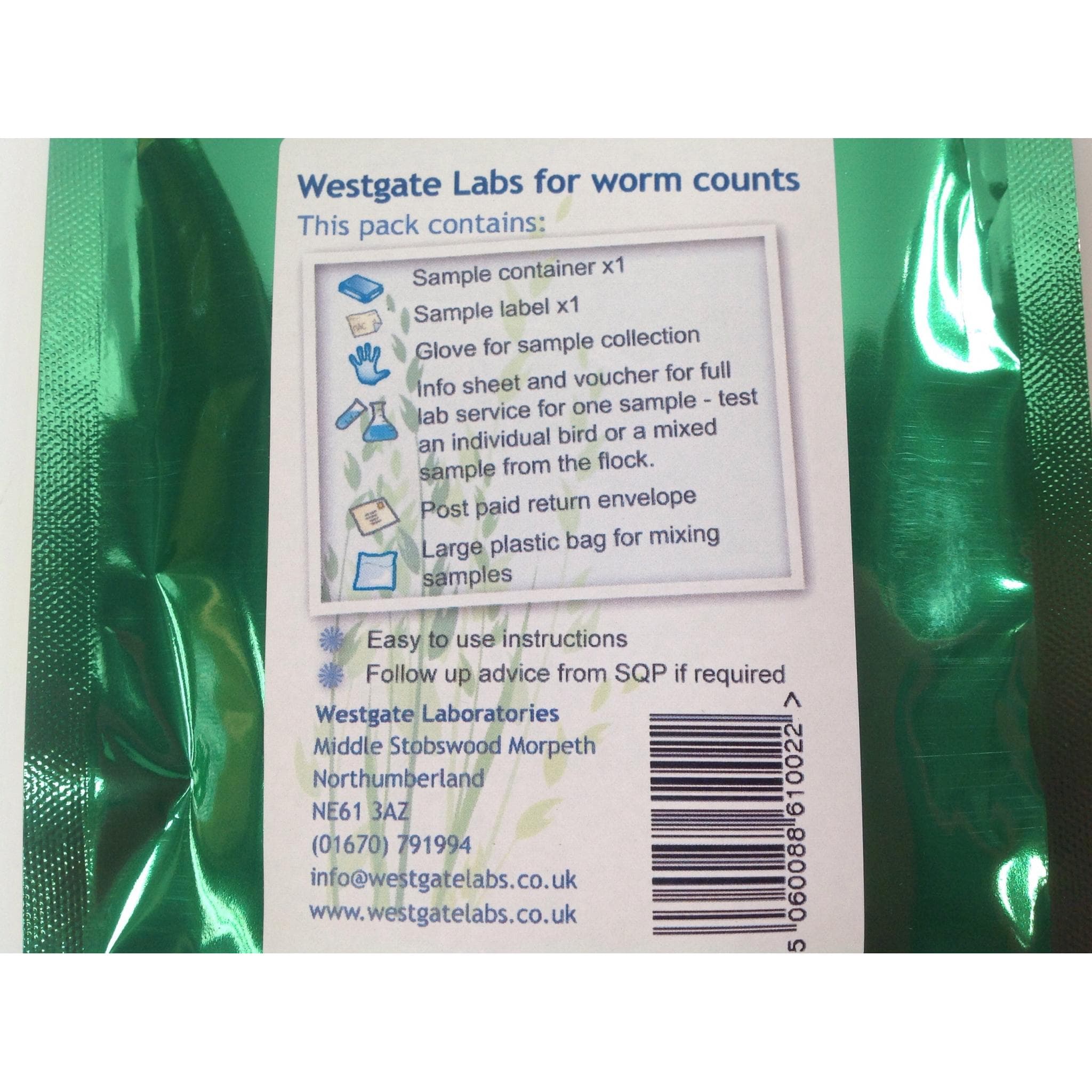
The Nettex Total Worm Count Kit is a market leader for evidence-led parasite control because it combines a simple on-farm faecal worm count with an included flubendazole treatment, enabling targeted, cost-saving interventions that reduce unnecessary drug use. Technically this diagnostic-first approach helps protect drug efficacy across the flock and stands apart from blanket-treatment products on the list, making it a smart financial and veterinary choice for resistance-aware keepers.
Barrier Red Mite Concentrate & Poultry Wormer Combo
Barrier's combo offers an integrated external-and-internal parasite solution aimed at smallholders who want one purchase to tackle both red mite and gut worms; the bundled pricing and convenience make it attractive for busy keepers seeking comprehensive control. Compared with single-focus wormers and herbal maintenance products, this pack delivers broad protection and immediate value, though users should coordinate timing and veterinary advice to avoid treatment conflicts and ensure maximum safety for laying flocks.
These five leading oral dewormers offer UK farmers and small-scale keepers proven parasite control with varying active ingredients and administration methods. Each formulation addresses specific treatment needs whilst maintaining safety standards recognised by British veterinary professionals. Products range from broad-spectrum suspensions suitable for multiple species to specialised medicated feeds and targeted formulations for specific livestock categories.
What research and veterinary guidance say about oral dewormers
Scientific studies and veterinary surveillance confirm that systemic anthelmintics (including benzimidazoles, macrocyclic lactones, and piperazine-class drugs) can substantially reduce internal parasite loads when used at correct dose and timing. Research emphasizes matching the active ingredient to the parasite spectrum, avoiding under-dosing, and combining pharmaceutical treatment with management practices to limit reinfection. In UK, veterinary guidance increasingly stresses integrated parasite management to slow anthelmintic resistance and to protect food safety through adherence to withdrawal times and label directions.
Benzimidazoles (for example, fenbendazole) show broad efficacy against many nematodes and are commonly recommended for poultry and small flocks when used at label or veterinarian-directed doses.
Macrocyclic lactones (for example, ivermectin) are highly effective against a range of internal parasites but require careful species- and product-specific use; pour-on formulations are not oral but inclusion here highlights cross-species options available in British supply chains.
Piperazine products are narrow-spectrum and effective primarily for Ascarid-type roundworms; they remain useful for targeted treatment where that parasite is confirmed.
Field studies and surveillance in the UK and internationally highlight rising anthelmintic resistance in small ruminants and poultry-associated parasites, underlining the need for strategic dosing, fecal monitoring, and non-chemical controls.
Evidence supports that accurate dosing by weight, correct treatment intervals, and combining deworming with pasture/housing management significantly improves long-term flock health outcomes.
Veterinary and regulatory guidance in the UK emphasizes following label claims, respecting withdrawal periods for food animals, and consulting a veterinarian for off-label or cross-species use.
Frequently Asked Questions
Which dewormer should I choose for heavy poultry worm burdens?
Flubenvet 1% 60g Poultry Wormer is the go-to chemical anthelmintic for rapid, reliable clearance of common poultry gut worms, with a 4.4 rating and flubendazole 1% for effective roundworm and gapeworm removal.
What active ingredient and strength is in Flubenvet 1%?
Flubenvet 1% 60g Poultry Wormer contains flubendazole 1% for effective roundworm and gapeworm removal, and it comes as a 60g tube you can mix into feed or water as directed.
How does Battles Poultry Drink value compare for flock dosing?
Battles Poultry Drink (4.1 rating) is a water-based supplement you add to drinking water for easy flock-wide dosing via drinkers or troughs, which helps treat medium to large groups where individual dosing is impractical.
Is Verm-X herbal suitable for free-range or organic poultry flocks?
Yes—Verm-X Herbal Poultry Internal Parasite Control is a plant-based, non-chemical approach sold as paste or granules suitable for free-range and organic flocks, with a 3.8 rating.
Conclusion
Selecting an appropriate oral dewormer requires balancing several practical considerations: the species you're treating, the types of parasites prevalent in your region, your operation's scale, and budgetary constraints. Throughout 2026, UK flock owners and livestock managers have access to reliable options including Safeguard Goat Dewormer Suspension, Panacur Suspension 10%, Flubenvet 1% Medicated Premixture, Ivermectin Pour-On for Cattle, and Piperazine-17 Liquid Wormer. For many keepers managing mixed or small-scale operations, Panacur Suspension 10% remains a popular choice due to its broad-spectrum activity and established safety record when administered according to veterinary guidance. The ideal choice ultimately depends on your particular circumstances, the parasite species you're targeting, and any specific regulatory requirements affecting your operation. We recommend consulting with your veterinary surgeon before starting any new deworming programme, as they can advise on appropriate treatment intervals, potential drug interactions, and any specific concerns related to your animals' health status. By choosing products backed by solid evidence and proper veterinary oversight, you're investing in the long-term health and productivity of your livestock.