

Best Dry Cat Food for Neutered Indoor Cats UK 2025 — Complete Buyer's Guide to Weight Management & Digestive Health
Published on Wednesday, 20 August 2025
Selecting the right dry cat food for your neutered indoor companion requires understanding how sterilisation affects feline metabolism and nutritional needs. Spayed and neutered cats experience a significant reduction in energy requirements—typically around 25-30% less than their intact counterparts—making weight management a genuine concern for responsible UK pet owners. Specialist indoor formulas address this metabolic shift through carefully calibrated calorie levels, enhanced fibre content for satiety, and precise protein-to-fat ratios that preserve lean muscle whilst preventing excess weight gain. British cat owners increasingly demand transparency regarding ingredient sourcing, veterinary endorsement, and proven health outcomes rather than marketing claims alone. This comprehensive guide examines five leading dry kibbles specifically formulated for sterilised indoor cats, evaluating their nutritional profiles, palatability factors, and suitability for different household situations. Whether you're managing a single cat or multiple feline residents, understanding the science behind these formulations empowers you to make informed dietary choices that support long-term wellbeing, maintain healthy weight ranges, and promote urinary tract health—concerns particularly relevant for indoor cats with limited activity levels.
Top Picks Summary
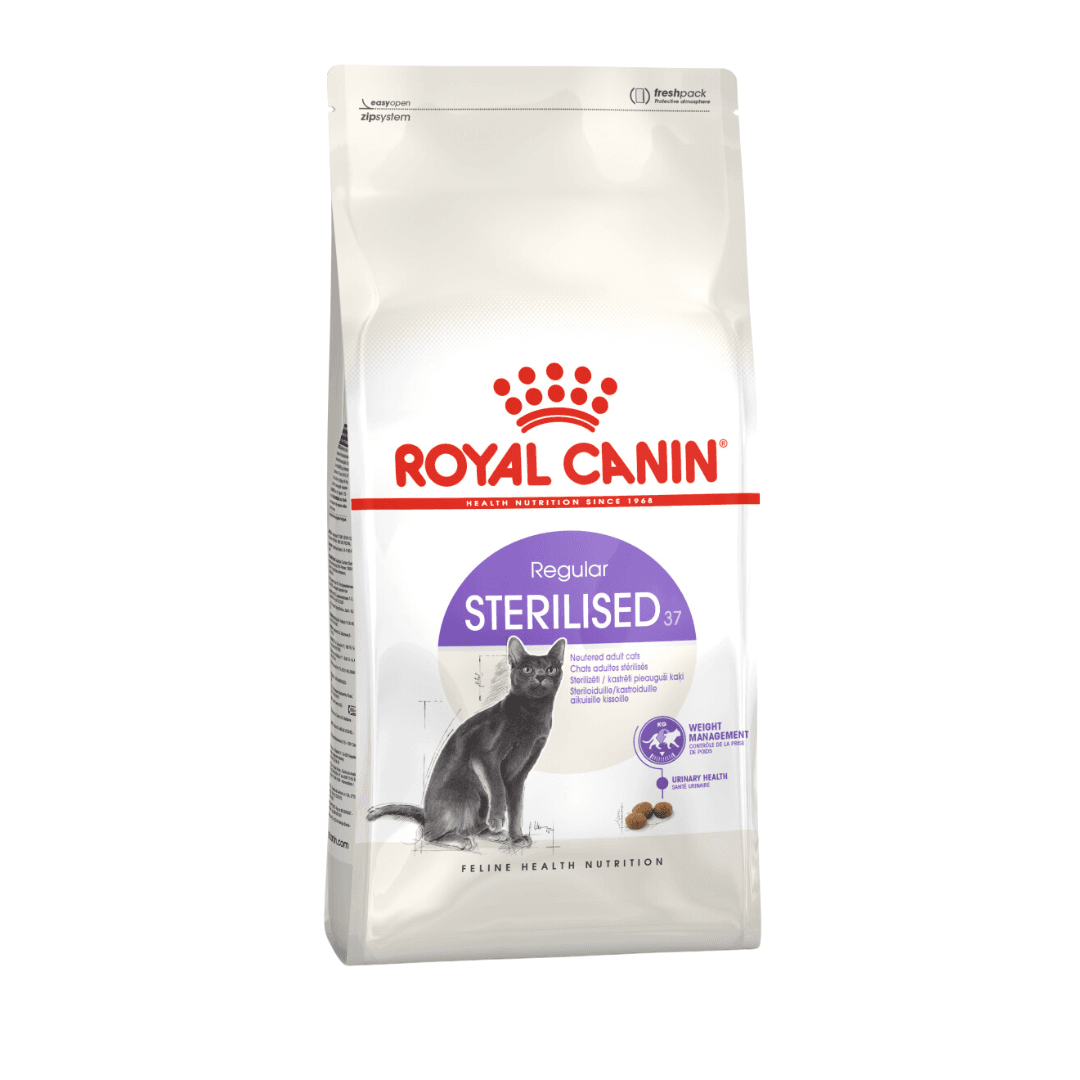
Royal Canin Sterilised 37 Dry Cat Food
Royal Canin Sterilised 37 is positioned as a clinical, veterinary-focused solution for indoor sterilised cats, offering controlled calorie density and a tailored nutrient profile to help manage weight and urinary health while maintaining palatability with a kibble shape cats accept. Compared with the more high-protein or grain-free options in this list, its technical advantage is the precise, research-backed formulation that targets metabolism changes after neutering, and its wide availability through veterinary channels makes it a reliable — if slightly premium — financial choice for owners prioritising proven weight-management outcomes.
Hill's Science Plan Adult Sterilised Cat Dry Food with Chicken
Hill's Science Plan Adult Sterilised with Chicken is built around clinically tested nutrition to support weight control and metabolic health in indoor sterilised cats, using a leaner calorie profile and digestible chicken protein to preserve muscle mass while encouraging satiety. Compared to Royal Canin it offers similarly evidence-led benefits but with a palatable chicken-first recipe many cats prefer; financially it sits in the mid-to-premium range and is often recommended by vets for measurable weight and metabolic improvements.

Purina Pro Plan Sterilised Rich in Salmon Dry Cat Food
Purina Pro Plan Sterilised Rich in Salmon delivers a fish-forward formula with omega-3s that supports skin, coat and metabolic balance in neutered indoor cats while maintaining lower fat for weight control and high palatability for fussy eaters. In comparison to grain-free, high-protein entrants like Acana and GO!, Purina offers a competitively priced, well-rounded option with targeted protein-to-fat ratios and functional nutrients that support weight management without the premium cost of some boutique brands.

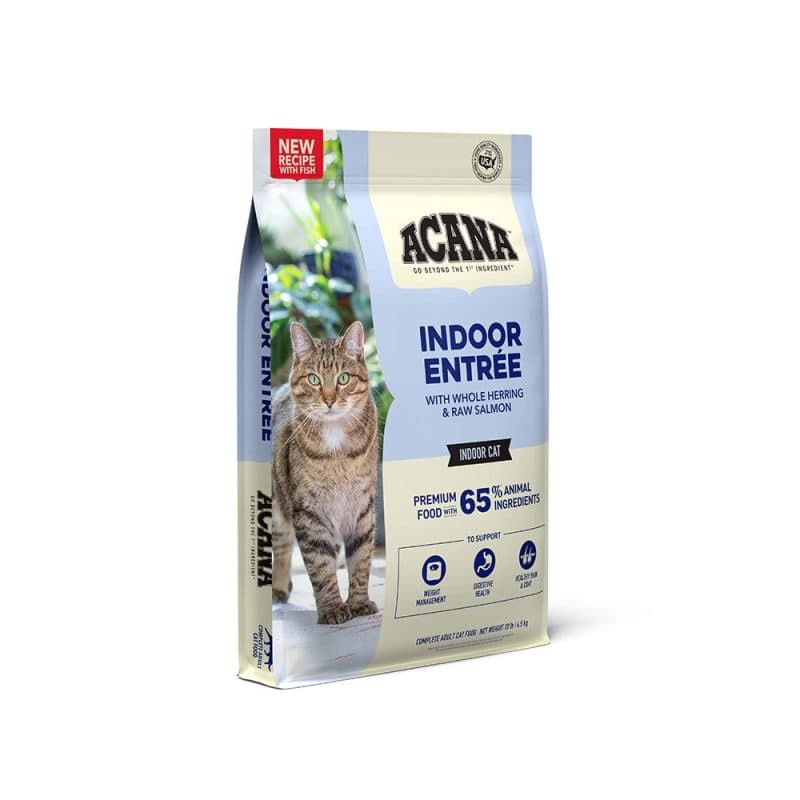
Acana Indoor Entrée Grain-Free Dry Cat Food
Acana Indoor Entrée is a grain-free, protein-rich formula designed to mirror a biologically appropriate diet and support lean body mass and metabolic rate in indoor cats, using fresh regional meats to boost palatability and satiety. Compared with sterilised-targeted, lower-calorie formulas from Royal Canin and Hill's, Acana's technical advantage is its high animal-protein content and very low carbohydrate load, which can improve muscle preservation and appetite control but may require portion monitoring for cats prone to weight gain; it sits at a premium price point reflecting its ingredient profile.
GO! Solutions Carnivore Grain-Free Chicken, Turkey + Duck Recipe for Cats
GO! Solutions Carnivore Grain-Free blends multiple poultry proteins to create a highly palatable, grain-free recipe that supports lean muscle, healthy metabolism and controlled weight for indoor sterilised cats, with added functional ingredients for digestion and coat health. Compared to the veterinary-led brands on this list it offers a flavour-forward, biologically appropriate approach that tends to be competitively priced against other premium grain-free options like Acana, making it a practical choice for owners seeking strong palatability and metabolic support without the highest-tier price.

These premium dry formulations distinguish themselves through veterinary formulation standards, precise metabolic targeting for sterilised cats, enhanced digestive support, and demonstrated results across UK households. Each represents genuine nutritional innovation rather than commodity pet food, with emphasis on sustainable sourcing, transparent ingredient declarations, and evidence-backed health claims.
Understanding Sterilised Cat Nutrition: Essential Knowledge for Indoor Cat Owners
Sterilisation fundamentally alters feline metabolic requirements, creating distinct nutritional priorities that differ significantly from entire cats. Neutering or spaying eliminates hormonal influences that naturally regulate appetite and energy expenditure, resulting in increased hunger signals and reduced caloric requirements. Quality indoor dry kibbles compensate through multiple mechanisms: reduced fat and calorie density prevents excess energy storage, elevated crude fibre promotes satiety signalling and slower digestion, enhanced L-carnitine supports metabolic processes, and optimised mineral ratios—particularly magnesium and phosphorus—help maintain urinary tract health crucial for indoor cats with limited fluid intake through diet. The sedentary nature of exclusively indoor cats compounds these challenges, as reduced activity further decreases energy requirements. British veterinary nutritionists increasingly advocate for feeding measured portions based on individual cat weight rather than free-feeding, as this approach prevents the progressive weight gain that commonly develops within months of sterilisation.
Sterilised cats require 25-30% fewer calories than entire cats, necessitating specialist formulations to prevent obesity
Enhanced fibre content (typically 10-12% crude fibre) promotes digestive health and extends satiety between meals
Elevated protein percentages (typically 35-40%) preserve lean muscle mass whilst reducing fat deposition in weight-conscious formulas
Reduced magnesium levels (0.06-0.08%) support lower urinary pH and reduce crystal formation risk—critical for indoor cats
Prescription formulas address specific health concerns including urinary tract disease, digestive sensitivities, or food allergies
Portion control and measured feeding prove more effective than free-feeding for maintaining healthy weight in neutered cats
Individual cats respond differently to various protein sources and fat levels; trial periods help identify optimal digestion
Regular veterinary weight assessments and body condition scoring ensure feeding protocols remain appropriate as cats age
Frequently Asked Questions
Which dry food helps neutered indoor cats with weight?
Royal Canin Sterilised 37 Dry Cat Food is made specifically for sterilised adult cats to help manage bodyweight, with controlled fat and tailored energy levels to reduce post‑neutering weight gain and support urinary health.
What exact feature does Royal Canin Sterilised 37 include?
Royal Canin Sterilised 37 includes “balanced minerals to help support urinary tract health” and a kibble shape with a “pH-smart” urinary care benefit, alongside controlled fat and tailored energy levels.
How does Hill's Science Plan Adult Sterilised compare on value?
I can’t compare value because no price is provided for Hill's Science Plan Adult Sterilised Cat Dry Food with Chicken; I can confirm it has L-carnitine to support fat metabolism and a 4.3 average rating.
Is Purina Pro Plan Sterilised Rich in Salmon good for digestion?
Purina Pro Plan Sterilised Rich in Salmon has a “sensitive digestion — gentle recipe” benefit, is formulated for sterilised cats to help maintain an ideal body condition, and has a 4.1 average rating.
Conclusion
Choosing an appropriate dry kibble for your neutered indoor cat represents one of the most impactful decisions you can make for their long-term health and vitality. The five formulas discussed throughout this guide—Royal Canin Indoor Adult, Hill's Science Diet Adult Indoor, Purina Pro Plan Focus Indoor Care, Acana Indoor Entrée, and GO! SOLUTIONS CARNIVORE Grain-Free—each present distinct approaches rooted in different nutritional philosophies, yet all address the core requirements of sterilised cats living primarily indoors. Royal Canin Indoor Adult remains the standout recommendation for most UK households seeking a clinically-tested, veterinarian-approved formula with proven results in weight management and palatability. However, your individual cat's preferences, any existing health conditions, digestive sensitivities, and household circumstances should ultimately guide your selection. We recommend introducing any new food gradually over 7-10 days, monitoring your cat's weight, coat condition, and litter box habits as indicators of dietary success. Should your cat present with particular health concerns—including urinary issues, digestive upset, or stubborn weight challenges—consulting your veterinary surgeon remains invaluable for personalised nutritional guidance tailored to your pet's specific requirements.