

Best 6 Cat Dental Care Products UK — 2026 Buyer's Guide
Daily home care is the single biggest thing a UK owner can do for a cat's teeth, and brushing is still the only method with consistent clinical backing behind it. This guide covers six products sold in the UK — a Beaphar double-ended toothbrush, Arm & Hammer Clinical Care enzymatic toothpaste, Logic Oral Hygiene Gel, Vet's Best finger pads, an Applaws whole-loin treat and the Petstages Fresh Breath mint stick — compared on how easy each is to actually use on a cat, price per use and what the product can reasonably be expected to do. None of the six currently holds a Veterinary Oral Health Council (VOHC) seal. The VOHC feline list is short and public at vohc.org, and it is the shortlist to work from if you are buying on proven efficacy rather than convenience. British cat owners often favour gentle flavours and soft textures for fussy or sensitive cats, clear clinical backing, and products that fit into a busy routine. For many cats, brushing remains the gold standard — but for skittish or elderly cats, enzymatic pastes, finger pads and palatable gels are realistic starting points that help slow plaque build-up between brushings when used consistently. This guide compares efficacy, administration difficulty, price-per-use and UK availability, plus practical tips on introducing new routines to a wary cat. We also flag which options suit kittens, senior cats or animals with oral sensitivity, and explain when professional dental cleaning at a vet is the safer choice. Whether you want a step-by-step brushing kit, a gentle enzyme gel or a low-stress finger pad, these six picks cover the main routes UK owners take in 2026.
Inception's AI took the time to understand this market in the UK · We may earn a commission on purchases. It never affects our rankings.
Top Picks Summary
Johnson's Veterinary Cat Finger Toothbrush
Johnson's Veterinary finger toothbrush is the go-to for very skittish cats because it lets owners control pressure and speed, enabling a gentler, quicker introduction to home dental care recommended by vets. While it won't replace the thorough cleaning of a full brush or clinical kit, its low cost and low stress make it the best first step for small, anxious cats before progressing to dual-ended or clinical options.
Show More Cat Toothbrushes
Virbac CET Enzymatic Toothpaste for Cats
Virbac CET is the vet-recommended benchmark in this 2025 UK guide thanks to its clinically validated CET enzymatic system and broad veterinary availability; its formulation is designed specifically for feline oral health and is swallow-safe. Although it often commands a premium price compared with consumer supermarket brands, its proven plaque-control data and frequent vet endorsements give it clear technical and clinical advantages over budget options like Beaphar or Arm & Hammer.
Show More Cat Enzymatic Toothpastes and Gels
Applaws Whole Loin is a single-ingredient, high-protein treat prized for its natural composition and minimal additives, appealing to owners who prioritise clean-label products in the 2026 UK market. While not a dental-specific chew and providing limited mechanical tartar control compared with Purina or Dreamies, its hypoallergenic profile and premium positioning justify the higher per-treat cost and make it a good companion to VetPlus Plaqtiv+ for a combined dietary and clinical oral-care approach.
Show More Cat Dental Chews and Treats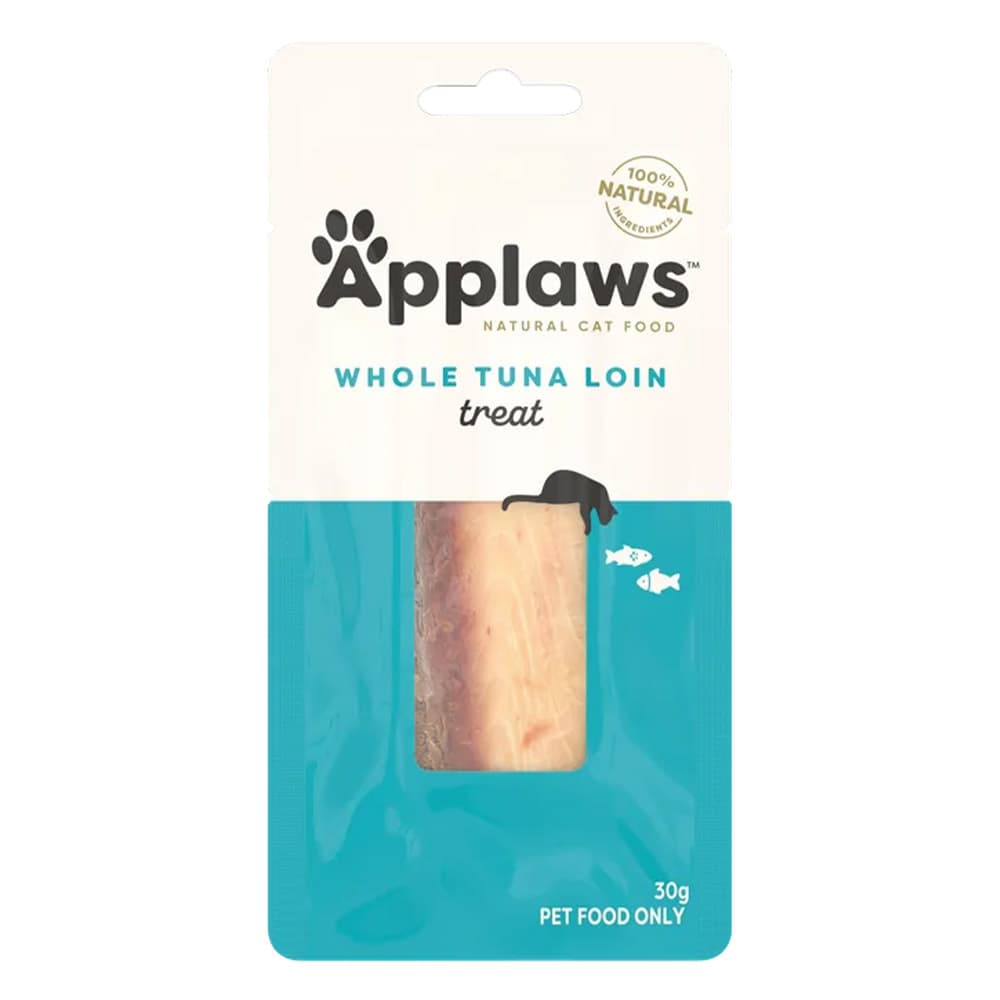
Arm & Hammer Dental Water Additive for Cats
Arm & Hammer's Dental Water Additive is the value leader for households and multi-cat homes, delivering continuous oral care through a daily water treatment that reduces bacteria and helps control plaque with a strong per-use cost advantage, especially on Boxing Day multi-buy promotions in the UK. Compared with the instant but short-lived freshness of sprays or the hands-on cleaning of wipes, the water additive is the most passive, long-term option and often represents the best financial return for owners seeking steady protection without daily effort.
Show More Cat Water Additives for Oral Health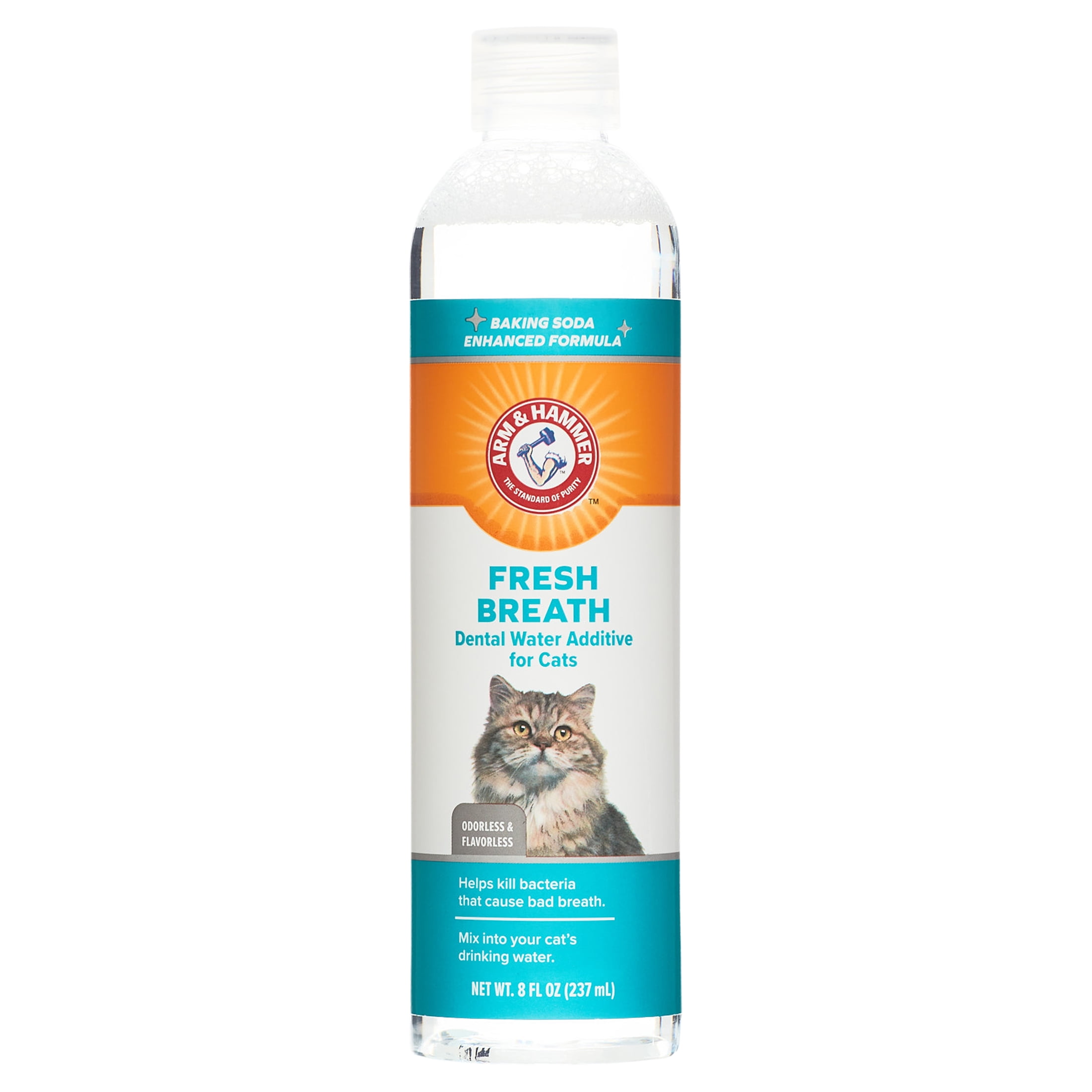
TropiClean Fresh Breath Dental Wipes for Cats
TropiClean's Fresh Breath Wipes are the technical standout thanks to an enzymatic formulation aimed at reducing plaque and controlling odour, making them a smart pick for buyers willing to pay a bit more during Boxing Day 2025 sales. Their targeted active ingredients give them an edge over simpler formulations like Petkin and Pet MD, though that performance typically comes with a higher per-wipe cost.
Show More Cat Oral Rinses and Mouthwashes
The Beaphar Toothbrush & Toothpaste Kit is included as the essential home-care tool recommended by vets for 2025 because mechanical brushing with enzymatic toothpaste provides the most reliable plaque control over time. Although it carries a higher upfront time investment and learning curve than treats or chews, its long-term financial and health ROI outperforms single-use products on this list, so owners serious about preventive care should pair Beaphar’s kit with one of the treat-style options for better daily compliance.
Show More Cat Dental Wipes and Pads
Six options covering the main formats: a double-ended toothbrush, an enzymatic toothpaste, a daily oral gel, finger pads, a palatable treat and a chew toy. Compared on ease of application for skittish cats, price per use and UK availability. None carries VOHC acceptance, so brushing frequency matters more here than product choice.
What Research and Veterinary Guidance Say About Cat Oral Care
Scientific and clinical evidence supports daily home care as the single most impactful step in reducing plaque accumulation and gingivitis in cats. Veterinary dental literature and clinical trials indicate that mechanical removal of plaque (brushing) is consistently the most effective at controlling biofilm, while enzymatic toothpastes and certain dental chews can offer meaningful supplementary benefits. Water additives and rinses may reduce bacterial load and improve breath for some cats, but study results are more mixed and product performance varies by formulation and cat acceptance. No home-care product removes tartar once it has mineralised onto the tooth; that requires scaling under general anaesthetic. Regular home care can reduce how often those procedures are needed, but it does not replace annual or problem-driven veterinary assessment.
Mechanical brushing: Controlled clinical observations and veterinary consensus name daily brushing as the gold standard for plaque and gingivitis control because it physically disrupts biofilm.
Enzymatic toothpastes: Formulations containing enzymes (e.g., glucose oxidase) and safe abrasive-free bases have been shown in veterinary studies to help reduce plaque buildup when used consistently.
Dental chews: Chews deliver abrasive action and promote salivary flow; randomized and controlled studies in companion animals show moderate reductions in tartar for appropriately sized and textured products, though effectiveness varies by design and chewing behavior.
Water additives and rinses: Evidence is mixed; some formulations lower oral bacterial counts or reduce volatile sulfur compounds linked to bad breath, but results depend on concentration, contact time, and whether the cat drinks enough treated water.
VOHC acceptance: The Veterinary Oral Health Council awards separate plaque and tartar seals only after controlled trials show a measured reduction. The accepted feline list is short — dental diets from Hill's, Royal Canin and Purina, the Healthymouth additives, gels and wipes, ProDen PlaqueOff powder, Feline Greenies, Whiskas Dentabites and Purina DentaLife. A product without a seal has not failed testing; in most cases it was simply never submitted.
Preventive impact: Multiple veterinary reviews conclude that consistent at-home oral care lowers progression of periodontal disease and can reduce the need for more invasive, anesthesia-dependent cleanings.
Feline-specific considerations: Cats have thinner gingiva and different oral microbiomes than dogs, so products formulated or tested for felines and recommended by veterinarians are preferable. Never assume a dog product is safe for a cat — check for xylitol and for peppermint, tea tree, eucalyptus or clove essential oils, all of which cats tolerate poorly.
Frequently Asked Questions
Which cat dental product on this page is the best value?
The Beaphar double-ended toothbrush at £3-6 is the cheapest way to start, and because brushing is the method with the strongest evidence behind it, it is also the best value in outcome terms. Pair it with an enzymatic product — Arm & Hammer Clinical Care toothpaste (£7-13) or Logic Oral Hygiene Gel (£7-13) — and a full setup costs roughly £10-19 and lasts months. The Applaws Whole Loin treat (£2.00-£8.00) is the cheapest item listed, but it is a single-ingredient meat treat rather than a plaque-control product, so judge it on palatability rather than dental benefit.
What is the best cat dental care product for sensitive or skittish cats in the UK?
For a cat that will not tolerate a brush, start with a finger-format product: Vet's Best Dental Care Finger Pads (£6-10) or Logic Oral Hygiene Gel (£7-13) applied with a fingertip. Both let you control pressure and stop the second the cat objects, which matters more than the formulation at this stage. Build tolerance over a few weeks, then introduce the Beaphar brush (£3-6) using its smaller head. Daily brushing remains the goal — gels, pads and treats slow plaque forming rather than removing what is already mineralised.
Do cat dental gels and water additives actually work?
It depends heavily on the specific formulation, and the evidence is mixed. The Veterinary Oral Health Council has accepted a small number of feline water additives and topical gels — the Healthymouth range — after controlled trials. Most gels and additives on general sale, including the Logic gel listed here, have not been through that process. They can reduce oral bacteria and the volatile sulfur compounds behind bad breath, and owners often report improvement, but treat them as a supplement to brushing rather than a replacement. None of them removes tartar that has already hardened onto the tooth.
Is cat toothpaste safe for cats to swallow?
Yes, when it is a cat-specific enzymatic paste. Products such as Arm & Hammer Clinical Care are non-foaming and fluoride-free, formulated to be swallowed, so there is no rinsing step — which matters because you cannot ask a cat to spit. Never use human toothpaste: fluoride is unsafe at feline doses and many human products contain xylitol. Check the label before using anything marketed for dogs on a cat, and avoid peppermint, tea tree, eucalyptus and clove essential oils, which cats metabolise poorly.
Conclusion
Choosing the right dental aid for your cat in the UK is about matching the evidence with your cat's temperament and your household routine. For sensitive or anxious cats, start with low-stress options — a finger pad or an enzymatic gel — and introduce brushing gradually using a soft, small-headed toothbrush. For regular chewers, palatable treats and chew toys supplement daily care but are not a substitute for brushing or professional checks, and none of them shifts tartar that has already hardened. Always consult your vet if you spot swelling, broken teeth, persistent bad breath or changes in eating behaviour; these signs may require professional assessment or dental procedures.
Use the filters to sort by format, price-per-month or local availability and consider subscription options if you prefer regular deliveries. Keep records of home care and share them with your vet to build a long-term dental plan. If you're unsure where to start, ask your practice for a demonstration — many UK vets will show safe brushing techniques and recommend specific products tailored to your cat's needs.