

Cat Eye Meds UK - Top 5 Drops & Ointments 2026 Guide
Medicated eye drops and ointments for cats are specialist veterinary products used to treat diagnosed conditions such as bacterial conjunctivitis, corneal abrasions, post-operative care and supportive cleansing. In the UK, selection is guided by a veterinary assessment: the specific active ingredient, whether the cornea is involved, preservative sensitivity, and whether an ointment or a drop better suits the cat’s comfort and the treatment schedule. Some products require a prescription from your vet, while others may be supplied via licensed online veterinary pharmacies or stockists. British owners tend to prioritise clear dosing instructions, proven clinical performance and minimal risk of delayed healing or resistance. Practical considerations matter too — ointments often give longer contact time and are useful overnight, whereas drops are easier for multiple daily doses and when vision interference must be minimised. This guide profiles five options relevant to UK feline eye and adjacent ear care in 2026: Terramycin Ophthalmic Ointment, Remend Eye Lubricating Drops, Vetericyn Plus All Animal Eye Wash, Canaural Ear Drops and Isathal Eye Drops. Each serves a distinct role: broad-spectrum antibiotic surface coverage (Terramycin), hyaluronic-acid lubrication for dry, irritated eyes (Remend), non-antibiotic cleansing and irrigation (Vetericyn Plus), a fusidic-acid antibiotic for bacterial conjunctivitis (Isathal), and — for concurrent ear disease that often accompanies ocular cases — a licensed otic treatment for otitis externa (Canaural). Seasonal factors — for example increased irritants in spring or dry indoor heating in winter — can affect how frequently eyes become irritated and how quickly a vet should review the condition. Always seek veterinary confirmation before starting treatment: untreated corneal ulcers or incorrectly treated infections can worsen rapidly. This overview aims to help UK cat owners recognise the options available in 2026 and prepare informed questions for their practice or registered pharmacy.
Inception's AI took the time to understand this market in the UK · We may earn a commission on purchases. It never affects our rankings.
Top Picks Summary
Terramycin Ophthalmic Ointment
Terramycin is a long-standing veterinary ophthalmic ointment prized for its broad-spectrum oxytetracycline plus polymyxin B coverage and viscous formulation that stays on the eye longer than drops, making it a go-to choice for many feline practitioners — its tetracycline component is notably active against the Chlamydia and Mycoplasma that commonly cause feline conjunctivitis. It holds its position here for dependability and clinical track record compared with lubricant-only or cleansing-only options, and is typically supplied on prescription (with an oxytetracycline generic available in the UK).
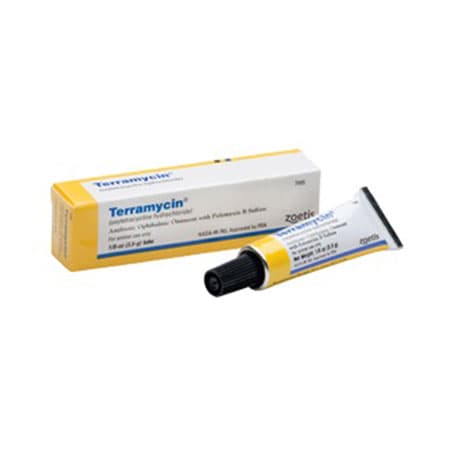
Where to buy Terramycin Ophthalmic Ointment in UK: we track one retailer, Drugs, and show the price we last observed there; the price you see at checkout may differ.
We may earn a commission on purchases. It never affects our rankings.
£11 – £19
Remend Eye Lubricating Drops
Remend Eye Lubricating Drops are positioned as a cost-effective, maintenance-focused ocular lubricant for cats, offering fast relief of dry-eye symptoms without antibiotics; this makes them a practical complement to stronger medicated options like Terramycin or Tobramycin when infection is not present. Compared with Vetericyn’s antiseptic cleansing and Isathal’s anti-inflammatory profile, Remend’s main advantage is low long-term cost and suitability for frequent, safe use to protect the corneal surface between veterinary treatments.

Where to buy Remend Eye Lubricating Drops in UK: we track one retailer, Thepharmpetco, and show the price we last observed there; the price you see at checkout may differ.
We may earn a commission on purchases. It never affects our rankings.
£8 – £15
Vetericyn Plus All Animal Eye Wash
Vetericyn Plus All Animal Eye Wash is a non-antibiotic, broad-spectrum wound and eye cleanser prized by vets for safe initial irrigation and infection-prevention in cats, and it fits the UK 2025 veterinary toolkit alongside antibiotic staples such as Polysporin or Tobramycin. Technically, its oxidative antimicrobial mechanism reduces reliance on topical antibiotics (helping mitigate resistance risks) and its multi-use formulation can be financially efficient for clinics that treat a range of companion-animal wounds and ocular issues.

Where to buy Vetericyn Plus All Animal Eye Wash in UK: the trusted retailers we track in this market, with the best price we have observed at each. Prices are checked regularly and can change, and the retailer confirms the final price at checkout.
We may earn a commission on purchases. It never affects our rankings.
£9.37GBP
Canaural Ear Drops
Canaural Ear Drops are an otic formulation intended for targeted ear infections and while not an eye medication, they appear on this comparative list because concurrent ear and ocular issues are common in practice; vets may favour Canaural for its focused antifungal/antibacterial ear activity when ear disease complicates an otherwise ocular-only case. Financially, Canaural is typically priced competitively against specialist ophthalmic antibiotics and offers technical value when treating multi-site infections, though it should not replace dedicated eye drops like Terramycin or Isathal for corneal disease.

Isathal Eye Drops
Isathal Eye Drops (formerly Fucithalmic) are a fusidic-acid antibiotic suspension (10 mg/g) licensed for dogs, cats and rabbits, used for the topical treatment of bacterial conjunctivitis associated with staphylococcal infection. The viscous carrier gives extended contact time so most cases are treated with just one or two drops a day. Unlike lubricant-only (Remend) or cleansing-only (Vetericyn) options, Isathal is a targeted antibacterial that should be used on veterinary advice — in cats, ocular bacterial infection is often secondary to viral, Chlamydia or Mycoplasma involvement or trauma, so a veterinary assessment guides its use.
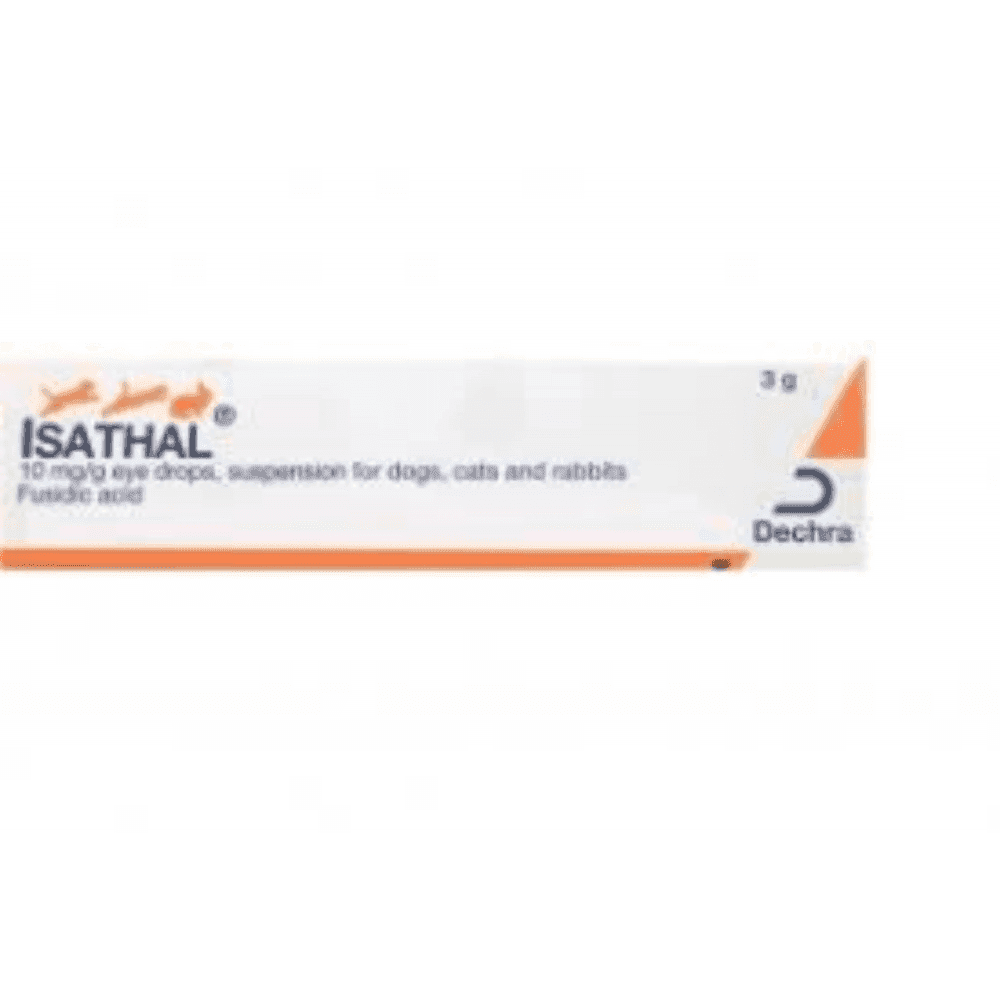
Where to buy Isathal Eye Drops in UK: the trusted retailers we track in this market, with the best price we have observed at each. Prices are checked regularly and can change, and the retailer confirms the final price at checkout.
We may earn a commission on purchases. It never affects our rankings.
£12 – £25
Terramycin: long-standing oxytetracycline/polymyxin B ointment for surface bacterial infections and lubrication. Remend: hyaluronic-acid lubricating drops for dry, irritated eyes with no antibiotics. Vetericyn Plus: non-antibiotic antimicrobial wash for cleansing and supportive care. Isathal: fusidic-acid antibiotic drops for bacterial (staphylococcal) conjunctivitis under veterinary advice. Canaural: licensed otic drops for otitis externa where concurrent ear disease complicates an ocular case.
What the Research and Clinical Guidelines Say
Clinical guidance and veterinary ophthalmology literature support targeted topical therapy for many common feline eye conditions. Evidence comes from clinical case series, practice guidelines, and pharmacology studies that evaluate antimicrobial coverage, corneal penetration, and safety. While randomized controlled trials are fewer than for human ophthalmology, the accumulated veterinary experience and laboratory susceptibility data make many of these agents predictable and effective when used under veterinary supervision.
Topical antibiotics (for example, aminoglycosides and certain polypeptide combinations) are effective for many bacterial conjunctivitis and surface infections by reducing bacterial load and speeding clinical resolution when the pathogen is susceptible.
Topical antivirals and supportive therapy reduce clinical signs and recurrence in feline herpesvirus-related ocular disease; antiviral therapy is typically prescribed following a veterinary diagnosis.
Ointments (such as Terramycin-style formulations) provide prolonged contact time and a lubricating barrier, which can help comfort and protect the cornea overnight or when frequent dosing is difficult.
Anti-inflammatory eyedrops can control painful inflammation but are contraindicated or used cautiously with corneal ulcers because they can delay healing; this is why veterinary assessment is essential before use.
Laboratory susceptibility testing and culture are recommended in recurrent or nonresponsive cases to guide antibiotic selection and avoid promoting resistance.
Proper application technique and adherence to the prescribed regimen are strongly associated with faster recovery and fewer complications in clinical reports.
Frequently Asked Questions
Which cat eye ointment is best for treating bacterial infections?
Terramycin Ophthalmic Ointment is the recommended choice for bacterial eye infections and corneal ulcers due to its oxytetracycline-based broad-spectrum coverage.
Does Remend Eye Lubricating Drops contain any harsh preservatives?
Remend Eye Lubricating Drops feature a preservative-free formulation, making them suitable for frequent administration to cats with dry or irritated eyes.
Is Vetericyn Plus All Animal Eye Wash safe for feline corneas?
Vetericyn Plus All Animal Eye Wash is safe for use on sensitive feline corneas as it is a hypochlorous-based sterile wash designed for gentle cleansing.
How does the Terramycin Ophthalmic Ointment rating compare to other products?
Terramycin Ophthalmic Ointment holds an average rating of 4.5, reflecting its status as a reliable, long-standing veterinary choice for feline ophthalmic care.
Conclusion
In the UK, the five products reviewed here provide a practical starting point for treating common, diagnosed feline eye problems (and closely related ear disease) under veterinary guidance. Terramycin Ophthalmic Ointment remains a dependable oxytetracycline/polymyxin B option for surface bacterial infections and lubrication; Remend Eye Lubricating Drops offer hyaluronic-acid moisture for dry, irritated eyes when no infection is present; Vetericyn Plus All Animal Eye Wash is useful as a non-antibiotic cleansing adjunct; Isathal Eye Drops deliver targeted fusidic-acid antibiotic therapy for bacterial conjunctivitis; and Canaural Ear Drops address the otitis externa that frequently complicates ocular cases.
Before purchasing, check with your vet whether a prescription is needed and confirm the correct product, dose and duration. If your cat shows severe signs — sudden squinting, cloudy cornea, eye discharge with swelling or signs of pain — book a same-day appointment or contact an emergency veterinary service. To continue your search, refine by product name, active ingredient or intended use, and consult your practice or a licensed UK veterinary pharmacy for availability and safe handling advice.