

Critical Care Recovery Diets for Dogs in the UK: Top 7 Prescription Options for 2026
When a dog leaves intensive treatment or becomes reluctant to eat, timely nutritional rehabilitation matters as much as the clinical intervention that stabilised them. In the UK, prescription critical care recovery diets for dogs are formulated to deliver dense calories in small volumes, support assisted feeding by syringe or feeding tube, and maximise palatability for anorexic patients. British vets and owners favour these products for post-operative recovery, prolonged anorexia, pancreatitis convalescence, and other systemic illnesses because they reduce gastric load while giving predictable nutrition and recovery support. This UK-focused 2026 guide profiles the top seven therapeutic formulas available through veterinary clinics and specialist pharmacies: Hill's Prescription Diet a/d Urgent Care Canned Food, Royal Canin Veterinary Diet Recovery RS Wet Food, Purina Pro Plan Veterinary Diets CN Critical Nutrition Wet Food, Royal Canin Veterinary Diet Convalescence Support Instant Diet, Specific F/C-IN-W Intensive Support Wet Food, Emeraid Intensive Care HDN Canine, and Royal Canin Veterinary Diet Gastrointestinal High Energy Wet Food. The review emphasises calorie density, assisted-feeding compatibility, palatability, clinical indications, and practical supply considerations across urban and rural UK settings.
Inception's AI took the time to understand this market in the UK · We may earn a commission on purchases. It never affects our rankings.
Top Picks Summary
- Hill's Prescription Diet a/d Urgent Care Canned Food
- Royal Canin Veterinary Diet Recovery RS Wet Food
- Purina Pro Plan Veterinary Diets CN Critical Nutrition Wet Food
- Royal Canin Veterinary Diet Convalescence Support Instant Diet
- Specific F/C-IN-W Intensive Support Wet Food
- Emeraid Intensive Care HDN Canine
- Royal Canin Veterinary Diet Gastrointestinal High Energy Wet Food
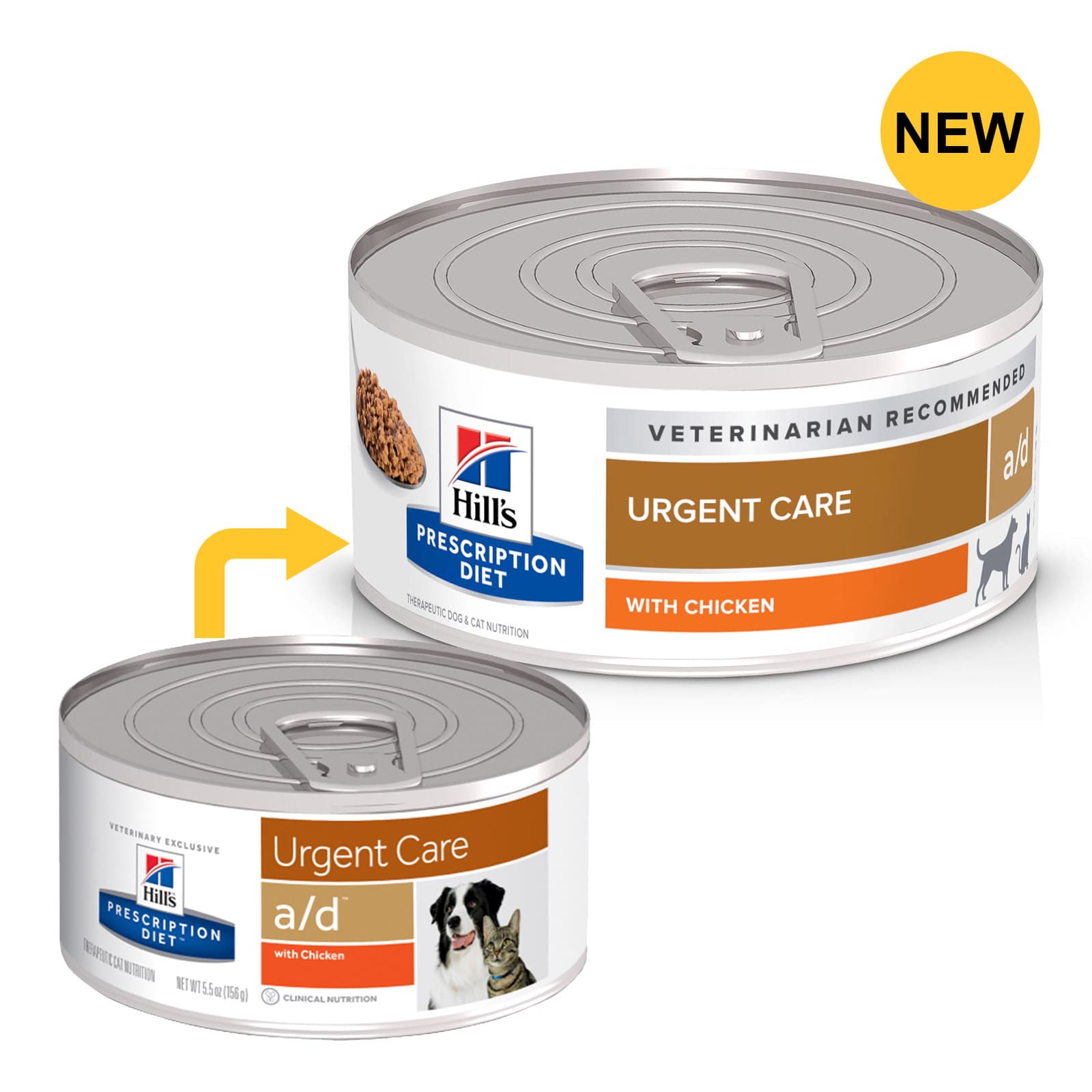
Hill's Prescription Diet a/d Urgent Care Canned Food
Hill's Prescription Diet a/d Urgent Care is often considered a market leader for critical-care feeding because of its high caloric density, palatability and broad veterinary acceptance; it is designed for syringe and assisted feeding which makes it technically advantageous in acute settings. Compared with the other formulations in this list it tends to be widely available and veterinarian-recommended, though typically at a premium price; for dogs needing urgent nutritional support it stands out for rapid energy delivery and ease of transition from hospital to home.
Royal Canin Veterinary Diet Recovery RS Wet Food
Royal Canin Veterinary Diet Recovery RS offers a texture and rehydration profile tailored to convalescing patients, making it an excellent choice when controlled fluid balance and ease of ingestion are priorities. Versus competitors like Hill's and Purina it emphasises a balanced gel/loaf consistency that can reduce aspiration risk and simplify feeding, and it often occupies a mid-to-high price point while offering strong clinical support for dogs recovering from illness or surgery.

Purina Pro Plan Veterinary Diets CN Critical Nutrition Wet Food
Purina Pro Plan Veterinary Diets CN Critical Nutrition is built for critical support with a focus on a complete nutrient profile and cost-effectiveness, giving it a strong value proposition for long-term or repeated use. Compared with Hill's and Royal Canin products, Purina commonly undercuts on price while maintaining veterinary formulations and offers technical advantages in balanced electrolytes and fibre for recovery scenarios relevant to dogs regaining strength after illness.

Royal Canin Veterinary Diet Convalescence Support Instant Diet
Royal Canin Convalescence Support Instant Diet is a powdered, reconstitutable formula that shines for storage convenience and rapid bedside preparation, making it technically superior when space or immediate access are constraints. Against wet canned or ready-to-serve competitors (like Hill's a/d or Purina CN) it typically lowers per-serving shipping and storage costs and is a practical option for outpatient convalescence in dogs recovering at home.

Specific F/C-IN-W Intensive Support Wet Food
Specific F/C-IN-W Intensive Support is a UK veterinary recovery diet from Dechra, formulated as a single high-energy, highly digestible recipe suitable for both dogs and cats during convalescence. Compared with larger global brands it offers a soft, easily tube-fed texture with added omega-3 fish oil, zinc and beta-glucans to support wound healing and the immune system, giving clinicians a distinct option for dogs with a reduced appetite where digestibility and palatability matter most.

Emeraid Intensive Care HDN Canine
Emeraid Intensive Care HDN Canine is noted for its very high nutrient density and flexible formats (powder and paste) used in emergency and wildlife recovery; its technical advantage is concentration, meaning less volume is needed to meet caloric goals. While often more expensive per container than some veterinary wet foods, its concentrated profile can lower per-calorie cost and logistical burden compared with bulkier wet diets, which is useful for acute scenarios in critically ill dogs.

Where to buy Emeraid Intensive Care HDN Canine in UK: we track one retailer, Emeraid, and show the price we last observed there; the price you see at checkout may differ.
We may earn a commission on purchases. It never affects our rankings.
£25 – £70
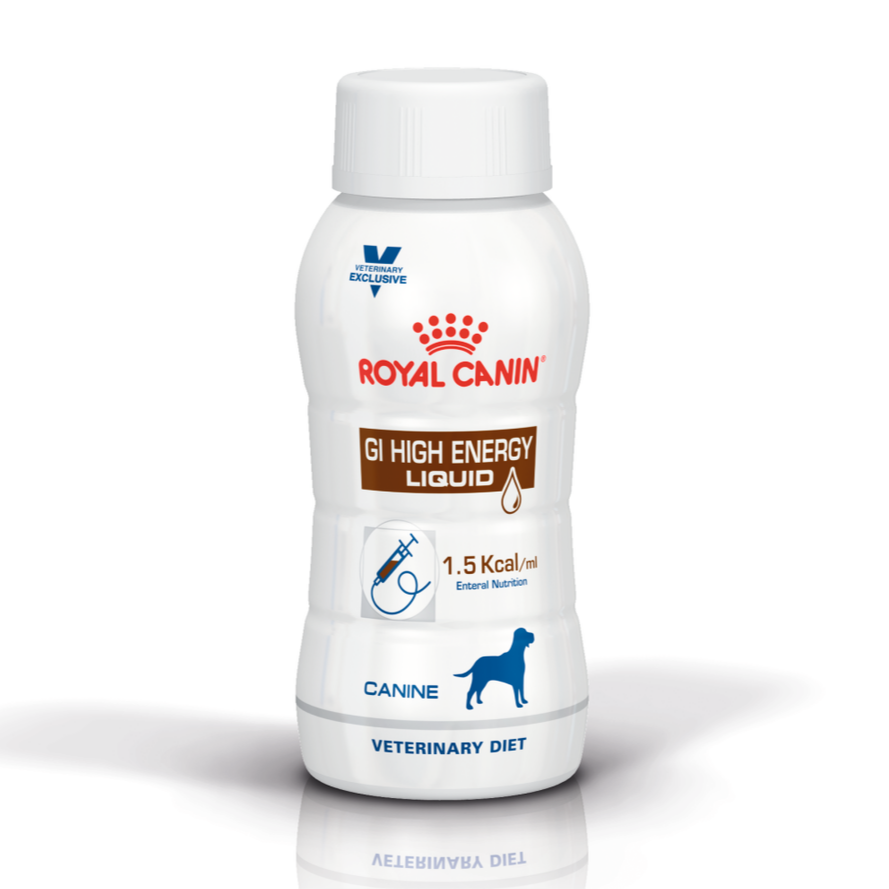
Royal Canin Veterinary Diet Gastrointestinal High Energy Wet Food
Royal Canin Gastrointestinal High Energy Wet Food targets patients with digestive sensitivity who nonetheless require a high caloric intake, combining digestible ingredients with elevated energy per volume. In comparison to general critical care diets on this list it is more specialised for GI compromise, usually commanding a premium but delivering technical benefits for fast weight maintenance and reduced stool volume in dogs with digestive upsets.
What the evidence says about critical care recovery diets
Scientific research and clinical experience support targeted recovery diets for anorexic or convalescent dogs. Studies and veterinary guidelines highlight the importance of concentrated energy delivery, controlled refeeding, and formulations that support digestion and immune function. Below is a beginner-friendly summary of the key research-backed points clinicians and carers should know when choosing and using a prescription recovery diet.
Energy density matters: Clinical reports show that high-calorie per millilitre diets reduce the total volume required for adequate daily energy, which lowers aspiration risk and gastric discomfort during assisted feeding.
Palatability increases voluntary intake: Controlled palatability trials and clinic audits find that improved taste and aroma are linked to faster return to voluntary feeding, reducing the need for prolonged tube feeding.
Enteral feeding compatibility: Published feeding protocols and veterinary guidance emphasise formulas that suspend well for syringe feeding and pass reliably through nasogastric or oesophagostomy tubes without clogging.
Refeeding safety: Veterinary literature warns of refeeding syndrome in severely malnourished patients. Gradual calorie escalation, electrolyte monitoring, and tailored prescription choices are recommended to reduce metabolic complications.
Clinical indication matching: Comparative reviews suggest specific formulations are better for particular conditions, such as high-energy gastrointestinal formulas for dogs with increased intestinal needs and specialised recovery diets for anorexia or post-surgery support.
Frequently Asked Questions
Which prescription recovery diet suits syringe feeding best?
Hill's Prescription Diet a/d Urgent Care Canned Food is designed as a highly palatable, energy-dense wet formula for anorexic or recovering dogs and cats, and is specifically intended to support syringe and assisted feeding.
Does Royal Canin Recovery RS come in an assisted-feeding format?
Royal Canin Veterinary Diet Recovery RS Wet Food is described as an extremely palatable paste/sachet designed for assisted feeding and syringe use, with an easy digestion profile for convalescing patients.
How does Purina Pro Plan CN Critical Nutrition compare for value?
Purina Pro Plan Veterinary Diets CN Critical Nutrition Wet Food is presented as cost-effective for critical support, with a balanced complete nutrient profile and concentrated calories for tube or assisted feeding, rated 4.6.
Do I need a prescription to buy these critical care recovery diets in the UK?
Yes. Hill's Prescription Diet, Royal Canin Veterinary Diet, Purina Pro Plan Veterinary Diets and Specific are all veterinary therapeutic ranges sold through vet practices and registered online pharmacies, and UK retailers require proof of veterinary authorisation from your vet before dispensing them.
Conclusion
In summary, UK clinicians and carers have several strong prescription recovery options in 2026. Hill's Prescription Diet a/d Urgent Care Canned Food, Royal Canin Veterinary Diet Recovery RS Wet Food, Purina Pro Plan Veterinary Diets CN Critical Nutrition Wet Food, Royal Canin Veterinary Diet Convalescence Support Instant Diet, Specific Intensive Support FIW/CIW, Emeraid Intensive Care HDN Canine, and Royal Canin Veterinary Diet Gastrointestinal High Energy Wet Food each bring focused strengths for assisted feeding, palatability, and calorie density. For most post-operative and anorexic cases where rapid, reliable refeeding is the priority, Hill's Prescription Diet a/d Urgent Care Canned Food stands out as the best single choice on this page because of its balance of palatability, syringe compatibility and wide clinical use. We hope you found the product information you were looking for; you can refine or expand your search using the site search to compare formats, energy densities, or clinical indications across these brands.