

Essential Guide to Managing Canine Diabetes: Finding the Right Veterinary Prescription Diet in 2025
Managing canine diabetes effectively requires a multi-faceted approach, and selecting an appropriate veterinary prescription diet plays a crucial role alongside insulin therapy and regular monitoring. In the United Kingdom, veterinary surgeons increasingly recommend specialised prescription formulations designed to support stable blood glucose levels through carefully balanced macronutrient ratios, elevated fibre content, and controlled carbohydrate profiles. These therapeutic diets work synergistically with insulin regimens to help reduce blood sugar fluctuations, support healthy body weight, and improve overall metabolic function in diabetic dogs. UK pet owners seeking effective diabetes management solutions often encounter choices between dry kibble and wet food formats, each offering distinct advantages depending on their dog's individual requirements and preferences. The most trusted brands available through British veterinary practices—including Royal Canin, Hill's, and Purina Pro Plan—have invested significantly in clinical research to develop formulations that deliver measurable glycaemic control benefits. This comprehensive guide explores five leading prescription diabetic dog foods currently available in the UK market, examining their nutritional compositions, practical applications, availability through veterinary channels and online retailers, and how they compare in terms of cost-effectiveness and reported outcomes. Whether your dog is newly diagnosed with diabetes or you're seeking to optimise their current dietary management, understanding the key differences between these therapeutic options will help you make an informed decision in consultation with your veterinary surgeon.
Inception's AI took the time to understand this market in the UK · We may earn a commission on purchases. It never affects our rankings.
Top Picks Summary
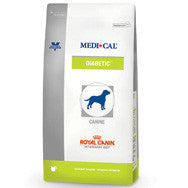
Royal Canin Veterinary Diet Canine Diabetic
Royal Canin Veterinary Diet Canine Diabetic is a vet-formulated prescription diet widely used across UK clinics for controlled glycaemic management, combining a precise fibre mix and targeted carbohydrate sources to reduce post-meal glucose spikes. Compared with Hill's and Purina it typically sits at a premium price but offers strong clinical trial support and consistent availability through veterinary channels, making it a dependable first-line option for practices balancing efficacy and client adherence.
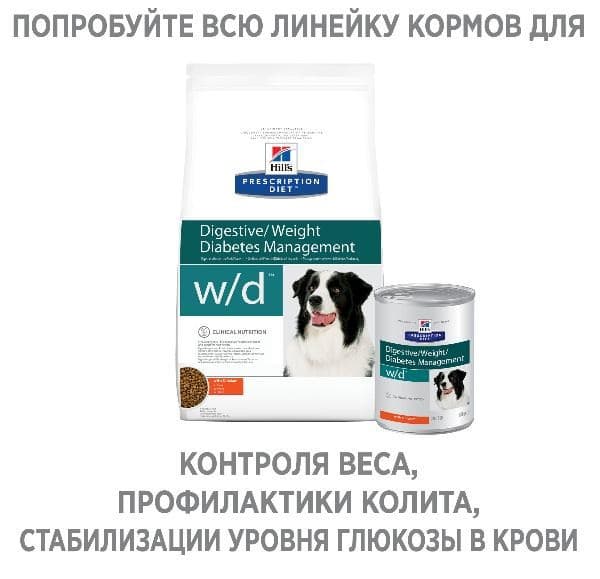
Hill's Prescription Diet w/d Digestive/Weight/Glucose Management
Hill's Prescription Diet w/d Digestive/Weight/Glucose Management is designed to tackle weight, digestive health and glucose control simultaneously with a soluble-fibre–rich, low-glycaemic formula and added nutrients to support lean body mass. It is positioned similarly to Royal Canin on veterinary endorsement and cost, yet its evidence base for weight-loss and widespread UK retail presence can lower total feeding costs for overweight diabetic dogs compared with niche or import-only options.
Purina Pro Plan Veterinary Diets DM Diabetes Management
Purina Pro Plan Veterinary Diets DM Diabetes Management focuses on low-glycaemic carbohydrates and high-quality protein aimed at stable blood glucose and maintenance of body condition, with strong palatability to aid compliance. Often more competitively priced than Royal Canin and Hill's while remaining vet-backed, its broad UK availability and frequent promotions through clinics and retailers give it a notable financial advantage for owners on tighter budgets.

Specific CDD Food Allergen Management Plus
Specific CDD Food Allergen Management Plus pairs diabetes-oriented carbohydrate control with a limited-ingredient, hypoallergenic approach to support dogs that have both diabetes and food sensitivities. Technically it stands apart from the other entries by combining glycaemic management and allergen restriction in one prescription diet, which can be more cost-effective and clinically efficient than feeding separate therapeutic formulas for each condition.

Burns Penlan Natural Diabetic Dog Food
Burns Penlan Natural Diabetic is a UK-made option that emphasises natural, recognisable ingredients, low-glycaemic carbohydrate sources and moderate fat to support steady blood sugar and overall health for diabetic dogs. Financially it is often the most affordable, locally produced choice in this list, and its transparent ingredient profile and domestic supply chain appeal to owners who prioritise minimal processing and lower import-related costs compared with multinational brands.

These prescription diabetic diets distinguish themselves through veterinary clinical endorsement, scientifically-formulated macronutrient balancing designed specifically for glucose regulation, multiple format options to suit individual dog preferences, demonstrated efficacy in supporting weight management alongside glycaemic control, and accessibility through established UK veterinary supply channels.
Understanding Canine Diabetes and Dietary Management
Canine diabetes mellitus represents a metabolic disorder affecting glucose regulation, typically managed through insulin administration combined with appropriate nutritional support. Prescription diabetic diets address this condition through specific nutritional strategies that help stabilise postprandial (after-meal) blood glucose responses, reducing the insulin burden required to maintain normal blood sugar levels. These therapeutic formulations employ elevated fibre content—both soluble and insoluble—to slow carbohydrate absorption and promote more gradual glucose elevation following feeding. Protein and fat ratios are carefully calibrated to support muscle maintenance whilst avoiding excess calories that could complicate weight management. For many diabetic dogs in the UK, transitioning to a prescription diet under veterinary guidance results in improved glycaemic control, reduced insulin requirements over time, better appetite regulation, and enhanced overall quality of life.
Prescription diabetic diets utilise complex carbohydrates and elevated fibre to achieve slower, more stable glucose responses
These formulations are supported by clinical trials demonstrating measurable improvements in blood glucose stabilisation
Different formats (dry kibble versus canned) offer flexibility to match individual dog preferences and feeding circumstances
Regular monitoring with your veterinary surgeon helps optimise insulin dosing alongside dietary management
Most dogs transition well to prescription diets within 7-14 days when introduced gradually
Weight management through appropriate prescription diet selection often reduces insulin resistance and improves metabolic stability
UK veterinary practices can access these diets through established pharmaceutical supply channels and direct manufacturer relationships
Long-term adherence to veterinary-recommended prescription diets significantly improves diabetes prognosis and quality of life outcomes
Frequently Asked Questions
Which vet prescription diet suits most diabetic dogs best?
For most diabetic dogs, Hill's Prescription Diet w/d Digestive/Weight/Glucose Management is a strong all-rounder, combining weight management and glycaemic control, with an average rating of 4.3.
What low-glycaemic spec does Purina Pro Plan DM provide?
Purina Pro Plan Veterinary Diets DM Diabetes Management uses low-glycaemic carbohydrates plus added fibre to promote stable blood sugar, with a 4.3 average rating.
How does Royal Canin Veterinary Diabetic compare on price?
The provided details don’t include a price for Royal Canin Veterinary Diet Canine Diabetic, but Purina Pro Plan Veterinary Diets DM Diabetes Management is described as often more competitively priced than Royal Canin; rating is 4.3.
Is Hill's w/d Diabetes Management available wet and dry?
Yes—Hill's Prescription Diet w/d Digestive/Weight/Glucose Management is available as wet and dry prescription options for flexible feeding plans, and its average rating is 4.3.
Conclusion
Navigating the complexities of canine diabetes management becomes significantly more manageable when armed with accurate information about available therapeutic diet options. The five prescription formulations detailed throughout this guide—Royal Canin Veterinary Diet Glycobalance Dry Dog Food, Hill's Prescription Diet w/d Multi-Benefit Digestive/Weight/Glucose/Urinary Management, Purina Pro Plan Veterinary Diets DM Dietetic Management Dry Dog Food, Royal Canin Veterinary Diet Glycobalance Canned Dog Food, and Hill's Prescription Diet w/d Multi-Benefit Canned Dog Food—represent the most frequently prescribed options within UK veterinary practices. Each formula brings distinct advantages to the table: Royal Canin Glycobalance appeals to many owners through its strong track record of glycaemic stability and broad availability via veterinary surgeries and specialist pet pharmacies; Hill's w/d offers multi-system support particularly beneficial for dogs with concurrent weight or digestive concerns; and Purina Pro Plan DM delivers a premium prescription option for those prioritising specific nutritional profiles. When selecting your dog's dietary management strategy, factor in your veterinary surgeon's clinical recommendations, your dog's specific health status, practical feeding preferences, and long-term cost considerations. Most UK pet owners find that discussing texture preferences (kibble versus canned), portion sizes, feeding schedules, and transition protocols with their vet leads to better compliance and improved glycaemic outcomes. Consider exploring online veterinary prescription services and established pet pharmacies for potential cost savings on repeat orders, whilst always maintaining regular check-ups to monitor your dog's response to dietary changes.