

Eye Ointments and Lubricants for Dogs — 2026 UK Guide (Top 5 Picks)
Eye ointments and lubricants for dogs are specialist products designed to protect, soothe and support canine eye health. They range from tear substitutes and preservative-free gels to antibiotic ointments and anti-inflammatory preparations used for conditions such as dry eye (keratoconjunctivitis sicca), corneal abrasions, conjunctivitis, post-operative care and everyday irritation. In the UK market, owners and veterinary professionals look for products that combine proven active ingredients (for example hyaluronic acid, carmellose, or veterinary-grade antibiotics where appropriate) with ease of application, long-lasting hydration and minimal preservatives to reduce irritation. Consumers also value clear vet guidance, packaging that suits dog handling, safety for dogs who may lick around the eye area, and trusted supply channels such as licensed veterinary pharmacies and established online retailers. Recent trends in 2026 emphasise preservative-free formulations, longer-lasting gels to reduce dosing frequency, and transparent labelling on prescription status and clinical indications.
Inception's AI took the time to understand this market in the UK · We may earn a commission on purchases. It never affects our rankings.
Top Picks Summary
Viscotears Liquid Gel
Viscotears Liquid Gel is a long‑acting carbomer-based gel that provides sustained lubrication for dogs with chronic dry eye or intermittent irritation; its thicker formulation gives longer residence time on the cornea compared with many standard drops. Compared with the other products in this list it is often sold OTC through broad retail channels and can be a cost-effective option for owners who want extended protection without frequent re-application.

Where to buy Viscotears Liquid Gel in UK: we track one retailer, Pharmacyfirst, and show the price we last observed there; the price you see at checkout may differ.
We may earn a commission on purchases. It never affects our rankings.
£6 – £12
Optixcare Eye Lube Plus
Optixcare Eye Lube Plus is a veterinary-focused ointment designed specifically for animals, delivering durable lubrication and protection that vets commonly recommend for dogs during recovery or in dry environments. Its packaging and formulation are optimized for animal use, often making it competitively priced per dose versus human-branded gels while offering the practical advantages vets prefer for canine patients.

Where to buy Optixcare Eye Lube Plus in UK: we track one retailer, Nvsweb, and show the price we last observed there; the price you see at checkout may differ.
We may earn a commission on purchases. It never affects our rankings.
£8 – £18
Remend Corneal Repair Gel
Remend Corneal Repair Gel is positioned as a targeted corneal support product intended to aid healing and comfort in cases of corneal trauma or post‑operative care; it typically emphasizes formulations that support epithelial recovery and adherence to the corneal surface. Although generally more specialized and often carrying a higher price than basic lubricants, Remend’s clinical focus can make it the preferred choice when veterinary guidance calls for enhanced corneal repair properties compared with everyday tear substitutes.
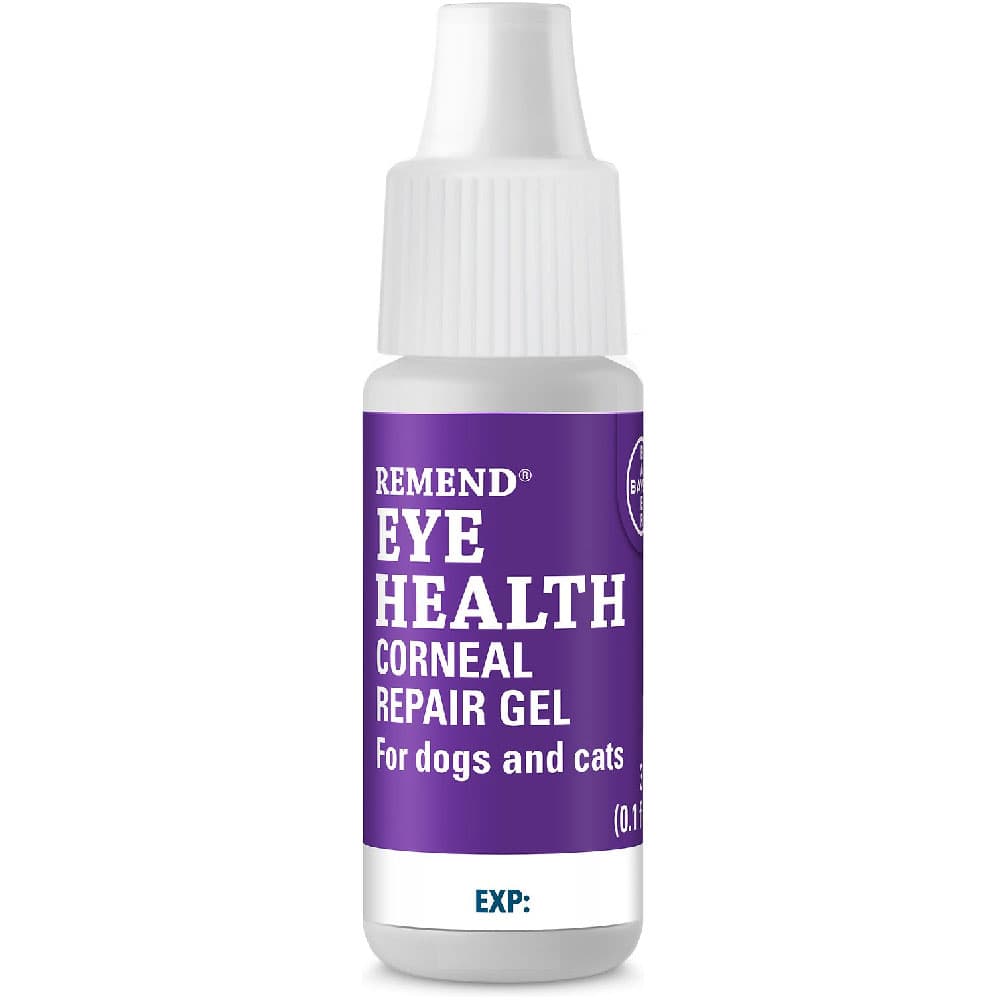
Where to buy Remend Corneal Repair Gel in UK: the trusted retailers we track in this market, with the best price we have observed at each. Prices are checked regularly and can change, and the retailer confirms the final price at checkout.
We may earn a commission on purchases. It never affects our rankings.
£11.69GBP
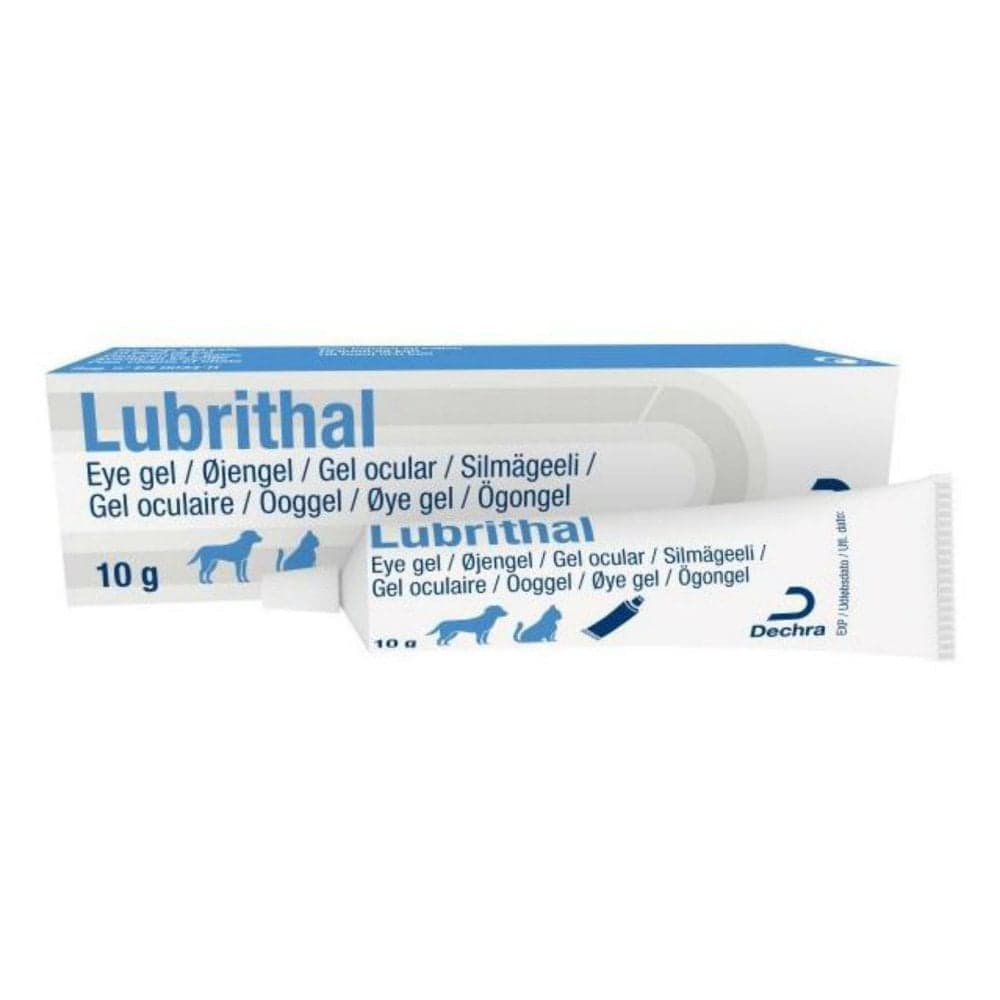
Lubrithal Eye Gel
Lubrithal Eye Gel contains high‑molecular-weight hyaluronate that provides cushiony, long-lasting lubrication favored in veterinary practice for dogs with moderate to severe tear film deficiency. It sits between basic drops and intensive corneal repair gels in both cost and technical profile, offering preservative‑free comfort and tear-film stabilization that many clinicians favor as a routine in-clinic or at-home maintenance option.
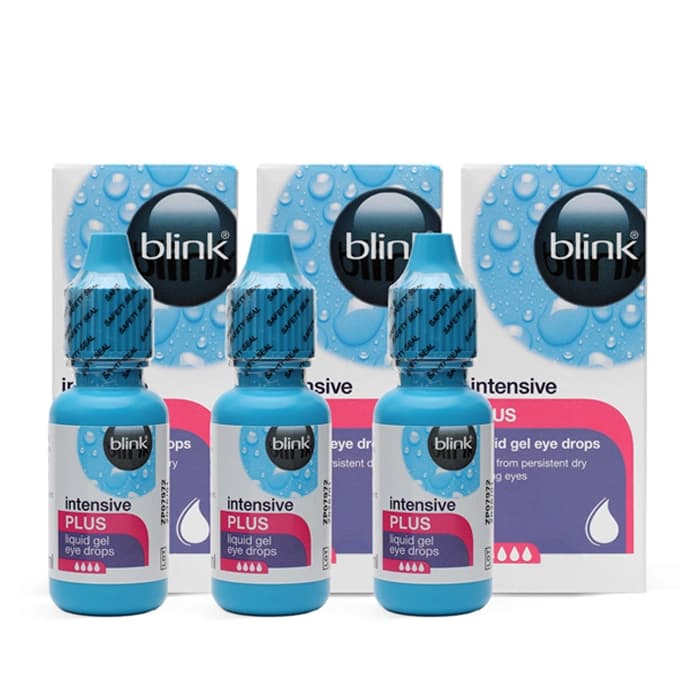
Blink Intensive Tears
Blink Intensive Tears is a widely available hyaluronate-based lubricant originally developed for humans but commonly used off-label for dogs needing frequent, fast-acting relief; its thinner drop formulation makes it convenient and economical for regular daytime use compared with thicker ointments. While it lacks the prolonged retention of gels and veterinary-specific packaging, its low cost and broad retail availability make it an attractive maintenance choice for owners between veterinary visits.
What research and veterinary guidance say
Clinical studies and veterinary guidelines support the use of targeted eye lubricants and appropriate topical medications to manage common canine eye problems. Research highlights the benefits of tear-replacement products for chronic dry eye, the role of specific active ingredients in prolonging ocular surface hydration, and the importance of veterinary assessment before using antibiotic or anti-inflammatory ointments. Evidence-based practice stresses correct diagnosis, appropriate product selection, and follow-up to prevent complications.
Tear substitutes and lubricants reduce corneal damage and discomfort in dogs with dry eye when used regularly, improving ocular surface health.
Hyaluronic acid and carmellose-based formulations are shown to increase tear film stability and provide longer-lasting moisture compared with simple saline-type drops.
Preservative-free preparations are recommended for dogs requiring frequent dosing or with sensitive eyes, as preservatives can cause irritation with repeated use.
Antibiotic ointments are effective for treating or preventing bacterial infections in corneal abrasions, but their use should follow veterinary diagnosis to avoid inappropriate treatment and resistance issues.
Immunomodulatory therapies (for example topical ciclosporin or tacrolimus) are supported by clinical evidence for certain immune-mediated conditions such as keratoconjunctivitis sicca and should be used under veterinary supervision.
Proper application technique, dosing frequency and follow-up examinations are important parts of successful outcomes and are emphasised in veterinary practice guidance.
Frequently Asked Questions
Which eye ointment is best for chronic dry eye?
Viscotears Liquid Gel is a long‑acting carbomer-based gel for dogs with chronic dry eye or intermittent irritation, with a preservative-free formula for sustained lubrication and longer corneal residence time.
Does Optixcare Eye Lube Plus stay on the cornea longer?
Optixcare Eye Lube Plus is a thicker veterinary-focused eye gel that adheres well to the eye, helping deliver durable lubrication and longer-lasting moisture between applications; rating 4.7.
How much should I pay for Viscotears Liquid Gel?
The price for Viscotears Liquid Gel isn’t provided in the given data, but it has an average rating of 4.7 and is preservative-free carbomer-based gel for prolonged ocular lubrication.
Is Remend Corneal Repair Gel suitable for post-operative care?
Remend Corneal Repair Gel is positioned for corneal support, including vet-led treatment for superficial corneal damage and protective moisture barrier in corneal trauma or post‑operative care; rating 4.5.
Conclusion
This guide outlines the role, benefits and key considerations for eye ointments and lubricants for dogs in the UK. We hope you found the overview useful. If you want to refine or expand your search, use the search tools to filter by condition, active ingredient, prescription status or product format, or consult your veterinary surgeon for personalised advice.