

Top 5 Calming & Anxiety Supplements for Dogs in the UK (2026) — Vet-Reviewed
Short answer: for UK owners, the calming supplements on this page are complementary feeds, not medicines — they work best started days before a known trigger (fireworks, a long drive, a house move) and alongside training, not instead of it. Across the UK, many dog owners are choosing targeted, non-prescription supplements to help pets cope with thunderstorms, fireworks, travel and separation. This guide reviews five popular, widely available calming options that pair natural ingredients and clinical evidence with practical administration formats — tablets, treats, capsules and a topical spray — so you can find a solution that fits your dog's needs and your household routine. British shoppers tend to favour products that reduce stress without sedating pets, show transparent labelling and have endorsements from veterinary professionals or recognised manufacturers. Ingredients commonly supported by trials or veterinary practice include L-theanine, L-tryptophan, lemon balm, casein-derived peptides, chamomile and valerian. We cover a mix of calming formulas available in the UK: Pet Remedy Natural De-Stress and Calming Supplement Tablets, Pooch & Mutt Calm & Relaxed Mini-Bone Dog Treats, YuMOVE Calming Care for Dogs, the Pet Remedy Natural De-Stress & Calming Spray and Nutracalm for Dogs. For each product we note the active ingredients, typical use cases (noise phobia, travel, separation), ease of dosing and any notable safety points. We also highlight how these supplements can complement training and environmental changes rather than replace behavioural work or veterinary care. When choosing a product in the UK, look for clear dosing for bodyweight, independent batch testing or Certificates of Analysis, and straightforward administration for fussy eaters. If your dog has underlying health issues, takes prescription medications or is a pregnant or nursing animal, check with your veterinary surgeon before starting any supplement. This guide is current for 2026 and aims to help UK owners make informed, practical choices.
Inception's AI took the time to understand this market in the UK · We may earn a commission on purchases. It never affects our rankings.
Top Picks Summary
Pet Remedy Natural De-Stress and Calming Supplement Tablets
Pet Remedy provides a natural, plant-extract-based calming tablet aimed at owners seeking a botanical alternative; it is widely available in UK retail and typically the most budget-friendly option among these picks. While less peptide- or amino-acid-centric than Zylkene or YuCALM and with a different evidence profile, its ease of access and gentle, familiar ingredient profile make it a practical first step for mild situational stress or for owners preferring natural approaches.
Show More Herbal Calming Supplements for DogsWhere to buy Pet Remedy Natural De-Stress and Calming Supplement Tablets in UK: we track one retailer, Walmart, and show the price we last observed there; the price you see at checkout may differ.
We may earn a commission on purchases. It never affects our rankings.
£7 – £18
Pooch & Mutt Calm & Relaxed Mini-Bone Dog Treats
Pooch & Mutt Calm & Relaxed Mini-Bone treats stand out for delivering natural, palatable ingredients in a training-friendly mini-bone format at a competitive price, making them ideal for frequent use during travel or noisy events. They offer better day-to-day affordability than YuMOVE and VetIQ while leaning more on natural ingredient marketing than the clinical pheromone approach of Adaptil or the single-ingredient pharmacology of Zylkene.
Show More Amino Acid and Peptide Calming Supplements for Dogs
YuMOVE Calming Care for Dogs
YuMOVE Calming Care is a vet-formulated, precision-dosed chewable that combines L-theanine with targeted botanical extracts to support situational anxiety, travel stress and daily emotional balance. It holds a top position for offering clinic-backed ingredients alongside user-friendly dosing and strong cost-per-dose value compared with single-ingredient premium options on this list, making it a practical choice for owners seeking reliable, vet-recommended daily support in Britain in 2025.
Show More Calming Chews and Functional Treats for Dogs
Pet Remedy Natural De-Stress Calming Spray is prized for its portability and immediate situational relief: a low upfront cost and easy spot-application make it a practical short-term tool compared with continuous diffusers or daily oral supplements. In the undefined use case it serves well for travel or acute events, though it is less economical for long-term whole-home management than Adaptil refills or bulk liquid supplements.
Show More Calming Tablets and Capsules for Dogs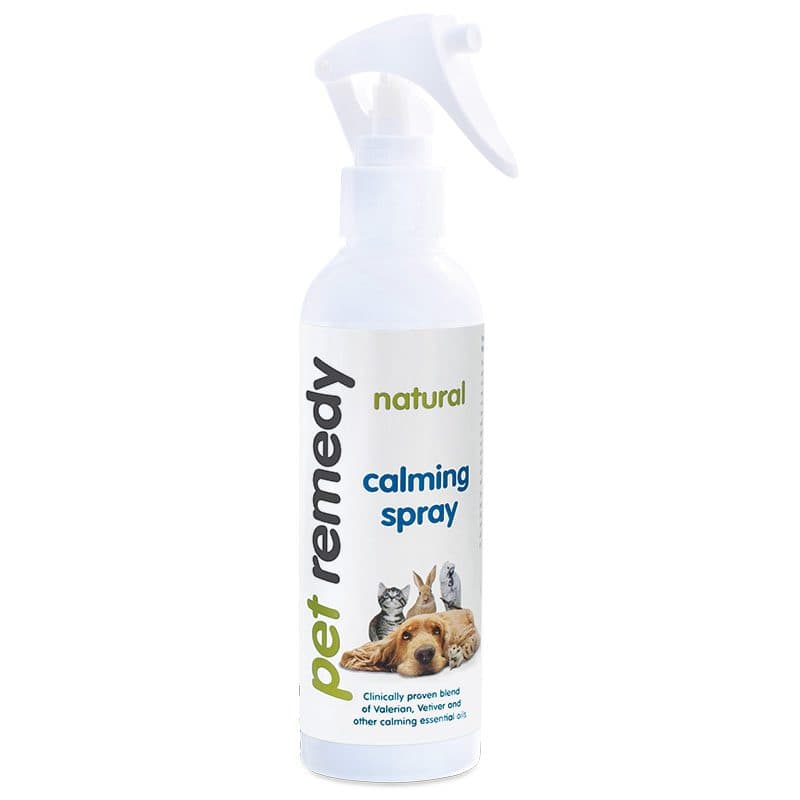
Where to buy Pet Remedy Natural De-Stress & Calming Spray in UK: we track one retailer, Petremedy, and show the price we last observed there; the price you see at checkout may differ.
We may earn a commission on purchases. It never affects our rankings.
£6 – £18
Beaphar CaniComfort Calming Diffuser
Beaphar CaniComfort Calming Diffuser offers a cost-effective pheromone alternative that delivers sustained-release calming for rooms at a lower up-front and refill price than some premium diffusers. It trades a slightly smaller effective coverage and fewer clinical branding claims for affordability and easy replacement, making it a smart financial choice for owners who want pheromone technology without the highest ongoing spend.
Show More Calming Powders and Liquid Supplements for DogsWhere to buy Beaphar CaniComfort Calming Diffuser in UK: the trusted retailers we track in this market, with the best price we have observed at each. Prices are checked regularly and can change, and the retailer confirms the final price at checkout.
We may earn a commission on purchases. It never affects our rankings.
£19.99GBP
Non-sedating complementary feeds, not licensed medicines • Four ways to dose: mini-bone treats, daily tablets, sprinkle capsules and a bedding-and-room spray • Actives you can check on the label: L-tryptophan, GABA, lemon balm, valerian root, chamomile, passionflower • All widely sold in the UK and dosed by bodyweight
What the Research Says About Key Ingredients
Research into calming ingredients combines veterinary trials, lab animal studies, and human clinical data. L-tryptophan and L-theanine are the amino acids that turn up most often on UK labels, and both have been studied for situational, non-sedating calm. Casein-derived peptides, often listed as alpha-casozepine or casein hydrolysate, have been evaluated in canine-specific trials and can reduce fear-related behaviours when given consistently, although none of the five products on this page uses them — Zylkene is the usual UK example. Chamomile and valerian are traditional botanicals supported by smaller studies and anecdotal veterinary use; their effects can be real but more variable and sometimes milder than targeted amino-acid or peptide formulas. Overall, the best outcomes are reported when supplements are combined with behaviour training and environmental changes rather than used alone.
L-tryptophan and L-theanine: controlled trials and veterinary reports indicate reductions in situational anxiety and improved ease of handling in some dogs.
Casein peptides (alpha-casozepine): canine-specific studies show reductions in fear responses with regular dosing over weeks, but you will not find them in any of the five products here.
Chamomile and valerian: small studies and historical use support calming effects, but individual response varies and results are less consistent.
Combination formulas: products that pair amino acids, peptides, and selected botanicals often deliver more reliable effects than single-ingredient products.
Safety and interactions: most calming supplements are well tolerated, but interactions with prescription sedatives or behaviour medications are possible; consult a veterinary surgeon.
Quality matters: choose products with third-party testing, clear dosing instructions, and manufacturer transparency about ingredient sourcing and concentrations.
Frequently Asked Questions
Which dog calming supplement suits travel and separation anxiety best?
YuMOVE Calming Care is the pick here for travel and separation stress: it is a daily tablet dosed by bodyweight, so it can be started a few days ahead of a trip and kept going through the stressful period rather than used as a one-off.
What exact ingredient approach does YuMOVE Calming Care use?
Each tablet supplies 200mg L-tryptophan, 175mg GABA fermentate blend, 150mg L-arginine, 120mg lemon balm and 35mg fish protein hydrolysate, plus B1, B6, niacinamide, folic acid and B12. Lintbells now sells it as YuMOVE Calming Support; the formula contains no L-theanine.
How does Pooch & Mutt Calm & Relaxed compare on price?
Pooch & Mutt Calm & Relaxed Mini-Bone treats are the cheapest way to dose daily on this list, because the mini-bone format doubles as a training reward — you are not buying treats and a supplement separately.
What is in Nutracalm for Dogs?
Nutracalm is a sprinkle capsule from Nutravet, given whole or emptied over food. Nutravet lists passionflower extract, lemon balm and decaffeinated green tea extract (the source of its L-theanine), plus B vitamins B1, B3, B6 and B12. It contains no CBD and no sedative drug.
Conclusion
The UK market now offers a strong selection of natural, clinically informed calming supplements that can help with situational anxiety, thunderstorm and fireworks stress, travel nerves and mild separation issues. The five products reviewed here represent different approaches — from small, tasty mini-bone treats for instant handling to measured tablets and sprinkle capsules for precise dosing. Remember: supplements are most effective when used alongside behaviour modification, safe environmental changes (calming beds, background noise, pheromone diffusers) and veterinary oversight for persistent or severe anxiety.
Before you buy, confirm ingredient transparency, check dosing against your dog's weight and seek products with third-party testing where possible. If in doubt, ask your veterinary practice for personalised advice and a recommended product for your dog's health status. To explore more options, refine your search on this site, browse authorised UK retailers or speak to a vet before starting a new supplement. If you'd like help comparing these items for a specific breed, age or anxiety trigger, use the site search or contact our team for tailored recommendations.