

Top 7 Dog Dental Products UK 2026 — Brushes, Pastes and Chews
Good dental care keeps dogs happier and healthier — and in the UK more owners are treating oral hygiene as part of routine care rather than an occasional chore. This 2026 guide looks at seven dental products available in the United Kingdom, covering enzyme toothpastes, purpose-built brushes and wipes, and chewable treats designed to reduce plaque, fight tartar and freshen breath. One thing worth knowing before you shop: the Veterinary Oral Health Council (VOHC) publishes a register of products that have passed controlled plaque-and-tartar trials, and of the seven picks here only Canine Greenies appear on it. That does not make the others useless — most have never been through a VOHC trial — but it is the only independent efficacy mark in this category, so treat it as the tie-breaker rather than assuming every dental-branded product is clinically proven. When choosing products in the UK market, consider texture and flavour for fussy pets, chew durability for powerful chewers, and whether a product suits teething puppies or dogs with sensitive gums. Eco-conscious packaging and natural ingredient lists are increasingly popular here, but clinical effectiveness should come first. This guide explains which dental tools suit different life stages and lifestyles, highlights features vets look for, and helps you decide whether a brush, paste, chew or wipe should be the cornerstone of your dog’s oral-care routine in 2026. If you’re comparing enzyme-based pastes, gels, or long-lasting chews, you’ll find practical tips to match a product to a dog’s size, behaviour and dental needs.
Inception's AI took the time to understand this market in the UK · We may earn a commission on purchases. It never affects our rankings.
Top Picks Summary
Vet's Best offers an enzymatic dog toothpaste that leans on plant-derived extracts and gentle ingredients, providing a softer option for dogs with sensitive mouths while remaining wallet-friendly. It competes with the other entries by combining accessibility and a more 'natural' ingredient profile, though it generally trades off some of the clinic-grade validation found with brands like Virbac.
Show More Dog ToothpasteTwo head sizes on one angled handle is the most useful thing a manual dog toothbrush can offer, and that is what the Enzadent does: the small end for incisors and small mouths, the large end for the molars at the back where tartar collects worst. Bristles are soft but firm enough to work into the gumline, which silicone finger brushes cannot manage. It costs a few pounds and is designed to be used with an enzymatic paste. The one caveat for British buyers is supply. Enzadent is principally a Vetoquinol USA line, so UK availability comes and goes and the listing here resolves to a US page.
Show More Dog ToothbrushesLily’s Kitchen Woofbrush chews bring a premium, boutique appeal to Boxing Day 2025 sales with high-quality natural ingredients and British provenance that attract owners prepared to pay more for artisan-style pet products. Compared with the mainstream and functional players listed above, Woofbrush often commands a higher RRP but can be a smart seasonal buy when Boxing Day promotions close the gap, especially for buyers prioritising local sourcing and recipe transparency.
Show More Dog Dental Chews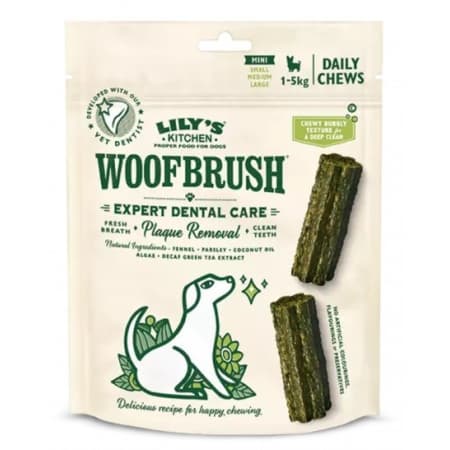
Where to buy Lily's Kitchen Woofbrush Dental Chews in UK: the trusted retailers we track in this market, with the best price we have observed at each. Prices are checked regularly and can change, and the retailer confirms the final price at checkout.
We may earn a commission on purchases. It never affects our rankings.
£7.50GBP
Greenies Original Dental Treats are a best-in-class dental chew prized for their firm-but-chewable texture and wide size range, making them a go-to choice for broad veterinary recommendation and consistent plaque control. Compared with Virbac VeggieDent FR3SH, Greenies emphasize mechanical cleaning performance and retail ubiquity, which can justify a higher price for buyers seeking proven everyday dental support. For the undefined use case this positions Greenies as the default mainstream option for pet owners prioritizing availability and established effectiveness.
Show More Dog Dental Treats
Dechra’s Vet Dentacetic wipes represent the most clinic-focused, veterinary-sold option in this roundup, offering antiseptic-grade oral care developed by a UK-based veterinary pharmaceuticals firm. While typically priced at a premium compared with mass-market wipes, their strong clinical pedigree and formulation make them the preferred choice for post-procedural use or dogs with more persistent oral issues; this clinical focus sets them apart from supermarket brands that emphasise convenience and cost. For UK buyers seeking a professionally endorsed, travel-capable wipe with established vet support, Dentacetic is a top specialist pick.
Show More Dog Water Additives
Beaphar's Toothbrush & Toothpaste Kit is a straightforward, wallet-friendly European option popular with UK vets for its gentle flavor and included brush that lowers the barrier to starting a home dental routine. While its enzymatic strength is milder than Arm & Hammer or Vet's Best, its affordability and compact packs make it especially well suited to multi-dog households on a budget or for novice owners.
Show More Dog Dental Sprays
Whimzees Brushzees Natural Dental Chew earns a best-in-class spot for its all-natural, plant-based formulation and anatomically varied shapes that mechanically scrape plaque and tartar while being compostable — a technical edge for buyers prioritizing ingredient transparency and sustainability. Compared with Arm & Hammer's more conventional baking-soda approach, Whimzees often commands a premium per unit but offers a clear selling point for eco-conscious consumers and those seeking gentler, additive-free chews in this listing for the use case "undefined".
Show More Dog Dental Wipes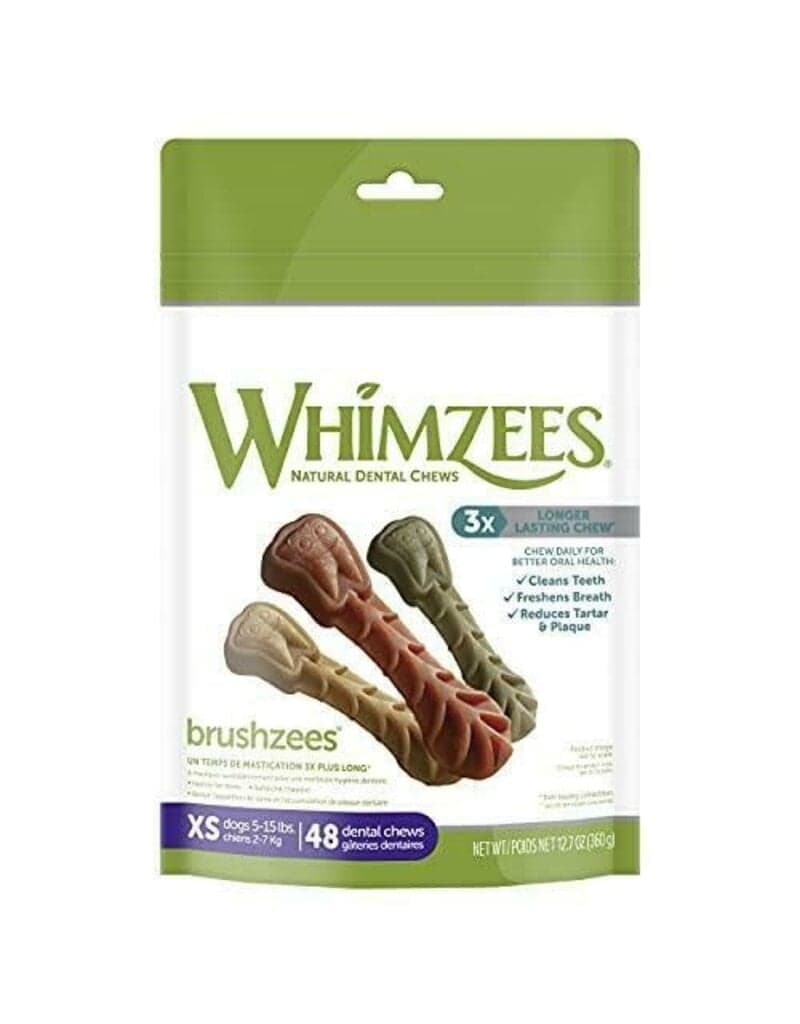
The picks worth paying for combine proven plaque control (VOHC acceptance, or published data), size-specific designs and ingredient transparency. Look for enzymatic formulas for daily use, robust chews for heavy chewers, and comfortable brushes for puppies and seniors — and check the VOHC register yourself before believing an efficacy claim on a box.
What the Research and Veterinary Guidance Say
Clinical research and veterinary guidance consistently support a combination approach to canine oral care. Daily toothbrushing with dog-safe toothpaste is the most effective way to prevent plaque accumulation. When brushing is not feasible every day, VOHC-accepted dental chews, specific water additives and enzymatic toothpastes provide measurable reductions in plaque and tartar when used consistently — though of the products on this page, only Canine Greenies carry that acceptance (awarded for plaque and tartar in 2007). Veterinary organisations emphasise that at-home care complements, but does not replace, periodic professional dental exams and cleanings.
Daily brushing with a toothbrush and pet-formulated toothpaste is the gold standard for plaque control and gingivitis prevention according to veterinary dental guidelines.
Never use human toothpaste on a dog. It is designed to be spat out, and dogs swallow it: fluoride causes stomach upset in quantity, and xylitol — often listed as birch sugar — can trigger a sudden, dangerous drop in a dog's blood sugar from a very small dose.
Dental chews accepted by the Veterinary Oral Health Council (VOHC) have demonstrated reductions in tartar and plaque in controlled studies; look for the VOHC seal, and check the published register rather than taking a 'vet-approved' label on the packaging at face value.
Enzymatic toothpastes and certain water additives can lower bacterial load and help reduce bad breath, especially when combined with mechanical cleaning.
Several peer-reviewed studies link untreated periodontal disease in dogs to systemic inflammation and potential risks to cardiac and renal health, highlighting the importance of prevention.
Consistency matters: products are most effective when used as part of a routine tailored to your dog's age, breed, and chewing habits, and when paired with regular veterinary dental checks.
Frequently Asked Questions
Which product on this list is actually VOHC-accepted?
Only Greenies. Canine Greenies have been on the Veterinary Oral Health Council register for plaque and tartar since 2007, across five sizes, and they hold the highest rating on this page at 4.7. The other six picks — including both toothpastes, the Dechra wipes and the nylon chews — do not appear on the VOHC dog register as of its November 2025 edition. That is not evidence they fail; most have simply never run a VOHC trial.
Can I use human toothpaste on my dog?
No. Human toothpaste is meant to be spat out and dogs swallow it. Fluoride causes stomach upset in quantity, and xylitol — sometimes labelled birch sugar — can cause a sudden, dangerous drop in a dog's blood sugar from a small amount. Use a dog-specific paste such as Vet's Best Enzymatic Dog Toothpaste, which is fluoride-free and formulated to be swallowed; it rates 3.9 here and costs around £3-6.
What works if my dog won't tolerate a toothbrush?
A wipe is the usual step down. Dechra Vet Dentacetic Dental Wipes (25 per pack, £12-20, rated 4.5) use 1% acetic acid with sodium hexametaphosphate, which binds minerals in saliva to slow tartar forming, and you rub them along the outer tooth surfaces twice daily. A wipe cannot reach between the teeth the way bristles do, so it is a fallback rather than an equal substitute; pairing it with a chew such as Lily's Kitchen Woofbrush (4.3) covers more of the mouth.
Are hard nylon chews like Benebone and Nylabone safe for teeth?
They clean by abrasion, and both the Benebone Dental Chew (4.5) and the Nylabone Advanced Oral Care kit (4.3, around £11.79) are built for persistent chewers. The caution veterinary dentists give is about hardness: a chew you cannot dent with a thumbnail can fracture a dog's large upper premolar. Size the chew to the dog, supervise, and replace it once it is worn or splintering.
Conclusion
Choosing the right dental care items for your dog in the UK is about matching evidence with everyday practicality. Combine a daily habit (brushing, or wiping if your dog won't accept a brush) with chews and regular professional checks to reduce the risk of periodontal disease and bad breath. If your dog is a puppy, focus on gentler textures and positive training; for seniors, look for soft brushes and gentler formulas; for power chewers, pick chews sized for the dog and hard enough to last without risking a fractured tooth. Always discuss persistent oral odour, swollen gums or difficulty eating with your veterinary practice — these signs can need professional treatment beyond home care, and no chew or paste will fix an established problem.