

Best Antimicrobial Eye Treatments for Dogs UK 2026: Vetericyn, I-Drop Vet, Optixcare & Remend
When your canine companion develops an eye infection or experiences ocular discomfort, selecting the appropriate antimicrobial treatment becomes paramount for their swift recovery and comfort. Our comprehensive guide examines eye care products available on the UK market, each offering distinct formulations to address surface irritation, support corneal healing and aid post-operative comfort. From over-the-counter antimicrobial and lubricating solutions to gentle cleansing wipes, this comparison helps dog owners and pet carers navigate canine ophthalmic care. Whether you're dealing with mild conjunctivitis, minor irritation, dry eye or post-operative care, understanding the strengths and applications of each product enables informed decision-making in partnership with your veterinary practice. Important: confirmed bacterial eye infections in dogs typically require a prescription topical antibiotic prescribed by your vet after examination; over-the-counter antimicrobial and lubricant products support hygiene and comfort but are not a substitute for veterinary diagnosis. In the UK, antibiotic eye preparations for dogs are POM-V — a veterinary surgeon must examine your dog and prescribe them, and no product on this page is a substitute for that. Never put an ear preparation into a dog's eye: ear drops are not formulated for ocular use, and steroid-containing products can worsen a corneal ulcer. The British market has seen growing demand for evidence-based, preservative-minimal eye care. This guide distils practical considerations to help you identify which formulation aligns with your dog's needs and your veterinarian's guidance.
Inception's AI took the time to understand this market in the UK · We may earn a commission on purchases. It never affects our rankings.
Top Picks Summary
Vetericyn Plus Antimicrobial Ophthalmic Gel for Dogs
Vetericyn Plus sits as a best-in-class antimicrobial ophthalmic gel because its veterinary-grade, stay-on gel formulation delivers broad-spectrum surface antimicrobial protection while providing a soothing barrier that helps contact time on the cornea. Compared with the lubricants in this list (I-Drop Vet and Remend) it adds active antimicrobial coverage for minor infections and irritations, and when used alongside hygiene products such as Optixcare wipes or as an alternative to over-the-counter Polysporin for surface issues it can be a cost-effective choice that reduces the need for repeated topical antibiotic courses.

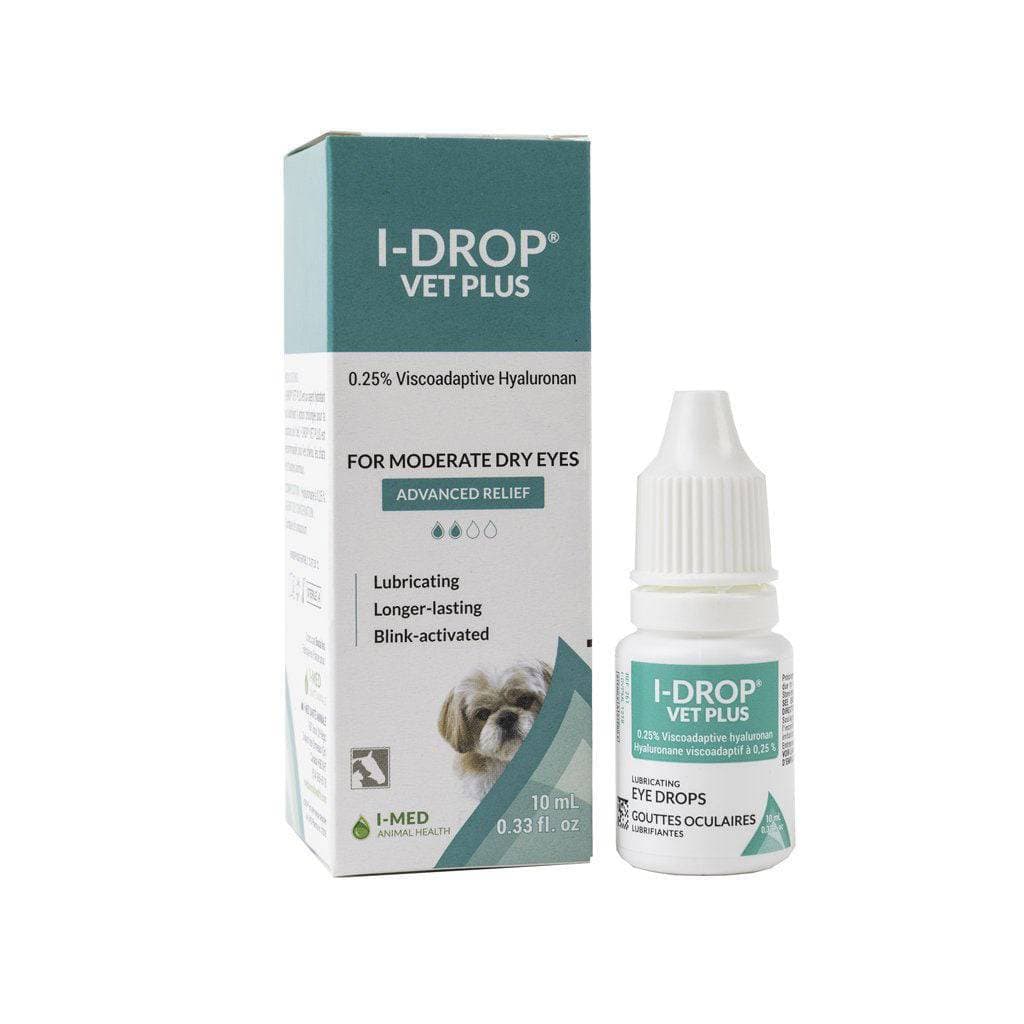
I-Drop Vet Plus Lubricant Eye Drops
I-Drop Vet Plus is a market-leading veterinary lubricant known for long-lasting tear-film support using advanced lubricating polymers that reduce dosing frequency for acute and seasonal dry eye. Unlike Vetericyn, which emphasises antimicrobial action, I-Drop focuses on sustained lubrication and comfort; this makes it a preferred, often more economical option for ongoing keratoconjunctivitis sicca management and a complementary product to hygiene solutions like Optixcare wipes. Note that the multidose bottle contains a mild preservative — I-MED Animal Health recommends its preservative-free I-Drop Vet Gel for regular, long-term use.
Optixcare Eye Cleaning Wipes
Optixcare Eye Cleaning Wipes are a complementary, low-cost ocular hygiene product intended to remove discharge and debris before applying drops or gels, offering quick, practical cleaning rather than direct antimicrobial therapy. In comparison to the drops and gels on this list, these wipes are less of a treatment modality and more of a preparatory or maintenance tool — they are cheaper and easier to use than topical medicated products, but they do not replace antimicrobial or lubricating drops for active infections or severe ocular disease.

Canaural Eye Drops for Dogs
Correction: Canaural is not an eye drop. Canaural Ear Drops (Dechra) is a POM-V prescription-only veterinary medicine licensed in the UK for otitis externa — infection of the outer ear — in dogs and cats, and it contains fusidic acid, framycetin sulphate, nystatin and prednisolone (VMD product information database A002274). It must not be instilled into a dog's eye: it is not formulated for ocular use, and the prednisolone it contains can worsen a corneal ulcer, while framycetin is an aminoglycoside that is irritant to the ocular surface. It is also prescription-only, so it cannot lawfully be bought over the counter in the UK — a veterinary surgeon must examine your animal and prescribe it. If your dog has a suspected eye infection, see your vet for a licensed ophthalmic antibiotic rather than using this product.

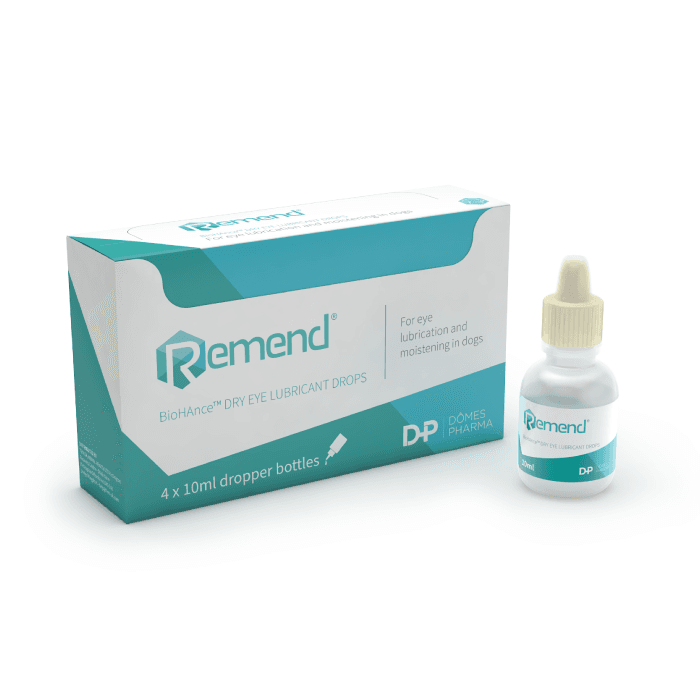
Remend Eye Lubricating Drops for Dogs
Remend is a specialist lubricating drop formulated for canine comfort and long-lasting tear support, often recommended by vets for chronic dry-eye and post-procedural lubrication due to its preservative-free, eye-friendly profile. Compared with I-Drop Vet it competes on duration of relief and ocular tolerability, while lacking direct antimicrobial activity like Vetericyn or Canaural, so it is frequently used in tandem with antimicrobial therapies or hygiene products such as Optixcare wipes for a rounded ocular care plan.
These five products represent the confluence of veterinary science and practical pet care, each distinguished by unique delivery systems, ingredient profiles, and clinical applications. Together they span pharmaceutical-grade antimicrobial action, gentle cleansing formulations, and protective lubricants—offering UK dog owners accessible, evidence-supported alternatives to purely pharmaceutical interventions when appropriate.
Understanding Canine Antimicrobial Ophthalmic Care
Antimicrobial eye treatments for dogs serve multiple clinical purposes within veterinary ophthalmology. These formulations combat bacterial and viral pathogens whilst promoting corneal healing and reducing inflammation. The UK veterinary profession increasingly emphasises preservative-free and naturally-derived antimicrobial agents to minimise adverse reactions in dogs with sensitive ocular tissues.
Bacterial conjunctivitis represents the most common infectious eye condition in UK dogs, responding well to targeted antimicrobial therapy
Preservative-free formulations reduce irritation and allergic reactions in sensitive dogs requiring prolonged treatment courses
Multi-format options (drops, gels, wipes) accommodate varying application preferences and specific clinical presentations
Combination products containing lubricants alongside antimicrobial agents support corneal healing whilst controlling infection
Veterinary prescription products offer pharmaceutical-grade strength for moderate to severe infections, whilst OTC options serve maintenance and preventative roles
Proper administration technique and compliance significantly influence treatment outcomes—your veterinary team should demonstrate correct application
Post-operative eye care following surgical procedures often benefits from antimicrobial drops to prevent secondary infection
Some dogs experience seasonal allergic conjunctivitis benefiting from antimicrobial products combined with anti-inflammatory support
Frequently Asked Questions
Which is best for dogs needing long contact gel?
Vetericyn Plus Antimicrobial Ophthalmic Gel for Dogs is the best fit, because it’s a thick stay-on gel formulated to help deliver broad-spectrum surface antimicrobial protection while soothing with added contact time on the cornea; average rating 4.3.
Does I-Drop Vet Plus come preservative-free and sterile?
It is sterile, but not preservative-free. I-MED Animal Health states the I-Drop Vet Plus multidose bottle contains a mild preservative and is intended for acute or seasonal dry eye; the company points to I-Drop Vet Gel as its preservative-free option for regular, ongoing use.
How does Optixcare Eye Cleaning Wipes value help?
Optixcare Eye Cleaning Wipes are a low-cost ocular hygiene option, with pre-moistened alcohol-free wipes designed to remove discharge, debris, and crusts from the eyelid margin before you apply drops or gels; average rating 4.4.
Can Optixcare wipes replace antimicrobial eye drops?
No—Optixcare Eye Cleaning Wipes are complementary for cleaning discharge and debris, not direct antimicrobial therapy; they’re single-use and alcohol-free, intended to prep the eye before applying drops or gels; average rating 4.4.
Conclusion
Selecting the right ophthalmic product for your dog is a crucial decision in managing ocular health and preventing complications. Throughout this review, we've examined how Vetericyn Plus Antimicrobial Ophthalmic Gel, I-Drop Vet Plus, Optixcare Eye Cleaning Wipes and Remend Eye Lubricating Drops each serve distinct roles within a comprehensive eye-care strategy. For many UK pet owners seeking a broad-spectrum, antibiotic-free surface antimicrobial with minimal irritation, Vetericyn Plus Antimicrobial Ophthalmic Gel emerges as a particularly versatile choice for home management of minor irritation — though your veterinary surgeon's assessment should always guide your final selection, and any suspected infection should be examined before treatment. Note that human antibiotic ointments such as Polysporin should not be used in a dog's eyes without explicit veterinary direction. The most effective approach involves discussing your dog's symptoms and examination findings with your vet before commencing treatment. Should you wish to explore additional options, refine your search by format (drops versus gels versus cleansing wipes), prescription requirements, preservative-free specifications, or particular ocular conditions such as dry eye or surgical recovery.