

Veterinary Anesthetic Reversal Medications for Dogs in 2025: Expert Guide to Safe Recovery Protocols and Approved Pharmaceutical Options
Published on Thursday, 21 August 2025
When your dog undergoes surgical procedures or accidental medication exposure occurs, anesthetic reversal agents play a critical role in ensuring swift, complication-free recovery. These specialised veterinary pharmaceuticals counteract sedatives, opioids, and alpha-2 agonists commonly used during anaesthesia, enabling your pet to regain consciousness safely and efficiently. UK veterinary practices increasingly recognise the value of having reliable reversal medications on hand, particularly for procedures conducted in clinic settings where minimising recovery time directly benefits animal welfare and reduces owner anxiety. The pharmaceutical landscape for canine anaesthetic reversal has evolved considerably, with options now ranging from intramuscular injections suitable for practice use to intranasal formulations designed for emergency response situations. Pet owners throughout Britain are becoming more informed about these options, seeking assurance that their veterinarian has access to state-of-the-art reversal protocols. This comprehensive guide examines five evidence-based reversal agents currently utilised across British veterinary medicine, each designed to address specific anaesthetic drug categories. Understanding which reversal agent your veterinary practice employs, how it works, and what recovery timeline you can expect will help you make informed decisions about your dog's surgical care. We explore dosing considerations, safety profiles, availability across different regions, and how these medications integrate into modern anaesthetic protocols for dogs of varying ages and health status.
Top Picks Summary
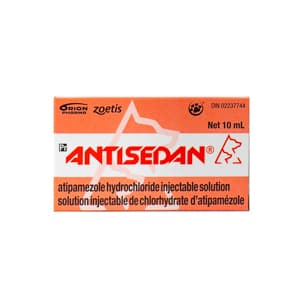
Antisedan (atipamezole)
Antisedan is the veterinary standard atipamezole product for reversing alpha-2 agonist sedation in dogs, valued for rapid, predictable recovery and broad veterinary labeling. Compared with other agents on this list, Antisedan's manufacturer support, established clinical track record and widespread availability give it a technical and commercial advantage for clinic-based anesthetic reversal, while its mechanism is complementary—not interchangeable—with opioid and benzodiazepine antagonists.
Revertor (atipamezole)
Revertor is a selective alpha-2 adrenergic antagonist containing atipamezole hydrochloride (5 mg/ml), licensed to reverse the sedative effects of medetomidine and dexmedetomidine in dogs and cats. It shares the same active ingredient and mechanism as Antisedan, so it produces rapid, predictable arousal from alpha-2 agonist sedation, and UK practices often choose it as a cost-effective stocked alternative for routine clinic reversal. Unlike Bridion (which reverses neuromuscular blockers), Anexate (benzodiazepines) and naloxone (opioids), Revertor acts only on alpha-2 agonist sedation and is not interchangeable with those agents.

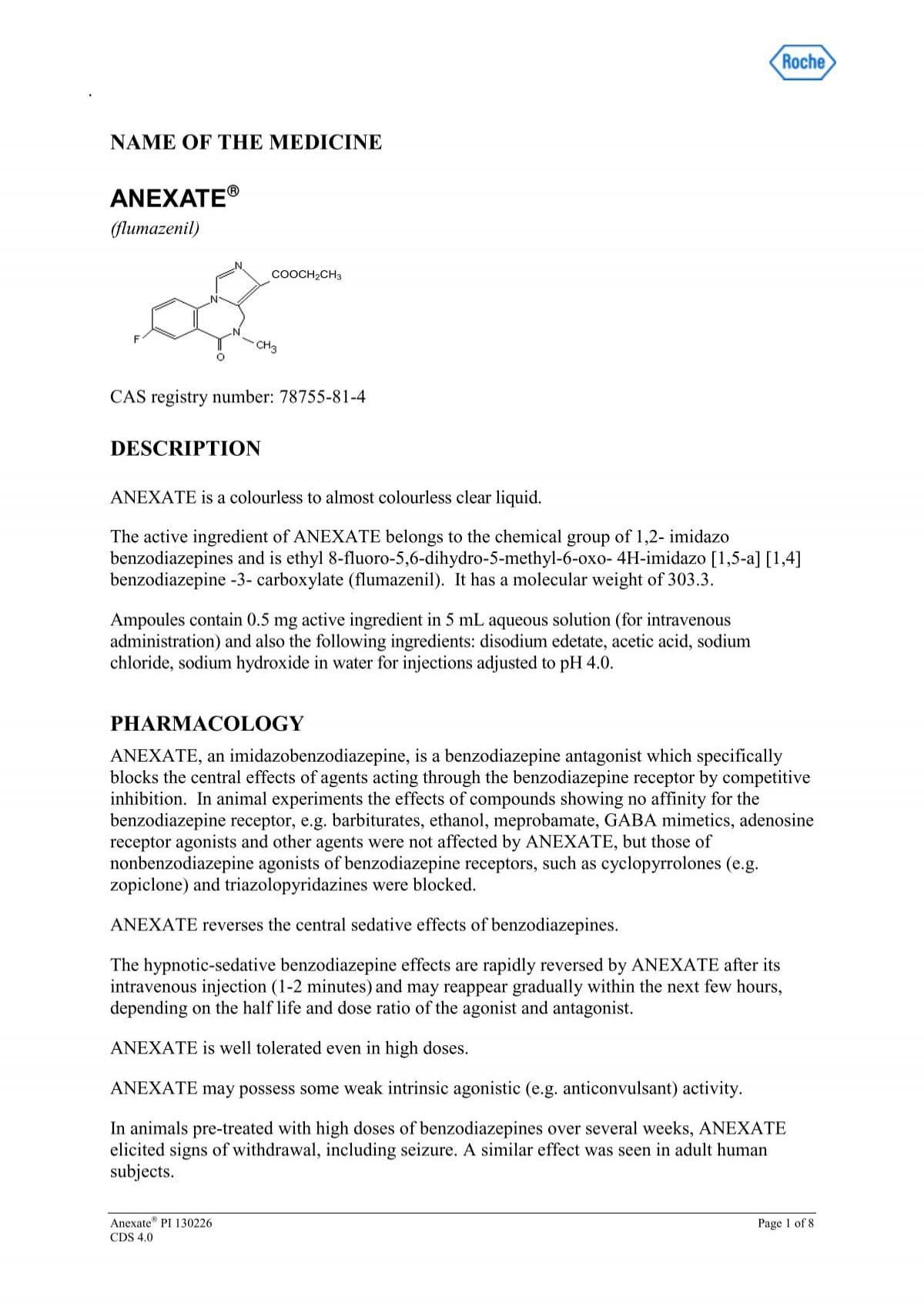
Anexate (flumazenil)
Anexate (flumazenil) is the specialist benzodiazepine antagonist veterinarians recommend for dogs when prolonged or excessive benzodiazepine sedation occurs, offering rapid, receptor-specific reversal with a low-volume intravenous dose. In the 2025 UK clinic setting it provides a technically precise alternative to broad-spectrum agents—cheaper and more targeted than Bridion for its niche, but irrelevant for alpha-2 or opioid overdoses that require Revertor or naloxone respectively.
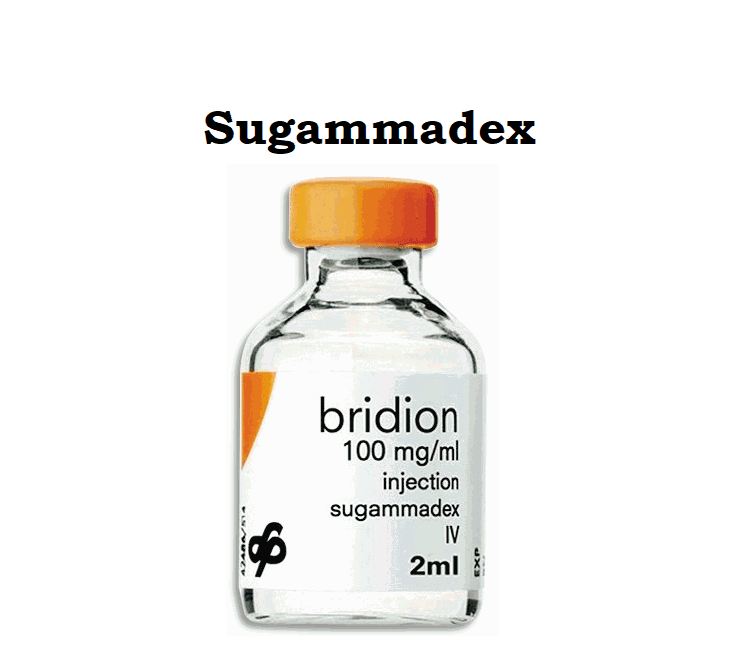
Bridion (sugammadex)
Bridion (sugammadex) stands out as the market leader for fast, reliable reversal of aminosteroid neuromuscular blockade (rocuronium/vecuronium) in dogs, delivering complete and rapid recovery of neuromuscular function with a low incidence of residual block. Although it is the most expensive option on this list, its technical superiority in reversing deep neuromuscular block makes it the preferred choice for high-risk or time-sensitive procedures in UK veterinary hospitals where the clinical and operational benefits justify the higher drug cost compared with naloxone, Anexate or tolazoline.
Naloxone Injection
Naloxone Injection is the essential, low-cost opioid antagonist used across UK veterinary practices to rapidly reverse opioid-induced respiratory depression and sedation in dogs, prized for its safety, ease of use and wide availability. Financially and logistically it is the most pragmatic emergency reversal agent on this list—far cheaper and more universally applicable in opioid scenarios than Bridion or Anexate—though it does not affect benzodiazepine, alpha-2 or neuromuscular-blocking drug effects.

These five reversal agents represent the current best-practice standards in UK veterinary anaesthesia. Each offers distinct advantages: rapid onset of action, predictable reversal kinetics, minimal adverse effects, and proven safety records across diverse canine populations. Together they provide comprehensive coverage for the primary sedative and anaesthetic drug classes used in modern veterinary medicine.
Understanding Canine Anaesthetic Reversal: Clinical Principles and Veterinary Applications
Anaesthetic reversal agents function through pharmacological antagonism, actively competing for receptor sites and displacing sedative or opioid medications. This fundamental mechanism enables faster recovery compared to passive metabolism. British veterinary medicine recognises three primary reversal categories corresponding to specific drug classes.
Alpha-2 agonist reversal (atipamezole): Rapidly counteracts dexmedetomidine and medetomidine used for sedation and anxiety management
Opioid reversal (naloxone): Emergency intervention for opioid overdose or prolonged recovery from opioid-containing protocols
Benzodiazepine reversal (flumazenil): Targets sedation from midazolam or other benzodiazepine medications
Dosing precision: Veterinarians calculate reversal doses based on anaesthetic drug quantities and canine bodyweight
Route considerations: Intramuscular, intravenous, and intranasal administration options suit different clinical scenarios
Monitoring requirements: Post-reversal observation ensures complete recovery and identifies any resedation episodes
Age considerations: Puppies and senior dogs may require dose adjustments or modified reversal protocols
Availability across regions: Pharmaceutical supply varies between Scotland, Wales, Northern Ireland, and England
Frequently Asked Questions
Which dog reversal medication should I choose for recovery?
Choose Antisedan (atipamezole) for reversing alpha-2 agonist sedation in dogs, because it’s an alpha-2 antagonist licensed for medetomidine/dexmedetomidine and is typically given IM for rapid, predictable clinical recovery within minutes (rating 4.5).
Does Antisedan reverse dexmedetomidine or just xylazine?
Antisedan (atipamezole) is licensed for reversing alpha-2 agonist sedation in dogs, specifically for medetomidine/dexmedetomidine; it’s not described as reversing xylazine in the provided product details (rating 4.5).
How do Antisedan and Revertor compare on price?
Price isn’t provided for Antisedan (atipamezole) or Revertor (tolazoline) in the supplied data, so I can’t compare costs; Revertor’s key point is rapid IV onset for quicker cardiovascular and respiratory recovery (rating 4.5).
When would I use Anexate instead of Antisedan for dogs?
Use Anexate (flumazenil) when prolonged or excessive benzodiazepine sedation occurs (e.g., midazolam), since it’s a selective flumazenil antagonist given as a fast-acting IV bolus with monitoring for re-sedation (rating 4.2).
Conclusion
Selecting the appropriate anaesthetic reversal medication for your dog's care involves understanding both the specific anaesthetic drugs used and your veterinarian's clinical experience with particular reversal agents. The five options discussed here—Antisedan (atipamezole), Revertor (atipamezole), Anexate (flumazenil), Bridion (sugammadex) and Naloxone Injection—each serve distinct purposes within veterinary anaesthesia management. For routine alpha-2 agonist reversal in clinic environments, atipamezole products such as Antisedan and Revertor remain the standard across most British veterinary practices because they reverse medetomidine and dexmedetomidine reliably and are simple to administer. Naloxone is the essential emergency medication for opioid-related incidents and must be readily accessible wherever opioid-containing protocols are used. Anexate (flumazenil) addresses benzodiazepine reversal specifically, offering targeted intervention when sedatives such as midazolam require rapid counteraction, while Bridion (sugammadex) reverses aminosteroid neuromuscular blockade (rocuronium, vecuronium) when paralytics have been used. Your veterinarian will determine which reversal agent best suits your dog's individual circumstances, considering factors such as the specific anaesthetic protocol, your pet's age, concurrent health conditions, and the clinical setting. Rather than treating reversal agents as an afterthought, progressive UK veterinary practices integrate them proactively into their anaesthetic protocols. We encourage you to discuss reversal medication availability and protocols with your veterinary clinic prior to any scheduled procedure. Should you require further information about specific dosing, regional pharmaceutical availability, or emergency protocols specific to your area, the site search functionality will help you locate tailored guidance for your dog's requirements.