

Best Injectable Sedatives for Canine Procedures in the UK (2025) — Comprehensive Veterinary Guide to Reversible Agents, Safety Profiles & Clinical Selection
Published on Thursday, 21 August 2025
Injectable premedication agents have become indispensable across British veterinary clinics, enabling practitioners to deliver safer anaesthesia whilst maintaining patient comfort and minimising cardiovascular complications. Whether you're managing routine dental work, diagnostic imaging, or complex surgical procedures, selecting the appropriate injectable sedative requires consideration of multiple variables: administration route, onset and recovery timeframes, availability of antagonist medications, drug interactions, vial configurations, expense, and compliance with UK veterinary regulatory standards. Throughout 2025, veterinary surgeons increasingly favour formulations offering rapid reversal capabilities alongside predictable physiological responses—particularly those with established safety records in geriatric or compromised patients. This guide explores five principal injectable sedatives that have secured prominent positions within British veterinary practice, examining their distinct advantages, clinical applications, and practical considerations that influence procurement decisions across both independent and multi-branch veterinary establishments. Whether you operate a busy first-opinion practice in an urban centre or a specialist referral facility, understanding the nuances between these medications will enhance your ability to tailor premedication protocols to individual patient requirements and procedural demands.
Top Picks Summary
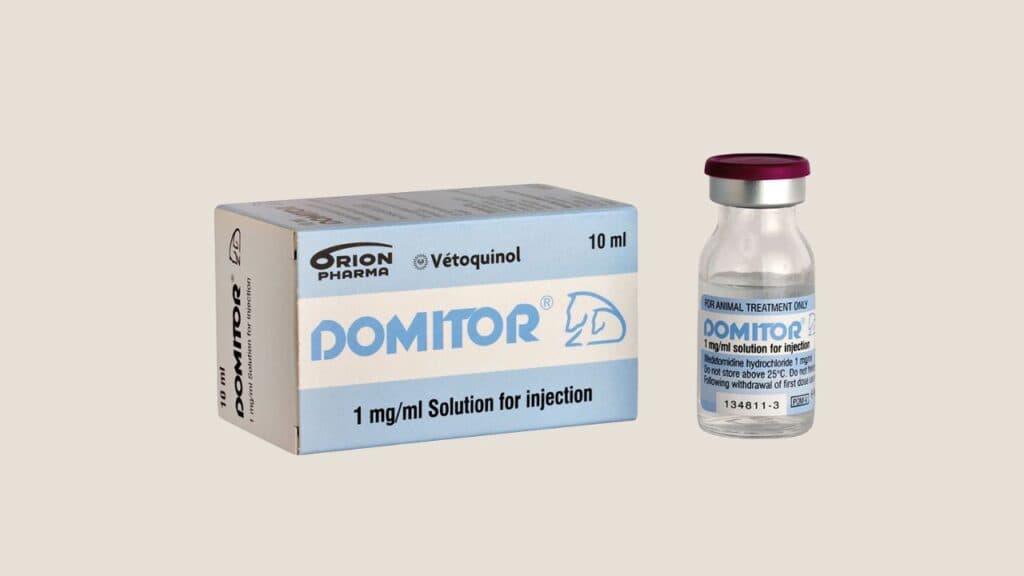
Domitor (medetomidine)
Domitor is a veterinary mainstay for injectable premedication thanks to its reliable, dose-dependent sedation and established reversal with atipamezole, making it a practical choice for routine procedures in the UK. As a racemic medetomidine formulation it usually costs less than single-enantiomer alternatives like dexmedetomidine, offering strong sedative effect and predictable recovery that delivers good value in this veterinary-reviewed comparison.
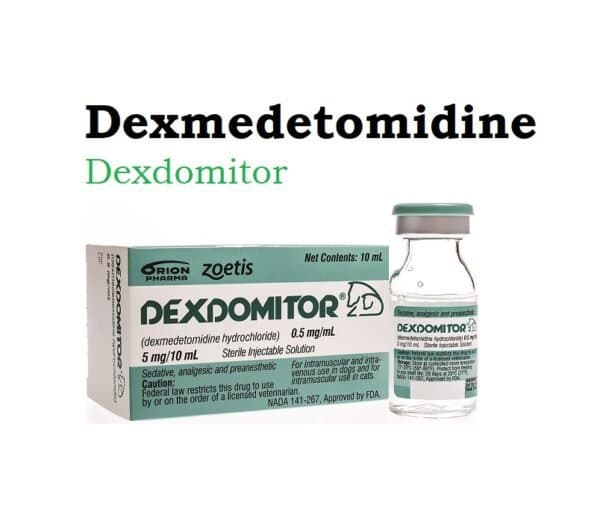
Dexdomitor (dexmedetomidine)
Dexdomitor leads the market for precision sedation because the single-enantiomer dexmedetomidine provides greater potency and more predictable, titratable sedation than racemic medetomidine products, with the same reliable reversal by atipamezole. Although typically priced higher, its reduced dose requirements and tighter hemodynamic and recovery profile make it financially and technically attractive when clinicians need consistent, short-turnaround sedations.
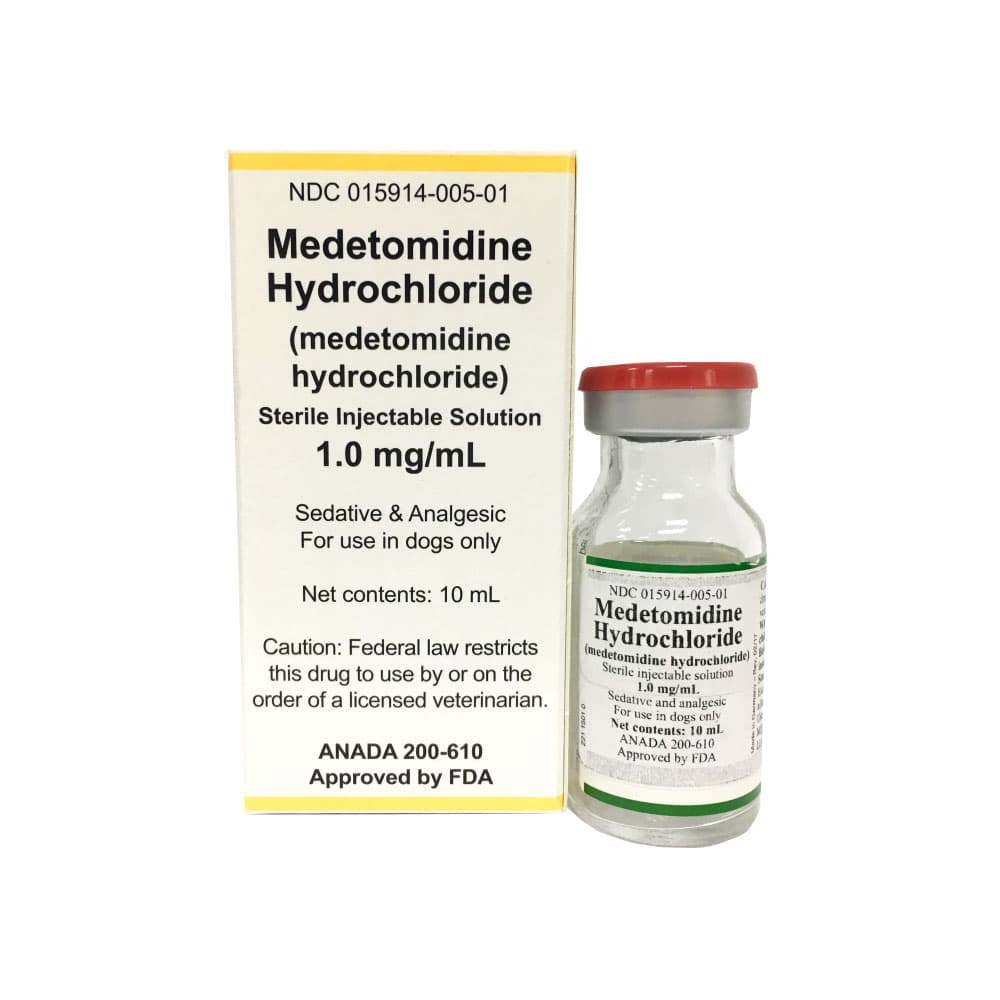
Sedator (medetomidine)
Sedator is positioned as a cost-conscious, generic medetomidine option that delivers comparable sedative depth and reversibility to branded medetomidine products, which is useful for clinics focused on affordability. It sacrifices some of the pharmacokinetic refinement seen with dexmedetomidine but wins on price and accessibility, making it a solid choice for multimodal protocols in this 2025 UK guide.
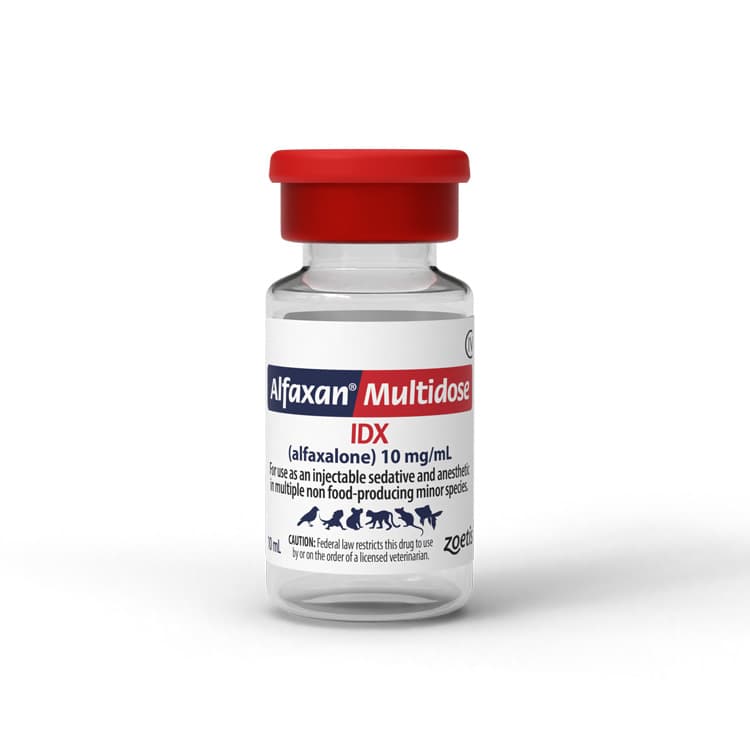
Alfaxan Multidose (alfaxalone)
Alfaxan Multidose (alfaxalone) provides an alternative pharmacological approach with a neuroactive steroid that produces smooth induction and sedation with relatively minimal cardiovascular depression compared with alpha-2 agonists, benefiting fragile or cardiovascularly compromised patients. While it is not pharmacologically reversible like the alpha-2s, its short duration and easy titration via bolus or infusion offer workflow and patient-safety advantages that can justify the typically higher per-vial cost.
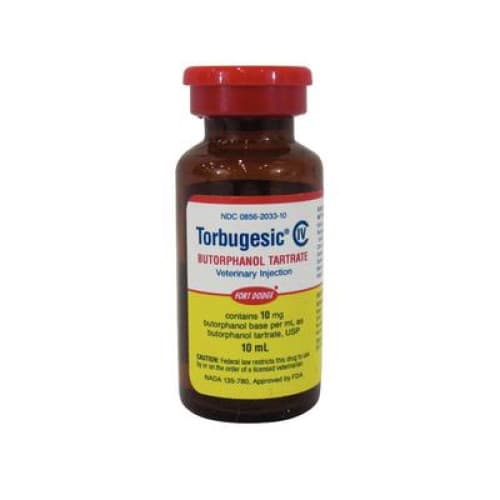
Torbugesic (butorphanol)
Torbugesic (butorphanol) is recommended as an economical adjunctive agent for premedication, offering useful visceral analgesia and mild sedation when combined with other sedatives rather than as a sole agent. Its kappa-agonist/mu-antagonist profile reduces respiratory depression risk and, together with the option to reverse opioid effects with naloxone, provides practical safety flexibility in multimodal sedation protocols.
These five injectable formulations represent the most widely utilised premedication agents within contemporary British veterinary practice, distinguished by their proven efficacy, established safety profiles, availability of reversal agents for select products, compatibility with multimodal anaesthetic protocols, and regulatory approval status within the United Kingdom. Each offers distinct advantages suited to varying clinical scenarios and patient populations.
Essential Knowledge Regarding Injectable Canine Premedication
Injectable sedative premedications form the cornerstone of modern anaesthetic practice within British veterinary clinics. These medications serve multiple critical functions: anxiolysis reduction of patient fear and stress responses, analgesia provision of pain relief prior to painful procedures, smooth facilitation of induction agent administration, reduced requirements for primary anaesthetic agents, and enhanced patient safety throughout perioperative periods. Understanding the pharmacological properties, clinical applications, contraindications, and integration strategies of these agents enables veterinary surgeons to develop individualised protocols that optimise outcomes whilst minimising risks.
Alpha-2 agonists like dexmedetomidine provide reversible sedation with excellent analgesic properties and readily available antagonists
Opioid-based premedications such as butorphanol and buprenorphine contribute analgesia without significant sedation alone, requiring combination with other agents
Dissociative agents including ketamine and tiletamine produce dissociative anaesthesia valuable for anxious or resistant patients but require careful cardiovascular monitoring
Benzodiazepines offer anxiolytic benefits with reversibility available through flumazenil, though less commonly used as sole premedication agents in modern protocols
Combination approaches utilising multiple drug classes enable practitioners to optimise efficacy whilst reducing individual agent dosages and associated adverse effects
Route of administration—intravenous, intramuscular, or subcutaneous—influences onset timing, peak effect duration, and practical suitability for different clinical settings
UK veterinary regulations require adherence to controlled drug protocols, prescribing restrictions, and storage requirements for certain premedication agents
Regular monitoring of cardiovascular parameters, respiratory function, and patient consciousness levels throughout premedication period ensures early recognition of complications
Frequently Asked Questions
Which sedative should I choose for dog procedures UK?
Dexdomitor (dexmedetomidine) is a strong choice for dogs needing predictable, titratable sedation, because it uses single-enantiomer dexmedetomidine with reversal by atipamezole; it’s rated 4.4 and fits routine shorter procedures requiring tighter dose control.
How does Dexdomitor sedation get reversed in dogs?
Dexdomitor (dexmedetomidine) sedation is reversible with atipamezole, since it’s an alpha-2 agonist designed for strong sedation and analgesia with a well-established reversal route; it’s rated 4.4.
Is Domitor cheaper than Dexdomitor for dog premedication?
The data says Domitor usually costs less than Dexdomitor, while both provide reversible sedation via atipamezole; Domitor is rated 4.3 and is described as a reliable, dose-dependent medetomidine option.
When would Sedator generic medetomidine be a better fit?
Sedator (medetomidine) suits clinics focused on affordability because it’s positioned as a lower-cost generic medetomidine option with sedative and analgesic effects reversible with atipamezole; it’s rated 4.1.
Conclusion
Across the United Kingdom veterinary landscape in 2025, injectable premedication remains fundamental to delivering compassionate, risk-minimised patient care. The five agents detailed throughout this resource—Dexdomitor, Dolorex, Alfaxan Multidose, Telazol, and Atravet Injection—each serve specialised clinical niches. Dexdomitor excels where reversibility and haemodynamic stability are paramount; Dolorex provides robust analgesic-sedative combinations; Alfaxan Multidose facilitates smooth induction transitions; Telazol addresses dissociative requirements in resistant or highly anxious patients; and Atravet Injection supports uncomplicated tranquilisation scenarios. For the majority of standard premedication requirements—particularly when reversibility, predictable cardiovascular effects, and established safety data are essential—Dexdomitor represents the optimal choice amongst these options. We encourage you to explore additional comparative resources through our platform's integrated search functionality, reviewing detailed dosage calculations, species-specific contraindications, and regional product availability to complement this overview and refine your clinical decision-making processes.