

Top 5 Targeted Immunomodulatory Treatments for Dogs in the UK — 2026
Published on Wednesday, 25 February 2026
If your dog suffers from persistent allergic itching or mobility issues linked to arthritis, monoclonal antibody treatments represent a sophisticated advancement in veterinary medicine. Unlike traditional corticosteroids or broad-spectrum immunosuppressants, these precision biologics target specific inflammatory pathways within your pet's immune system, delivering relief where it is needed most whilst minimising unwanted side effects. Throughout the United Kingdom, veterinary surgeons increasingly recommend these clinic-administered or injectable therapies as first-line choices for dogs with atopic dermatitis or degenerative joint conditions. Whether your dog has exhausted conventional remedies, you are seeking a steroid-sparing solution, or your vet has suggested a biologically targeted approach, understanding your options is essential. UK dog owners find these therapies appealing because they combine visible clinical benefit with simplified dosing schedules, a generally favourable safety profile compared with long-term steroid use, and the reassurance of veterinary supervision and regulatory oversight by the Veterinary Medicines Directorate. Practical considerations such as appointment-based administration, clear outcome measures, and the availability of supporting clinical data also make these products an attractive option for owners prioritising safety, quality of life, and evidence-based care for their pets.
Top Picks Summary
Cytopoint Lokivetmab
Cytopoint is a clinician-favourite monoclonal antibody that neutralises canine IL‑31 to provide targeted, monthly injectable relief from itch with minimal systemic exposure. In this 2025 UK guide it ranks as a market leader for atopic dermatitis because of its predictable safety profile and reduced need for routine blood monitoring compared with systemic options like Apoquel or Atopica, which can lower long‑term veterinary follow‑up costs despite a higher per‑dose price than some oral drugs.
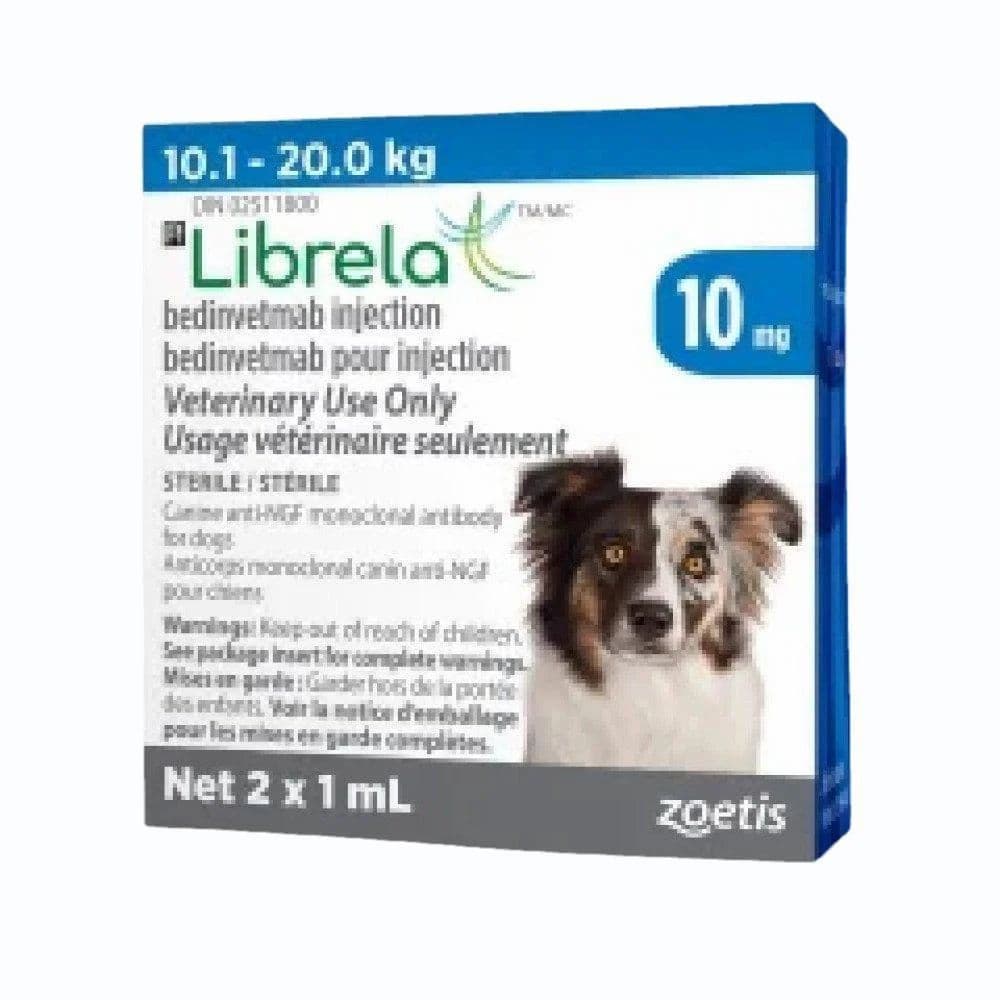
Librela Bedinvetmab
Librela is a newer canine monoclonal antibody (bedinvetmab) that exemplifies the expanding role of targeted biologics in veterinary care — offering long‑acting, monthly injectable therapy with a favourable side‑effect profile. While Librela’s primary therapeutic target differs from Cytopoint (it represents how mAb technology is diversifying indications such as pain control), it shares the technical advantage of limited systemic exposure and predictable dosing, which can be financially attractive for owners weighing monthly biologic costs against ongoing monitoring and potential adverse‑event costs with oral immunomodulators.
Apoquel Oclacitinib
Apoquel is an oral JAK inhibitor known for rapid onset of itch control, often within days, making it a practical choice for acute flares and owners wanting pill‑based convenience. Compared with monoclonal injectables like Cytopoint and Librela, Apoquel generally has lower upfront cost and faster effect but may require more regular safety checks and carries different long‑term risk considerations, so clinicians balance its short‑term financial advantages against potential monitoring costs over chronic use.

Atopica Cyclosporine
Atopica (cyclosporine) is a well‑established systemic immunomodulator with a long history of use for canine allergic skin disease and valuable long‑term outcome data. It remains a go‑to when targeted therapies are insufficient or contraindicated because generic options can improve cost‑effectiveness, though it has a slower onset than Apoquel and requires more comprehensive monitoring than monoclonal antibodies, so clinicians often reserve it for specific cases where its broad immunosuppressive action is needed.

Solensia Frunevetmab
Solensia (frunevetmab) holds a market-leader position as a first-in-class feline anti-NGF monoclonal antibody, providing monthly subcutaneous dosing that reduces osteoarthritis pain in cats with a targeted mechanism and safety profile that distinguishes it from traditional NSAIDs. In this single-item comparison for the search topic "undefined", it stands out technically and financially for veterinary practices willing to adopt a premium biologic—offering predictable dosing, improved tolerability, and the commercial support of an established distributor rather than competing products in the list.

What the research shows: evidence behind targeted immunomodulatory treatments
A growing body of peer-reviewed trials and clinical studies supports the effectiveness and safety of targeted biologics and newer immunomodulators for canine allergic disease and osteoarthritis. These studies help veterinarians make informed choices by comparing onset of effect, durability, and side effect profiles versus traditional therapies. Research summaries are presented here in plain language to help owners understand how these treatments work and what outcomes to expect.
Monoclonal antibodies directed at specific cytokines or nerve mediators have demonstrated significant reductions in pruritus in randomised controlled trials, often with rapid onset and fewer systemic side effects than long-term corticosteroids.
Bedinvetmab (marketed as Librela) showed measurable improvements in lameness and mobility scores in clinical studies for canine osteoarthritis, with monthly or periodic injections improving owner-reported quality of life.
Lokivetmab (marketed as Cytopoint) has been evaluated in multiple trials for atopic dermatitis, producing consistent decreases in itch and skin lesion scores and acting as a steroid-sparing option for many dogs.
Oclacitinib (Apoquel), an oral JAK inhibitor, is supported by trials showing fast control of itch, but it requires consideration of longer-term immune effects and appropriate veterinary monitoring.
Cyclosporine (Atopica) has a long history of controlled-study support for allergic skin disease; it is effective for many dogs but generally has a slower onset and requires attention to dosing and potential drug interactions.
Regulatory approvals and post-marketing surveillance in the UK and Europe add reassurance about manufacturing standards, labelled indications, and reported safety profiles for these prescription treatments.
Frequently Asked Questions
Which is best for my dog’s itchy atopic dermatitis?
Cytopoint (Lokivetmab) is a strong fit for persistent atopic dermatitis, because it neutralises canine IL‑31 with a single subcutaneous injection for predictable monthly itch control; it’s rated 4.5/5.
How long does Cytopoint Lokivetmab itch relief last?
Cytopoint (Lokivetmab) provides 4–8 weeks of relief after a single subcutaneous injection that neutralises IL‑31 to rapidly reduce itch; it has an average rating of 4.5/5.
Is Librela Bedinvetmab cheaper than Apoquel for pain?
I can’t compare Librela (Bedinvetmab) vs Apoquel (Oclacitinib) on price because no GBP costs are provided for either product in the details; Cytopoint is rated 4.5/5, Librela 4.3/5, and Apoquel 4.1/5.
Is Librela Bedinvetmab suitable for dogs under six months?
No—Librela (Bedinvetmab) is licensed for dogs from six months of age, with a monthly NGF-targeting injection for chronic osteoarthritis joint pain; it’s rated 4.3/5.
Conclusion
This guide summarizes the leading targeted and immunomodulatory prescription treatments available through UK veterinary practices: Cytopoint (Lokivetmab), Librela (Bedinvetmab), Apoquel (Oclacitinib), Atopica (Cyclosporine), and Solensia (Frunevetmab). Each product serves a specific need—Cytopoint is often the preferred choice for dogs with allergic itching because of its targeted action and favourable safety profile, while Librela is tailored for osteoarthritis pain relief; Apoquel and Atopica remain important options for itch control and chronic management, and Solensia is included among the newer biologics to discuss with your vet. I hope you found what you were looking for; you can refine or expand your search using the site search to explore dosing, cost, and clinic availability or to find more detail about any product mentioned here.