

Prescription NSAIDs for Dogs in the UK — Comparing Rimadyl, Metacam, Previcox, Onsior and Carprieve by Active Ingredient
Published on Thursday, 21 August 2025
Managing canine pain and inflammation is a cornerstone of responsible pet ownership across the United Kingdom, and prescription-strength NSAIDs remain among the most effective tools your veterinary surgeon can reach for. Whether your dog is recovering from orthopaedic surgery, dealing with a soft-tissue injury, or managing the progressive challenges of osteoarthritis, choosing the right medication means understanding the distinct properties of each active ingredient on the British market. This guide compares five prescription NSAIDs dispensed routinely by UK veterinary practices: carprofen (branded as Rimadyl and the value generic Carprieve), meloxicam (Metacam Oral Suspension), firocoxib (Previcox), and robenacoxib (Onsior). We look at their mechanisms of action, typical dosing patterns, suitability for acute versus chronic use, and the monitoring that keeps treatment safe. Because every one of these medicines is prescription-only in the UK, we focus on evidence-based comparisons that help owners and veterinary professionals make informed decisions. From onset and duration of effect to COX-2 selectivity and gastrointestinal, renal and hepatic tolerability, this resource unpacks the differences that set one NSAID apart from another so you can have a sharper conversation with your vet about pain relief.
Top Picks Summary
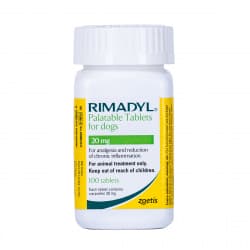
Rimadyl Carprofen Palatable Tablets for Dogs
Rimadyl remains a veterinary staple in the UK (2025) thanks to a long-established evidence base and palatable tablet formulation that supports owner compliance for chronic pain and post-op care. It holds a market-leader position for proven clinical data and broad veterinary familiarity, though it is typically priced above generic carprofen options like Carprieve and less COX-2 selective than firocoxib or robenacoxib formulations.
Metacam Meloxicam Oral Suspension for Dogs
Metacam's oral suspension offers flexible, weight-adjustable dosing that makes it a go-to choice for small or difficult-to-dose dogs in the UK veterinary setting (2025). Its smooth onset and liquid format provide a technical dosing advantage over fixed-strength chewables, and while branded Meloxicam can be costlier than some alternatives, it delivers dosing accuracy that many clinicians prefer over tablets for fine-tuned therapy.

Previcox (Firocoxib) Chewable Tablets for Dogs
Previcox (firocoxib) is positioned as the chronic osteoarthritis specialist on this list due to strong COX-2 selectivity and once-daily, palatable chewables that support long-term use in dogs. It often offers a favorable balance of clinical safety and competitive pricing relative to branded options, making it technically attractive versus non‑selective NSAIDs and complementary to short-acting agents like Onsior for acute pain.

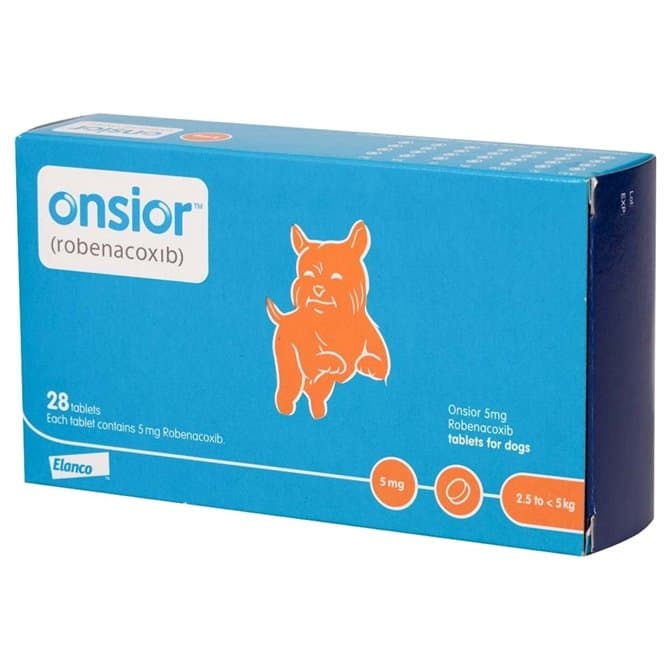
Onsior Robenacoxib Tablets for Dogs
Onsior (robenacoxib) is frequently chosen for perioperative and short-duration analgesia in UK veterinary practice (2025) because its rapid action and shorter systemic exposure allow targeted control of acute pain with a COX-2 biased profile. Although often positioned at a premium compared with chronic-use NSAIDs, its technical advantage lies in acute pain settings where minimizing prolonged systemic NSAID exposure is desirable compared with long-acting products like Previcox or Rimadyl.
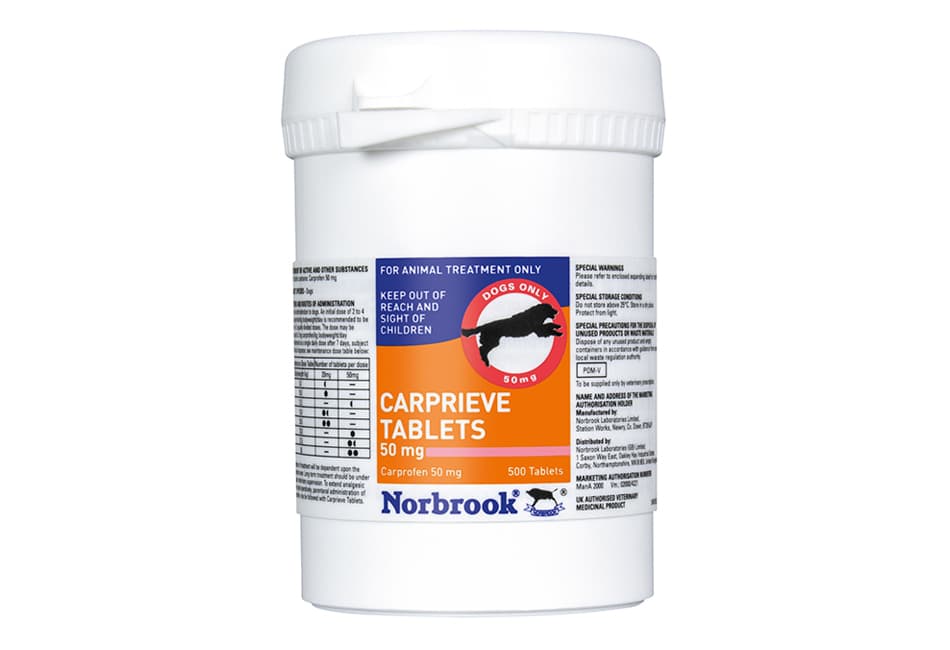
Carprieve (Carprofen) Palatable Tablets for Dogs
Carprieve delivers the same active carprofen as established brands but as a value-focused, palatable tablet, making it a cost-effective alternative for long-term management in the UK (2025) without sacrificing dosing convenience. Its primary market advantage is financial—lower cost versus brand-name Rimadyl—while clinically it serves much the same role, though veterinarians may prefer brand formulations in certain cases for historical prescribing patterns.
UK prescription-only NSAIDs compared by active ingredient — carprofen, meloxicam, firocoxib and robenacoxib — with evidence-based dosing guidance, COX-2 selectivity comparisons, renal and hepatic monitoring notes, and practical administration tips for owners managing canine pain.
What the Research Says: Clear, Practical Evidence for Using NSAIDs in Dogs
A large body of veterinary research — including randomised controlled trials, pharmacokinetic investigations and comparative safety studies — supports the use of canine NSAIDs for postoperative pain and osteoarthritis when given under veterinary supervision. The findings consistently show meaningful reductions in pain and improved mobility, alongside predictable risk patterns (gastrointestinal, renal and hepatic) that can be minimised by correct dosing, careful patient selection and routine monitoring.
Randomised controlled trials report measurable improvements in pain scores and mobility for dogs with osteoarthritis treated with NSAIDs compared with placebo.
Pharmacokinetic studies explain why dosing differs: firocoxib (Previcox) and carprofen (Rimadyl, Carprieve) are licensed for once-daily osteoarthritis dosing, whereas robenacoxib (Onsior) is intended for short courses.
Comparative clinical trials suggest broadly similar efficacy across several NSAIDs, with differences mainly in COX-2 selectivity, onset of action and duration of effect.
Safety data identify common adverse events (vomiting, diarrhoea, appetite changes) and less frequent but serious effects (renal or hepatic injury); these risks are reduced by baseline and periodic bloodwork.
Evidence-based best practice is to use the lowest effective dose, avoid combining NSAIDs with each other or with corticosteroids, and individualise treatment for age, concurrent disease and other medications.
Long-term management studies show that periodic reassessment (pain scoring, weight management, physical therapy) plus regular lab monitoring improves outcomes and reduces complications.
Frequently Asked Questions
Which dog should get Rimadyl (carprofen) tablets in the UK?
Rimadyl (carprofen) palatable tablets suit dogs whose vet is managing osteoarthritis or post-operative pain and who benefit from a long-established brand with a broad evidence base. It is prescription-only, given once or twice daily depending on the regime, and your vet will usually advise baseline and periodic blood tests to monitor liver and kidney function. On this page it averages a 4.1 rating.
What does Metacam (meloxicam) oral suspension offer that tablets do not?
Metacam (meloxicam) oral suspension lets you fine-tune the dose by weight, which makes it especially useful for small or hard-to-dose dogs. It is licensed for short- and long-term pain management under veterinary guidance, is given once daily, and requires periodic bloodwork to monitor renal and hepatic function. It averages a 4.2 rating here.
Is Previcox (firocoxib) good for long-term arthritis in dogs?
Yes. Previcox (firocoxib) is a COX-2 selective NSAID licensed in the UK for osteoarthritis and post-operative pain, dosed once daily at 5 mg/kg, which suits long-term arthritis management. The palatable chewable supports owner adherence, and veterinary supervision with periodic monitoring is advised. It is the highest-rated option on this page at 4.4.
How is Onsior (robenacoxib) different from the other NSAIDs here?
Onsior (robenacoxib) is a COX-2 selective NSAID aimed at short courses of acute and perioperative pain rather than indefinite use. Its rapid onset and short residence time in the body make it well suited to soft-tissue surgery and acute musculoskeletal pain, with osteoarthritis use typically limited to short periods. That contrasts with once-daily, long-term options such as Previcox, Rimadyl and Carprieve. It averages a 4.0 rating here.
Conclusion
Choosing a prescription NSAID for your dog is more straightforward once you understand the differences between carprofen, meloxicam, firocoxib and robenacoxib. Each brings distinct advantages depending on your dog's diagnosis, age, kidney and liver function, and medication history. Previcox (firocoxib) is a practical choice for many British dog owners thanks to its marked COX-2 selectivity and once-daily dosing for chronic osteoarthritis, while Onsior (robenacoxib) suits short courses of acute or perioperative pain. For carprofen, Rimadyl offers a long-established brand and Carprieve a lower-cost generic of the same active ingredient. The right selection ultimately rests on your vet's clinical judgement and your dog's individual circumstances. Use this comparison as a starting point for deeper discussions about post-operative analgesia, acute injury management or chronic arthritis control. If you'd like to explore specific dosing protocols, drug interactions, generic versus branded options, or NSAID side-effect profiles in more detail, our site search lets you refine your inquiry. Your dog's comfort deserves a treatment plan built on knowledge and personalised care.