Prescription NSAID Tablets & Chewables for Dogs in the UK (2025): Veterinary-Approved Pain Management, Dosing Guidelines & Safety Profiles
Published on Thursday, 21 August 2025
Prescription nonsteroidal anti-inflammatory medications in tablet and chewable form represent the cornerstone of pain management for canine osteoarthritis, soft tissue injuries, and post-surgical recovery across the United Kingdom. These veterinary-prescribed formulations vary significantly in their active ingredients, enzyme selectivity, dosing schedules, and long-term safety considerations. UK pet owners increasingly seek medications that balance effective pain relief with minimal gastrointestinal side effects, particularly for dogs requiring extended treatment courses. The choice between chewable tablets and oral suspensions often depends on individual dog compliance, age, and concurrent health conditions. Veterinary practitioners throughout Britain emphasise the importance of baseline kidney and liver function assessments before commencing NSAID therapy, alongside periodic monitoring blood panels during treatment. Chewable formulations have gained particular popularity among British dog owners due to improved palatability and simplified administration, whilst oral suspensions offer flexibility for precise dosing in smaller breeds or dogs with swallowing difficulties. The 2025 selection of NSAID options available through UK veterinary practices encompasses established choices with decades of clinical data alongside newer formulations targeting improved tolerability profiles. Understanding each medication's mechanism of action, contraindications, and interaction potential with other canine medications enables owners and vets to make informed decisions tailored to individual patient requirements.
Top Picks Summary
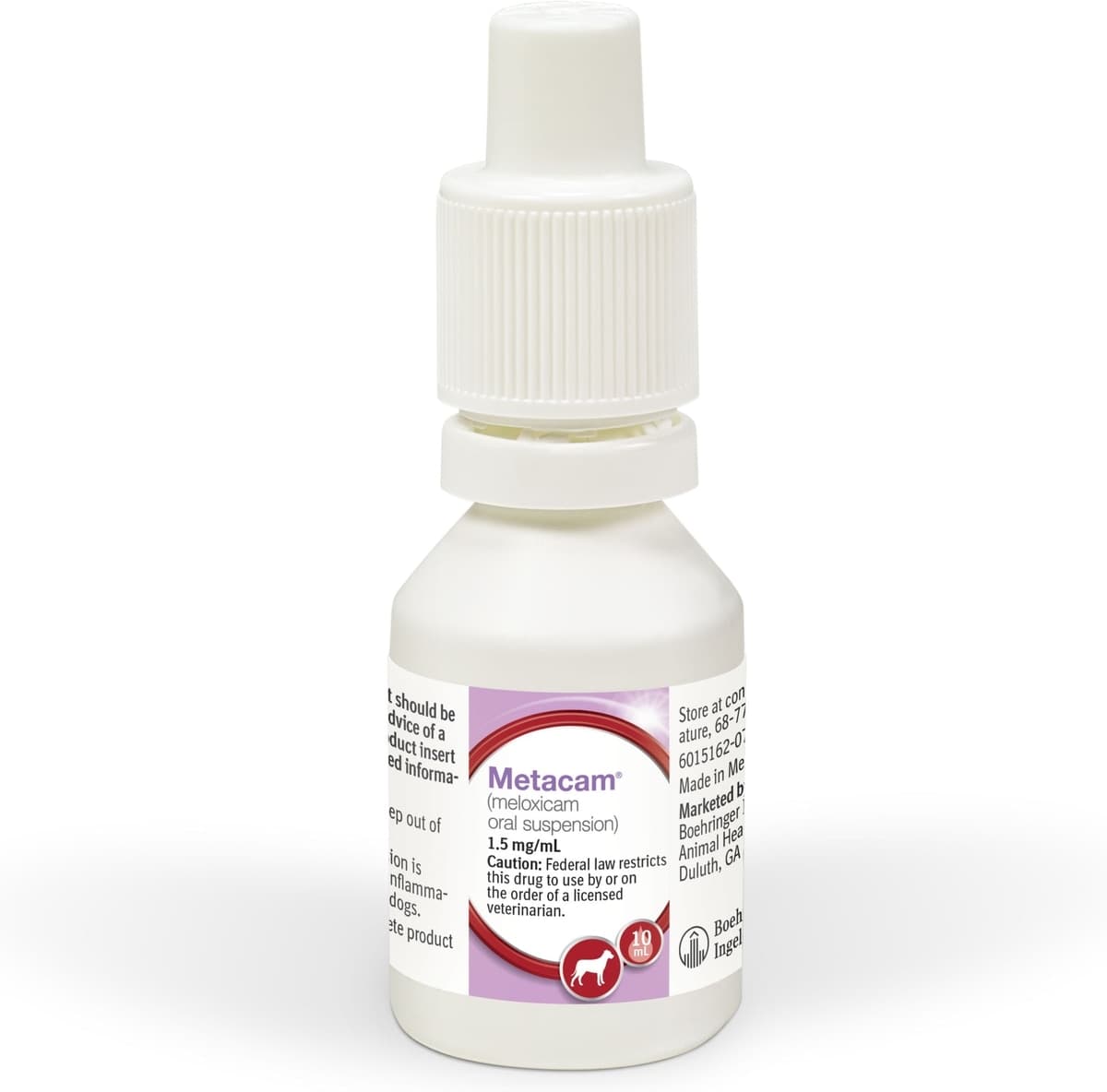
Metacam (Meloxicam) Oral Suspension for Dogs
Metacam remains a best-in-class meloxicam suspension widely used in UK veterinary practice because its liquid formulation allows precise, weight-based dosing for small and irregularly dosed patients, and it is generally cost-effective versus many newer COX-2 selective tablets. Compared with the longer-acting or chewable options on this list (like Trocoxil or Previcox), Metacam is favored for short-term pain control and post-operative use with a well-understood safety profile when vets monitor renal and gastrointestinal risks.
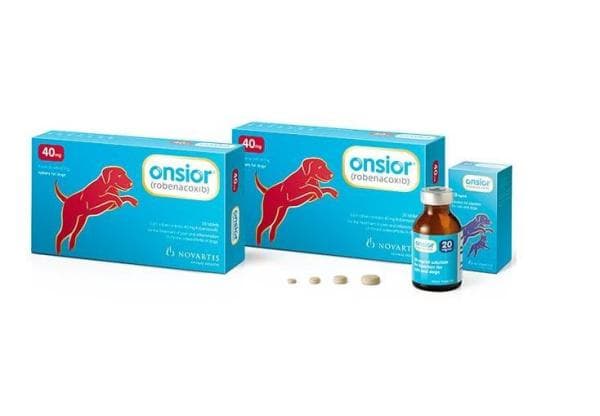
Onsior (Robenacoxib) Tablets for Dogs
Onsior is a COX-2 selective NSAID designed for rapid onset and short-term pain control, making it a market leader for perioperative and acute pain where a focused safety margin is important; its tablet formulation is convenient and often priced in the mid-range compared with long-term daily therapies. Compared with chronic-treatment options like Previcox or Rimadyl, Onsior’s technical advantage is its targeted short-course indication and favorable GI tolerability, though it is not intended as a first-line for long-term osteoarthritis management.
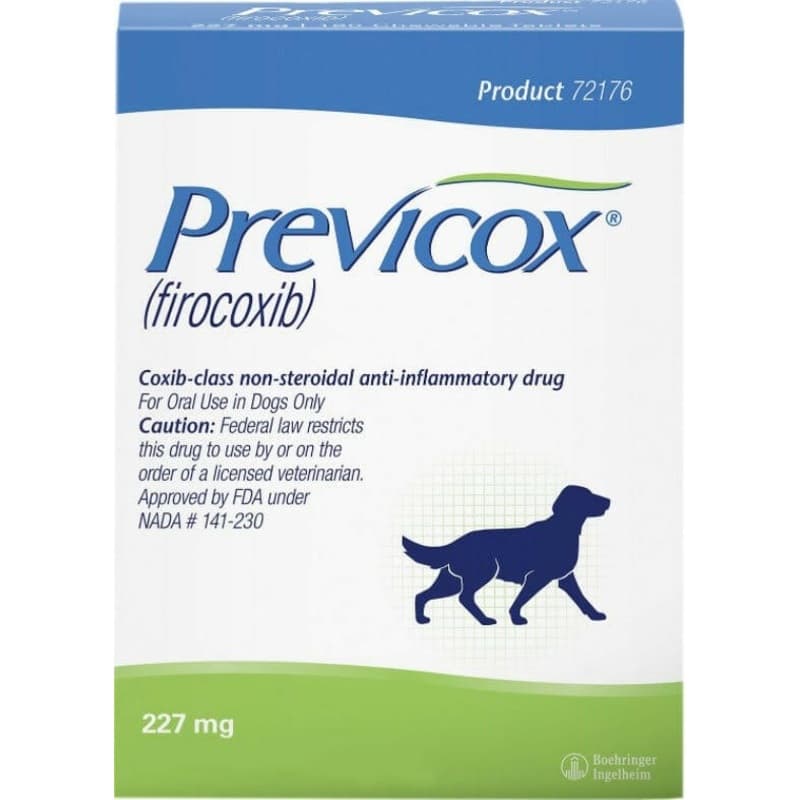
Previcox (Firocoxib) Chewable Tablets for Dogs
Previcox is a widely recommended COX-2 selective chewable that balances daily efficacy, palatability and affordability for long-term osteoarthritis management, and vets often choose it when owner compliance and taste acceptance matter. Financially competitive against branded alternatives, Previcox offers a technical advantage in steady once-daily dosing and a safety profile that many clinicians prefer over older non-selective NSAIDs like carprofen for chronic use.
Rimadyl (Carprofen) Chewable Tablets for Dogs
Rimadyl has been a long-standing market leader thanks to decades of clinical use, broad availability (including generics) and established efficacy for pain and inflammation, which often makes it a cost-effective first choice for many practices. Compared with newer COX-2 selective agents on this list, Rimadyl’s wider therapeutic history is an advantage, but its lesser COX-2 selectivity and rare hepatic or idiosyncratic reactions mean vets may prefer alternatives for long-term management in at-risk patients.
£20-60 GBP
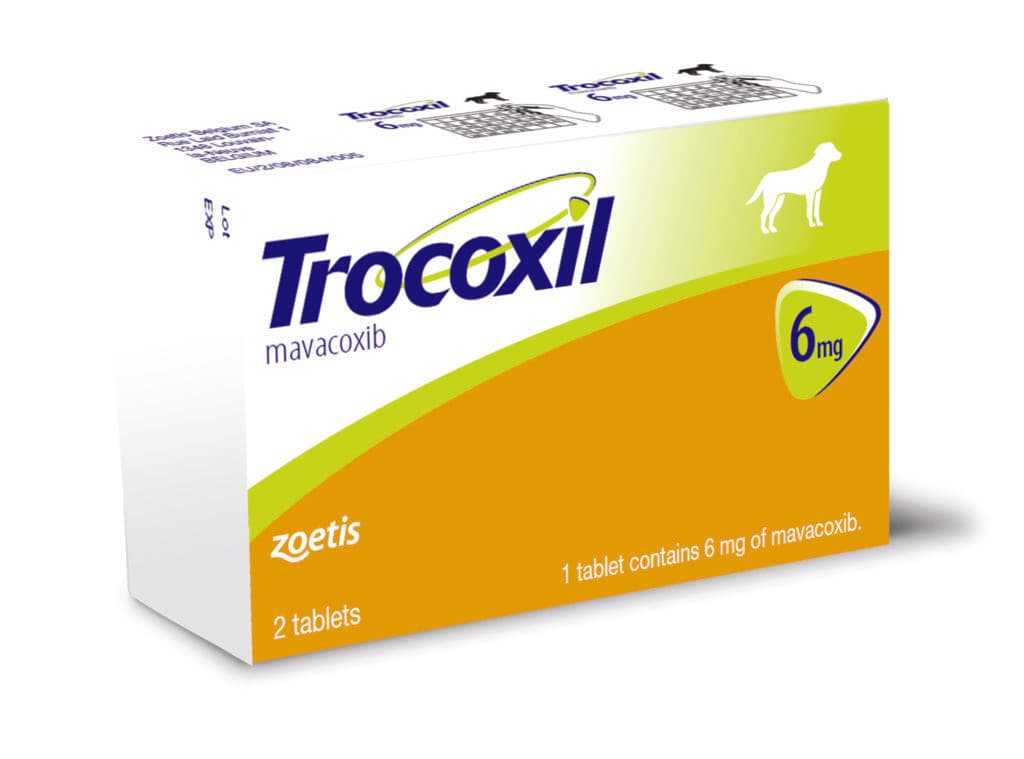
Trocoxil (Mavacoxib) Tablets for Dogs
Trocoxil stands out as the long-acting option with monthly dosing, offering a major compliance and convenience advantage for chronic osteoarthritis cases and owners who struggle with daily administration; although its upfront cost per dose is higher, the reduced administration frequency can lower long-term management burden and improve consistent pain control. Technically powerful but requiring careful case selection due to its long half-life (which prolongs any adverse effects), Trocoxil is often chosen when steady, once-monthly relief is a clinical priority compared with daily NSAIDs like Previcox or Rimadyl.
Prescription NSAID medications for dogs in the UK deliver targeted pain relief through proven anti-inflammatory mechanisms. Key advantages include reduced dosing frequency with extended-release formulations, improved gastrointestinal tolerability compared to older generations, convenient chewable formats enhancing compliance, and established veterinary monitoring protocols minimising adverse effects.
What the Research Says About Canine NSAIDs and Related Analgesics
Clinical trials, randomized controlled studies, and post-marketing surveillance support the effectiveness of veterinary NSAIDs and EP4 receptor antagonists for reducing pain and improving mobility in dogs. Research shows measurable improvements on validated pain and function scales, and comparative studies help veterinarians match a product to an individual patient based on efficacy, onset of action, and tolerability. Key themes in the literature include the value of COX-2 selective agents for reducing gastrointestinal side effects, the importance of individualized dosing and monitoring, and the emergence of alternative mechanisms such as EP4 antagonism for dogs that cannot tolerate traditional NSAIDs.
Multiple randomized controlled trials report significant improvement in pain scores and mobility for meloxicam (Metacam), carprofen (Rimadyl), firocoxib (Previcox), and deracoxib (Deramaxx) compared with placebo in osteoarthritis or post-operative settings.
COX-2 preferential or selective agents (for example firocoxib and some doses of deracoxib) tend to show favorable gastrointestinal tolerability in comparative studies versus nonselective NSAIDs, while still requiring liver and kidney monitoring.
Grapiprant (Galliprant) is an EP4 receptor antagonist with randomized trial data showing reduction in osteoarthritis pain and a different mechanism that may be better tolerated in some dogs intolerant of COX-inhibiting NSAIDs.
Long-term safety studies and pharmacovigilance emphasize baseline and periodic blood chemistry and complete blood counts to detect early signs of hepatotoxicity, renal changes, or other adverse effects.
Studies highlight onset of action differences: many NSAIDs produce measurable pain relief within 24 hours for post-operative pain, while longer-term improvement in chronic osteoarthritis may take several days to weeks for optimal effect.
Clinical practice guidelines and veterinary consensus recommend against combining NSAIDs with corticosteroids or other NSAIDs, and call for individualized risk-benefit assessment before chronic use.
Frequently Asked Questions
Which dog should get Onsior tablets for acute pain?
Onsior (Robenacoxib) Tablets for Dogs suit short-course postoperative and acute pain where rapid onset matters, because Robenacoxib is designed for rapid onset and short-course pain control as prescribed by vets; rating 4.3.
What COX selectivity does Previcox firocoxib chewables use?
Previcox (Firocoxib) Chewable Tablets use COX-2 selective action for long-term osteoarthritis pain and inflammation control with veterinary oversight; rating 4.4.
How do Onsior and Metacam compare on price value?
Metacam (Meloxicam) Oral Suspension for Dogs is described as generally cost-effective versus many newer COX-2 selective tablets, while Onsior (Robenacoxib) is often priced in the mid-range; ratings are 4.2 and 4.3 respectively.
Is Metacam dosing easier for small dogs than tablets?
Yes—Metacam (Meloxicam) Oral Suspension lets vets use fine weight-based dosing with its syringe-friendly liquid for small dogs and postoperative patients; rating 4.2.
Conclusion
The current UK market for prescription canine NSAIDs provides veterinarians with a diverse therapeutic toolkit for addressing pain and inflammation across various clinical scenarios. Rimadyl Chewable Tablets maintain their position as a widely prescribed option, supported by extensive clinical evidence and excellent palatability in most dogs. Previcox offers an alternative for dogs requiring less frequent dosing schedules, whilst Metacam Oral Suspension delivers precision dosing capabilities particularly valuable in geriatric or smaller patients. Deramaxx Chewable Tablets appeal to owners seeking a palatable medication with a convenient once-daily regimen. For dogs with documented intolerance to traditional NSAIDs, Galliprant Tablets represent a novel mechanism worthy of consideration. Effective pain management significantly enhances quality of life in aging or injured dogs, and selecting the appropriate NSAID formulation requires collaborative discussion between owner and veterinary surgeon, incorporating medical history, current medications, organ function, and individual drug tolerability. To identify the most suitable option for your dog's specific needs, consult your UK veterinary practice for personalised recommendations based on current health status and clinical presentation.