

Heart Rhythm Medications for Dogs in the UK: Expert Guide to Prescription Antiarrhythmics for 2025 (Sotalol, Mexiletine, Amiodarone, Diltiazem, Atenolol)
Published on Thursday, 21 August 2025
Canine cardiac arrhythmias present a significant clinical challenge for UK veterinarians and pet owners alike. When your dog's heart develops irregular rhythms—whether atrial fibrillation, ventricular tachycardia, or other supraventricular disturbances—prescription antiarrhythmic medications become essential tools for maintaining quality of life and extending survival. This comprehensive guide explores the five most trusted antiarrhythmic agents currently available through UK veterinary practices and licensed pharmacies: Sotalol HCl Tablets, Mexiletine HCl Capsules, Amiodarone HCl Tablets, Diltiazem HCl Tablets, and Atenolol Tablets. Each medication operates through distinct pharmacological mechanisms, making them suitable for different arrhythmia presentations and individual patient circumstances. British veterinary cardiology specialists increasingly emphasise personalised treatment protocols that consider not only the specific rhythm disturbance but also the underlying cardiac pathology, your dog's age, kidney and liver function, and concurrent medications. Unlike one-size-fits-all approaches, modern UK veterinary practice demands careful patient stratification and ongoing electrocardiographic monitoring. This guide helps pet owners understand the evidence base behind these medications, what to expect during treatment, potential side effects to monitor, and how to access these prescription options through your regular vet or specialist cardiology referral centres across the UK.
Top Picks Summary
Sotacor (Sotalol) Tablets for Dogs
Sotacor is presented as the lead antiarrhythmic on this 2025 UK veterinary list because its combined Class III potassium-channel and non-selective beta-blocking effects give broad-spectrum control of both ventricular and supraventricular arrhythmias, with predictable oral pharmacokinetics and tablet strengths tailored for canine dosing. Clinically vetted for routine use in dogs, it is generally more cost- and monitoring-efficient than mexiletine for many ventricular arrhythmias and offers rhythm-stabilizing advantages that atenolol and diltiazem (which target rate or calcium channels) do not provide.

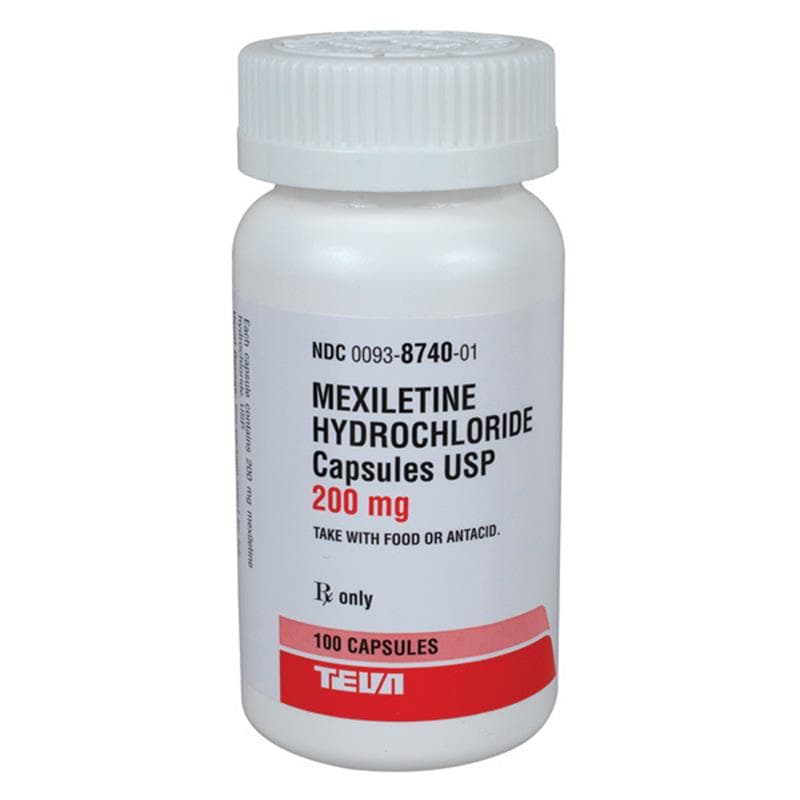
Mexiletine Hydrochloride Capsules
Mexiletine is the primary oral Class IB sodium-channel blocker on the list and is favored for refractory or malignant ventricular arrhythmias due to potent ventricular membrane-stabilizing activity and reliable oral bioavailability in dogs. It is often used alongside drugs like sotalol when monotherapy is insufficient, but its narrower therapeutic window and need for therapeutic monitoring can increase overall treatment cost and management intensity compared with sotalol or atenolol.
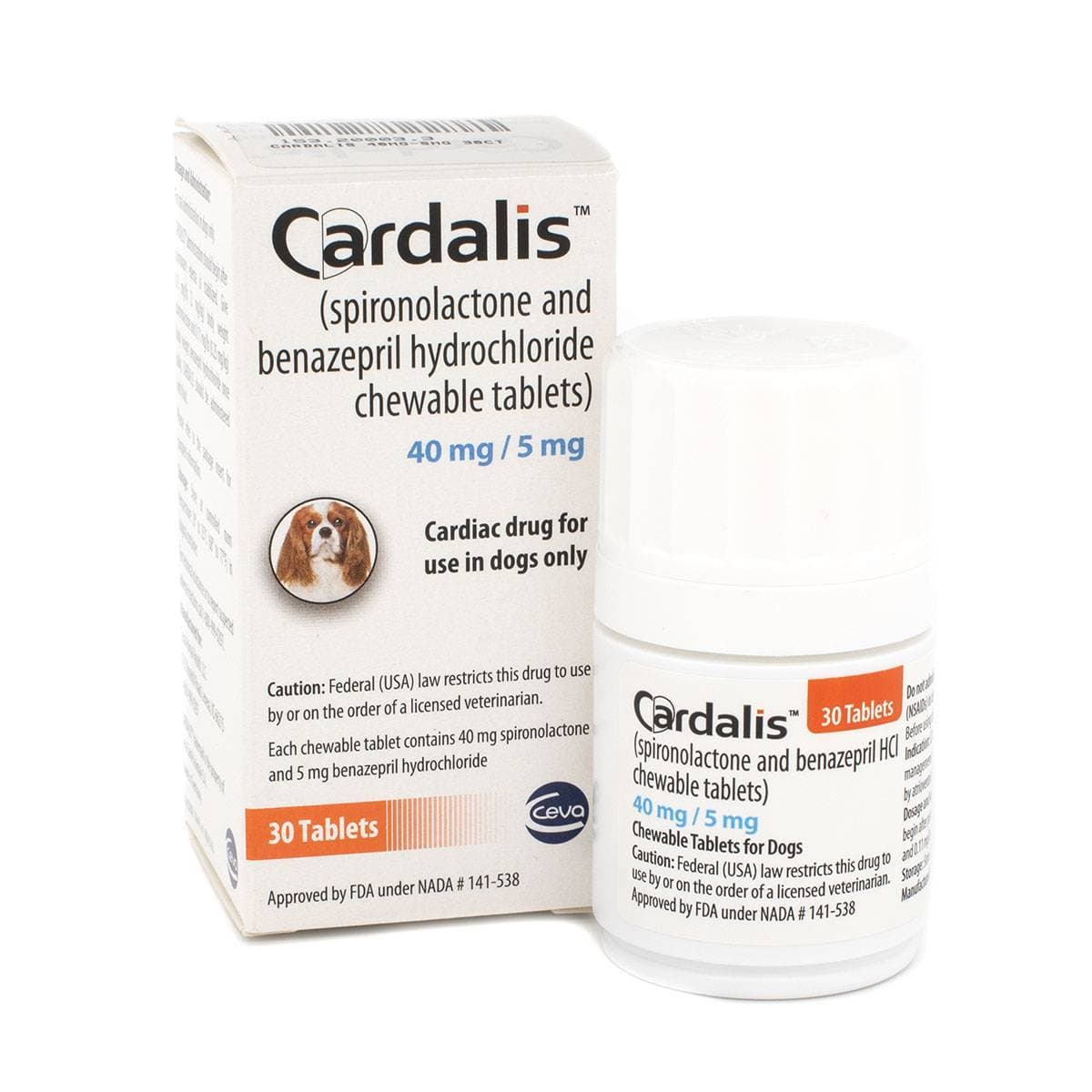
Cardalis (Benazepril/Spironolactone) for Cardiac Support
Cardalis is included as an essential adjunct to antiarrhythmic therapy because the combined ACE-inhibitor and mineralocorticoid-receptor antagonist formulation addresses neurohormonal activation and cardiac remodeling that often underlie arrhythmias in dogs, improving outcomes when used with rhythm-control agents. Although not a primary antiarrhythmic, its fixed-dose combination reduces pill burden and can lower long-term dispensing costs compared with separate prescriptions, making it a financially and clinically valuable complement to sotalol, mexiletine, diltiazem, or atenolol.
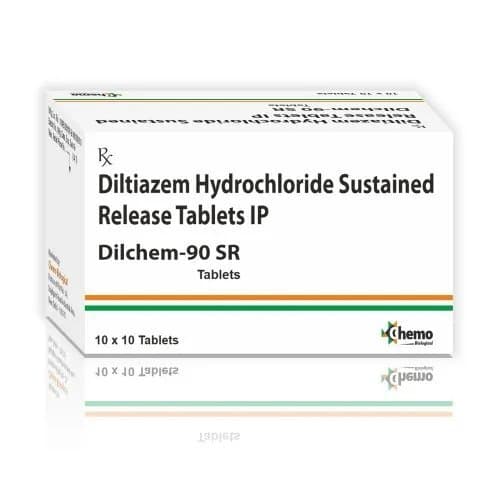
Diltiazem Hydrochloride Tablets
Diltiazem is the preferred calcium-channel blocker for supraventricular rate control (notably atrial fibrillation) in dogs and is valued for its ability to slow AV conduction with less proarrhythmic risk in some contexts than sodium- or potassium-channel agents. Sustained-release veterinary formulations improve compliance but tend to be pricier than atenolol; careful combination with beta-blockers or sotalol is required during titration, which is reflected in its placement as a specialist rather than all-purpose leader on this 2025 UK list.
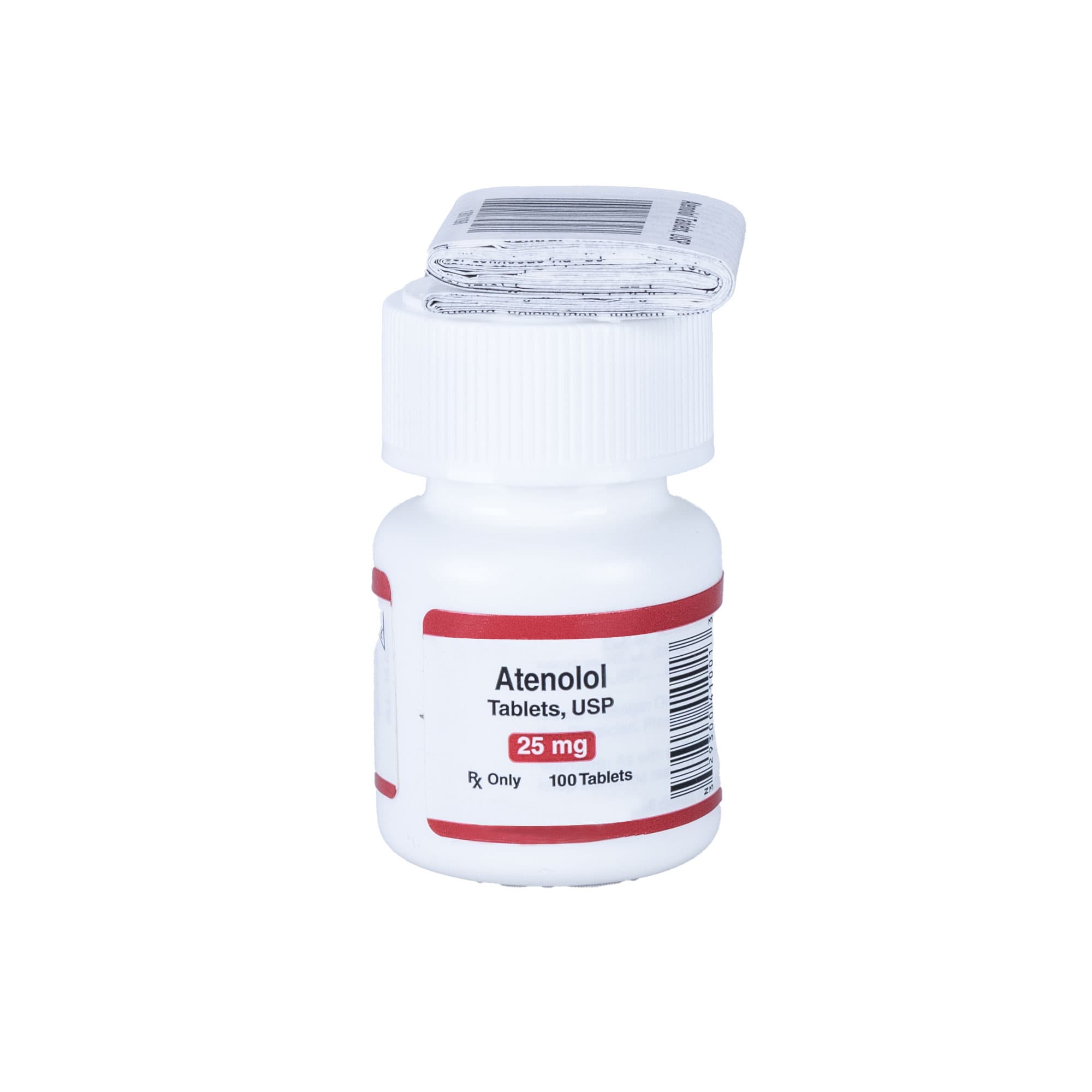
Atenolol Tablets for Veterinary Use
Atenolol is the cost-effective, widely available beta-1 selective option for rate control in canine supraventricular tachyarrhythmias and for long-term management of heart rate where a simple, well-tolerated profile is desirable. While it lacks sotalol's Class III antiarrhythmic properties and is less effective for many ventricular arrhythmias, its generic pricing and straightforward dosing make it the economical first-line or adjunctive choice in stable patients and a practical option in budget-conscious clinical plans.
These five antiarrhythmic medications represent the gold standard in UK veterinary cardiology, each offering distinct advantages. They are prescribed by registered veterinarians, formulated to consistent pharmaceutical standards, supported by extensive clinical experience in canine practice, available through legitimate UK pharmacy channels, and backed by evidence-based dosing protocols and safety monitoring frameworks.
Understanding Canine Cardiac Arrhythmias and Antiarrhythmic Treatment
Arrhythmias occur when the heart's electrical system misfires, causing irregular beating patterns that can compromise blood circulation and tissue oxygenation. Antiarrhythmic medications work by modifying electrical conduction within the heart muscle, restoring normal rhythm or controlling excessively rapid rates. Different medication classes target different parts of the cardiac conduction system, making selection crucial for therapeutic success.
Sotalol combines beta-blocker properties with Class III antiarrhythmic activity, ideal for refractory ventricular and supraventricular arrhythmias
Mexiletine, a Class IB agent, stabilises ventricular tissue and works particularly well for exercise-induced or stress-related arrhythmias
Amiodarone represents the most potent Class III option, reserved for severe, life-threatening arrhythmias due to potential organ side effects
Diltiazem is a non-dihydropyridine calcium channel blocker effective for atrial fibrillation rate control in dogs
Atenolol, a selective beta-blocker, provides gentle rate control suitable for senior dogs and those with concurrent systemic hypertension
Regular monitoring through ECG, blood pressure measurement, and serum chemistry panels ensures safety and efficacy throughout treatment
UK veterinarians follow RCVS guidelines and European Medicines Agency standards when prescribing these regulated medications
Dosage adjustments may be necessary based on individual response, renal function, and hepatic clearance capacity
Frequently Asked Questions
Which dog with arrhythmia should get Sotacor first?
Sotacor (Sotalol) Tablets for Dogs is the lead option because its combined Class III potassium-channel and non-selective beta-blocking activity gives broad control of ventricular and some supraventricular arrhythmias, with twice-daily oral dosing and required ECG/electrolyte/renal monitoring during initiation.
What specific drug action does Sotacor provide?
Sotacor (Sotalol) is a Class III antiarrhythmic with beta‑blocking activity, and it’s commonly used for ventricular and some supraventricular arrhythmias in dogs.
How does Sotacor pricing compare to Mexiletine value?
The provided data doesn’t list UK prices for Sotacor or Mexiletine Hydrochloride Capsules, but Mexiletine is described as often dosed two to three times daily and may need dose adjustment for gastrointestinal side effects, plus periodic ECG checks.
Is Mexiletine compatible with using sotalol in dogs?
Mexiletine Hydrochloride Capsules are commonly used for ventricular tachyarrhythmias and are often combined alongside drugs like sotalol; the list also notes vet prescription and monitoring for neurological and GI adverse effects with periodic ECG checks.
Conclusion
Managing your dog's heart rhythm disorder effectively requires close partnership between you, your general practice veterinarian, and potentially a specialist in veterinary cardiology. Throughout 2025, the five antiarrhythmic agents outlined—Sotalol HCl Tablets, Mexiletine HCl Capsules, Amiodarone HCl Tablets, Diltiazem HCl Tablets, and Atenolol Tablets—remain the cornerstone of pharmacological arrhythmia management in the UK. Sotalol continues as the preferred first-line option for many chronic cases requiring sustained oral rhythm control, whereas Mexiletine and Amiodarone serve those with more challenging ventricular disturbances unresponsive to conventional therapy. For dogs needing rate control of supraventricular rhythms, Diltiazem and Atenolol provide reliable, well-tolerated alternatives. Your veterinarian will determine the ideal medication based on diagnostic findings, baseline health status, and your dog's specific clinical presentation. Regular monitoring through blood work, blood pressure checks, and periodic ECG recordings ensures your dog tolerates the chosen medication safely. We encourage you to discuss these options openly with your vet practice and utilise our resource centre to search by medication type, condition, or region to access additional information relevant to your circumstances.