

Endocrine and Metabolic Prescription Medications for Dogs: Expert Guide to Diabetes, Thyroid and Hormone Treatments in the UK
Published on Thursday, 21 August 2025
Managing endocrine and metabolic disorders in dogs requires precision, expertise, and access to the right pharmaceutical tools. Whether your dog has been diagnosed with diabetes mellitus, hypothyroidism, Cushing's syndrome, Addison's disease, or diabetes insipidus, understanding the available prescription medications is essential for effective long-term care. This comprehensive guide examines the leading veterinary-prescribed endocrine and metabolic treatments currently available through UK veterinary practices, focusing on insulin formulations, thyroid hormone replacement therapies, adrenal gland modulators, and mineralocorticoid replacements. We've compiled evidence-based information about dosing strategies, formulation types, monitoring requirements, and practical considerations that matter to British pet owners and their veterinary teams. The medications featured here represent the most frequently prescribed and clinically validated options in contemporary UK veterinary practice, each with distinct advantages depending on your dog's specific condition, age, and overall health status. Our goal is to equip you with the knowledge needed to have informed conversations with your veterinary surgeon, understand treatment protocols, and make confident decisions about your dog's endocrine health management throughout 2025.
Top Picks Summary
Caninsulin VetPen is a veterinary-formulated porcine insulin zinc suspension offered in a pen format that simplifies dosing for dogs and reduces wastage compared with vial-only products. It is positioned as a cost-conscious, clinic-friendly option with dosing pens that improve owner compliance versus vial-based insulins like Prozinc, while providing a more veterinary-focused formulation than human products such as Lantus or Humulin N.
Show More Prescription Veterinary Insulin Products for Dogs
Vetoryl (Trilostane)
Vetoryl is the veterinary-licensed trilostane product recommended for managing hyperadrenocorticism (Cushing’s disease) in dogs and is included in this metabolic regulators list because of its important, indirect role in stabilising metabolic dysfunctions that can complicate diabetic care. While not an antidiabetic agent, its targeted inhibition of adrenal steroid synthesis can improve insulin sensitivity and metabolic stability in affected patients, making it a critical adjunctive therapy in complex cases despite a higher per-unit cost than many antidiabetic drugs. In the 2025 UK guide Vetoryl is described as a specialist, condition-specific regulator that complements the direct glucose-lowering strategies represented by the insulin and oral agents above.
Show More Prescription Veterinary Oral Antidiabetic and Metabolic Regulators for Dogs
Zycortal (Desoxycortisone Pivalate) Suspension for Injection
Zycortal is a modern DOCP formulation licensed specifically for canine hypoadrenocorticism and designed for owner‑friendly administration with dosing schedules that can reduce clinic visits, offering a compelling balance of efficacy and convenience in the UK market. In this guide Zycortal is highlighted as a contemporary alternative to Percorten‑V, often providing more flexible administration options and competitive total cost of care thanks to reduced monitoring burden and subcutaneous dosing that some owners can perform at home. Technically it matches other DOCPs for mineralocorticoid effect but often scores higher on usability and adherence, which can improve long‑term outcomes.
Show More Prescription Veterinary Thyroid Hormone Replacement Products for Dogs
Florinef (Fludrocortisone) Tablets
Florinef remains a widely used oral fludrocortisone option for dogs with Addisonian disease because it provides flexible daily dosing and simultaneous mineralocorticoid and glucocorticoid effects, which can simplify initial outpatient management and prescribing economics for some owners. Compared with Percorten-V, Florinef typically has a lower per-dose acquisition cost but may lead to higher long-term monitoring and dose-adjustment demands, so veterinarians weigh convenience, cost and clinical stability when choosing between them.
Show More Prescription Veterinary Adrenal Replacement and Corticosteroid Therapies for Dogs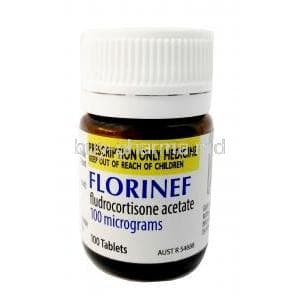
These medications represent the gold standard in UK veterinary endocrinology, offering veterinary surgeons reliable, evidence-based options for managing complex hormonal conditions. Each option provides clear dosing protocols, established safety monitoring frameworks, and integration with contemporary UK prescribing practices.
Understanding Canine Endocrine Conditions and Treatment Approaches
Endocrine and metabolic disorders represent some of the most common chronic conditions affecting dogs in the UK. These conditions arise from dysfunction in hormone-producing glands or metabolic pathways, requiring careful pharmaceutical management. Unlike acute illnesses, endocrine disorders typically necessitate long-term medication, regular blood testing, and ongoing dose adjustment to maintain optimal health and quality of life. Understanding how these medications work, what monitoring entails, and how they integrate into your dog's overall care plan supports better outcomes and helps you recognise signs that treatment adjustments may be needed.
Diabetes mellitus in dogs requires insulin therapy combined with dietary management and regular glucose monitoring
Hypothyroidism is managed with daily levothyroxine supplementation, requiring periodic blood testing to establish appropriate dosing
Cushing's syndrome treatment may involve adrenal suppressants requiring careful monitoring for therapeutic efficacy and adverse effects
Addison's disease necessitates mineralocorticoid and glucocorticoid replacement to prevent life-threatening crises
Diabetes insipidus responds to vasopressin replacement therapy, with dosing adjusted based on clinical response
Most endocrine medications require baseline bloodwork and periodic rechecks to optimise dosing and detect complications
UK veterinary practices increasingly offer telemedicine consultations for endocrine medication management and prescription renewals
Pet insurance policies vary in coverage for endocrine conditions and associated medications; reviewing your policy details is advisable
Compounding pharmacies throughout the UK provide alternative formulations when standard medications prove unsuitable
Medication timing, storage requirements, and administration techniques significantly impact treatment efficacy and should be discussed with your veterinary surgeon
Frequently Asked Questions
Which dog needs Caninsulin VetPen for diabetes control?
Caninsulin VetPen is a veterinary-formulated porcine zinc insulin zinc suspension in a prefilled pen for dogs, designed to simplify dosing and reduce wastage, making it a good fit for owners who want easier twice-daily administration.
What exact insulin formulation does ProZinc use?
ProZinc uses a protamine zinc formulation of recombinant human insulin, providing prolonged action with slower absorption kinetics, and it’s prescription-only and licensed primarily for cats but may be used off-label in dogs under veterinary guidance.
How does Forthyron price help treat canine hypothyroidism?
No price is provided for Forthyron in the available product data, but it is levothyroxine sodium for once-daily oral dosing, with easily titratable scored tablets that support regular T4/TSH monitoring during dose adjustments.
Is Forthyron for all dogs, or only hypothyroid?
Forthyron contains levothyroxine sodium for treating canine hypothyroidism and needs regular blood monitoring (T4/TSH) to titrate therapy; warranty duration and compatibility details aren’t provided in the product data.
Conclusion
Selecting appropriate endocrine and metabolic medications for your dog involves balancing clinical evidence, individual patient factors, UK prescribing guidelines, and practical considerations such as formulation availability and ongoing monitoring capacity. The medications explored in this guide represent proven therapeutic options, each with established safety profiles and efficacy data supporting their use in British veterinary medicine. Your veterinary surgeon remains your most valuable resource, as they can assess your dog's unique circumstances, recommend specific treatments, and establish monitoring protocols tailored to their needs. By understanding the range of available options—from various insulin preparations to thyroid and adrenal medications—you're better positioned to engage meaningfully with your veterinary team and advocate for optimal care. Whether you're newly navigating an endocrine diagnosis or optimising existing treatment, we encourage you to use this guide as a foundation for discussion with your vet. Should you wish to compare specific medications by condition type, explore different formulation options, or investigate monitoring strategies in greater detail, our search functionality allows you to refine your investigation further.