

Puppy Teething Chews: Top 5 Options in the UK for 2026
Puppy teething chews are purpose-made chew toys and edible treats designed to soothe sore gums, encourage safe chewing habits, and support early dental health during a puppy's teething phase. In the UK market, owners look for products that balance effectiveness, safety, and value. Popular preferences include soft but durable textures that match puppy bite strength, natural or limited-ingredient formulations to reduce allergy risk, and vet-recommended designs that minimise choking hazards. Sustainability and clear sourcing have become stronger buying drivers in recent years, with many shoppers favouring recyclable packaging, locally made products, or brands that publish ingredient and safety testing information. For 2026 shoppers, a top choice delivers gentle gum massage, appropriate size and texture for breed and age, easy cleaning, and reassurance through trusted endorsements or third-party testing.
Inception's AI took the time to understand this market in the UK · · How we pickWe may earn a commission on purchases. It never affects our rankings.
Top Picks Summary
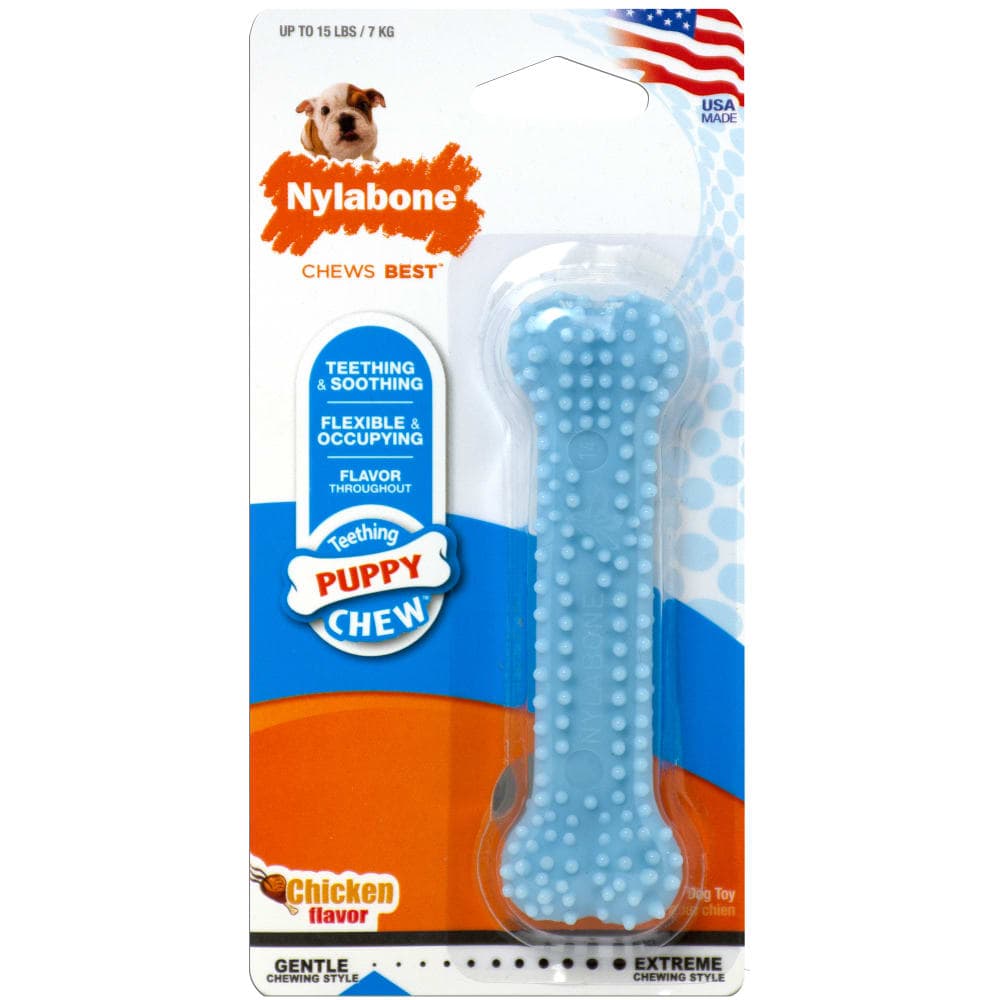
Nylabone Puppy Teething Chew Toys
Nylabone Puppy Teething Chew Toys earn their place for delivering long-lasting, engineered relief during the intense chewing phase — their durable nylon construction outlasts most edible chews and reduces replacement frequency. Compared with rubber toys like KONG and Beco, Nylabone offers superior abrasion resistance, and while pricier up front than consumable options such as Pedigree Dentastix or Lily's Kitchen, its cost-per-use is often lower for heavy chewers.
Estimated price£6 – £12
KONG Puppy Teething Stick
KONG Puppy Teething Stick stands out as the top interactive teething option thanks to its resilient, puppy-safe rubber that soothes gums while allowing stuffing for enrichment and slow treats. Technically it balances gentleness and durability better than hard nylon Nylabone pieces, and financially it represents a reusable, multi-purpose investment compared with single-use edible chews like Pedigree Dentastix or Lily's Kitchen.

Estimated price£8 – £15
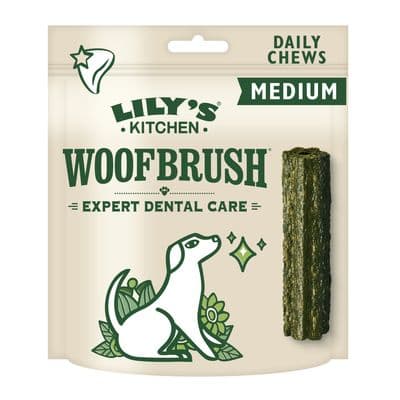
Lily's Kitchen Woofbrush Dental Chew Puppy
Lily's Kitchen Woofbrush Dental Chew Puppy is positioned as a premium, edible dental chew that combines natural ingredients with a textured design to help clean teeth while satisfying teething puppies. It appeals to owners prioritizing digestible, clean-label treats and dental benefit over toy longevity — more expensive per pack than mass-market Dentastix but offering natural-ingredient and palatability advantages that non-edible options like Nylabone, KONG, and Beco do not provide.
Estimated price£3 – £7
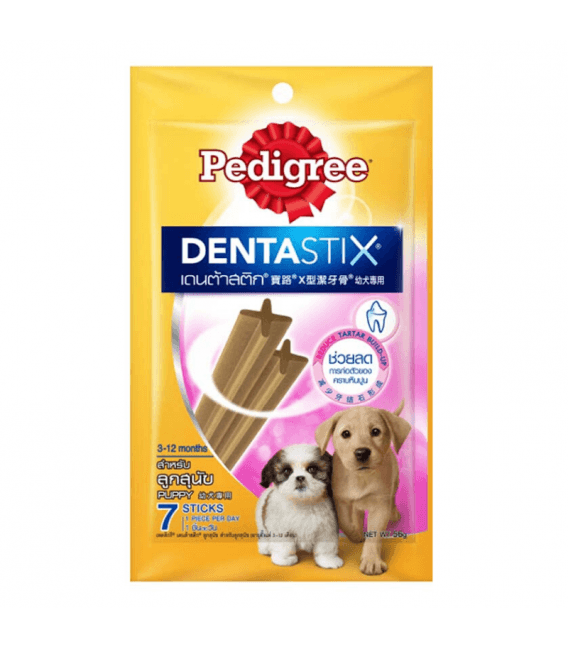
Pedigree Dentastix Puppy
Pedigree Dentastix Puppy is the market leader for affordability and accessibility, offering a shaped, enzymatic chew designed for daily tartar control at scale. Its primary strengths are proven dental benefit in repeated use and low per-treat cost, making it the practical choice for budget-conscious households compared with premium natural chews like Lily's Kitchen or reusable toys such as KONG and Nylabone.
Estimated price£2 – £9
Beco Natural Rubber Puppy Bone
Beco Natural Rubber Puppy Bone differentiates itself as an eco-conscious teething toy made from natural rubber (and sustainable fillers), giving owners a greener reusable option that is gentler on gums than hard synthetic chews. Technically it sits between KONG's proven rubber resilience and softer, consumable chews: it emphasizes sustainability and safe materials over the extreme durability of nylon Nylabone or the low cost of Pedigree Dentastix.

Estimated price£6 – £14
What the research and experts say about teething chews
Scientific studies and veterinary guidance support the idea that supervised, age-appropriate chewing can help puppies through teething. Chewing stimulates saliva flow, which helps keep the mouth cleaner, and provides behaviourally useful outlets that reduce destructive mouthing. Veterinary dentists and animal behaviourists recommend chew items that reduce stress and encourage safe exploration, while advising owners to avoid very hard objects that can fracture developing teeth. Evidence is strongest around behavioural benefits and improved oral hygiene markers when chews are used as part of a broader dental care routine.
Chewing increases salivary flow and can help decrease food residue and plaque buildup compared with no chew options.
Soft or flexible teething chews reduce risk to developing teeth compared with very hard materials, according to veterinary dentistry guidance.
Supervised chewing helps redirect natural mouthing behaviour and can lower the incidence of destructive chewing in the home.
Limited-ingredient or natural formulations are recommended for puppies with a history of food sensitivities; many manufacturers now publish ingredient analyses and allergen information.
There is evidence from controlled trials and clinical reports that enzymatic or specially formulated dental chews can reduce tartar and plaque when used consistently with tooth brushing.
Veterinary bodies in the UK advise choosing size-appropriate chews and supervising all chew sessions to prevent choking or ingestion of large fragments.
Frequently Asked Questions
Which puppy teething chew should I buy for chewers?
Choose KONG Puppy Teething Stick if your puppy chews hard, because its resilient, puppy-safe rubber soothes gums and the hollow centre accepts paste or treats to extend playtime; it has an average rating of 4.6.
What does KONG Puppy Teething Stick do differently?
KONG Puppy Teething Stick has a hollow centre that accepts paste or treats, uses soft puppy rubber formula gentler on developing teeth and gums, and has an irregular shape for unpredictable bounce; it’s rated 4.6.
Is Nylabone Puppy Teething Chew Toys good value?
The provided details for Nylabone Puppy Teething Chew Toys include chew-resistant nylon, a textured surface to soothe sore gums, and availability in different sizes and flavours, but do not list a price; it’s rated 4.4.
Are Lily's Kitchen Woofbrush Dental Chew Puppy edible chews?
Yes—Lily's Kitchen Woofbrush Dental Chew Puppy is a single-serve edible dental chew with a brush-like texture to clean teeth and massage gums; it’s made with natural ingredients for puppies and has an average rating of 4.3.
Conclusion
Puppy teething chews are a practical, widely used category in the UK for helping puppies through the teething phase while supporting early oral care. We hope you found the overview useful. If you want to refine or expand your search, use the search filters to narrow by size, ingredient, texture, or vet recommendation to find the best match for your puppy.