

UK 2026: Top 5 Dog Aggression & Behaviour Guides — Reviewed
Managing fear, reactivity and aggression in pet dogs requires more than quick fixes — British owners want clear, measurable, and practical plans that fit everyday life in the UK. This curated category brings together five well-regarded, evidence-informed guides and workbooks that trainers and veterinary behaviourists recommend for different profiles: reactive on-lead dogs, resource guarding at home, fear-based lunging, and escalation to aggression. Each resource focuses on safety-first management, progressive desensitisation and counterconditioning, and owner-friendly assessment tools such as logs, milestones and checklists so you can track real progress. These guides reflect what matters to UK buyers in 2026: scientific grounding, vet or trainer endorsements, adaptability to urban and rural routines (from busy city pavements and public transport to village green encounters), and compatibility with remote consultations or local face-to-face support. Some titles are structured workbooks ideal for daily practice and record-keeping; others offer clear conceptual frameworks trainers use to craft bespoke plans. If you live in a flat in London, commute with your dog on the Tube, or need strategies tailored for a multi-dog household in Manchester or Glasgow, you’ll find approaches here that are practical and safety-aware. Below you’ll find a concise summary of each book’s strengths and the dog profiles they suit best, plus guidance on choosing between self-led workbooks and options that work alongside ABTC-registered trainers or a veterinary behaviourist for complex or high-risk cases.
Inception's AI took the time to understand this market in the UK · We may earn a commission on purchases. It never affects our rankings.
Top Picks Summary
- Mine A Practical Guide to Resource Guarding in Dogs by Jean Donaldson
- Aggressive Behavior in Dogs: A Comprehensive Technical Manual for Professionals by James O'Heare
- Behavior Adjustment Training 2.0: New Practical Techniques for Fear, Frustration, and Aggression in Dogs by Grisha Stewart
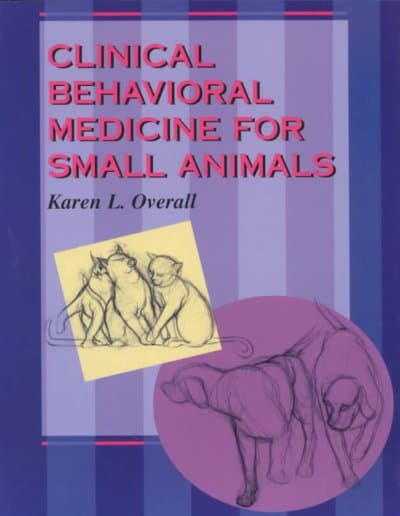
- Clinical Behavioral Medicine for Small Animals by Karen Overall
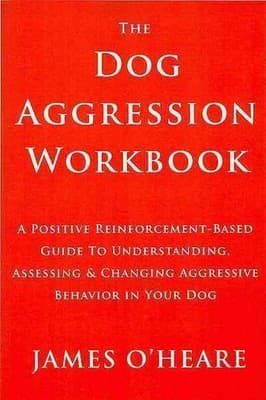
- The Aggressive Dog: A Guide to Using Behavioral Modification and Management Techniques by James O'Heare
Mine A Practical Guide to Resource Guarding in Dogs by Jean Donaldson
Jean Donaldson's Mine! earns a best-in-class spot for resource-guarding because it delivers focused, evidence-informed, step-by-step protocols that trainers and veterinary behaviorists in the UK can apply directly to common household cases. Compared with broader technical manuals on this list, Mine! is more economical and owner-friendly, making it a first-choice match when a dog's profile centers on possessiveness rather than complex medical comorbidity.

Aggressive Behavior in Dogs: A Comprehensive Technical Manual for Professionals by James O'Heare
James O'Heare's technical manual is a market-leading reference for professionals handling severe or complex aggression, offering detailed assessment frameworks, risk-management protocols and case formulations that complement veterinary clinical guidance. While more technical and typically pricier than owner-focused guides like Donaldson or Stewart, its depth makes it indispensable for UK trainers and behaviourists who need forensic-level detail for high-risk dogs.

Behavior Adjustment Training 2.0: New Practical Techniques for Fear, Frustration, and Aggression in Dogs by Grisha Stewart
Grisha Stewart's BAT 2.0 is prized for translating theory into practical exercises that reduce fear- and frustration-based aggression, making it highly usable for trainers, behaviourists and informed owners across the UK. It sits between the concise, issue-specific approach of Donaldson and the textbook depth of Overall, offering a cost-effective, hands-on option that fits many common canine profiles without requiring specialist clinical training.

Clinical Behavioral Medicine for Small Animals by Karen Overall
Karen Overall's Clinical Behavioral Medicine is the authoritative veterinary textbook on this list, delivering rigorous, evidence-based frameworks that integrate medical, pharmacological and behavioural interventions—essential for cases where aggression is compounded by health or neurochemical factors. Although it is the most technically dense and typically the most expensive resource here, its comprehensive scope makes it the go-to reference for UK veterinary behaviourists designing multidisciplinary treatment plans.
The Aggressive Dog: A Guide to Using Behavioral Modification and Management Techniques by James O'Heare
James O'Heare's The Aggressive Dog functions as a practical companion to more technical volumes, offering accessible management and modification techniques that help trainers and owners implement safe, evidence-aligned interventions. More affordable and user-focused than heavyweight clinical texts, it is a strong match for UK cases where handlers need clear protocols and immediate, manageable steps rather than exhaustive academic detail.
Five titles that actually cover different jobs: Donaldson's Mine! for resource guarding, Stewart's BAT 2.0 for fear- and frustration-based reactivity, O'Heare's technical manual for professionals handling severe cases, Overall's veterinary textbook for aggression with a medical or pharmacological component, and a practical management-focused guide for day-to-day handling.
What the Research Says About Behavior Modification and Aggression Management
A growing body of applied animal behavior research supports structured, incremental approaches such as desensitization combined with counterconditioning, positive reinforcement, and management protocols to reduce fear, reactivity, and aggressive responses. When paired with professional assessment and owner education, these methods lower stress, improve predictability of outcomes, and reduce safety incidents. Below are beginner-friendly research-backed takeaways that explain why these approaches work and how they are typically implemented.
Desensitisation plus counterconditioning reduces threat perception: gradual exposure to a trigger at an intensity that stays below the dog's fear threshold, paired with something the dog values, changes the emotional association rather than only the outward behaviour. Applied behaviour work treats the pairing as the default, not exposure on its own.
Positive reinforcement fosters alternative, incompatible behaviors: Rewarding calm responses and desired alternatives reduces the frequency of reactive or defensive behaviors and increases owner control without aversive techniques.
Structured, progressive plans improve learning and retention: Stepwise programs with measurable milestones produce more consistent improvement than ad hoc training; owners and professionals can track triggers, thresholds, and incremental gains.
Management and safety protocols prevent escalation: Physical management (leashes, muzzles where needed, gates), environmental modification, and supervised routines reduce risk while training progresses and are recommended in best-practice guidelines.
Professional guidance and assessment increase success rates: Programs coordinated with certified trainers or veterinary behaviorists that include behavior history, medical screening, and individualized plans show better outcomes than self-guided efforts alone.
Owner compliance and education matter: owners given plain instructions, realistic timelines and a simple way to log triggers and thresholds are more likely to finish a programme and keep the gains.
Frequently Asked Questions
Which guide should I choose for resource guarding at home?
Mine! A Practical Guide to Resource Guarding in Dogs by Jean Donaldson (Dogwise Publishing, 2002) gives focused, step-by-step protocols for resource guarding across different severity levels, with trainer-friendly exercises, owner-handling tips, and troubleshooting for real household scenarios.
What does BAT 2.0 specifically target for fear aggression?
Behavior Adjustment Training 2.0 by Grisha Stewart (Dogwise Publishing, 2016) uses structured approach exercises to reduce threat-based reactivity, and leans heavily on reading body language, graded exposure below threshold, and owner-mediated set-ups rather than corrections.
Is Aggressive Behavior in Dogs worth buying over smaller guides?
Only if you work cases professionally. James O'Heare's Aggressive Behavior in Dogs: A Comprehensive Technical Manual for Professionals (BehaveTech Publishing, 3rd edition 2017) runs to functional behavioural assessment, intervention algorithms and risk management, and costs several times what an owner-facing guide does. For a single pet dog, start with Donaldson or Stewart.
Do I need a professional, or can I work through a book alone in the UK?
Books are fine for mild reactivity and early resource guarding. Get professional help for bites, escalation, or aggression towards children: ask your vet for a referral to an ABTC-registered Clinical Animal Behaviourist or a veterinary behaviourist, since aggression often has a pain or medical component that needs ruling out first. Under the Dangerous Dogs Act 1991, as amended in 2014, letting a dog be dangerously out of control is an offence anywhere — including inside your own home.
Conclusion
Choosing the right guide in the UK often makes the difference between stalled short-term tactics and steady, measurable improvement. Behaviour Adjustment Training 2.0 stands out for its stepwise framework and wide applicability across fear and reactivity issues, but the other four each cover a different job — resource guarding (Donaldson), professional-level assessment and risk management (O'Heare), veterinary behavioural medicine where aggression has a medical or pharmacological component (Overall), and practical day-to-day management. For high-risk or escalating aggression, pair any home programme with assessment by an ABTC-registered trainer or a registered veterinary behaviourist.
Refine your search by filtering for dog profile (reactive, fearful, resource-guarding), preferred format (workbook, paperback, or online course), and level of professional involvement. If you’re seeking hands-on oversight, search for local trainers who offer video review or joint sessions so exercises align with your dog’s context. Use the site search to compare formats, prices and sample chapters, and always prioritise safety plans and measurable milestones when starting a behaviour-change programme.