Premium Grain-Free Crunchy Dog Treats for UK Pet Owners - 2025 Selection Guide
Published on Thursday, 21 August 2025
Choosing the right treats for your dog can feel overwhelming, particularly when navigating the grain-free market. These crunchy, grain-free dog biscuits have become increasingly popular amongst British pet owners seeking alternatives to conventional wheat-based snacks. Whether your canine companion has a sensitive digestive system, requires limited-ingredient nutrition, or simply prefers that satisfying crunch, this guide walks you through five standout options available across the UK. Each product has been selected for its commitment to quality ingredients, transparent sourcing practices, and genuine nutritional value—factors that matter most to discerning UK pet parents. The market for specialised dog treats has expanded considerably, with veterinary professionals and nutrition experts recognising that not every dog thrives on mainstream biscuits. Beyond mere palatability, many of these grain-free alternatives offer functional benefits: they support dental health through natural chewing action, provide concentrated protein for active breeds, and eliminate common allergens that trigger digestive upset. This 2025 guide reflects current availability, pricing, and consumer preferences across major UK retailers, helping you make an informed decision that suits both your dog's requirements and your household budget.
Top Picks Summary
Lily's Kitchen Organic Beef & Vegetable Bakes
A premium, organic grain-free crunchy biscuit using high-quality beef and whole vegetables, Lily's Kitchen holds its place for owners prioritising certified organic sourcing and ingredient transparency. It stands out from the other picks by offering a more complete, higher-value recipe geared to dogs with sensitivities or owners who want organic assurance, albeit at a higher price point than the more training-focused or value-led options. Compared with the more meat-forward or budget treats on this list, Lily's Kitchen trades lower unit cost for superior provenance and balanced nutrition.

Forthglade Complete Grain Free Turkey Training Treats
Designed specifically for training, Forthglade's grain-free turkey bites are small, low-calorie and competitively priced, making them ideal for frequent rewarding without overfeeding. They deliver a practical balance of affordability and suitable protein for sensitive stomachs, outperforming premium options like Lily's Kitchen on cost-per-reward and convenience. While not as meat-dense as Natures Menu's treats, Forthglade is the go-to for high-frequency training sessions where value and size matter most.
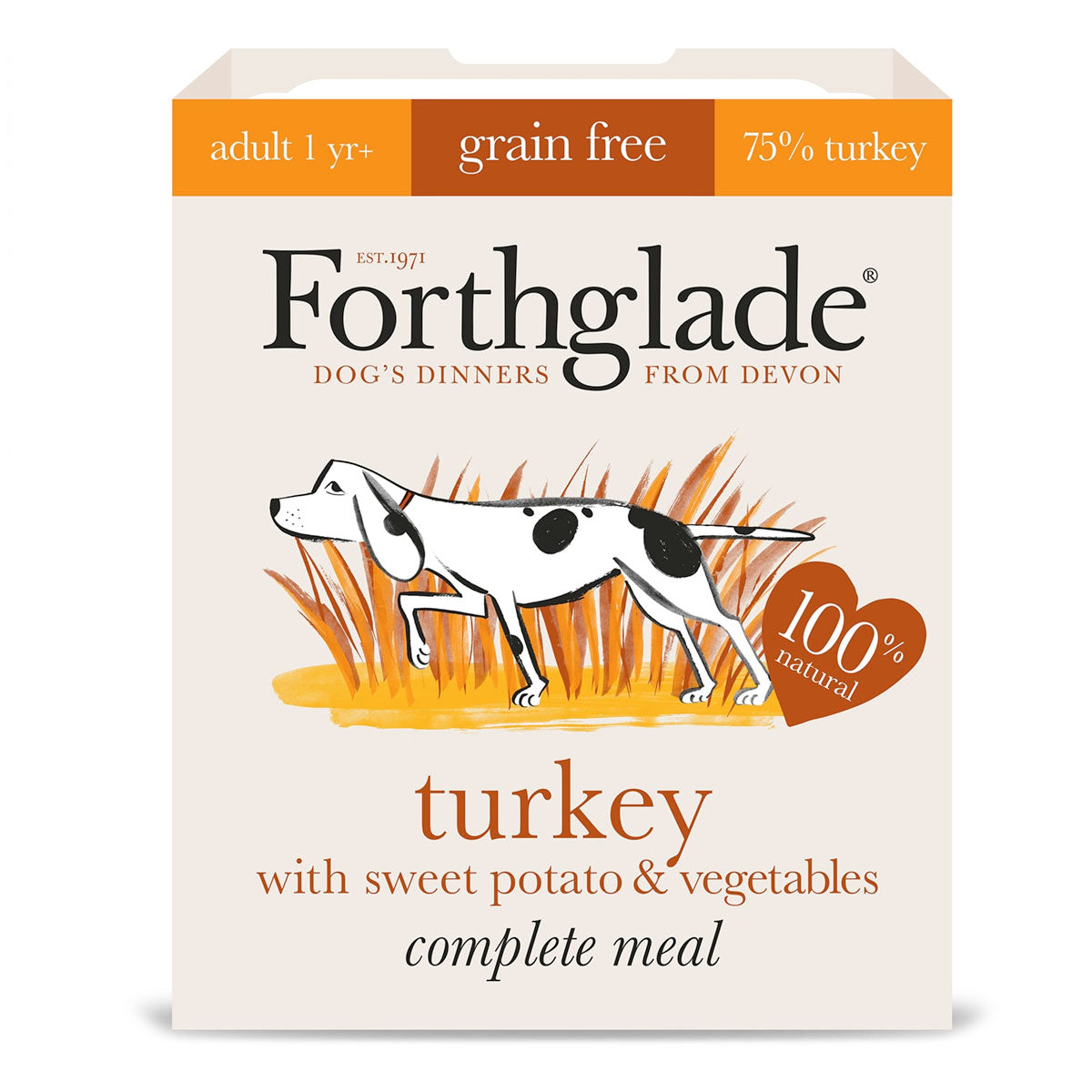
Natures Menu Real Meaty Treats with Chicken
Natures Menu leans into high meat content and robust palatability, offering crunchy, protein-forward chicken treats that satisfy dogs with higher protein needs or picky appetites. Technically stronger on meat-first formulation than many competitors, these treats deliver a favourable protein-to-cost ratio versus fish-based or purely budget options, making them a smart midrange choice for owners balancing nutrition and expense. Compared with the salmon and organic alternatives here, Natures Menu prioritises meat intensity and straightforward ingredient lists for meat-loving dogs.
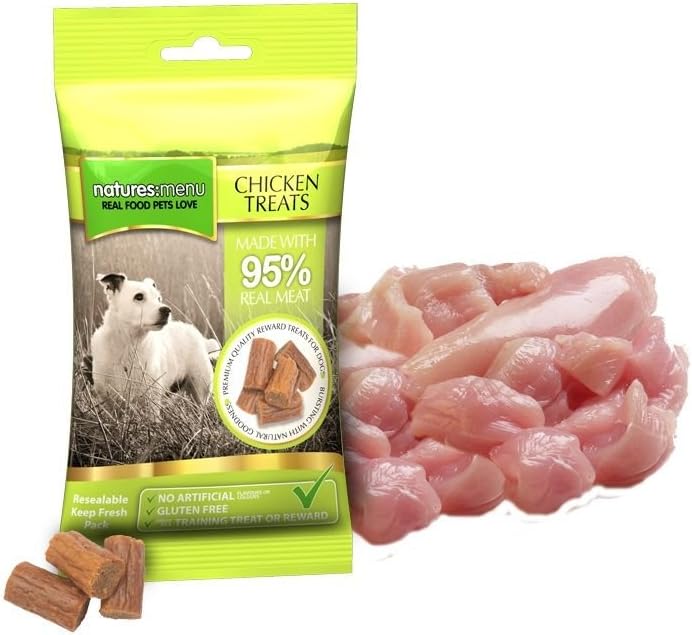
Barking Heads Pooched Salmon Grain-Free Biscuits
Barking Heads' salmon grain-free biscuits are notable for their fish-based profile, supplying omega-3 fatty acids that support skin and coat health while remaining grain-free and crunchy. They occupy a niche on this list by offering an alternative protein that can be kinder for dogs prone to red-meat sensitivities, and they often appeal to dogs that prefer fish flavours over poultry or beef. Financially and technically they sit mid-market — a specialty option for coat-focused benefits rather than the high-meat or budget training extremes.
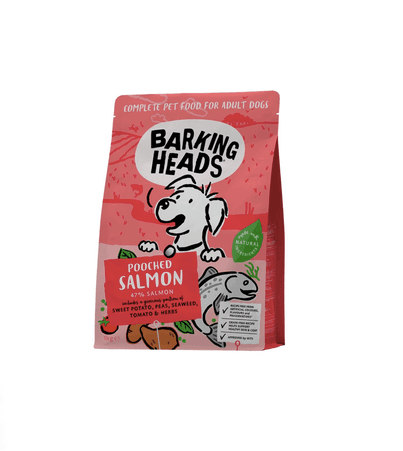
Pure Pet Food Grain-Free Training Treats
Pure Pet Food provides value-oriented grain-free training bites that are small, crunchy and easy to portion for repetitive reward work, making them a top pick for owners on a budget. Their main advantage is wide availability and a low cost-per-treat compared with premium or meat-dense entries, which makes them practical for long training sessions even if the meat percentage is lower than Natures Menu or Lily's Kitchen. In short, Pure Pet is the most economical choice for frequent use while still meeting grain-free requirements.
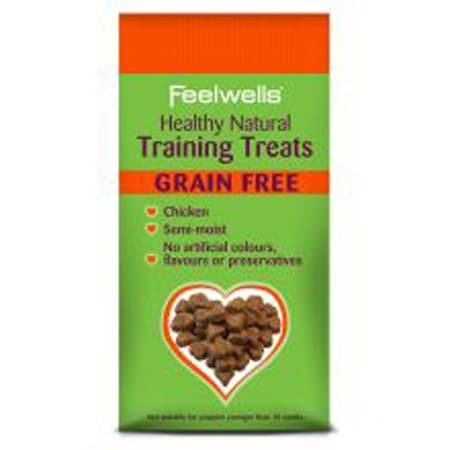
These premium grain-free options distinguish themselves through rigorous quality controls, novel protein sources suited to sensitive dogs, and manufacturing practices aligned with British pet care standards. Each product prioritises recognisable ingredients, avoids artificial additives, and delivers the satisfying crunch dogs naturally crave whilst supporting overall health and training success.
Understanding Grain-Free Dog Treats: What UK Pet Owners Should Know
Grain-free dog biscuits represent a significant shift in how we approach canine nutrition. Unlike traditional biscuits made from wheat, barley, or corn, grain-free alternatives utilise plant-based carbohydrates such as sweet potato, chickpea, or tapioca whilst incorporating novel proteins like venison, duck, or fish. This distinction matters particularly for dogs displaying genuine grain sensitivities or those requiring limited-ingredient diets due to allergies or digestive complaints. The crunchy texture of these biscuits serves multiple purposes: they stimulate natural chewing behaviours, help maintain dental hygiene through mechanical action, and create satisfying training rewards that motivate positive behaviour. British veterinary professionals increasingly recommend grain-free options not as a universal solution, but as a targeted approach for specific canine needs. When selecting these treats, attention to ingredient transparency, manufacturing origin, and nutritional balance proves essential. Many premium UK brands now provide detailed sourcing information, publish regular quality audits, and respond promptly to customer queries about formulation changes—hallmarks of responsible pet nutrition.
Grain-free biscuits typically use pea, potato, or legume-based carbohydrates instead of traditional grains
The crunchy texture naturally supports dental health whilst providing satisfying sensory stimulation
Novel proteins such as duck, venison, and fish suit dogs with chicken or beef sensitivities
Most grain-free treats work effectively as training rewards due to their concentrated nutrition and palatability
British manufacturers increasingly focus on ethical sourcing and transparent ingredient labelling
Individual dogs respond differently; monitor digestion and energy levels when introducing new treats
Limited-ingredient formulations help identify specific allergens causing digestive upset or skin irritation
Premium grain-free options often command higher prices but deliver superior ingredient quality and sourcing ethics
Frequently Asked Questions
Which treats suit sensitive stomachs best, Lily's Kitchen?
Lily's Kitchen Organic Beef & Vegetable Bakes is the best fit if your dog has a sensitive stomach, because it’s a grain-free formulation made with organic British beef and vegetables and is rated 4.5.
What grain-free crunchy feature does Forthglade offer?
Forthglade Complete Grain Free Turkey Training Treats has a grain-free crunchy texture that crumbles easily for portion control, using a single-protein turkey recipe, and it’s rated 4.4.
Is Forthglade better value than Lily's Kitchen?
You can’t compare value because no prices are provided for Lily's Kitchen Organic Beef & Vegetable Bakes or Forthglade Complete Grain Free Turkey Training Treats in the data.
Do Natures Menu treats work for training or rewards?
Natures Menu Real Meaty Treats with Chicken are crunchy, bite-sized pieces designed for positive reinforcement, with high meat content where real chicken is the primary ingredient, and they’re rated 4.3.
Conclusion
Selecting the ideal grain-free crunchy biscuit for your dog depends on understanding their individual needs—whether that's managing food sensitivities, supporting training routines, or simply providing a nutritious reward. The five products featured here represent the most reliable and accessible options currently available to UK shoppers, each bringing distinct advantages in terms of ingredient sourcing, palatability, and nutritional composition. Acana Crunchy Biscuits emerge as the standout recommendation for those prioritising a balanced approach: ethical sourcing, transparent ingredient labelling, and proven palatability across diverse breed types and sizes. However, your specific choice should reflect your dog's unique circumstances—their age, activity level, any known allergies, and personal taste preferences. We recommend introducing any new treat gradually and observing your dog's response over the first week. Should you wish to narrow your selection further by protein type, texture preference, or budget constraints, exploring reviews from fellow UK dog owners can provide valuable real-world insights. Your dog's wellbeing remains the priority; investing time in this decision now will likely mean fewer digestive issues and happier mealtimes ahead.