

Essential Floating Plants for British Freshwater Tanks: 2025 Selection Guide for Aquarists Seeking Natural Filtration and Fish Sanctuary
Published on Thursday, 21 August 2025
If you're running a freshwater aquarium across the UK, surface-dwelling vegetation transforms both the aesthetics and the ecosystem of your setup. Floating plants operate as nature's own water purifier, drawing excess nutrients that feed algae blooms whilst simultaneously creating sheltered zones where young fish and timid species feel secure. The appeal among British aquarists has grown considerably, particularly amongst those seeking to balance planted tank ambitions with realistic maintenance demands. These plants excel in dimly lit rooms typical of British homes, thrive without rooting media, and can be sourced from reputable suppliers throughout the country. Whether you're running a modest office nano-tank, breeding fry in a dedicated nursery, or simply wanting to reduce unsightly green water, the right floating species becomes your secret weapon. This guide examines five outstanding varieties that have proven their worth in countless British setups, accounting for the quirks of our climate, the availability through established aquatic retailers, and the genuine need for robust, forgiving specimens that won't wilt under imperfect conditions. We've prioritised plants that establish quickly, tolerate fluctuating room temperatures, and offer genuine visual and biological benefits without requiring specialist equipment or fertiliser regimens.
Top Picks Summary
Amazon Frogbit Limnobium laevigatum
Amazon Frogbit is a best-in-class choice for freshwater aquaria because it combines fast surface coverage with a dense, dangling root mass that shelters fry and filters nutrients, making it a cost-effective starter plant compared with more specialist floaters. It is generally easier to grow than Red Root Floaters and less prone to the aggressive spread of Dwarf Water Lettuce, offering a low-maintenance balance of biological benefit and affordability for hobbyists and planted-tank keepers.

Red Root Floater (Phyllanthus fluitans)
Red Root Floater (Phyllanthus fluitans) is prized here for its dramatic red underside and reliable balance of shade and open-water surface — it gives UK hobbyists both visual impact and good fry protection through its dense root mass. Compared with bulky Water Lettuce it is less likely to overwhelm a tank, and versus Salvinia it offers stronger nutrient uptake and faster aesthetic payoff, making it a cost-effective choice for aquarists who want quick propagation without the maintenance overhead of larger floaters.

Water Lettuce (Pistia stratiotes)
Water Lettuce (Pistia stratiotes) tops the list for maximum surface coverage and shade, rapidly lowering light levels to help control algae in medium and large UK freshwater tanks while providing excellent shelter for fry. It outperforms smaller floaters in sheer nutrient uptake and shade efficiency — a technical advantage for tanks battling heavy nitrates — though it can demand more frequent thinning and transport costs, so it delivers best financial value in larger systems where fewer plants are required to achieve full coverage.
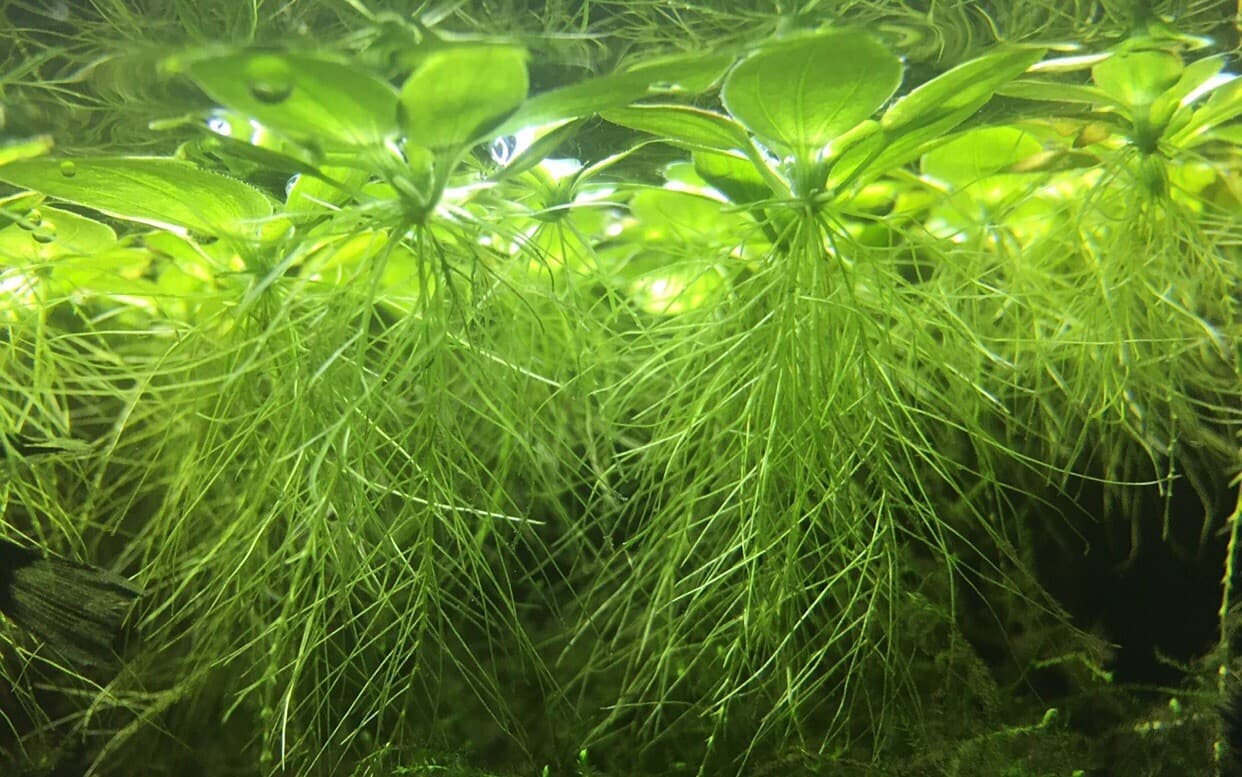
Salvinia natans (Floating Fern)
Salvinia natans (Floating Fern) is the practical, low-cost workhorse for UK aquarists who need quick mat formation and reliable fry protection in small to medium setups; its lightweight, creeping habit makes it easier to manage than larger rosettes. Compared with Red Root Floater and Water Lettuce it offers faster colonisation at lower purchase cost and tolerates lower light and cooler temperatures better, making it the best budget and beginner-friendly technical option when gentle surface cover and minimal maintenance are priorities.

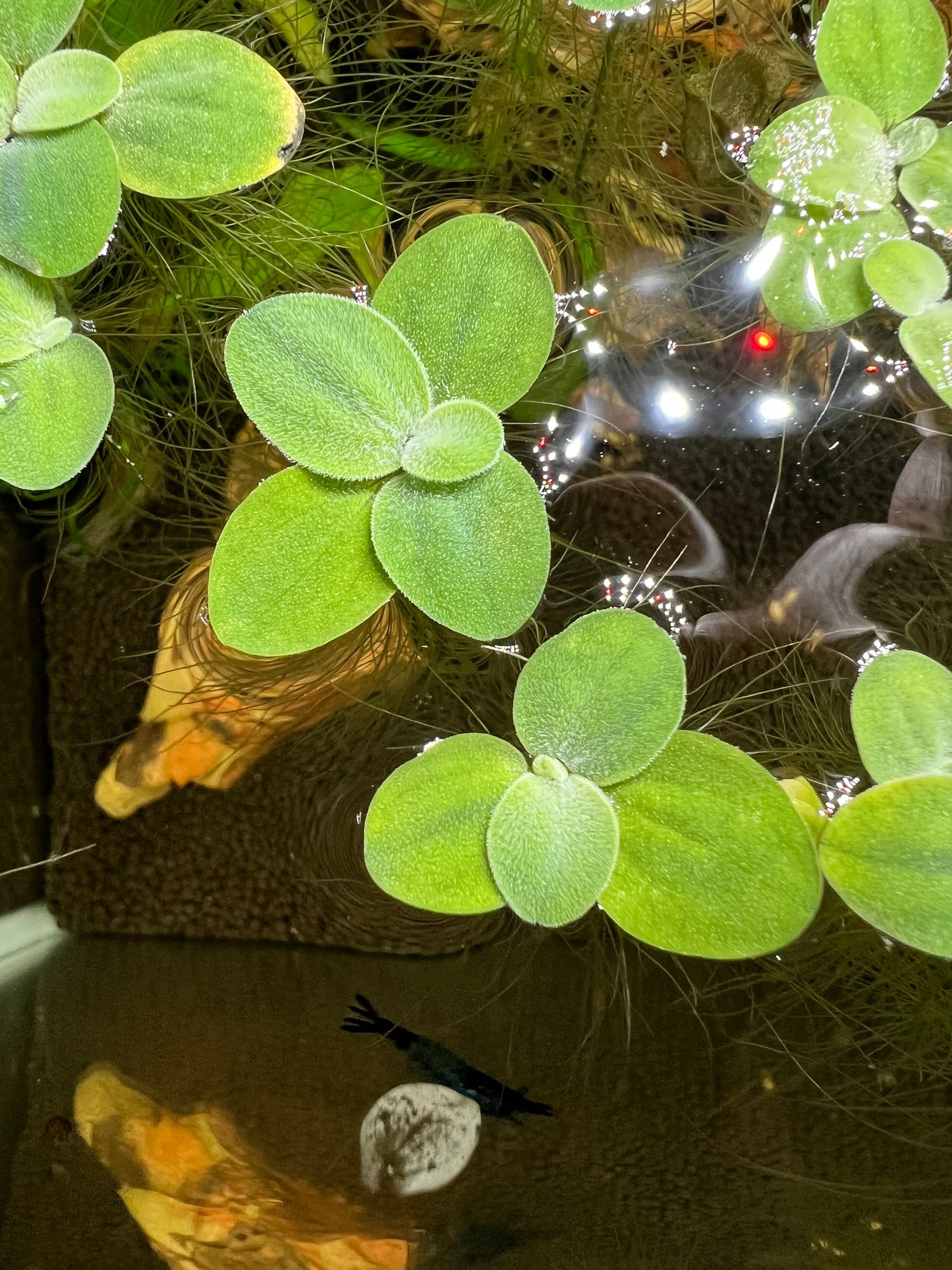
Dwarf Water Lettuce (Pistia stratiotes 'Dwarf')
Dwarf Water Lettuce (Pistia stratiotes 'Dwarf') is tailored for nano and planted tanks in the UK where full-size lettuces would be overpowering — it provides dense root zones for fry protection and precise shading with less disruption to aquascapes. Technically it combines the cover advantages of standard Water Lettuce with the manageability of Salvinia; while it can be pricier per plant, its efficiency in small tanks reduces long-term maintenance and replacement costs, making it the economical choice for hobbyists with limited surface area.
These five floating plants represent the most versatile, readily available, and genuinely effective species for British freshwater aquariums. Each has been selected for proven performance in typical UK home conditions, straightforward propagation, genuine algae-suppressing capabilities, and availability through established online and high-street aquatic retailers. All five tolerate our variable indoor temperatures and work brilliantly in tanks ranging from 10 litres to over 200 litres.
Understanding Floating Plants: Why They Matter in Your Setup
Floating plants operate on fundamentally different principles compared to rooted vegetation. Rather than drawing nutrients from substrate, they absorb nutrients directly from the water column, making them exceptionally efficient at outcompeting algae for these essential resources. This nutrient uptake simultaneously improves water quality for your fish. The leaf coverage they create reduces light penetration to lower tank regions, which both discourages unwanted algae growth and creates refuges where fry, shrimp, and nervous fish feel protected. In British tanks where natural daylight is limited during winter months, floating plants help regulate the light cycle your fish experience, potentially reducing stress during darker seasons.
Floating plants absorb nutrients directly from water, outcompeting algae and improving overall water quality
Surface coverage reduces light penetration, creating natural shading and refuges for sensitive species
These plants require no substrate or specialised rooting medium, simplifying tank setup and maintenance
Most floating species propagate rapidly, allowing you to expand coverage or share specimens with fellow hobbyists
They integrate seamlessly into both heavily planted tanks and minimalist setups
Particularly valuable in British tanks during winter months when natural light is reduced
Floating plants provide immediate visual impact, establishing themselves faster than rooted species
Excellent for breeding tanks where fry require protection and increased foraging opportunities
Frequently Asked Questions
Which floater is best for fry shelter in UK tanks?
Amazon Frogbit (Limnobium laevigatum) is a strong choice for freshwater aquaria thanks to its dense, dangling root mass that offers shelter for fry while spreading rapidly over the surface.
What feature makes Water Lettuce (Pistia stratiotes) shade heavy?
Water Lettuce (Pistia stratiotes) produces large rosettes that cast significant shade and reduce light penetration, helping control algae when stocked appropriately.
How does Water Lettuce compare for coverage and algae control?
Water Lettuce (Pistia stratiotes) is described as topping the list for maximum surface coverage and shade, rapidly lowering light levels to help control algae in medium and large UK freshwater tanks.
Do Red Root Floater (Phyllanthus fluitans) needs frequent thinning?
Red Root Floater (Phyllanthus fluitans) forms a loose floating mat with trailing roots and has a moderate growth rate, so it’s not stated as needing regular thinning like fast-dominating Water Lettuce.
Conclusion
The right floating plants dramatically enhance your tank's water quality, light management, and overall fish welfare—making them an intelligent investment whether you're a seasoned hobbyist or relatively new to the hobby. Our featured selections—Amazon Frogbit, Red Root Floaters, Dwarf Water Lettuce, Salvinia Minima, and Water Spangles—each bring particular strengths to the table. Amazon Frogbit stands out as the go-to option for most British aquarists due to its genuine hardiness and adaptability across varied tank setups. Red Root Floaters deliver both visual interest through their distinctive root colouring and exceptional nutrient absorption. Dwarf Water Lettuce offers that classic surface rosette appearance whilst proving particularly effective at competing with algae. The Salvinia varieties provide rapid coverage and create the fine-textured floating mats that many aquascapers prefer for their tanks. For beginners seeking a reliable starting point, Amazon Frogbit remains your safest bet, though your ultimate selection should account for your tank dimensions, existing lighting setup, and whether you're specifically cultivating fry cover or general aesthetic improvement. Explore our detailed product breakdowns to identify which species aligns with your particular circumstances, and don't hesitate to consult established UK aquarium forums for region-specific sourcing advice and care variations based on local water chemistry.