

Essential Focal Plants for UK Freshwater Aquariums — Complete 2025 Selection of Anubias, Bucephalandra & Ferns
Published on Thursday, 21 August 2025
Focal and statement plants form the backbone of any well-designed freshwater aquarium, serving as visual anchors that draw the eye and establish the overall character of your setup. These are slow-growing, architecturally interesting species—typically epiphytes and rhizomatous varieties—that thrive with minimal intervention and maintain their appeal for years rather than months. In the United Kingdom, aquascapers increasingly favour these plants because they suit the ambient lighting conditions found in most British homes, establish themselves reliably even when shipped across distance, and eliminate the need for constant pruning that faster-growing species demand. Whether you're working with a compact desk aquarium in a London flat or a substantial display tank in a countryside setting, the right focal plant transforms your aquascape from a collection of greenery into a thoughtfully composed living landscape. British retailers now stock tissue-cultured specimens from trusted European suppliers, reducing the risk of snail infestations and plant stress that traditionally accompanied live imports. This guide examines five outstanding focal plants proven to deliver both aesthetic impact and genuine resilience, helping you select varieties suited to your specific tank dimensions, lighting setup, and maintenance preferences.
Top Picks Summary
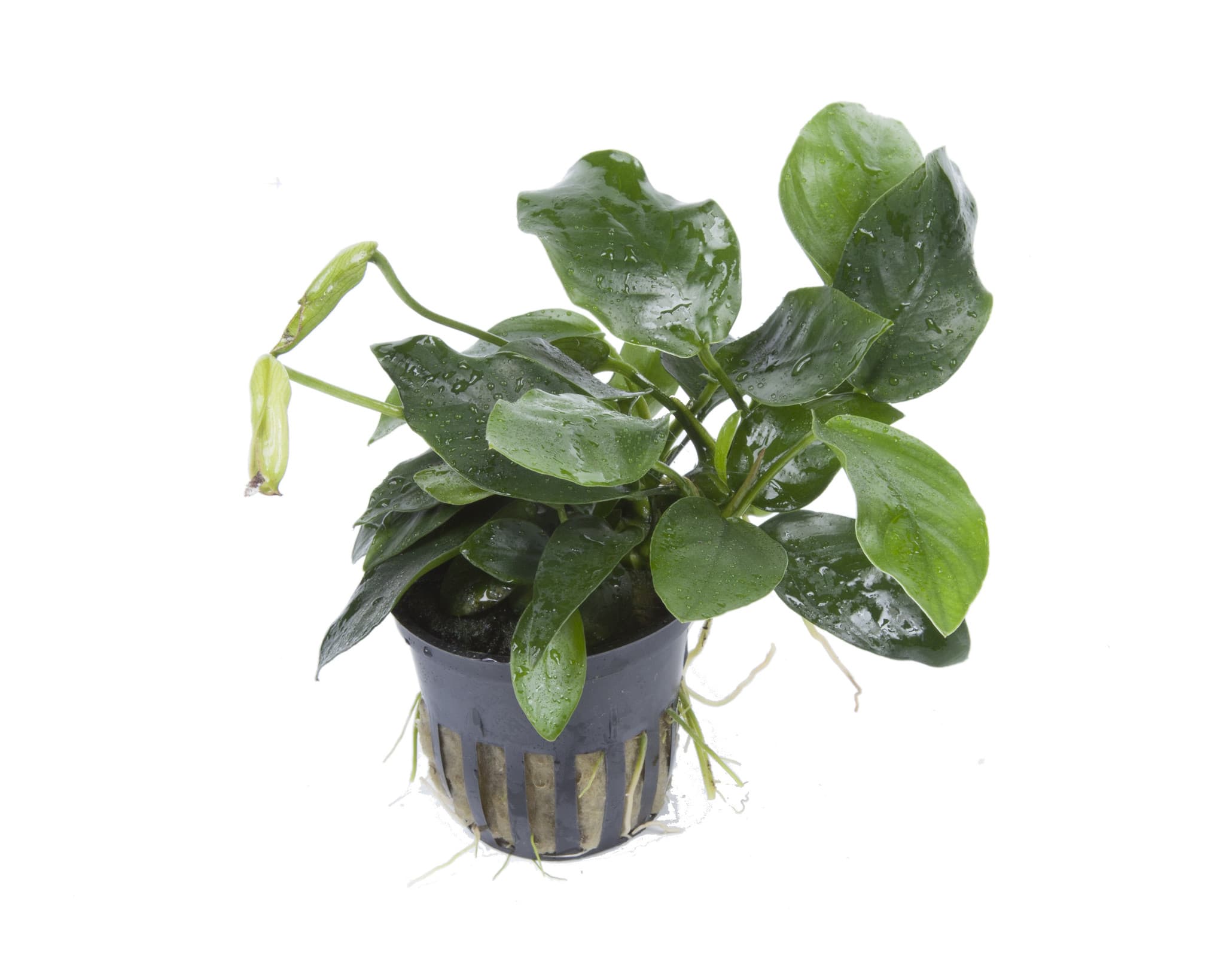
Tropica Anubias Barteri var. Nana
Tropica Anubias barteri var. nana is a go-to hardy midground Anubias prized in British aquascapes for its compact size, robust rhizome and low-light tolerance; Tropica's production scale makes it the most cost-effective entry on this list, offering reliable tissue-cultured stock for hobbyists on a budget. Compared with Dennerle's 'Petite', Tropica's Nana has slightly larger leaves that are better suited as a versatile midground specimen, while being easier to source across UK retailers.
Dennerle Microsorum pteropus 'Trident' Java Fern
Dennerle Microsorum pteropus 'Trident' Java Fern is a premium, sculptural variety with deeply lobed leaves that create striking focal points in aquascapes; Dennerle's cultivation emphasizes mature, high-quality specimens which justify a higher price for British hobbyists seeking statement plants. Technically it grows slower but holds ornamental form longer than Tropica's narrower Java variants, making it preferred for showpiece hardscapes.
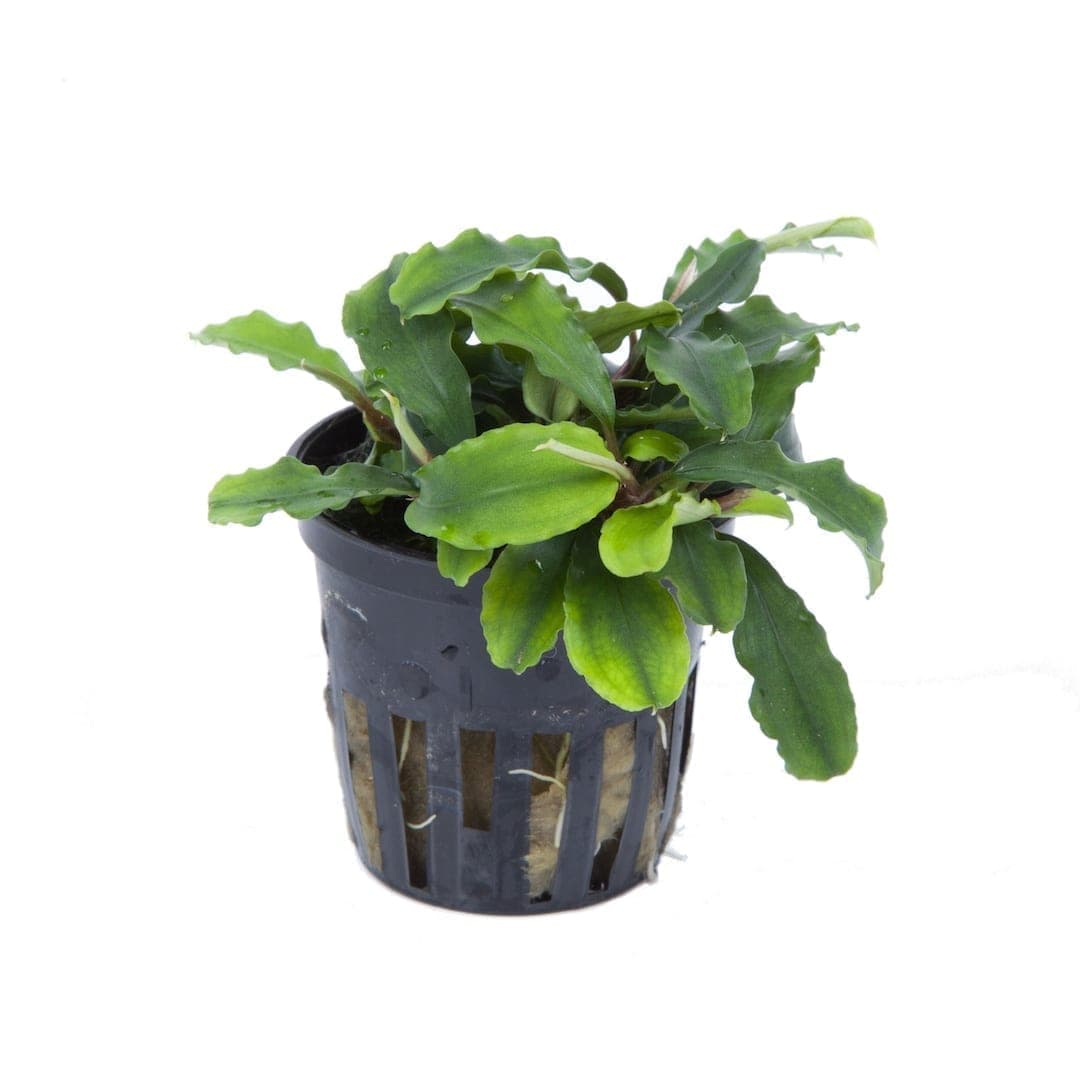
Tropica Bucephalandra sp. 'Wavy Green'
Tropica Bucephalandra sp. 'Wavy Green' is the specialist specimen on this list, offering unique wavy foliage and iridescent tones that transform both small and large aquascapes; Tropica's 2025 tissue-cultured availability means UK collectors can purchase healthy, pest-free plants albeit at a premium compared with common Anubias and Java Ferns. Its slower growth and greater rarity give it higher collector value and visual impact compared with the more workhorse species here.
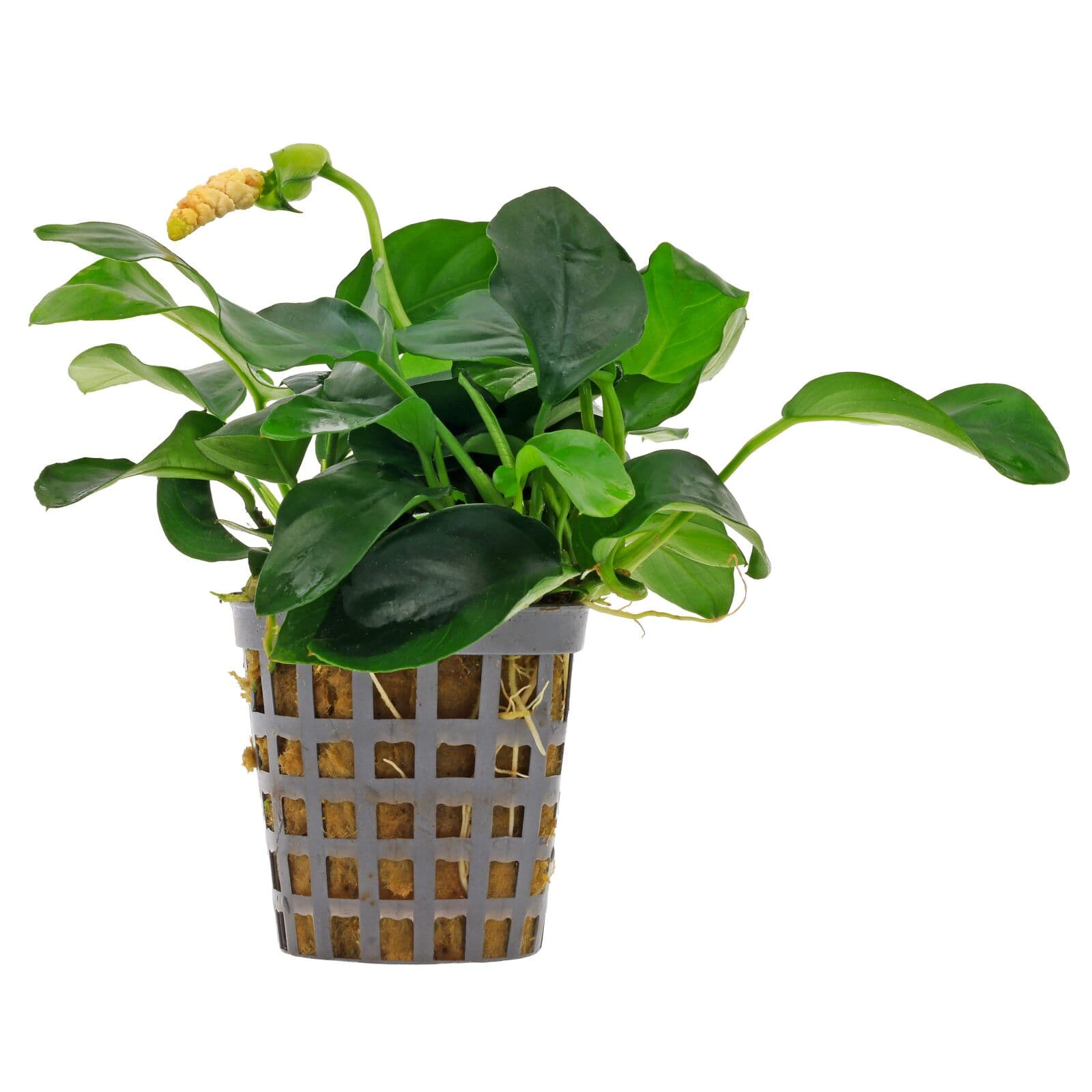
Dennerle Anubias barteri var. nana 'Petite'
Dennerle Anubias barteri var. nana 'Petite' is a nano-friendly foreground specialist with consistently tiny leaves and a compact rhizome, making it ideal for British nano tanks and tightly planted scenes; Dennerle positions this as a slightly higher-priced, high-grade cup-grown option prized for uniformity. Compared to Tropica's standard Nana, 'Petite' offers finer scale and better suitability for carpets and rim planting at the cost of fewer leaves per plant.
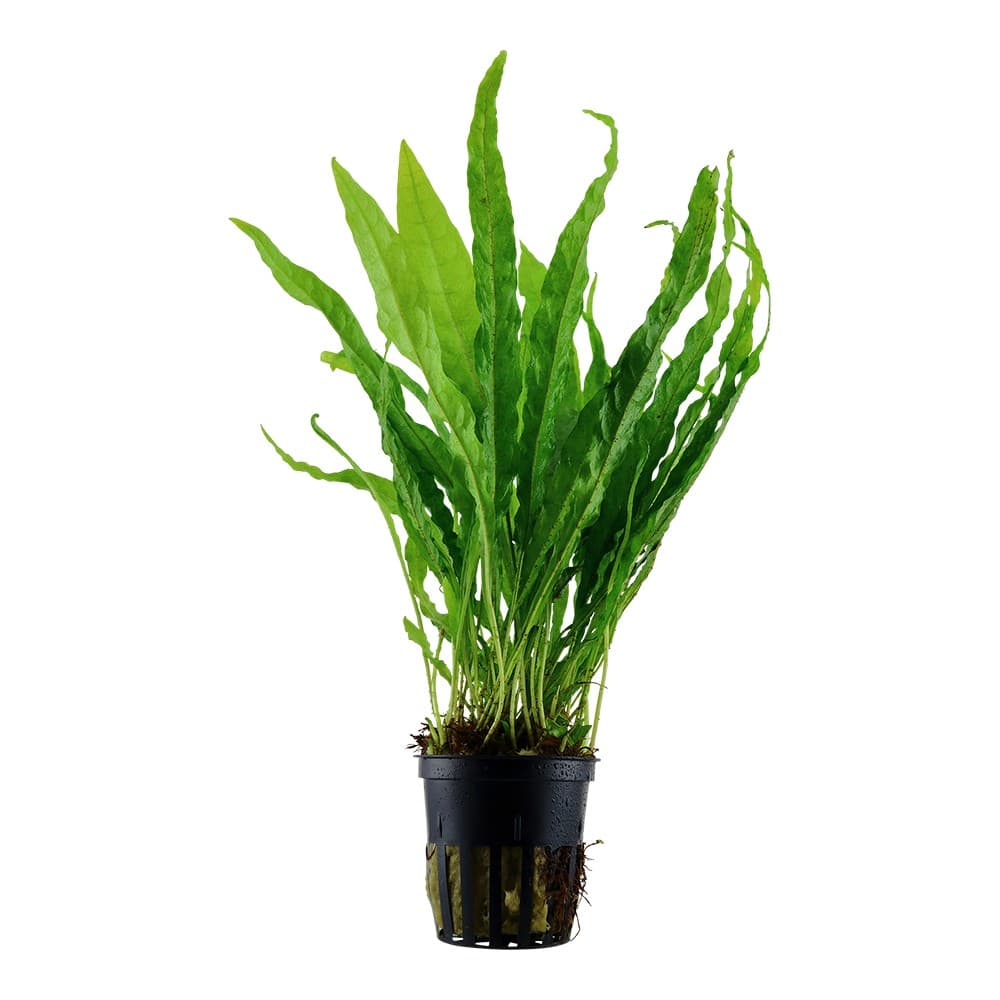
Tropica Microsorum pteropus 'Narrow Leaf' Java Fern
Tropica Microsorum pteropus 'Narrow Leaf' Java Fern delivers a slender, elegant profile and rapid establishment in low-tech setups, representing excellent value for UK aquascapers who want dramatic contrast without a premium price tag. Technically it adapts faster and produces more lateral growth than Dennerle's 'Trident', allowing quicker filling of background spaces while remaining as hardy as other Java Ferns on this list.
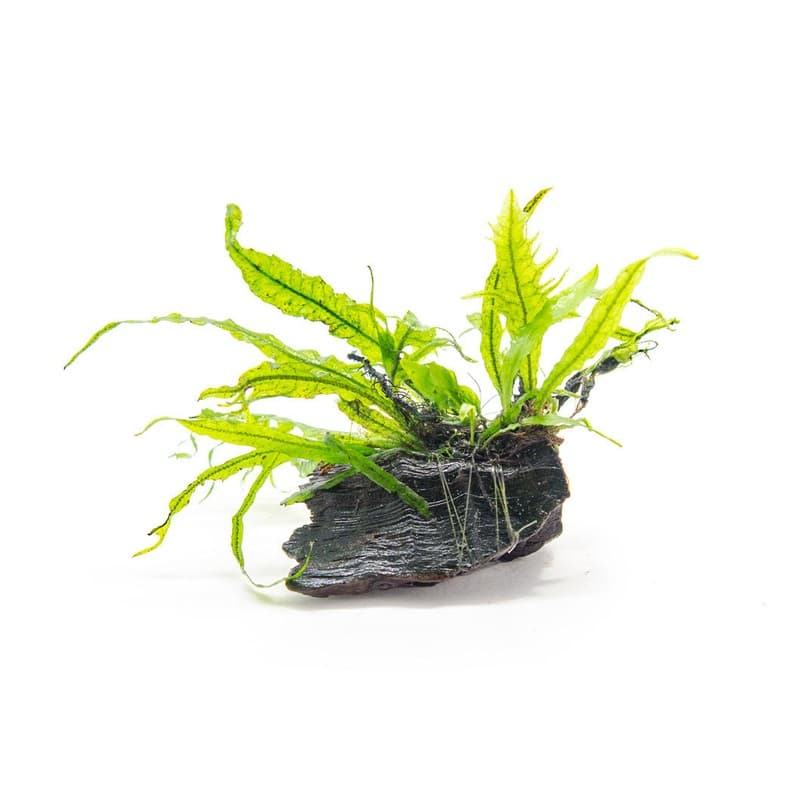
These five plants distinguish themselves through exceptional longevity, minimal maintenance requirements, and visual impact proportionate to their slow growth rate. Each variety ships reliably across the UK, establishes without demanding specialist fertilisation or CO2 supplementation, and remains attractive for several years before requiring division or repositioning. Their epiphytic or rhizomatous nature means they attach to hardscape or anchor naturally, providing flexibility in layout adjustments and making them ideal for both minimalist and densely planted designs.
What Research and Practical Evidence Say About Accent and Specimen Plants
Scientific studies and hobbyist trials consistently show that live aquatic plants contribute to water quality, habitat complexity, and animal welfare in closed aquarium systems. For accent and specimen species specifically, research and practice highlight their low nutrient demand, their role as stable surfaces for beneficial biofilms and microfauna, and their suitability for low-tech aquascapes. Evidence also supports the benefits of tissue-cultured production in reducing pathogens and invasive hitchhikers, which is particularly relevant for safe purchasing and long-term tank health.
Water quality: Multiple aquarium and aquatic ecology studies demonstrate that live plants help reduce nitrate and ammonium concentrations over time, stabilizing water chemistry when combined with regular maintenance.
Habitat complexity: Epiphytic and rhizome plants (like Bucephalandra and Anubias) increase surface area for biofilms and microinvertebrates, which improves feeding and foraging opportunities for shrimp and small fish.
Low-tech compatibility: Comparative observations show slow-growing rhizome species thrive under low- to medium-light and modest fertilization, making them ideal for beginners and low-maintenance tanks.
Tissue culture advantage: Research and industry reports indicate tissue-cultured specimens have lower rates of pests, disease, and invasive algae on arrival, improving establishment success—an important factor for British online orders and shipping.
Aesthetic longevity: Long-term hobbyist trials note that architectural accent plants maintain focal interest longer than fast-growing carpeting or stem plants, reducing pruning time and preserving hardscape design.
Frequently Asked Questions
Which plant should I choose for a low-light UK tank?
For a low-light UK setup, Tropica Anubias barteri var. nana is the easiest pick: it “thrives in low light” and tolerates a wide range of water conditions, with a 4.7 average rating.
What makes Dennerle Microsorum pteropus 'Trident' different?
Dennerle Microsorum pteropus 'Trident' Java Fern stands out for its distinct trident-shaped, deeply lobed leaves that create sculptural foliage, and it has a 4.6 average rating.
Is Tropica Anubias barteri var. nana good value for money?
Yes—Tropica Anubias barteri var. nana is described as the “most cost-effective entry on this list” because Tropica’s production scale supports reliable tissue-cultured stock, and it has a 4.7 average rating.
Will Tropica Bucephalandra 'Wavy Green' adapt to low-tech?
Tropica Bucephalandra sp. 'Wavy Green' can work in low-tech: it prefers stable, clean water and “benefits from CO2 but adapts to low-tech setups,” with a 4.4 average rating.
Conclusion
Selecting the right focal plant sets the tone for your entire aquascaping project, and the five varieties featured here—Tropica Anubias Barteri var. Nana Petite, Bucephalandra Kedagang Red, Java Fern Microsorum Pteropus Windelov, Anubias Coffeefolia, and Bucephalandra Green Wavy—represent the most reliable performers currently available to UK hobbyists. If you prioritise hassle-free establishment and consistent results, Tropica Anubias Barteri var. Nana Petite remains the sensible default choice for beginners and experienced aquascapers alike. Conversely, if you're prepared to invest patience and benefit from distinctive colouration or unusual leaf geometry, the Bucephalandra cultivars reward meticulous placement and stable conditions with genuinely striking visual results. Java Fern Windelov and Anubias Coffeefolia occupy the middle ground, offering dramatic textural contrast without requiring specialist expertise. Before finalising your purchase, browse UK specialist retailers to verify current stock, enquire about tissue-culture sourcing, and review seller feedback regarding transit packaging and plant condition upon arrival. Your tank's unique combination of lighting, substrate composition, and water parameters will ultimately determine which plants flourish most vibrantly—use this guide as a starting point, then refine your choices based on your specific aquascaping environment.