

Best Compact Aquatic Plants for UK Freshwater Tanks — 2025 Selection Guide for Nano Setups and Low-Energy Systems
Published on Thursday, 21 August 2025
If you're establishing a freshwater aquarium in the UK and looking to create visual interest in the midground without excessive maintenance demands, compact bunching aquatic plants offer an excellent solution. These hardy, space-efficient species are perfectly suited to British tank enthusiasts who prefer straightforward care regimes, minimal equipment requirements, and reliable growth even in variable water conditions. Whether you're setting up a modest nano tank on a flat surface or experimenting with low-energy planted systems, these five species consistently perform well across UK water parameters and shipping conditions. They excel at filling visual gaps, adding textural depth, and competing effectively against nuisance algae—all whilst remaining forgiving enough for both seasoned aquarists and those just beginning their planted tank journey. The beauty of these compact varieties lies in their adaptability; most thrive without pressurised CO2 systems, tolerate standard UK tap water composition, and establish rapidly once introduced to stable tanks. For flat-dwellers and those with limited space, these plants deliver substantial aesthetic impact without demanding complex infrastructure or frequent intervention. They're also readily available through reputable UK aquatics retailers and online suppliers, ensuring consistent access and reliable stock. This guide explores five proven performers that have become staples in British planted aquarium circles, each bringing distinct characteristics to different tank layouts and aesthetic preferences.
Top Picks Summary
Tropica Hygrophila polysperma 'Rosanervig'
Tropica's Hygrophila polysperma 'Rosanervig' earns a best-in-class spot for compact, easily shaped bunching growth and striking red venation that lifts midground contrast in small UK nano and low-tech tanks. It combines rapid, predictable growth with forgiving nutrient demands, making it both cost-effective to keep and simpler to trim than faster, fluffier species like Limnophila. Compared with the other entries, Rosanervig offers a visually bold centerpiece without the premium price or finicky lighting requirements of some red varieties.

Tropica Rotala rotundifolia
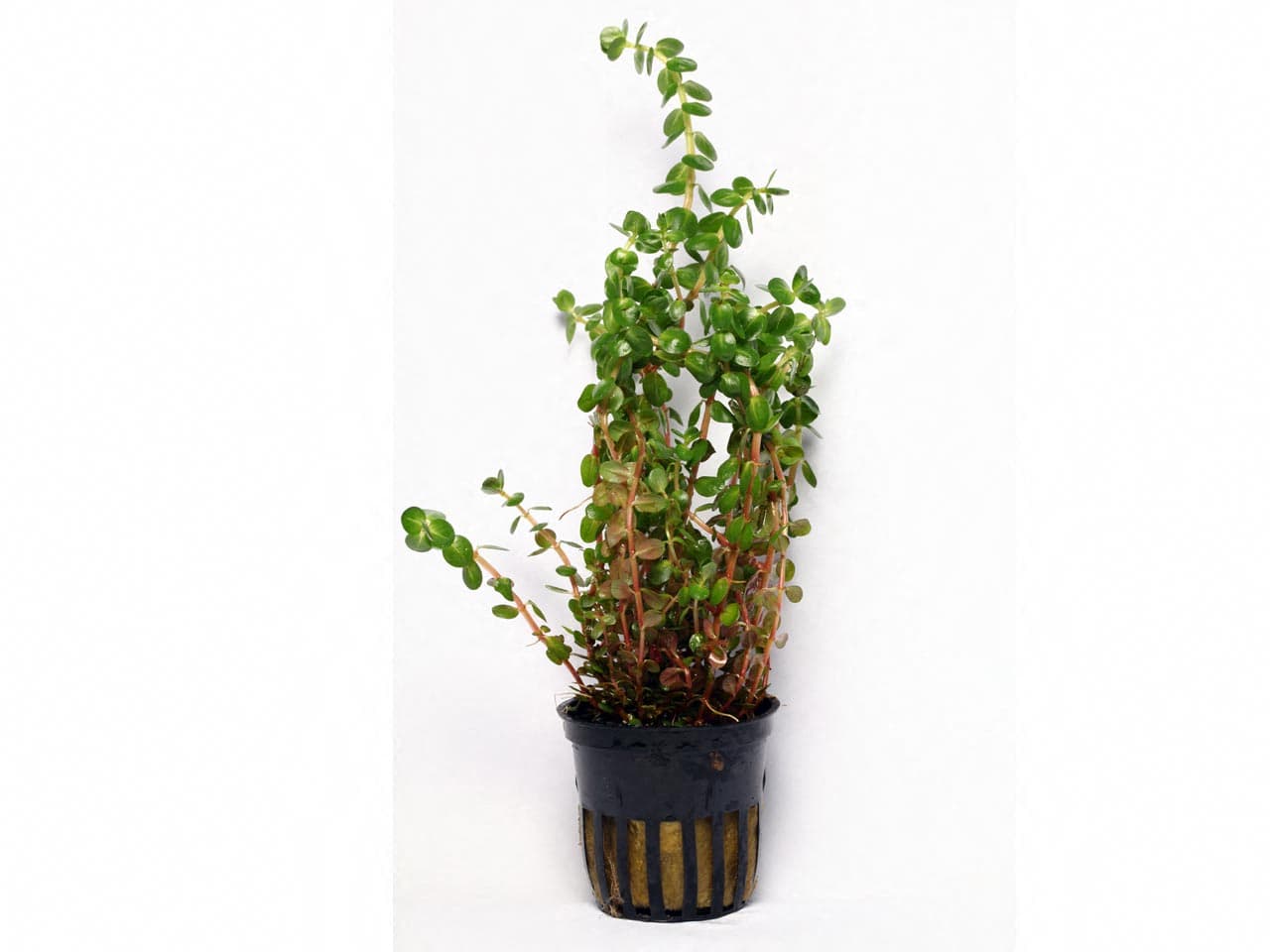
Tropica's Rotala rotundifolia is the go-to for delicate leaf texture and compact bunching formation that reads well at midground scale in nano tanks, especially across the variable light levels common in UK low-tech setups. It is generally cheaper than premium red Ludwigias and gives a fine, airy contrast to broader-leaved species, though it benefits from slightly higher light to develop red tones. Compared with the hardier Hygrophilas here, Rotala delivers a subtler, more refined look but can require a touch more attention to keep dense and tidy.
Dennerle Ludwigia repens 'Rubin'
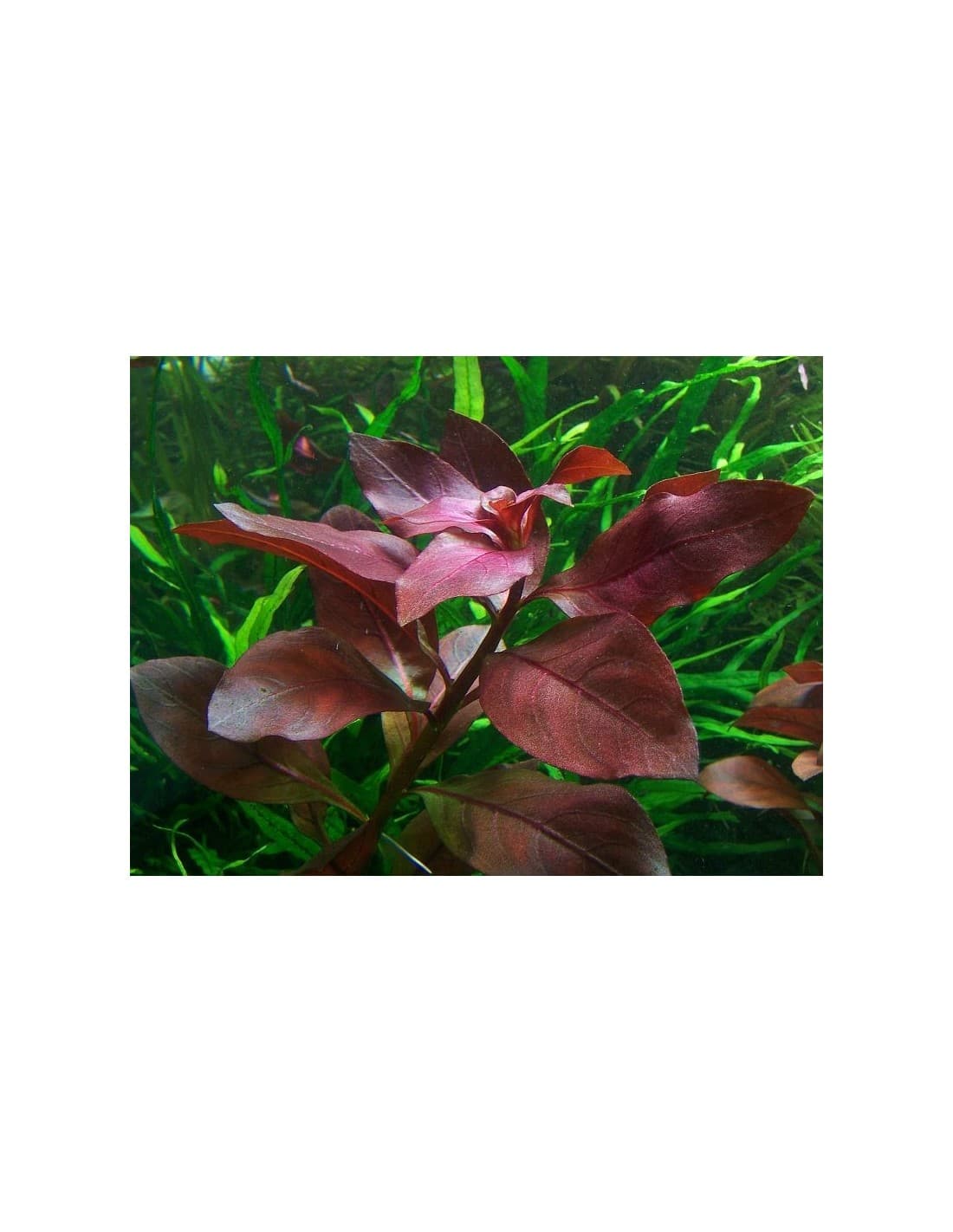
Dennerle's Ludwigia repens 'Rubin' stands out as the market-leader for vivid red coloration and compact, bushy bunching that reads like a premium midground specimen in UK nano and low-tech aquaria. While typically pricier than the Tropica lines, Rubin’s slower, steadier growth reduces frequent trimming and provides high visual impact per plant, offering a good trade-off between upfront cost and long-term maintenance. Against the list, it is the go-to choice when colour drama and low pruning frequency outweigh tight budget constraints.
Tropica Limnophila sessiliflora
Tropica's Limnophila sessiliflora brings a soft, fine-textured foliage that forms dense midground clumps when kept trimmed, giving nano tanks a lush, fern-like carpet effect without needing CO2 or complex fertiliser regimes. It is one of the fastest growers here, making it an inexpensive way to achieve rapid density, though that growth rate makes regular maintenance more important than for slower species like Ludwigia 'Rubin'. In comparison to the other plants, Limnophila is the best option for cheap, fast cover and textural contrast but demands more frequent pruning to stay compact.

Tropica Hygrophila siamensis 53B
Tropica's Hygrophila siamensis 53B is prized for its robust, broad-leaved bunching habit and exceptional tolerance of low-tech, variable UK tank conditions, making it a practical, budget-friendly midground workhorse. It forms dense clumps with modest light and nutrient input, so it outperforms many delicate reds in reliability and steady growth while remaining cheaper and less maintenance-intensive than high-end colour-focused varieties. Compared with Rosanervig, 53B favours hardiness over flamboyance, making it the sensible default for beginners and busy keepers.

These five compact bunching species represent the intersection of practical reliability and visual appeal for modern UK aquascaping. Each requires minimal CO2 supplementation, adapts well to standard UK water chemistry, establishes quickly to suppress algae growth, and maintains aesthetic form without demanding intensive maintenance routines. Their combination of hardiness, textural diversity, and consistent availability makes them ideal starter species for aquarists transitioning into planted systems.
Understanding Compact Aquatic Foliage Plants for British Tank Systems
Compact bunching aquatic plants occupy a crucial ecological and aesthetic role within planted freshwater aquariums. Unlike stemmed varieties that require frequent trimming or carpeting species that demand precise conditions, bunching foliage plants operate within a practical middle ground, offering visual structure whilst remaining forgiving of imperfect conditions. This category encompasses species that naturally form dense clusters rather than individual stems, creating layered depth through their growth habit rather than requiring manual arrangement. Most species in this category originate from tropical or subtropical environments but have demonstrated genuine adaptability to cooler British water temperatures, particularly when acclimated gradually. Understanding their native habitats—typically shallow streams, marshes, and wetland margins—helps explain their preference for moderate lighting and their tolerance of moderate flow rates. In UK aquarium contexts, where many aquarists prioritise energy efficiency and straightforward equipment setups, these plants prove invaluable because they achieve lush planted-tank aesthetics without necessitating expensive CO2 injection systems or high-specification LED lighting arrays. The nutrient dynamics also favour British hobbyists; most thrive with basic fertilisation strategies or even simple fish waste assimilation, eliminating the requirement for complex dosing regimens.
Most compact bunching species thrive in UK water temperatures between 18-26°C without specialised heaters
These plants naturally suppress algae through competitive nutrient uptake and physical shading
Propagation through division or runners allows gradual tank expansion without purchasing additional stock
Compact foliage plants typically establish visual maturity within 4-8 weeks under stable conditions
UK retailers typically stock these species year-round with reliable availability and reasonable pricing
Most varieties adapt successfully to both aquarium-specific soils and standard aquarium substrates
These plants generally tolerate mild water parameter fluctuations common in UK tap water chemistry
Bunching foliage plants create natural refuges and feeding grounds for small fish and invertebrate species
Careful plant selection by tank capacity prevents overcrowding whilst maximising visual density
These species respond well to basic macronutrient fertilisation (nitrogen, phosphorus, potassium)
Frequently Asked Questions
Which compact plant is best for a low-tech nano tank?
Tropica Hygrophila polysperma 'Rosanervig' is the ideal choice for low-tech nano tanks because it combines rapid, predictable growth with forgiving nutrient demands.
What is the average customer rating for Dennerle Ludwigia repens 'Rubin'?
Dennerle Ludwigia repens 'Rubin' holds an average rating of 4.5, reflecting its popularity as a compact, bushy specimen for smaller freshwater aquaria.
Is Tropica Rotala rotundifolia cheaper than other red aquatic plants?
Tropica Rotala rotundifolia is generally cheaper than red Ludwigia varieties, offering a cost-effective way to add delicate leaf texture and pink hues to your midground.
Does Dennerle Ludwigia repens 'Rubin' require high light levels?
Dennerle Ludwigia repens 'Rubin' performs well in moderate light, making it a suitable option for many standard UK aquarium setups without needing intense lighting systems.
Conclusion
Selecting the right compact aquatic plants fundamentally shapes the visual character and maintenance profile of your freshwater setup. The five species featured here—Cryptocoryne Parva, Sagittaria Subulata, Staurogyne Repens, Marsilea Hirsuta, and Helanthium Tenellum—represent reliable choices that have proven themselves across countless UK installations. Each delivers particular strengths: Cryptocoryne Parva provides remarkable textural density in minimal footprint, Sagittaria Subulata offers subtle runner-based expansion for progressive coverage, Staurogyne Repens demonstrates exceptional versatility and low-light tolerance, Marsilea Hirsuta introduces distinctive clover-patterned foliage, whilst Helanthium Tenellum creates delicate, feathery vertical elements. For most British aquarists seeking a single dependable workhorse, Staurogyne Repens consistently emerges as the standout recommendation due to its genuine forgiving nature, reliable performance under standard UK lighting, and rapid establishment in both nano and conventional low-tech configurations. Rather than becoming overwhelmed by choice, consider your specific tank dimensions, available lighting, and aesthetic vision—then trial one or two species before expanding your selection. The planted aquarium hobby rewards patience and observation; these plants provide forgiving starting points whilst you develop your personal technique and preferences. Explore further using our refinement filters to compare by tank capacity, lighting specifications, or discover complementary foreground carpeting plants and background specimens that harmonise with your chosen midground selections.