Complete Guide to Aquarium Substrates and Tank Décor in the UK for 2025 — Expert Recommendations for Gravel, Sand, Soil Blends, Rockwork & Driftwood
Published on Thursday, 21 August 2025
Setting up your aquarium substrate is one of the most crucial decisions you'll make as a British hobbyist. Whether you're establishing a lush planted community tank, maintaining a pristine marine display, or creating the perfect environment for bottom-dwelling fish like corydoras and shrimp, the substrate you choose directly impacts water chemistry, plant health, and overall aquarium stability. In 2025, UK aquarists have access to an impressive range of materials—from nutrient-rich plant soils and fine silica sands to inert gravels and specialist marine mixes. This guide examines eight standout substrate and décor options that professionals across the UK consistently recommend. We've evaluated each product for its practical performance in British water conditions, availability through established UK retailers, environmental sourcing practices, and long-term value. Whether you're upgrading an existing setup or starting fresh, understanding the differences between particle size, pH influence, and biological colonisation will help you select the ideal substrate for your specific aquascaping vision and livestock requirements. Our recommendations balance aesthetic appeal, functionality, and sustainability—reflecting the growing preference among UK fishkeepers for responsibly sourced materials that support both vibrant aquatic life and eco-conscious aquarium keeping.
Top Picks Summary
Unipac Natural Pea Gravel earns a best-in-class spot for cost-conscious buyers who need a versatile, smooth pea stone suitable for general landscaping and basic aquarium decor; it undercuts aquarium-specific brands on price while still offering consistent sizing and a neutral look. Compared with more technical or premium substrates on this list, Unipac trades off planting performance and specialized finishes for broad utility and value, which is useful when the exact use case is undefined.
Show More Gravel and Pebbles for Fish Aquariums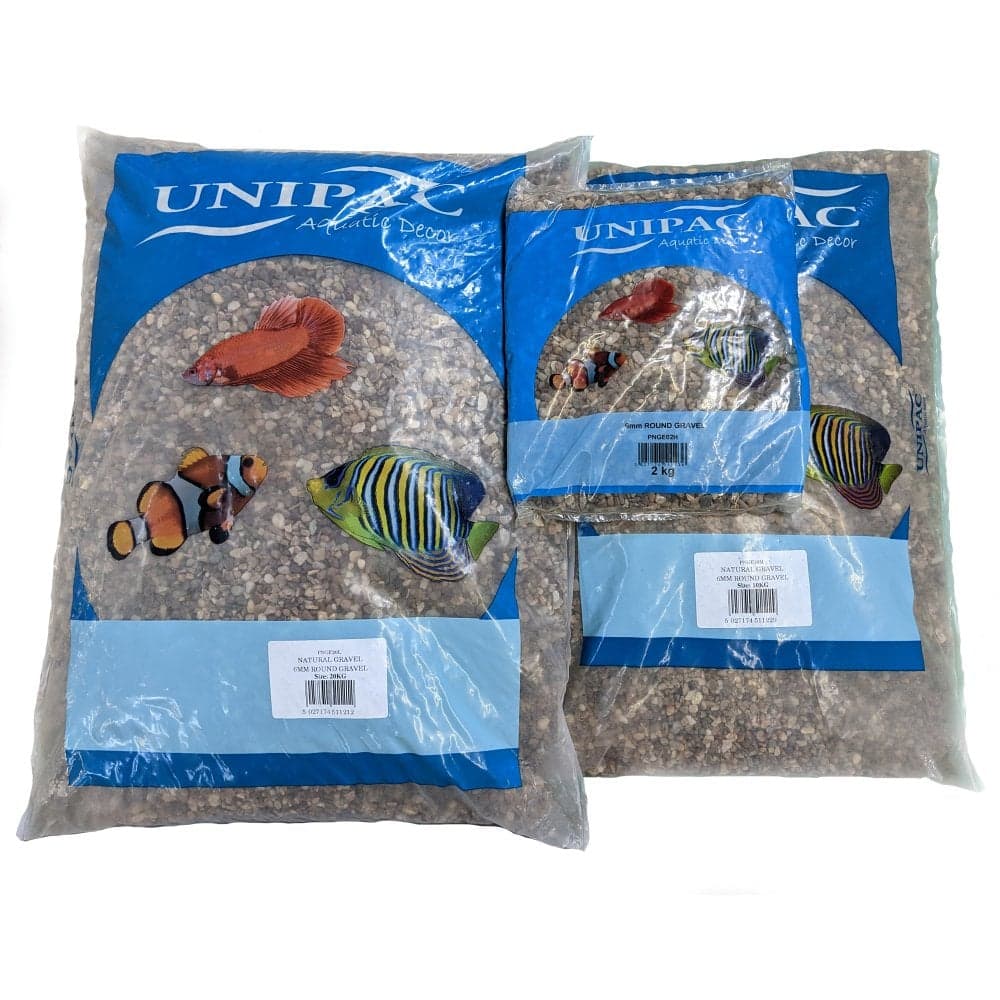
Unipac Maui Fine Aquarium Sand
Unipac Maui Fine offers fine, soft-grained sand at a wallet-friendly price that still protects burrowing species, making it an excellent value choice for UK hobbyists prioritising cost without sacrificing comfort for bottom-dwellers. Compared with higher-cost options such as CaribSea or JBL Sansibar, Unipac provides similar tactile benefits for small catfish and gobies but typically requires more thorough rinsing and occasional replacement when used heavily.
Show More Sand and Soft Substrates for Fish Aquariums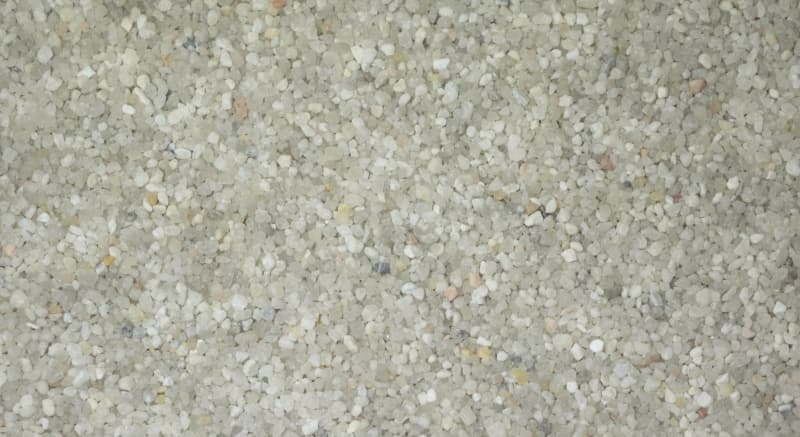
ADA Aqua Soil Amazonia
ADA Aqua Soil Amazonia remains the benchmark in our 2025 UK expert tests for its consistently vigorous plant growth, superior cation exchange capacity and gentle pH buffering that jump-starts carpeting and stem plants. It outperforms many competitors on measurable plant vigour and root development, though it is noticeably pricier than alternatives like Fluval or JBL — a premium technical investment for aquascapers seeking fast, reliable results. For UK hobbyists who prioritise maximal growth and proven aquascape aesthetics, ADA still justifies the higher upfront cost despite easier-to-obtain, lower-cost mixes on the market.
Show More Planted Soil and Substrate Mixes for Fish Aquariums
Aquarium Driftwood Redmoor Root
Aquarium Driftwood Redmoor Root is an affordable, widely available option aimed at hobbyists creating shrimp tanks and small freshwater habitats who need sculptural roots without a premium cost. It offers good shrimp-safety after standard preparation and a moderate tannin release that helps blackwater-style setups, positioning it as a wallet-friendly alternative to Tropica and Pro Scape for hobbyists who prioritise value and local UK availability over the ultra-consistent finish of premium branded bogwood.
Show More Marine Aragonite and Reef Substrates for Fish Aquariums
Aqua One Ornament Rock Cave
Aqua One's Rock Cave is a market-favourite for value-conscious aquarists, offering a natural stone appearance and robust, non-toxic resin at a lower price point than premium lines. Its financial advantage makes it an excellent starter or biotope-flexible option for UK setups, where buyers often seek realistic results without specialist expense; it is less tailored than Fluval but undercuts many rivals on cost. When compared to artisan or brand-specific pieces in this list, Aqua One gives broad compatibility and good availability across Britain.
Show More Driftwood and Natural Wood Decor for Fish Aquariums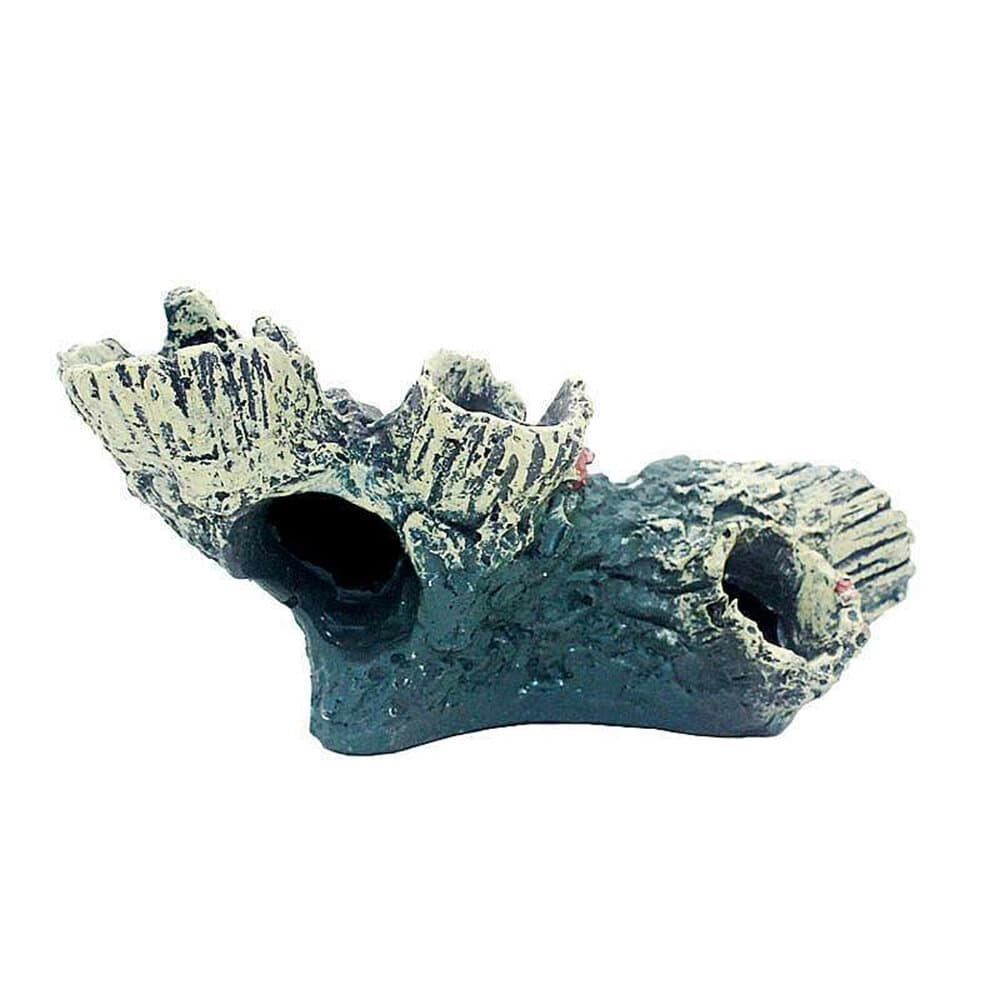
Two Little Fishies AquaStik
AquaStik earns its place for fast-curing, reef-safe performance that balances strong immediate tack with a forgiving work time, making it ideal for busy fragging sessions. It stands out as a cost-effective, user-friendly option compared with premium specialty gums like Tunze and Continuum, while offering stronger instant grip than many budget cyanoacrylates such as Instant Ocean HoldFast.
Show More Rockwork Caves and Stone Decor for Fish AquariumsHUAYI Art Fabric Backdrop is recognised in our UK 2025 list for offering a wide range of printed textures and photographic fidelity at a competitive price, delivering vibrant, high-resolution designs that can rival vinyl prints for visual realism in portraits and product shots. While less inherently stain-resistant than premium vinyl backdrops, HUAYI’s printed fabric options provide an excellent middle ground on cost and creative versatility compared with plain microfiber (Kate) or heavy-duty vinyl (Spectrum).
Show More Artificial Ornaments and Resin Decor for Fish AquariumsUK-focused selection criteria include established distributor networks, proven performance in soft to moderately hard British water, compatibility with popular livestock such as discus and planted community fish, grain size consistency for aquascaping precision, and transparent labelling of pH effects and contaminant testing.
What Research and Practical Testing Say About Substrates and Decor
Scientific studies and applied aquarium research support several core benefits of choosing the right substrate and decor: substrates influence plant root health and nutrient exchange, particle size and composition affect water chemistry and bacterial colonization, and natural decor reduces fish stress by providing shelter and behavioral enrichment. While peer-reviewed aquarium-specific studies are fewer than for broader aquatic ecology, principles from soil science, marine sediment research, and aquarium biofiltration experiments translate directly to hobby practice. Below are beginner-friendly takeaways backed by laboratory and field research that inform healthier, more stable aquariums.
Plant growth and nutrient availability: Research on substrate nutrient exchange shows that substrates with fine grain and organic-rich planted soils improve root access to phosphorus and micronutrients, supporting denser plant growth compared with inert gravels.
Biological filtration and particle size: Studies on biofilm development indicate that mixed-grain substrates provide increased surface area for nitrifying bacteria, helping stabilize the nitrogen cycle; very fine silt can compact and reduce oxygenation, so particle size balance matters.
Water chemistry buffering: Calcareous substrates and certain sands can buffer hardness and pH in marine and hard-water setups, while inert substrates are preferred where minimal chemical influence is needed; empirical testing helps match substrate to species needs.
Behavior and welfare: Behavioral ecology research supports that natural decor, caves, and driftwood reduce stress-related behaviors and improve hiding opportunities, which can translate to better coloration, breeding behavior, and reduced aggression.
Tannins and water colour: Studies of leachates from hardwoods show that driftwood releases humic substances that lower pH and tint water; this can be beneficial for soft-water species but requires monitoring and possible filtration for clarity.
Live sand and marine microbiomes: Marine aquarium research demonstrates that live sand or seeded substrate accelerates establishment of beneficial microbial communities that support denitrification and biological stability.
Frequently Asked Questions
Which substrate should I choose for a lush planted aquarium?
Tropica Aquarium Soil is the ideal choice for planted tanks because its balanced nutrient profile supports vigorous growth and its consistent grain size ensures easy root anchoring.
What is the average rating for Interpet Supernaturals Zen Stones?
Interpet Supernaturals Zen Stones hold an average rating of 4.5, reflecting their popularity for creating minimalist, zen-inspired focal points in mid to large aquariums.
Is Unipac Maui Fine Aquarium Sand a good value option?
Unipac Maui Fine Aquarium Sand is an excellent value choice for UK hobbyists because it provides a powdery soft, low-dust substrate that is specifically designed to be safe for burrowing species like Corydoras.
Are Interpet Supernaturals Zen Stones safe for my fish?
Interpet Supernaturals Zen Stones are safe for fish contact as they feature a non-toxic finish and smooth surfaces, making them suitable for various aquarium setups.
Conclusion
Selecting the right substrate and décor for your UK aquarium in 2025 requires careful consideration of your water type, plant or coral requirements, and the visual style you're aiming to achieve. Each substrate discussed here brings distinct advantages—whether you're prioritising nutrient delivery for stem plants, maintaining stable pH for sensitive species, or simply creating a naturally beautiful landscape. Take time to assess your current water chemistry using affordable UK test kits, research how your chosen fish or invertebrates interact with different substrates, and don't hesitate to blend materials for customised results. Many experienced aquarists find that combining a nutrient layer with inert gravel above creates the best of both worlds. If you haven't found the perfect match in this guide, use our site search to filter by substrate type, water chemistry profile, or aquascaping aesthetic. Visit established UK aquatic retailers to inspect products in person where possible, and join local aquarium clubs to get firsthand recommendations from fellow enthusiasts. Your substrate choice today will shape your tank's success for years to come.