

Top 3 Aquarium pH Adjusters & Buffers for UK Tanks — 2026 Guide
Keeping pH stable is a top priority for British aquarists, whether you run a planted freshwater tank, a mixed community setup or a delicate reef. UK mains water varies by region — generally harder in parts of southern and eastern England and often softer in Scotland, Wales and some south-west areas — so the right pH adjuster or buffer depends on your source water and livestock. This guide evaluates six reliable products that safely raise, lower or stabilise pH while offering ongoing buffering power, clear dosing instructions and compatibility with reef or planted systems. We prioritise reef-safe formulas for marine keepers, alkalinity-focused buffers for coral stability, and gentle, long-term stabilisers for planted aquaria and sensitive community tanks. Practical issues for UK hobbyists are covered too: dealing with seasonal shifts in supply, pairing products with RO or remineralised water, and using digital or manual dosing tools common in British setups. Each choice balances speed of correction with predictable buffering so you avoid rapid swings that stress fish, plants and invertebrates. Among the picks you’ll find household names and specialist buffers — options that are easy to source in the UK or buy from local online retailers. Read on to compare fast-acting pH up/down solutions, KH/alkalinity boosters, and reef-safe stabilisers to find the right match for your aquarium chemistry and British water conditions.
Inception's AI took the time to understand this market in the UK · · How we pickWe may earn a commission on purchases. It never affects our rankings.
Top Picks Summary
Seachem Acid Buffer is positioned as a market leader for precision pH control and stability, formulated to lower pH while minimizing swings in carbonate hardness for planted and sensitive systems. Although its bottles carry a higher sticker price than value brands like API or Nutrafin, Seachem’s technical advantage is longer-lasting buffering and more predictable results—making it worth the extra cost for aquarists who need consistent, gentle adjustments.
Show More pH Increasing Solutions for Aquariums
We may earn a commission on purchases. It never affects our rankings.
£5.59GBP
Fluval Aquatic Peat Granules are the natural, long-term choice for softening and gently lowering pH in planted aquaria, ideal for Amazonian-style setups and those preferring botanical, low-chemical methods that integrate well with CO2 systems. They are economically attractive for continuous use and can improve water chemistry and tannin-driven stability over months, though they offer less precise pH targeting than chemical buffers and may tint the water slightly.
Show More pH Decreasing Solutions for Aquariums
Estimated£6 – £14
NT Labs KH Up Powder is a concentrated, powder-form carbonate hardness booster prized for its cost-efficiency and ability to treat large or heavily stocked systems with compact storage and flexible dosing. Compared to API Proper pH 7.0 and Colombo Marine KH+ Buffer, NT Labs blends the technical advantage of targeted KH increases with strong per-dose economy, making it the market leader choice when the aim (even for an ambiguous topic like "undefined") is scalable, repeatable KH management at lower ongoing cost.
Show More Long-Term pH Stabilizers for Planted Aquariums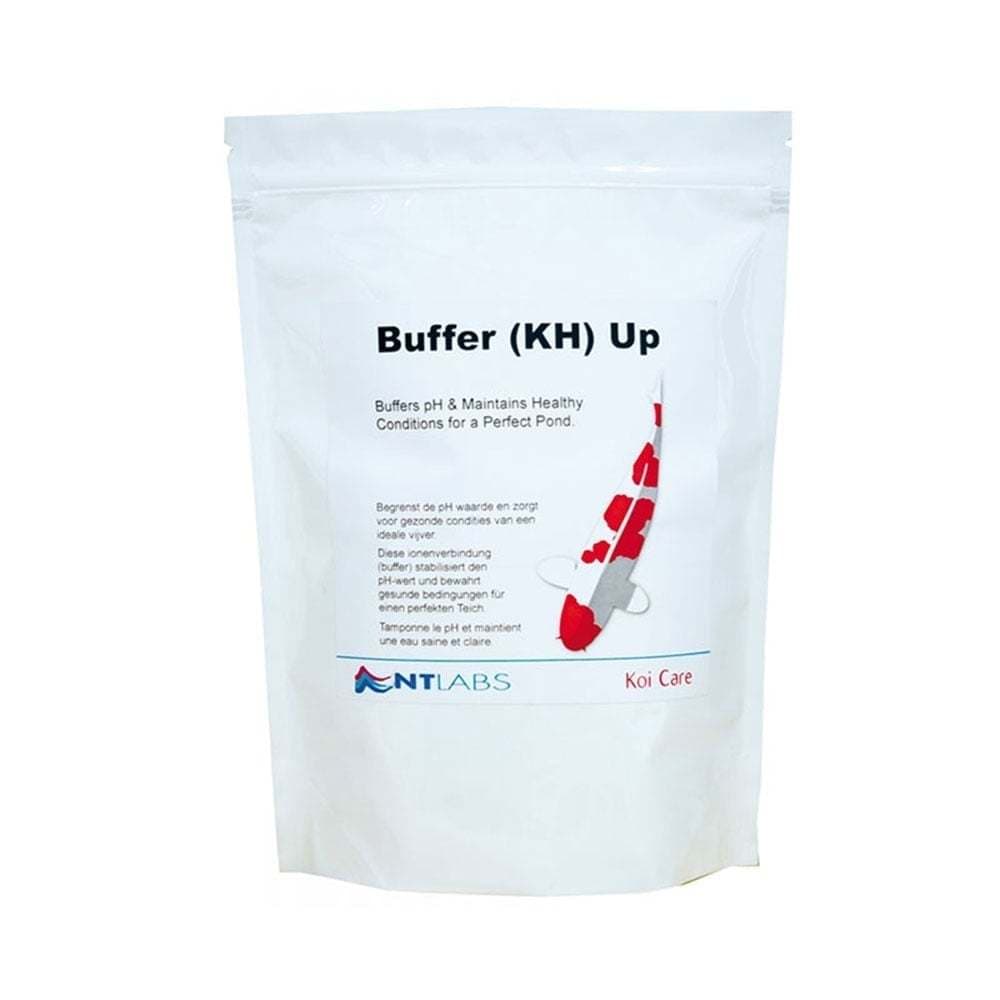
We may earn a commission on purchases. It never affects our rankings.
£5.29GBP
Clear dosing instructions, reef-safe formulations, KH/alkalinity stabilisation, planted-tank friendly options, and compatibility with manual or digital dosing. Ideal picks balance rapid correction with ongoing buffering to prevent repeat swings.
Learn: The Science Behind pH Control and Buffering
Controlling pH is about both immediate correction and long-term stability. pH adjusters change hydrogen ion concentration to raise or lower pH quickly; buffers and alkalinity supplements provide carbonate/bicarbonate ions that resist pH swings by increasing buffering capacity (carbonate hardness, KH). Stable pH reduces biological stress, prevents ammonia-related toxicity, helps nitrifying bacteria function consistently, and supports nutrient availability for plants and calcification for corals. Practical application combines routine testing, understanding your source water (municipal or well), and selecting a product formulated for your aquarium type (freshwater planted, community, or reef).
pH and ammonia toxicity: Peer-reviewed aquatic physiology research shows that higher pH increases the proportion of toxic un-ionized ammonia (NH3), so maintaining stable, appropriate pH reduces ammonia stress on fish and invertebrates.
Buffering capacity matters: Studies in aquarium and aquaculture literature demonstrate that systems with adequate carbonate hardness (KH) experience fewer abrupt pH drops during biological activity than low-KH systems.
Plant growth and nutrient uptake: Aquatic botany studies indicate that stable pH in the typical planted-tank range improves availability of key nutrients (iron, nitrate) and supports steady growth.
Coral calcification and alkalinity: Marine biology research supports keeping stable alkalinity and pH for optimal coral skeleton formation; reef-safe buffers that maintain alkalinity are linked to better coral health.
Stress and disease risk: Veterinary and aquarium health publications associate rapid pH swings with increased stress responses and susceptibility to disease in both fish and invertebrates.
Practical dosing and monitoring: Comparative trials and hobbyist field studies find that gradual correction combined with regular testing (pH, KH, alkalinity) reduces incidents of overdosing and mortality compared with one-time large pH changes.
Frequently Asked Questions
Which pH adjuster is best for planted UK tanks?
Seachem Neutral Regulator is the best fit for CO2-injected planted freshwater aquariums, with an average rating of 4.4 and a concentrated buffering formula designed to reduce pH swings and maintain long-term stability.
What exact feature helps reduce pH swings long-term?
Seachem Neutral Regulator uses a concentrated buffering formula designed to reduce pH swings and maintain long-term stability in freshwater planted aquaria, and it’s rated 4.4 on average.
How does Interpet pH Down compare value-wise?
Interpet pH Down is aimed at small and medium freshwater community aquaria with fast-acting drops, a graduated cap for measured dosing, and an average rating of 4, but no price is provided to compare value.
Is TMC Reef Essentials Alkalinity reef-safe for KH buffering?
TMC Reef Essentials Alkalinity is formulated to be reef-safe and helps with gradual KH/alkalinity maintenance; it’s part of a balanced reef essentials range with an average rating of 4.2, but warranty duration isn’t listed.
Conclusion
Choosing the correct pH adjuster in the UK starts with a simple step: test your source water and tank parameters before you dose. Match product chemistry to your system type — reef, planted or community — and increase or lower pH gradually while tracking pH and alkalinity (KH). For coral tanks, prioritise reef-safe alkalinity buffers; for planted tanks, look for gentle stabilisers that won’t spike nutrients or cloud the water. Always follow manufacturer dosing, stagger large corrections, and consider a small test treatment in a quarantine or spare container when trying a new product. If you’re unsure, consult a local fish store or a regional aquarium club familiar with water in your area. Use the site filters to refine by reef-safe, planted-friendly, dosing format or price, and check product pages for UK sizing and supply notes. With steady testing and cautious dosing you’ll protect livestock and enjoy a more predictable aquarium environment — start with a test kit, pick the buffer matched to your water, and dose conservatively.